From stalled peace efforts to mobile internet blackouts and the blocking of the hugely popular gaming platform Roblox, 2025 has been yet another eventful — and turbulent — year in Russia.
The Moscow Times looks back at six of the most important stories that shaped the year:
Sisyphean peace talks
Nearly a year after U.S. President Donald Trump vowed to end the war in Ukraine in 24 hours upon his return to the White House, hopes for a diplomatic breakthrough have largely faded.
Despite Trump’s efforts to entice Moscow with business deals and other concessions in exchange for peace, each new U.S.-led mediation effort has failed to bring Moscow and Kyiv closer to a compromise.
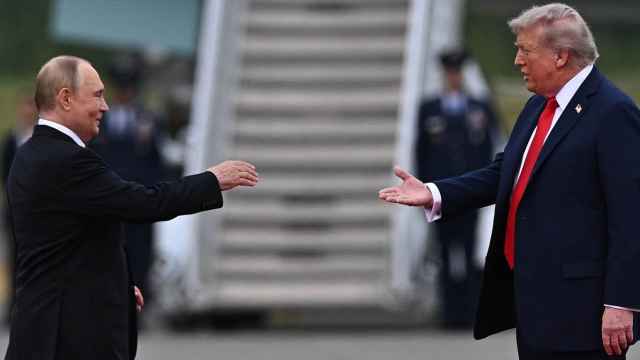
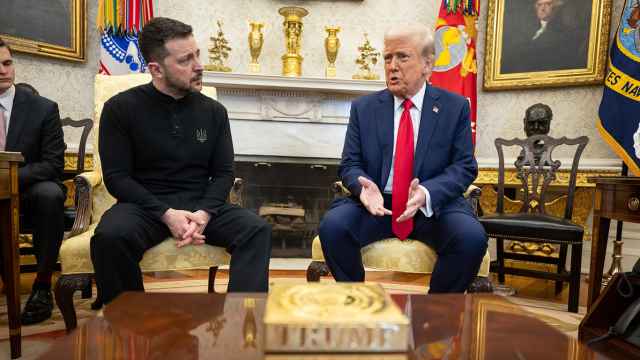
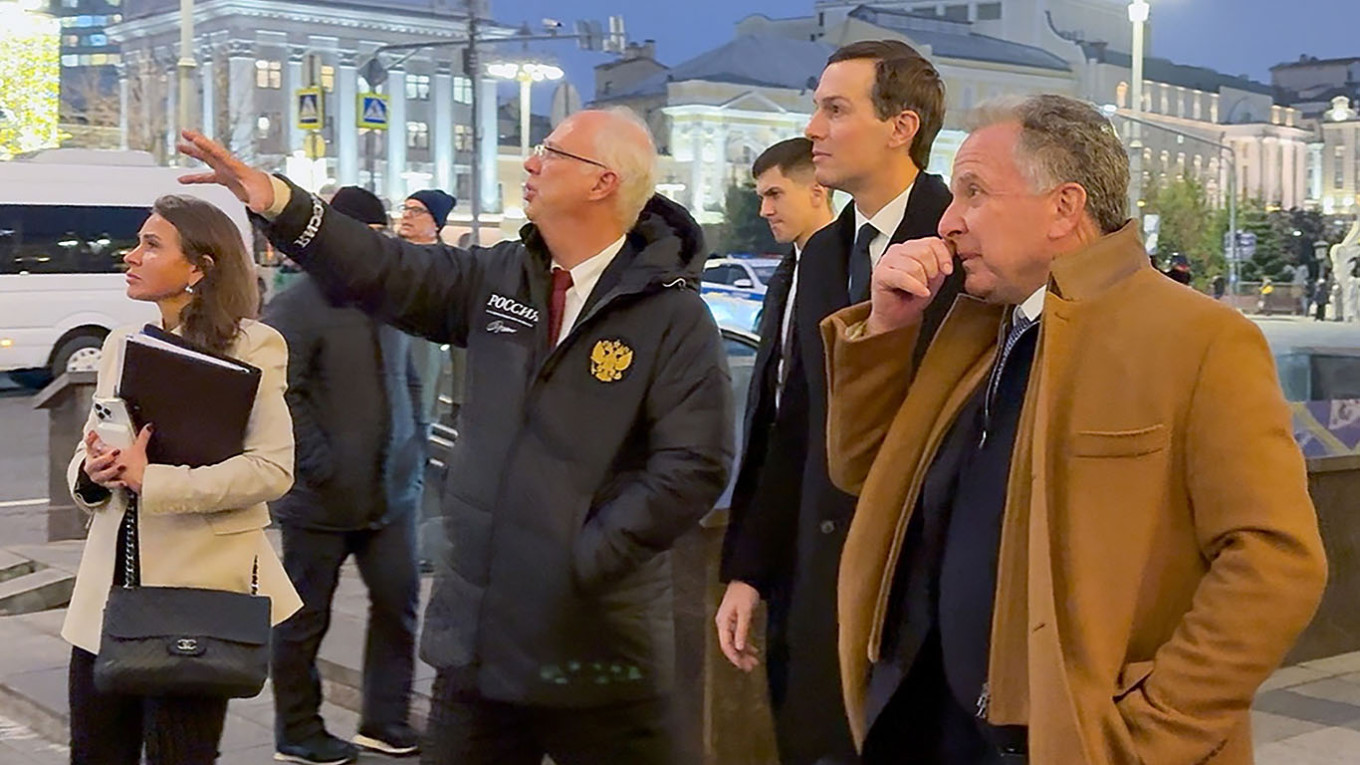
From Zelensky’s disastrous White House visit in February and the Trump-Putin summit in Alaska in August to direct Russia-Ukraine talks in Istanbul, Kirill Dmitriev’s trips to the U.S. and visits to Moscow by Trump’s special envoy Steve Witkoff, 2025 has been a year with plenty of talk, but little to show for it.
While both Kyiv and Moscow continue to engage — neither wants to be seen by Trump as an obstacle to peace — Putin has shown no sign of abandoning his maximalist aims, while Ukraine sees territorial concessions as a red line.
The war has raged on all the while, devastating Ukrainian cities and killing thousands of soldiers on both sides.
If the year’s peace efforts produced one tangible outcome, it has been the exchanges of thousands of prisoners of war agreed during direct Russia-Ukraine talks in Istanbul — the first such negotiations since 2022.
Digital clampdown accelerates
The Kremlin stepped up efforts to restrict popular digital services beyond its control this year, pushing users toward the new state-backed messenger app Max.
In August, state communications watchdog Roskomnadzor started restricting voice and video calls on WhatsApp and Telegram. The move followed restrictions imposed in 2024 on YouTube and the messaging platform Discord.
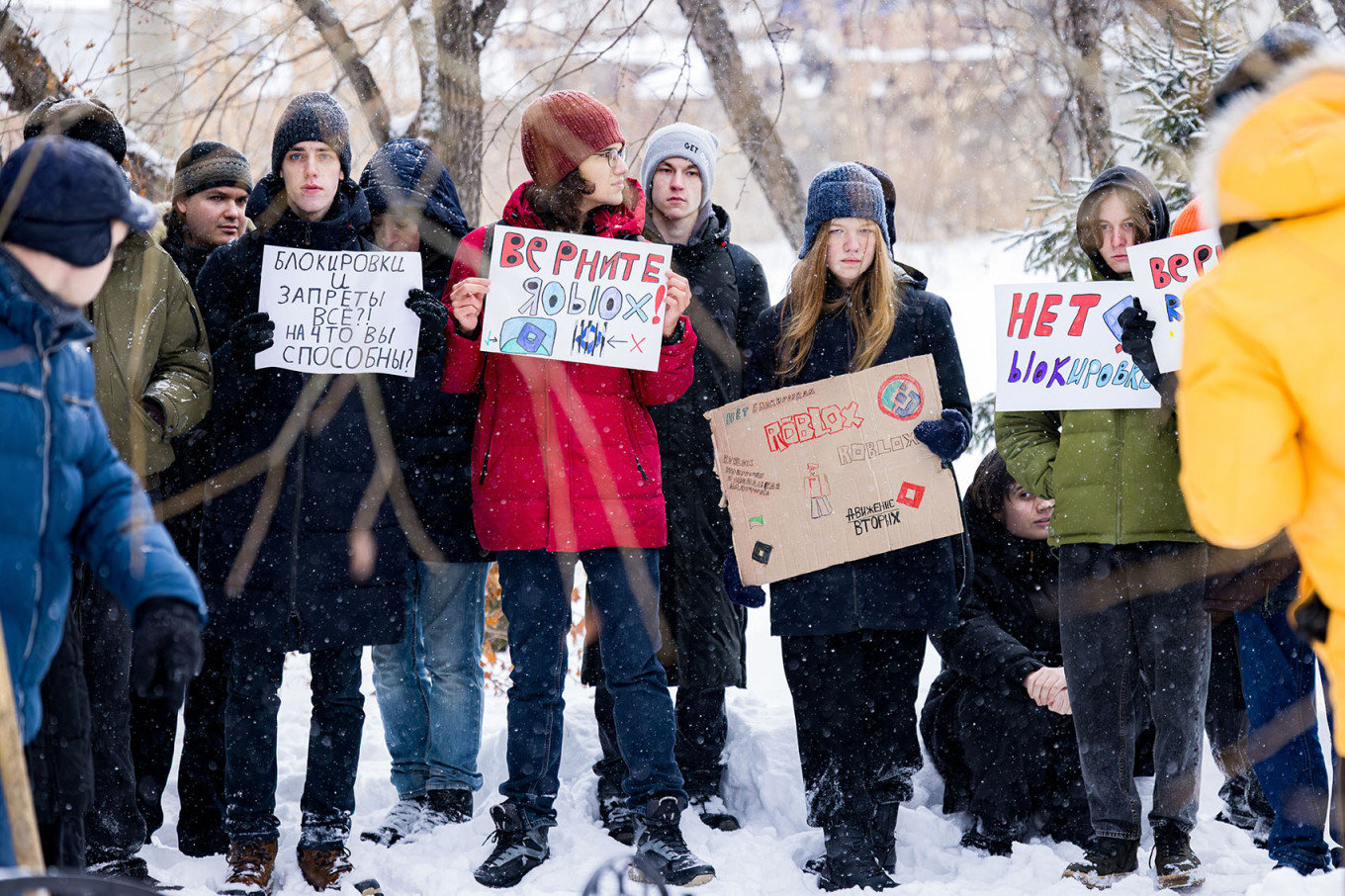
By October, access to Telegram and WhatsApp was restricted in around 40% of Russia’s regions. In December, Roskomnadzor said it had blocked FaceTime and Snapchat calls, along with the popular online game Roblox.
In each case, Roskomnadzor justified its moves by saying these platforms were hubs for everything from fraud to terrorism, extremism and “LGBT propaganda.”
But critics say the restrictions are designed to steer users toward Max, the Kremlin’s own attempt at a “super app”: a single platform for messaging, payments and government services where it will have total control.
The Roblox blocking in particular may have inadvertently served as many Russians’ political awakening. The Kremlin said that children across Russia had flooded its communications department with complaints about the ban.
Pro-Kremlin censorship advocate Yekaterina Mizulina claimed she, too, had received tens of thousands of letters from young children and teens, many of whom said they wanted to leave Russia because of the ban.
Spreading mobile internet blackouts
Mobile internet outages became a near-daily reality for millions of Russians as authorities imposed sweeping restrictions they say are necessary for security amid the war in Ukraine.
In November, the Ulyanovsk region became the first to introduce a permanent mobile internet blackout, which regional officials said would remain in place until the war ends. The shutdown, reportedly ordered by federal authorities, affects areas near military and government facilities as well as residential districts.
Annexed Crimea followed suit in December. “We simply need to accept this reality and adapt,” Moscow-installed Governor Sergei Aksyonov said. “We can’t let the enemy use the internet against us.”
Elsewhere, regions across the country experienced periodic shutdowns. Mobile internet disruptions were recorded in at least half of Russia’s regions every day in November, according to the open-source project Russian Internet Monitor.
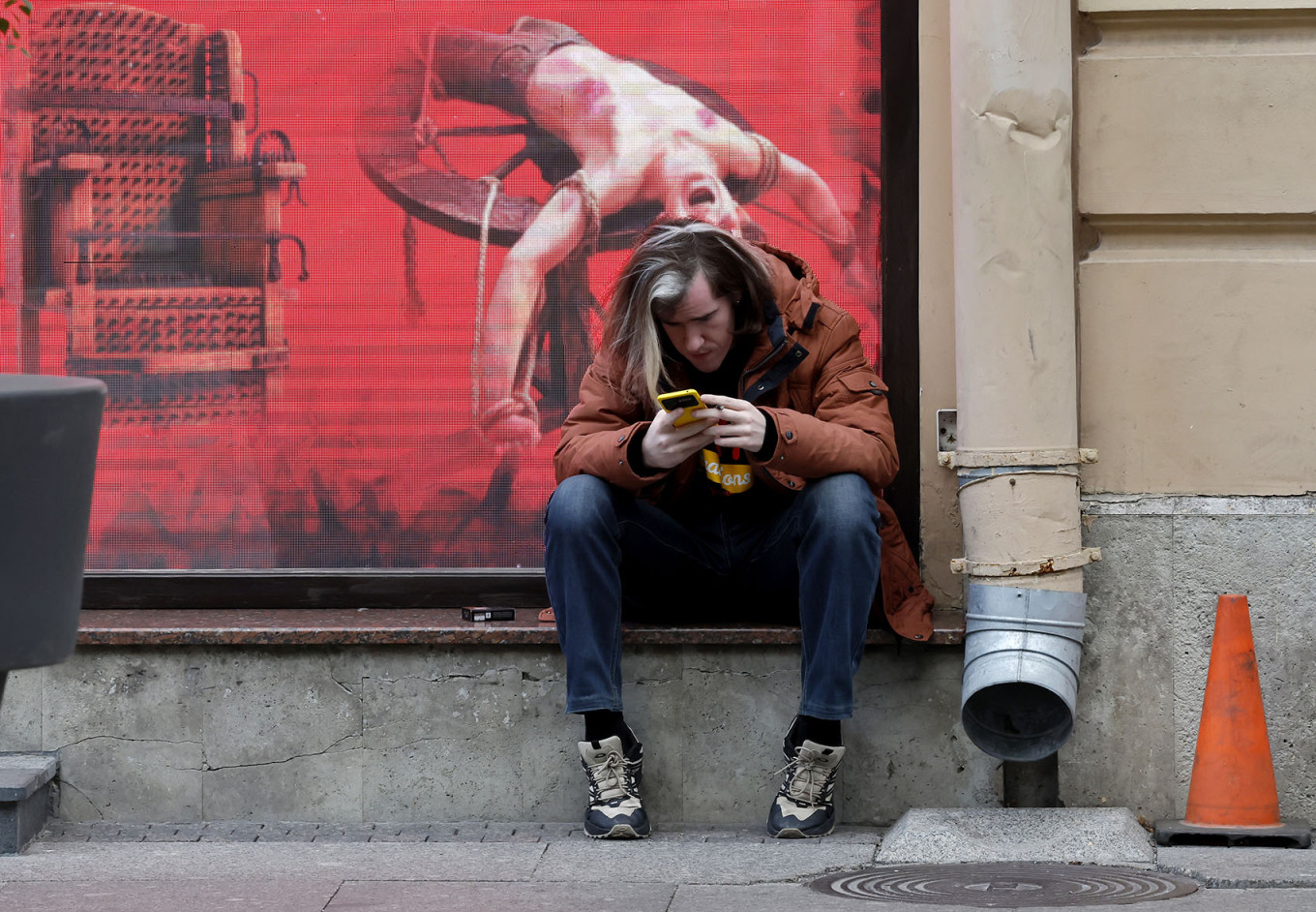
Residents of Moscow, St. Petersburg, Tatarstan, Bashkortostan, Ingushetia and Dagestan were among those reporting disruptions to daily life.
Authorities introduced a “white list” of approved services meant to remain accessible during shutdowns, though users have complained the services often fail to work.
Operation Spider's Web
On June 1, Ukrainian security services carried out a major drone attack on Russian military airbases thousands of kilometers from the front lines, including sites in the Murmansk, Irkutsk, Ryazan and Ivanovo regions.
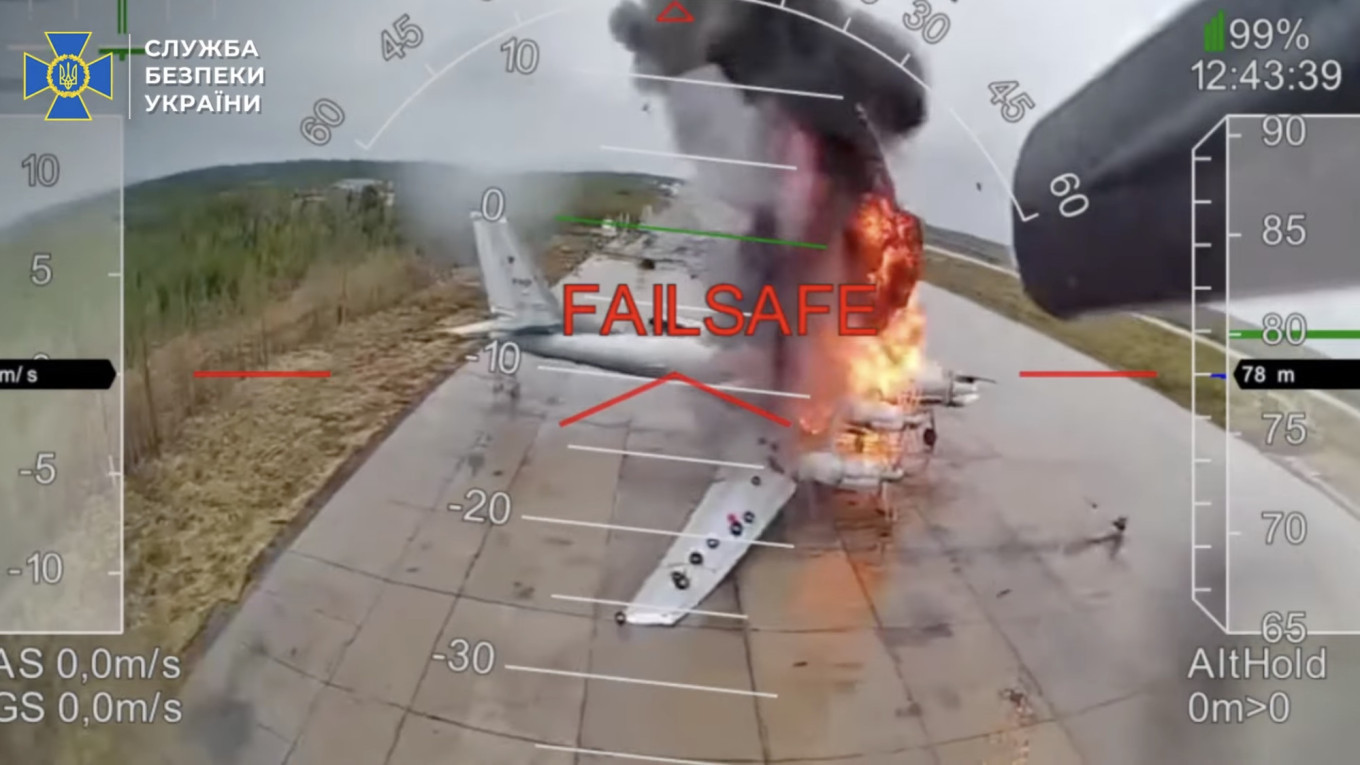
The plot, known as “Operation Spider’s Web,” destroyed at least six Tu-95 strategic bombers, four Tu-22M aircraft and several A-50 early warning planes, according to U.S. officials cited by The New York Times. Ukrainian officials put the number of destroyed or damaged aircraft at 41, a figure later confirmed by a senior NATO official to The Moscow Times.
The attack stunned observers and highlighted Ukraine’s ability to conduct complex operations deep inside Russian territory, including in Siberia and the Arctic.
The plot reportedly took a year and a half to prepare and involved smuggling drones into Russia inside wooden structures mounted on trucks. The roofs were opened remotely to allow the drones to launch.
Following the attack, Russia relocated dozens of strategic bombers to more remote airbases.
Stubborn inflation
The Central Bank kept the interest rate at the historic high of 21% for the first half of the year amid high inflation brought on by overheating due to the country’s wartime spending.
The rate remained unchanged until June 6, when it was cut to 20%. The regulator had been expected to ease the rate earlier, but it held off as annual inflation remained above 10%.
The Central Bank has since cut rates four more times, bringing the key rate to 16% as of Dec. 19. The bank said it would maintain tight monetary policy for a “prolonged period” as it seeks to bring down inflation even as the economy slows due to high borrowing costs.
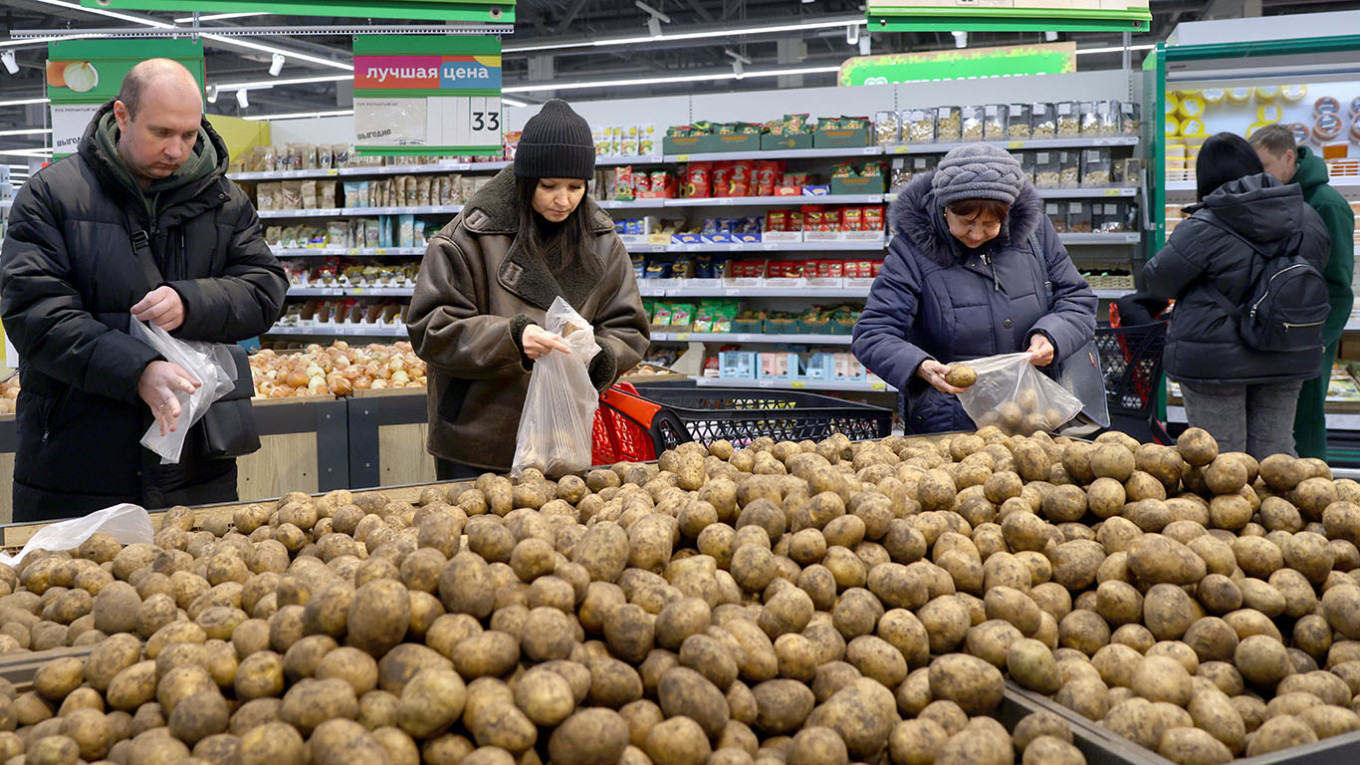
Annual inflation stood at 5.8% in mid-December and is expected to remain below 6% through year-end, still two percentage points above the Bank’s target. Policymakers said they expect inflation to return to target levels in the second half of 2026.
Feeling the pinch of rising prices, Russian households expect to spend an average of 14,000 rubles ($175) on their New Year’s celebrations, just over half of what they expected to spend on New Year's 2024.
Stoptime’s carousel arrests
The St. Petersburg street band Stoptime drew national attention in October after its lead singer, Diana Loginova, was arrested after a video showing her leading a crowd in singing an anti-Putin rock song went viral.
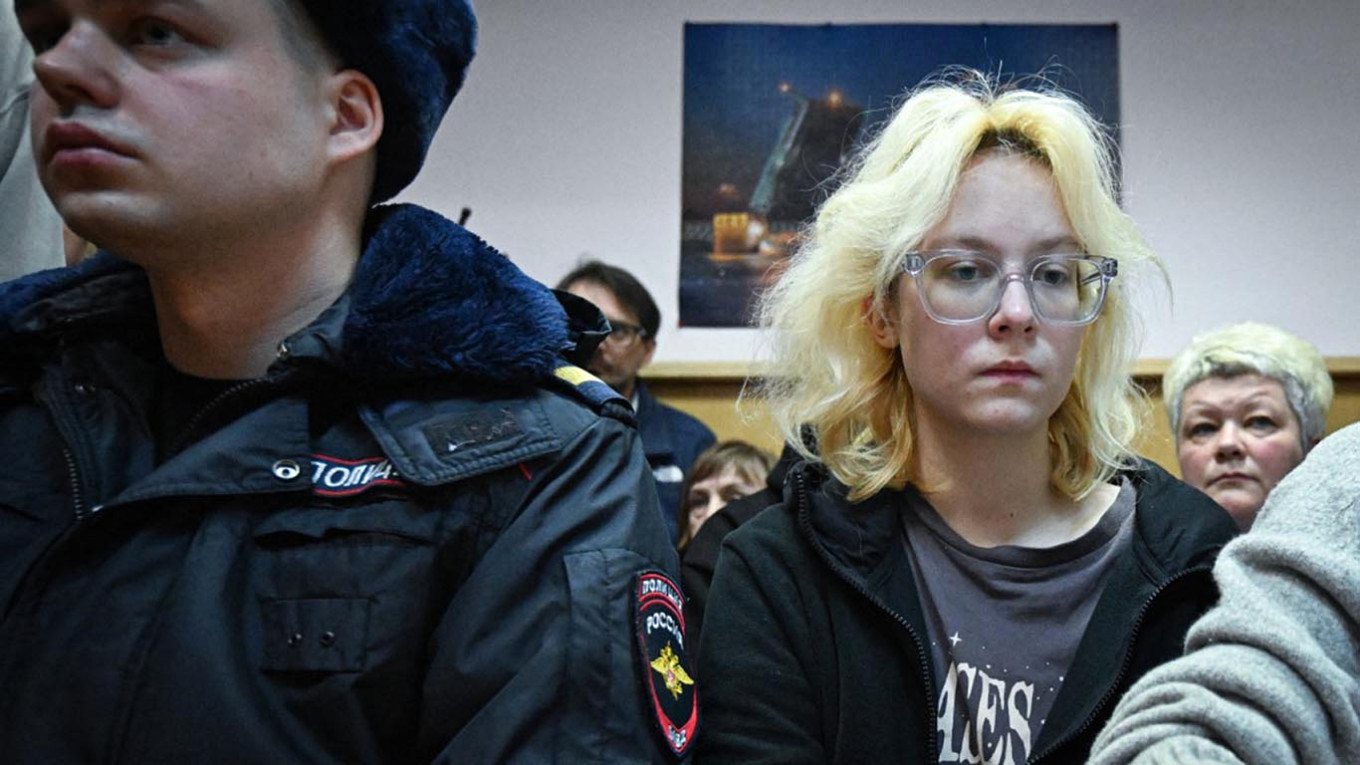
Loginova, 18, and her bandmates were sentenced to detention on administrative charges over their street performances. They would be jailed again upon their release in a practice known as “carousel arrests,” in which authorities impose consecutive short-term detentions rather than pursue criminal charges.
“Carousel arrests are used to keep a person in one place while security services decide his fate and gain extra time,” Dmitry Zair-Bek, the head of the lawyers' association Perviy Otdel, told The Moscow Times in November.
Stoptime’s case resonated with young people across Russia. In Perm, street musician Yekaterina Romanova was sentenced to seven days in detention after helping organize a support concert for the band.
After spending a month in custody, Loginova and Stoptime guitarist Alexander Orlov fled to Armenia in November.
The two made a surprise appearance at rapper Noize MC’s Dec. 21 concert in Vilnius, joining Noize MC and Monetochka on stage to perform songs that had originally landed them in trouble with the authorities.
A Message from The Moscow Times:
Dear readers,
We are facing unprecedented challenges. Russia's Prosecutor General's Office has designated The Moscow Times as an "undesirable" organization, criminalizing our work and putting our staff at risk of prosecution. This follows our earlier unjust labeling as a "foreign agent."
These actions are direct attempts to silence independent journalism in Russia. The authorities claim our work "discredits the decisions of the Russian leadership." We see things differently: we strive to provide accurate, unbiased reporting on Russia.
We, the journalists of The Moscow Times, refuse to be silenced. But to continue our work, we need your help.
Your support, no matter how small, makes a world of difference. If you can, please support us monthly starting from just $2. It's quick to set up, and every contribution makes a significant impact.
By supporting The Moscow Times, you're defending open, independent journalism in the face of repression. Thank you for standing with us.

Remind me later.