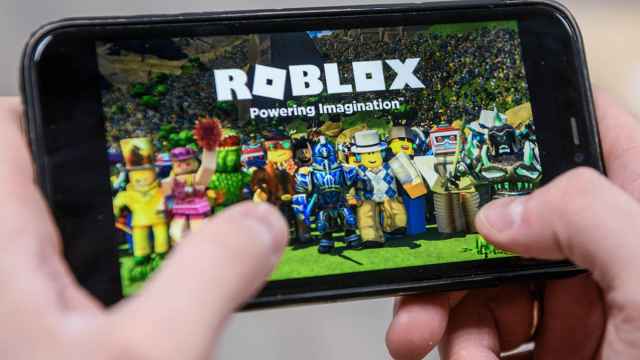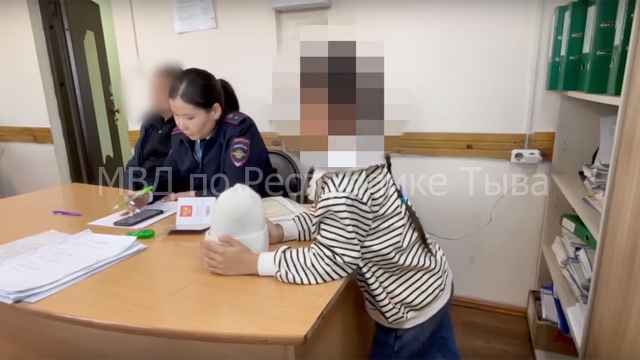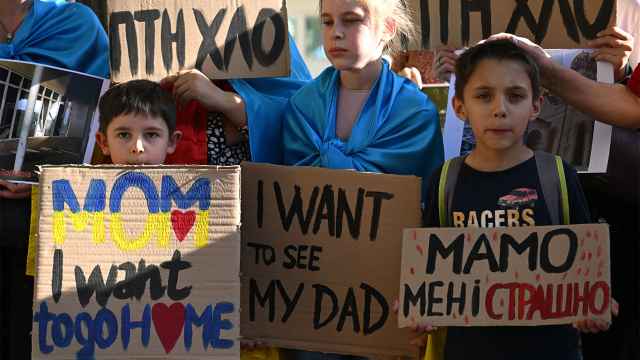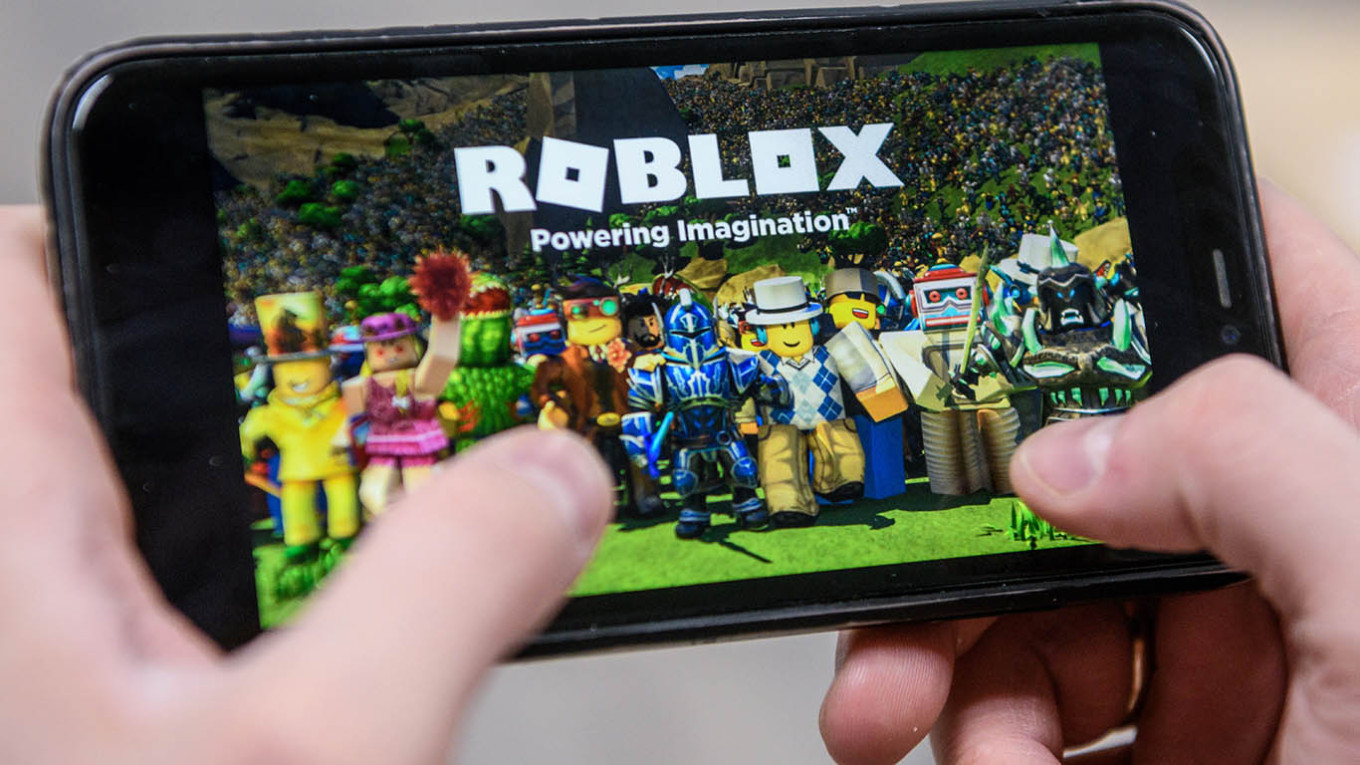
Children in Russia have flooded the Kremlin with complaints about authorities banning the Roblox gaming platform, President Vladimir Putin’s spokesman said Tuesday.
On Dec. 3, Russian media regulator Roskomnadzor confirmed it had blocked access to U.S.-owned Roblox, claiming that it distributes extremist materials and promotes “LGBT propaganda.”
Putin’s press secretary Dmitry Peskov confirmed that the Kremlin has received “many” letters from children on the subject ahead of the end-of-year presidential press conference and televised call-in show on Dec. 19.
He spoke after pro-Kremlin censorship advocate Yekaterina Mizulina said she had received 63,000 letters from children aged eight to 16, half of whom expressed the desire to leave Russia after the Roblox ban.
“They don’t write about leaving [Russia], but they do write about this game,” Peskov told reporters.
In its statement, Roskomnadzor said children on Roblox were “subjected to sexual harassment, tricked into intimate photos and coerced into committing depraved acts and violence.”
The game is rife with “inappropriate content that can negatively impact the spiritual and moral development of children,” the Russian watchdog said.
The Roblox Corporation, the California-based owner of the gaming platform, says it moderates all content through human review and artificial intelligence tools, including to remove “exploitative content.”
Around 100 million people worldwide use Roblox daily, with under-13s accounting for around 40% of its 2024 users, according to the company.
Roblox was the most downloaded mobile game in Russia in 2023.
AFP contributed reporting.
A Message from The Moscow Times:
Dear readers,
We are facing unprecedented challenges. Russia's Prosecutor General's Office has designated The Moscow Times as an "undesirable" organization, criminalizing our work and putting our staff at risk of prosecution. This follows our earlier unjust labeling as a "foreign agent."
These actions are direct attempts to silence independent journalism in Russia. The authorities claim our work "discredits the decisions of the Russian leadership." We see things differently: we strive to provide accurate, unbiased reporting on Russia.
We, the journalists of The Moscow Times, refuse to be silenced. But to continue our work, we need your help.
Your support, no matter how small, makes a world of difference. If you can, please support us monthly starting from just $2. It's quick to set up, and every contribution makes a significant impact.
By supporting The Moscow Times, you're defending open, independent journalism in the face of repression. Thank you for standing with us.

Remind me later.