A Moscow municipal judge has tossed out a class action lawsuit against state media regulator Roskomnadzor and the Digital Development Ministry filed by a group of WhatsApp and Telegram users in Russia.
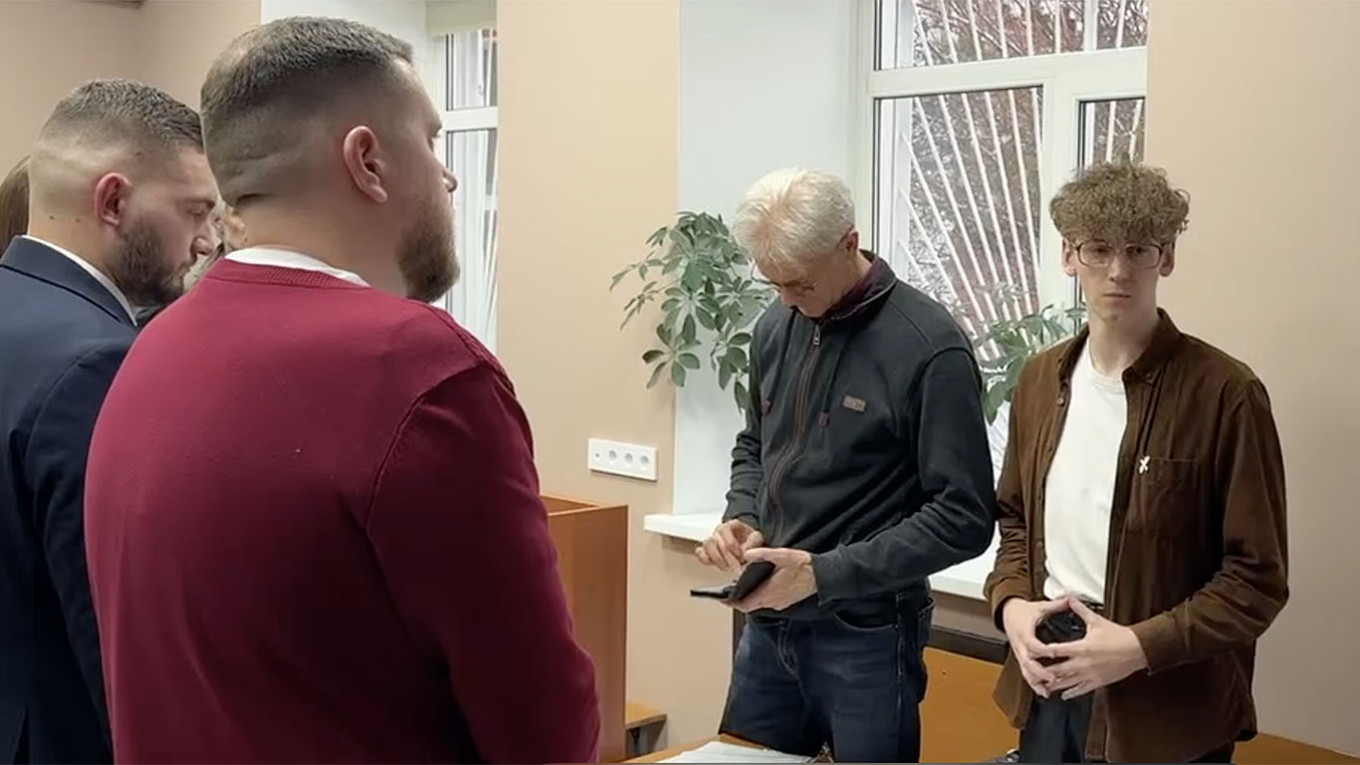
The judge from Moscow’s Tagansky District Court ruled that Kaluga activist Konstantin Larionov had failed to provide evidence that he is “authorized to file a lawsuit to protect the rights of Telegram and WhatsApp owners,” the court’s press service said in a statement on Friday.
Larionov, along with several dozen co-plaintiffs, filed a class action lawsuit against Roskomnadzor and the Digital Development Ministry on Dec. 23, arguing that government restrictions on Telegram and WhatsApp calls violate their constitutional rights, including freedom of information and the secrecy of communications.
Roskomnadzor began blocking voice and video calls on the two messaging apps in August as part of what it described as an anti-fraud initiative, a move both companies criticized.
Larionov said he and his co-plaintiffs plan to continue the lawsuit and appeal the judge’s ruling.
In their lawsuit, the plaintiffs cite Russian Central Bank data showing that mobile phone calls and text messages — rather than messaging apps — remain the primary channels used for fraud.
Larionov, who worked on pro-peace politician Boris Nadezhdin’s presidential election campaign in 2023, has criticized Roskomnadzor’s decision to restrict WhatsApp and Telegram calls as “politically motivated” and described his co-plaintiffs as “ordinary Russian citizens who are tired of not being able to use messaging apps for calls.”
“Of course, I understand the situation activists and politicians face in Russia. I’m simply trying to make this world and our country a little better, with the means at my disposal,” Larionov told the online news outlet Bereg earlier this month.
“Should I sit down and stop doing work that’s beneficial to society? Definitely not,” he said.
A Message from The Moscow Times:
Dear readers,
We are facing unprecedented challenges. Russia's Prosecutor General's Office has designated The Moscow Times as an "undesirable" organization, criminalizing our work and putting our staff at risk of prosecution. This follows our earlier unjust labeling as a "foreign agent."
These actions are direct attempts to silence independent journalism in Russia. The authorities claim our work "discredits the decisions of the Russian leadership." We see things differently: we strive to provide accurate, unbiased reporting on Russia.
We, the journalists of The Moscow Times, refuse to be silenced. But to continue our work, we need your help.
Your support, no matter how small, makes a world of difference. If you can, please support us monthly starting from just $2. It's quick to set up, and every contribution makes a significant impact.
By supporting The Moscow Times, you're defending open, independent journalism in the face of repression. Thank you for standing with us.

Remind me later.