
Hello and welcome to Regions Calling, your guide to developments beyond the Russian capital from The Moscow Times.
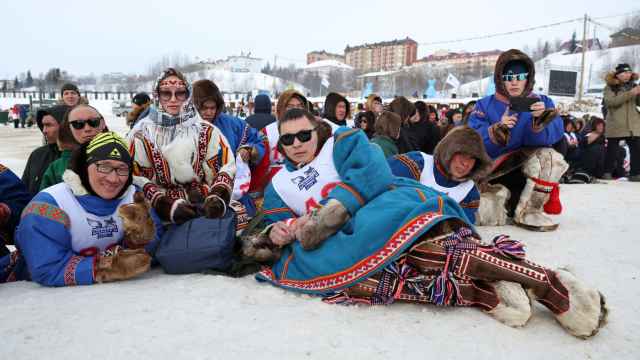
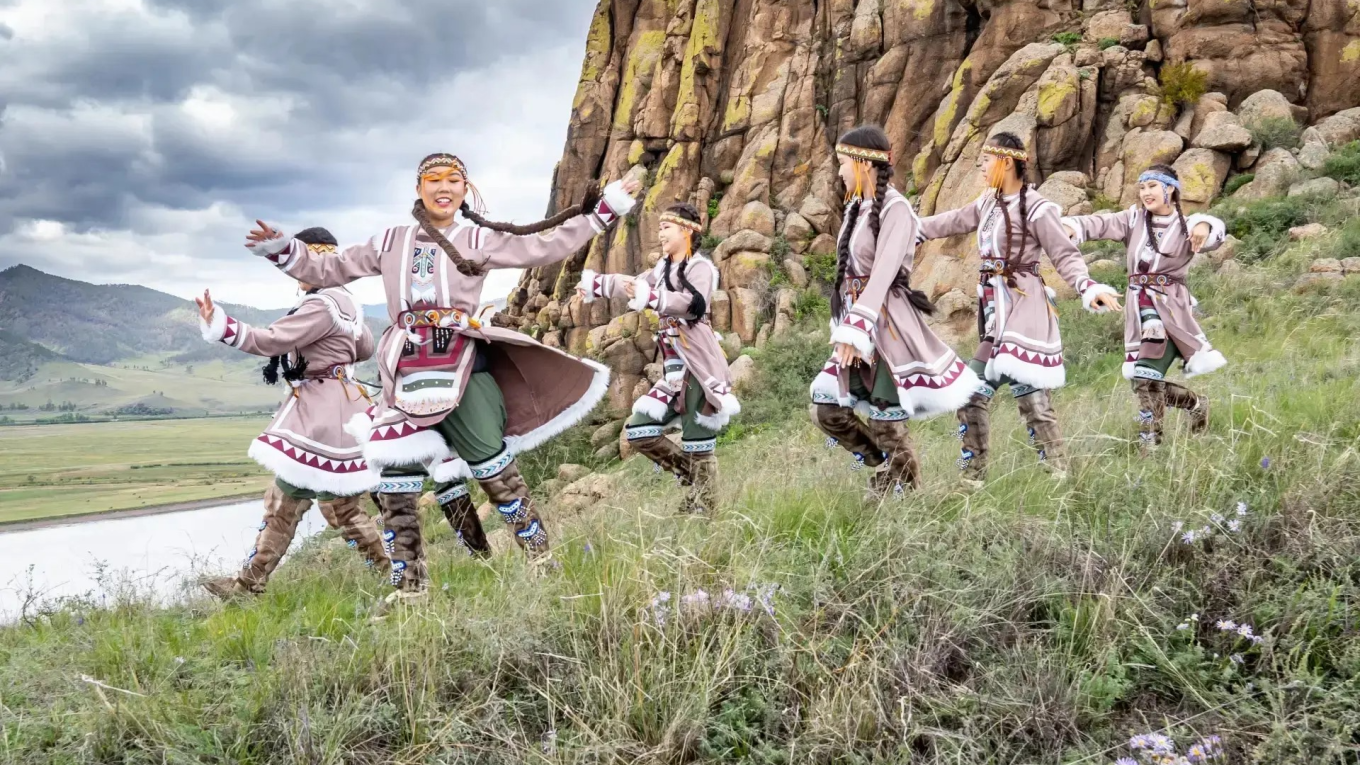
This week’s edition coincides with Russia’s new Day of Indigenous Minority Peoples, which will take place every April 30 starting this year. To mark the occasion, we set out to tackle the tricky question of who is considered “Indigenous” in Russia.
But first, a look at the latest news:
The Headlines
Authorities in the Black Sea port town of Tuapse in the Krasnodar region on Tuesday ordered the evacuation of residents near a Rosneft oil refinery after a Ukrainian attack set fire to the facility for a third time this month.
The repeated Ukrainian strikes on the Tuapse refinery sparked major fires and spilled oil into the surrounding environment, resulting in visible environmental damage that eyewitnesses likened to an apocalyptic movie scene.
Some 2,000 kilometers northeast, the skies of the Perm region were also covered in black smoke on Wednesday after a Ukrainian attack on a local oil facility.
On Thursday, authorities in Perm issued a chemical emergency alert in parts of the region’s capital following a second day of Ukrainian drone strikes, though they later backtracked on the move, claiming the warning was a test.
In the Novosibirsk region in Siberia, senior veterinary official Sergei Tur was found dead under unclear circumstances on Wednesday. Russian media identified Tur as one of the people responsible for the mass culling of livestock that sparked rare farmers' protests in the region last month.
A military court in the republic of Tatarstan on Tuesday sentenced prominent Indigenous rights activist Fazyl Valiakhmetov to six years in prison for violating Russia’s wartime censorship laws. Valiakhmetov, 71, is best known for being a prominent figure in Tatarstan’s sovereignty movement of the 1990s.
Meanwhile, spring sowing in the agricultural heartlands of central and southern Russia, as well as the regions of the Volga area, has been delayed due to unusually cold weather and heavy precipitation.
Deputy Agriculture Minister Andrei Razin said Wednesday that the government has no plans to revise plans for this year’s planting season even though “it's clear that the weather will force some adjustments.”
The Spotlight
Who Is Indigenous in Russia?
Russians on Thursday marked the Day of the Indigenous Minority Peoples of Russia, one of two new holidays catering to Indigenous groups introduced by President Vladimir Putin last year.
A homegrown replacement for the UN’s World's Indigenous Peoples Day marked on Aug. 9, the holiday has been criticized by independent experts and activists for whitewashing Moscow’s systemic russification and erasure of Indigenous identities.
It has also put a spotlight on the Kremlin’s peculiar interpretation of indigeneity that is increasingly clashing with mainstream public narratives.
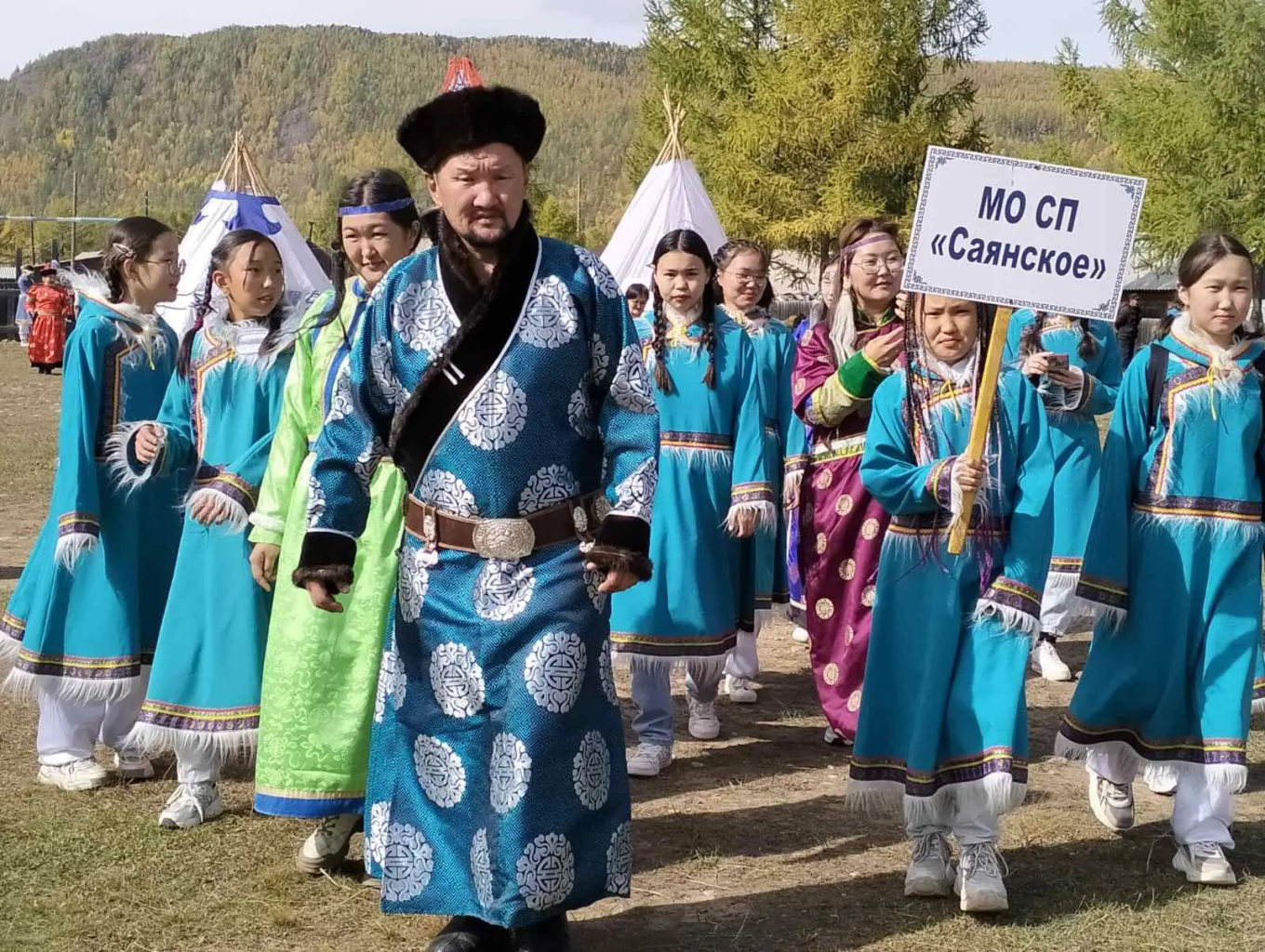
Russia is home to more than 180 ethnic groups, most of whom inhabited the territories they live in today before and during Russian colonization. Though most members of these groups self-identify as “Indigenous,” they are largely denied indigeneity under Russian law.
To make sense of these clashing narratives, The Moscow Times spoke with Dr. Ekaterina Zibrova, an associate researcher at the Wits Center for Diversity Studies at the University of the Witwatersrand in South Africa.
Zibrova is an ethnic Evenk, a Tungusic ethnic group that historically inhabited areas in modern-day Russia, China and Mongolia. Numbering just over 38,000 people, Evenks are one of just 47 ethnic groups recognized as Indigenous by Russia.
This interview has been edited for length and clarity.
MT: In a global perspective, where does Russia stand when it comes to the legal rights of Indigenous peoples?
EZ: Russian law, in this sense, doesn’t differ much from, for example, the U.S., which also did not ratify the International Labor Organization's Indigenous and Tribal Peoples Convention of 1989.
The convention enshrines the rights of Indigenous peoples, including the right to self-identification. This means that anyone who calls themselves Indigenous can use the convention to defend their rights in their own state.
Russia did not ratify the convention and also abstained from voting during debates on the UN Declaration on the Rights of Indigenous Peoples (UNDRIP) in 2007.
A large number of the so-called first-world countries did the same — this is important for the broader context because Russia is not unique in the way it treats Indigenous peoples.
Every state tries to control Indigenous peoples because they live on the land, and that land often has natural resources, or it is needed for construction, and so on. To control resources, the state needs to control the Indigenous population.
MT: Which groups are considered ‘Indigenous’ under Russian law?
Russia has three key legal documents with very specific criteria that determine who can be called ‘Indigenous.’ Living in a particular territory and maintaining a ‘traditional way of life’ are central to determining indigeneity in the Russian context.
This, of course, opens the way to multiple questions, because the law doesn’t specify what ‘traditional way of life’ is. Does it mean making embroidery decorations? Does it mean reindeer herding? Does it mean hunting or fishing? But a lot of people across Russia do those things!
It is also important to reference the fact that the Soviet project for modernizing Indigenous people completely destroyed their traditional way of life. … By the late 1940s, nearly 95% of Indigenous people [in the Soviet Union] were subjected to forced sedentarization.
Another key criterion — which differs from any other law in the world — is a population size cap of 50,000 people.
So if an ethnic group lives in a certain territory, leads a traditional way of life and its population doesn't exceed 50,000, then it's considered Indigenous.
MT: But what about the dozens of other ethnic groups in Russia who number more than 50,000 and still call themselves ‘Indigenous’?
You mean, like you, a Tatar?
MT: Yes, exactly. There are around 5 million Tatars in Russia, so they certainly don’t fit the ‘Indigenous’ criteria mentioned above…
To explain that, I need to go back to the beginning of our conversation, to the fact that every legislature on Indigenous peoples in the world, including the one in Russia, was made to control and regulate different populations living on the territory that country claims as its own.
The state needs to control the land to capitalize on it.
Indigenous groups not recognized by Russia account for roughly 12% of Russia’s population, while those recognized are between 0.6% to 1%. Together, they live on around 20% of Russia’s territory, which also has major natural resource deposits.
If Russia were to recognize that 12% as Indigenous, these people would gain stronger legal grounds to demand restricted access or resource control based on Indigenous rights. In this case, Russia’s own criteria of indigeneity would work against the state.
So my main explanation for why there are recognized and unrecognized Indigenous groups is that it's a prerequisite for maintaining control over territories. Specifically, control over access to land and access to resources.
MT: What do these legal differences mean for ‘recognized’ and ‘unrecognized’ Indigenous people of Russia when it comes to advocacy work on the international stage?
I think it doesn’t really change much because people who identify themselves as Indigenous are equally represented. … In fact, I would even say that Indigenous people who are not recognized as such by Russian legislation have more political representation at the moment.
I see that Indigenous people unrecognized by Russia articulate and express themselves louder.
The UN became the key stage where Indigenous people articulate their political demands — that is, Indigenous peoples officially recognized by member states. If you don't participate in this space, you lose your legitimacy.
Now I see that the UN also gives the stage to Indigenous people unrecognized by Russia.
MT: Would you then say we are seeing a radical political transformation when it comes to the recognition of different Indigenous groups from Russia globally?
The fact that the UN platform gives unrecognized Indigenous people the opportunity to speak on its platforms does not mean that any real changes are taking place.
It’s just that the UN — and other political unions, like PACE for example — cannot fail to notice [the growing presence of these Indigenous actors].
I would call what is happening a co-opting and appropriation of visibility by the different political platforms across the globe.
Photo of the Week
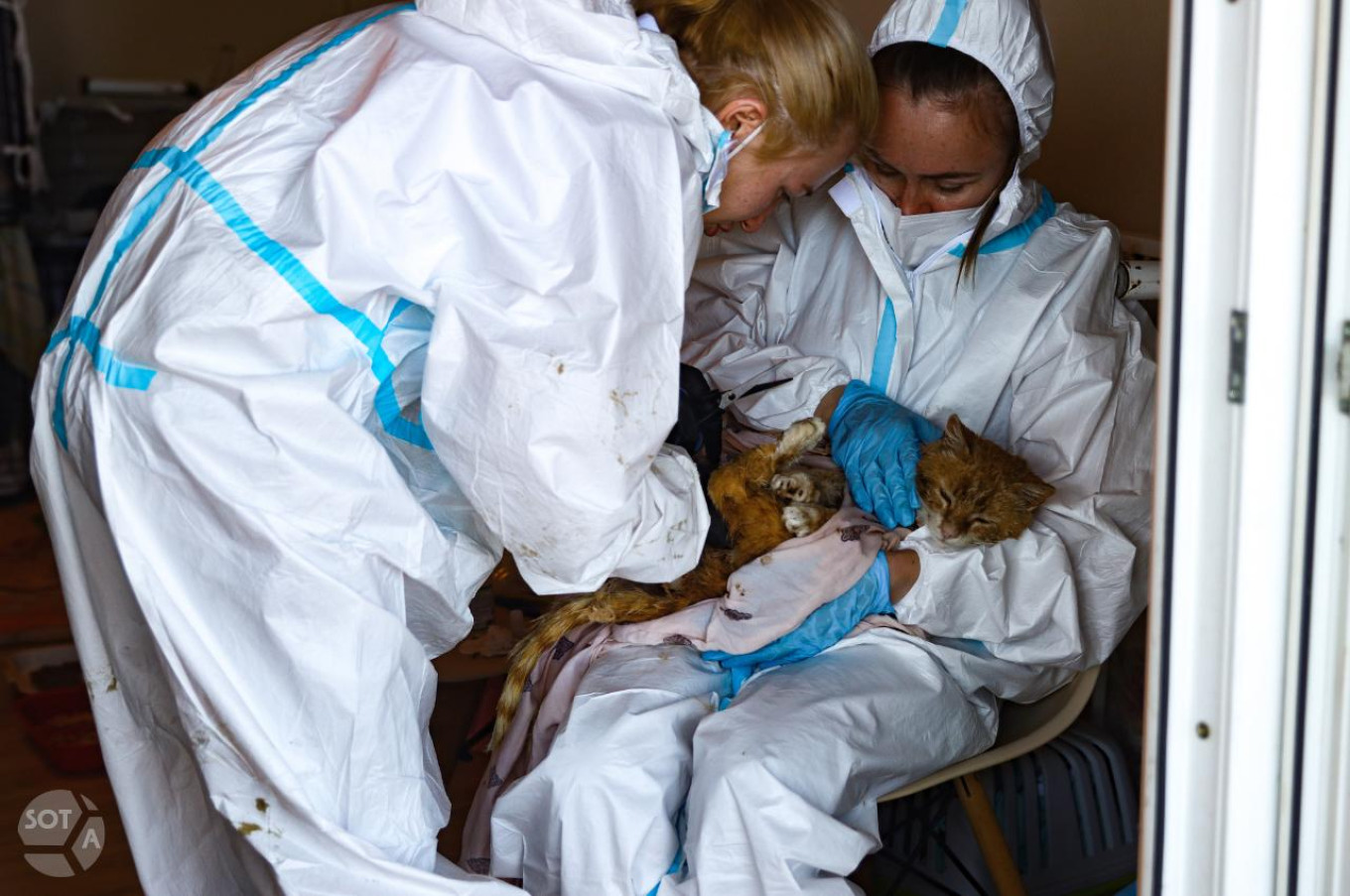
Volunteers at a makeshift clean-up center for stray animals in Tuapse are seen cleaning oil stains off a cat.
To get rid of contaminated fur, stray animals delivered to the center are washed, combed and groomed. After the initial treatment, some animals are sent to veterinary clinics across the Krasnodar region, including the regional capital of the same name.
Culture & Entertainment
- Localie Hub in Amsterdam will host a Q&A with exiled Russian theater director Kirill Serebrennikov on May 3 (in Russian). More information and tickets here.
- Schauspielhaus theater in Vienna will hold a reading of letters from Russian political prisoners on May 4. More information is available here.
- Defne, a popular pop act from the republic of Tatarstan, will play a one-off concert at the Privatclub in Berlin on May 15. For details, see here.
- "Regions Calling: Kremlin’s New Holidays Offer a Hollow Embrace of Indigenous Peoples, Activists Say" by Leyla Latypova
- "Russia’s New Law Redefines Which Languages Can Exist in Public Space" by Khandama Tudebei
- "Russia's Opposition Is Leaving Indigenous People Behind. We Will Not Remain Silent" by Viktoria Maladaeva"
- “Russia’s New Indigenous Policy Enables Unchecked Resource Exploitation, Experts Warn” by Leyla Latypova
A Message from The Moscow Times:
Dear readers,
We are facing unprecedented challenges. Russia's Prosecutor General's Office has designated The Moscow Times as an "undesirable" organization, criminalizing our work and putting our staff at risk of prosecution. This follows our earlier unjust labeling as a "foreign agent."
These actions are direct attempts to silence independent journalism in Russia. The authorities claim our work "discredits the decisions of the Russian leadership." We see things differently: we strive to provide accurate, unbiased reporting on Russia.
We, the journalists of The Moscow Times, refuse to be silenced. But to continue our work, we need your help.
Your support, no matter how small, makes a world of difference. If you can, please support us monthly starting from just $2. It's quick to set up, and every contribution makes a significant impact.
By supporting The Moscow Times, you're defending open, independent journalism in the face of repression. Thank you for standing with us.

Remind me later.