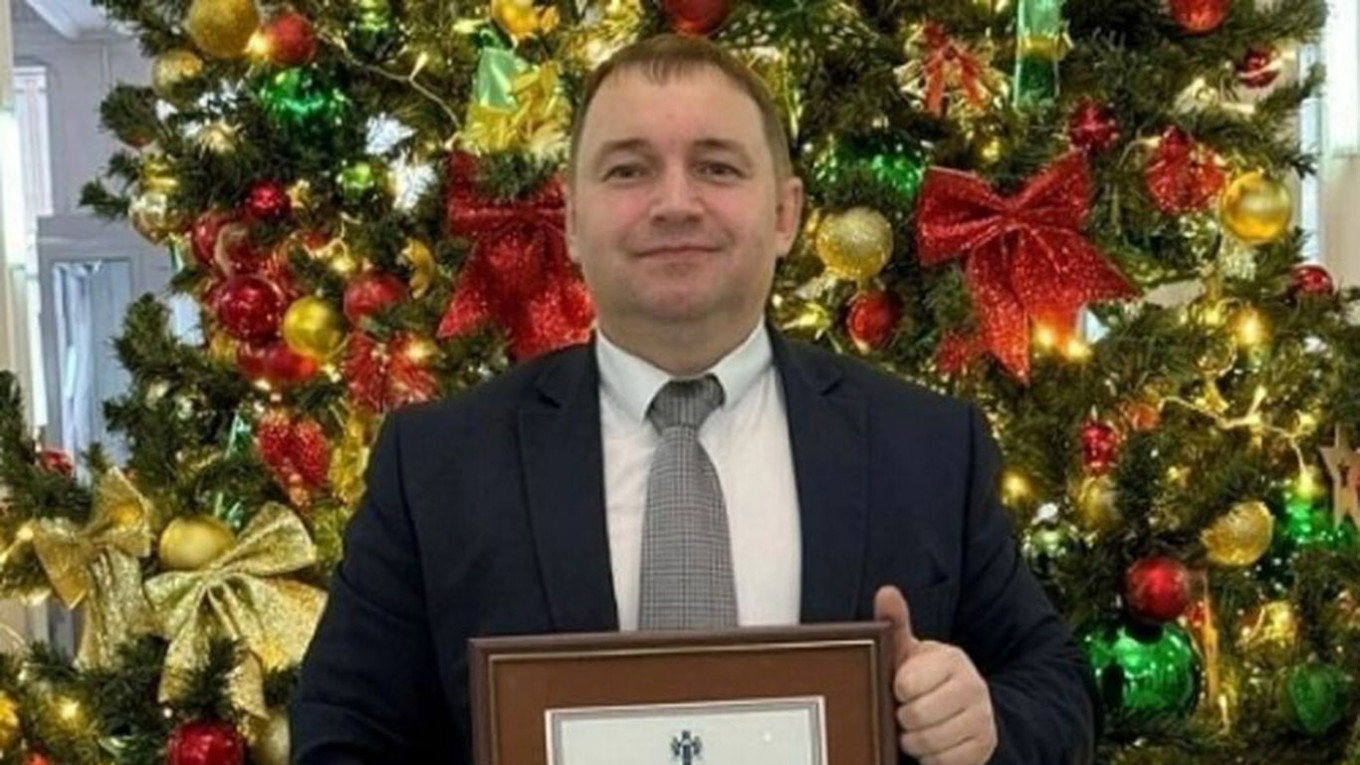
A senior veterinary official in the Novosibirsk region was found dead under unclear circumstances, the Interfax news agency reported Wednesday, coming weeks after government-enforced mass cattle culls triggered rare protests by farmers.
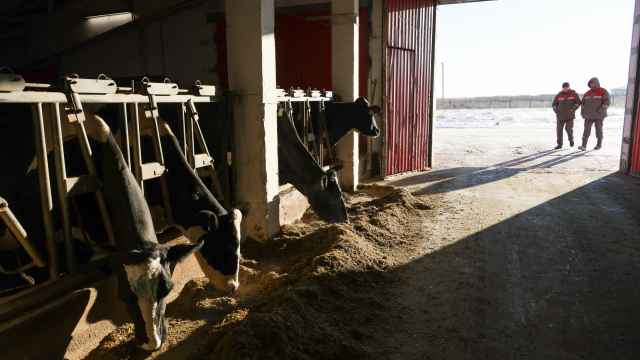
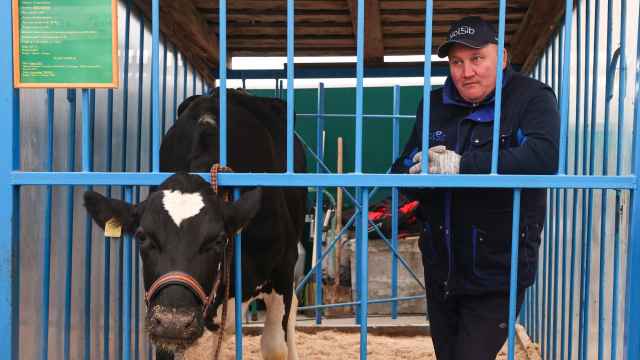
Sergei Tur, who headed the regional veterinary agency’s department for animal disease control, was reportedly responsible for organizing the quarantines and culling of livestock on farms affected by a recent cattle disease outbreak, which led to an estimated $3 million in losses.
While Russian officials attributed the cull to rabies and an “unusual mutated form” of pasteurellosis, the scale of the cull raised suspicion. Farmers have questioned why entire herds were destroyed rather than quarantined, as pasteurellosis is typically treatable with antibiotics.
Regional health officials confirmed Tur’s death at age 43 in comments to Interfax. They directed all other questions to law enforcement.
Police told Interfax that an invesitgation into Tur’s death is was underway.
Two news outlets in Novosibirsk, citing anonymous sources, reported that Tur was found in his car with gunshot wounds, prompting investigators to suspect suicide as the cause of death.
Yet a third outlet, citing his wife, Yelena, reported that he had died as a result of heart failure on Tuesday after taking sick leave from work.
“He passed away yesterday, his heart gave out,” she was quoted as saying. “It’s directly related to his work, which was a huge mental and physical strain.”
Last week, Novosibirsk region Governor Andrei Travnikov fired the regional agriculture minister over “low veterinary safety” and the rare entry of “dangerous animal diseases” into the Siberian region.
The U.S. Department of Agriculture’s foreign service suggested the recent culls in Russia may actually be a response to an unconfirmed outbreak of foot-and-mouth disease, a highly contagious and often fatal virus. That theory gained traction after Kazakhstan banned imports of Russian meat and livestock.
A Message from The Moscow Times:
Dear readers,
We are facing unprecedented challenges. Russia's Prosecutor General's Office has designated The Moscow Times as an "undesirable" organization, criminalizing our work and putting our staff at risk of prosecution. This follows our earlier unjust labeling as a "foreign agent."
These actions are direct attempts to silence independent journalism in Russia. The authorities claim our work "discredits the decisions of the Russian leadership." We see things differently: we strive to provide accurate, unbiased reporting on Russia.
We, the journalists of The Moscow Times, refuse to be silenced. But to continue our work, we need your help.
Your support, no matter how small, makes a world of difference. If you can, please support us monthly starting from just $2. It's quick to set up, and every contribution makes a significant impact.
By supporting The Moscow Times, you're defending open, independent journalism in the face of repression. Thank you for standing with us.

Remind me later.