
Dear readers,
Last week’s edition of Regions Calling dedicated to the plight of Siberia’s farmers was one of the most-read in the project’s history.
To keep you up to date on this still-developing story that has gripped the attention of millions of people in Russia and beyond, we are bringing you a special edition of the newsletter with fresh updates, analysis and a look at what might happen next.
‘We Are No Heroes’: Siberian Farmers Abandon Livestock Standoff as Fears of Needless Culling Spread
On Tuesday afternoon, onlookers flocked to Daria Mironenko’s home in the Siberian village of Kozikha to watch animal control teams enter her parents’ small farm.
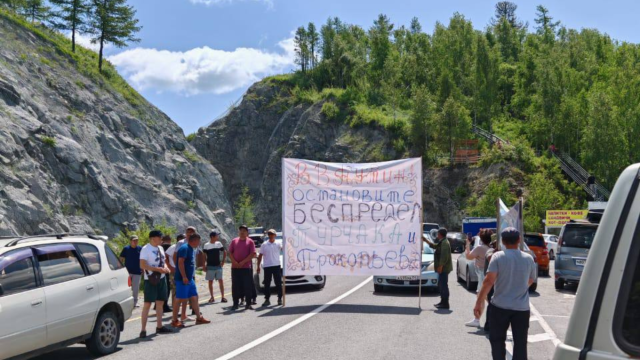
For over two weeks, Mironenko has been meticulously documenting fellow villagers' standoff against a government-enforced mass culling of livestock.
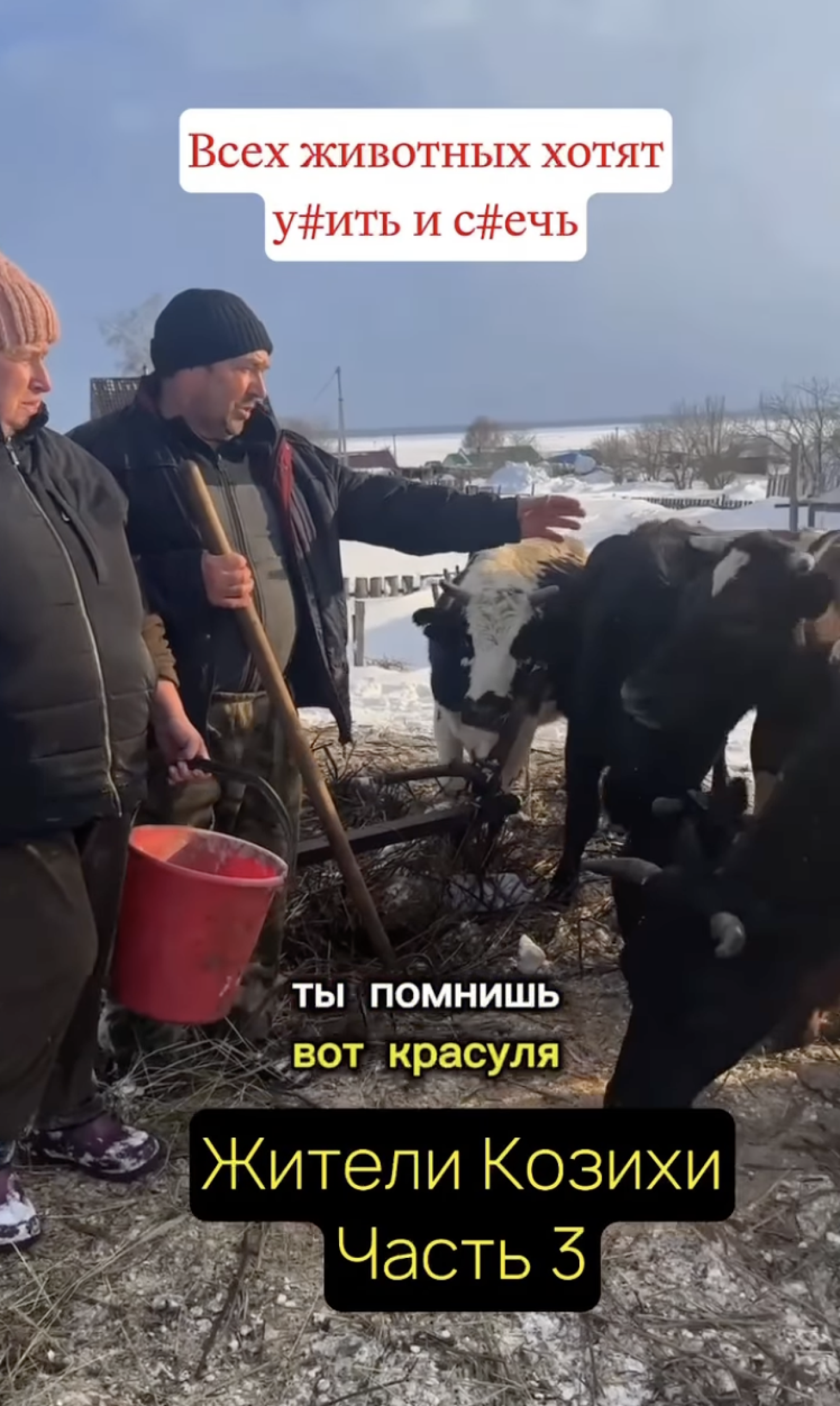
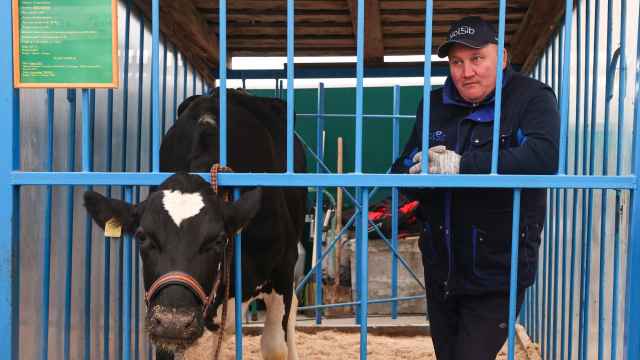
Their livelihoods dependent on small, family-run farms, Kozikha’s residents fought to save thousands of cows from being killed over vaguely defined disease control measures.
Mironenko’s Telegram and Instagram blogs helped turn their stories into national headlines and draw vocal supporters among Russian celebrities and bloggers with millions of followers.
But by Monday, her herd was the last one standing as households relented to the authorities’ threats to withhold state compensation for their lost animals.
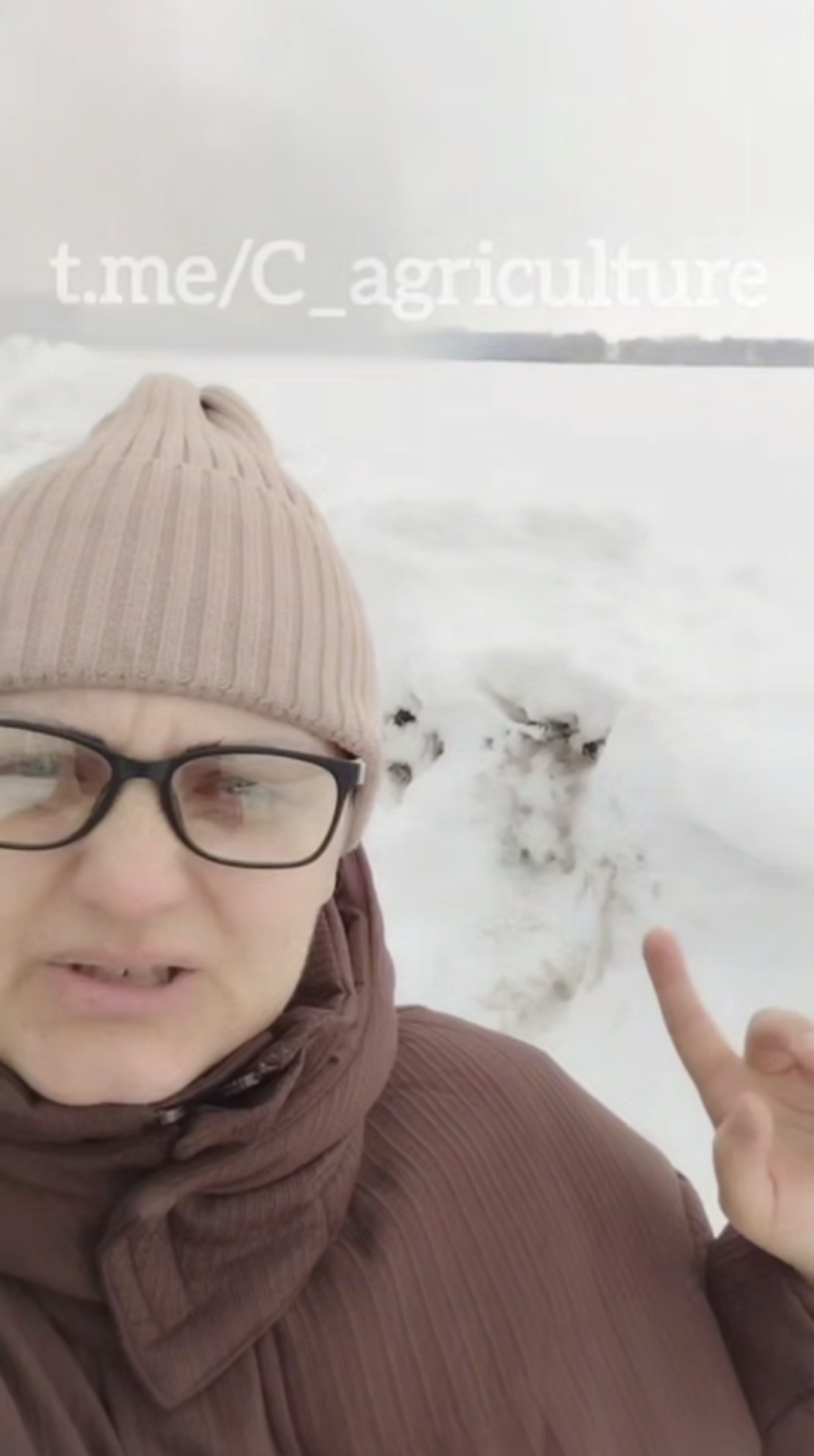
“Kozikha is done. My parents also gave up,” Mironenko said in a video on Tuesday. “We are no heroes. We are ordinary people who couldn’t.”
Mironenko implied that the family abandoned their efforts to save their cows after several politicians and lawyers who supported them concluded that the animals could not be saved.
Kozikha is one of dozens of villages in the Novosibirsk region where quarantine measures were introduced this month.
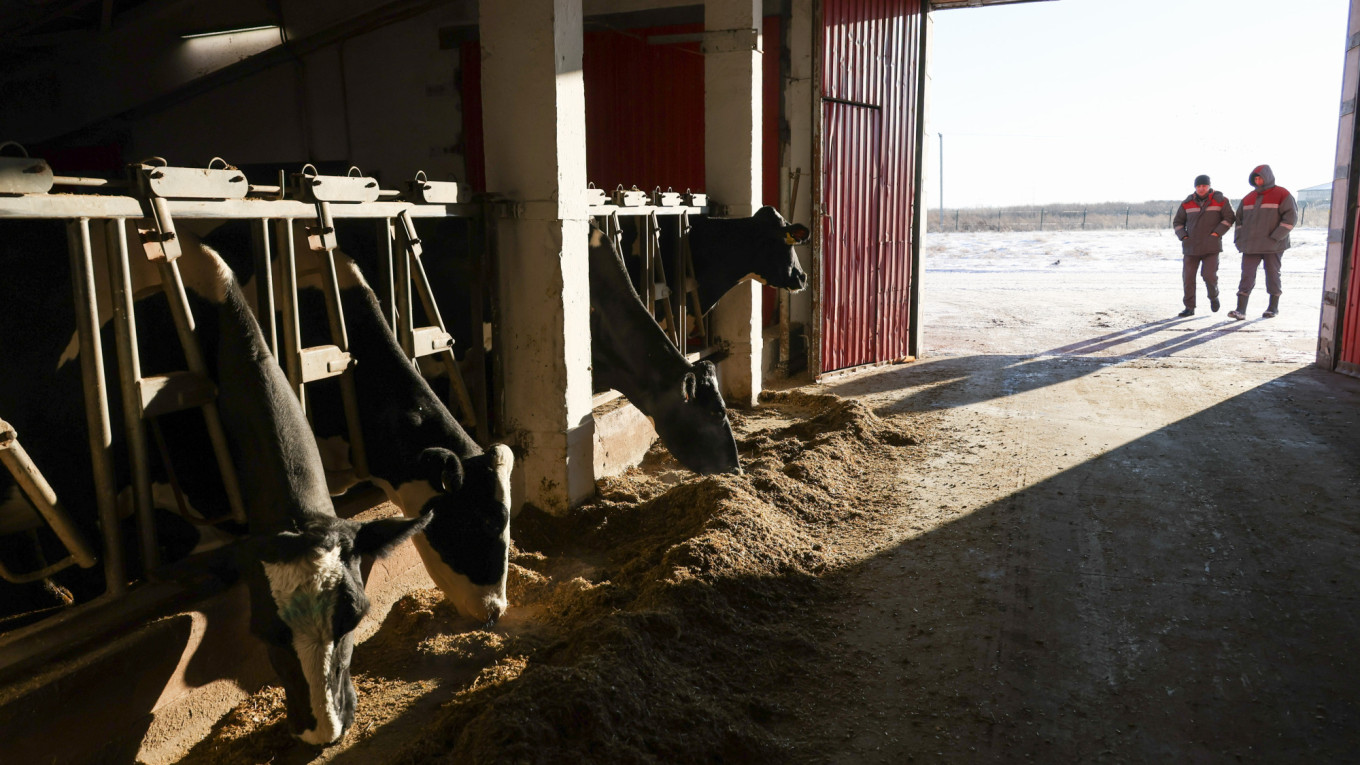
Authorities have not yet confirmed how many animals were culled in the Novosibirsk region, but the number is believed to be in the thousands — costing farmers millions of dollars in losses.
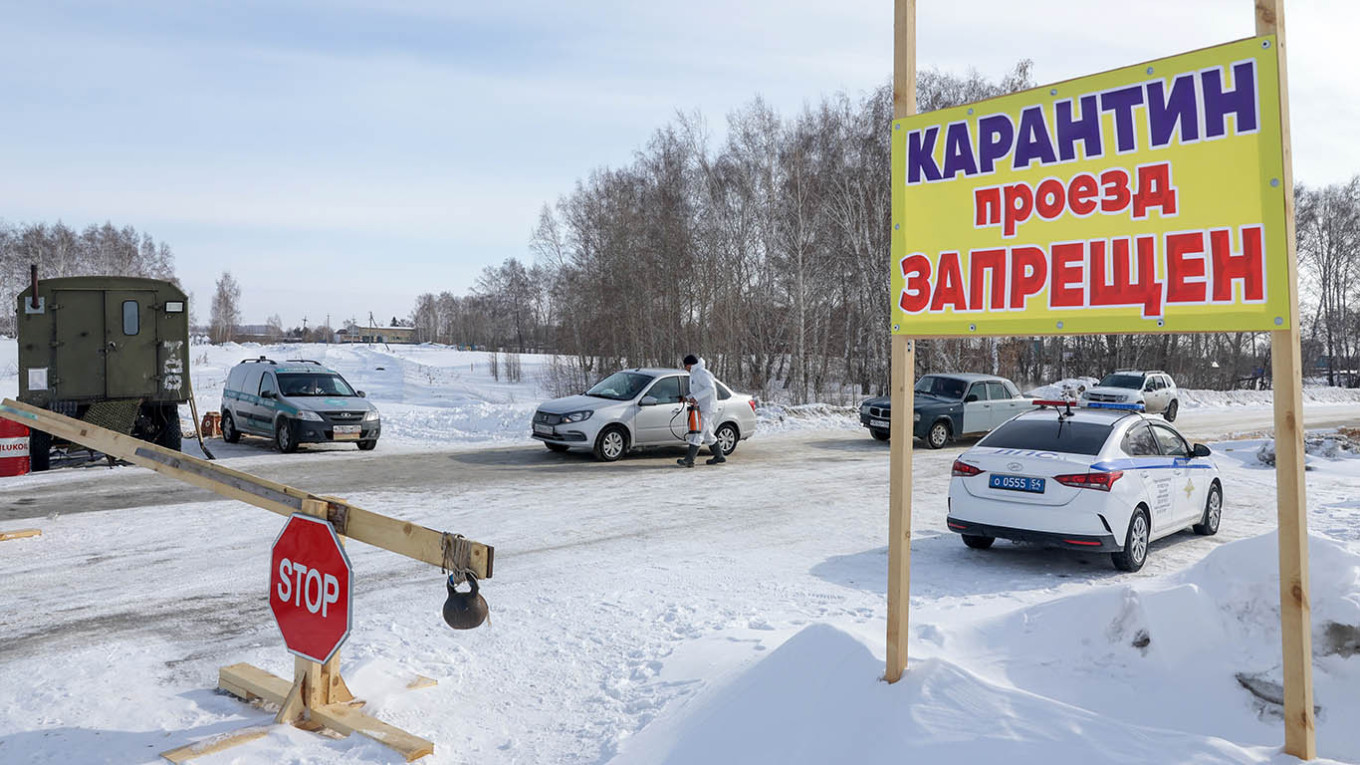
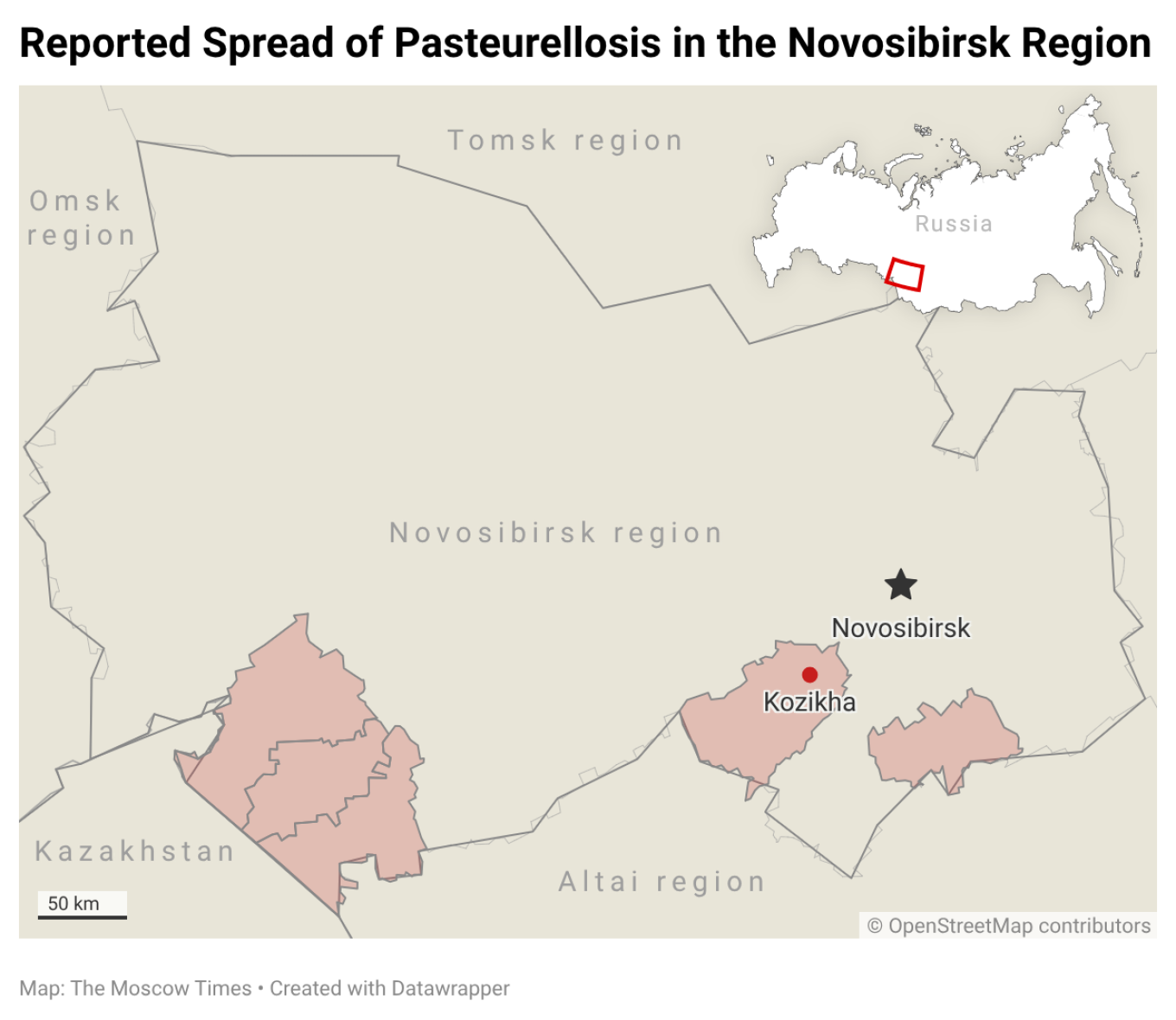
Officials said 42 settlements across the region have been affected by a rabies outbreak, while an epidemic of pasteurellosis has been identified in five districts, including Ordynsky, where Kozikha is located.
Shortly after the Mironenko family’s herd was culled on Tuesday, regional officials said “the removal of potentially infected animals” had been “completed” in a statement cited by state-run news agencies.
"No new cases of pasteurellosis in animals have been recorded in the region for 19 days,” they added.
While rabies containment requires all infected livestock and animals that were exposed to them to be killed, pasteurellosis is a bacterial infection that can be treated with antibiotics. That means animals that contract it can be quarantined instead of slaughtered.
Authorities said the outbreak in the Novosibirsk region was caused by “an unusual mutated form” of pasteurellosis. Yet farmers in the affected areas insist that animal control squads have not administered any tests before euthanizing visibly healthy animals.
The reported use of suxamethonium chloride, a paralytic causing death from suffocation, for euthanization was also condemned by animal rights advocates and veterinarians as gravely inhumane.
Confusion, secrecy and officials’ silence have, in turn, created a stream of conspiracy theories about the reasons for the mass cull.
“Without commenting on the veracity of these rumors, one has to note that people will usually assume the continuation of trends that they have experienced before,” said András Tóth-Czifra, an expert on Russia's domestic politics and political economy.
“In this case, [these trends are] the violent asset redistribution triggered by the war [and] the bifurcation of several sectors to well-connected and heavily supported major players,” Tóth-Czifra told The Moscow Times, referring to the widespread rumor that meat giant Miratorg had lobbied for the culling in hopes of bankrupting small family-run farms.
The estimated losses of Novosibirsk region farmers whose livestock was culled due to quarantine measures stood at over 236 million rubles ($2.9 million) as of last week.
The regional government has already allocated 200 million rubles ($2 million) for compensation payments, further straining a budget that hit a deficit of almost 20% of its own revenues last year.
“Recently, the regional government announced a revision of the 2026 budget adopted only a couple of months ago, but already facing a ballooning deficit and growing debt,” Tóth-Czifra said, warning that further cuts could be needed “to ramp up payments” for the farmers.
Novosibirsk is not the only Russian region to face a mass culling under the auspices of disease control this year. Similar cases have been reported in the neighboring Altai region, the central Nizhny Novgorod region and the republic of Chuvashia, among others.
Animal farmers in Altai have been hit the hardest, with losses totaling more than 1 billion rubles ($12 million) as of last week.
But no one in Altai protested the killings of their livestock.
“We are seeing patterns we have seen before: protests are localized, the issue is not,” said Tóth-Czifra. “The authorities seem to have the repressive tools to keep the protests contained for now. Whether or not they are able and willing to allocate the money to solve the issue conclusively remains a question.”
Elsewhere in Russia’s regions, many farmers following the events in Novosibirsk fear a similar fate for their livestock.
“There is an atmosphere of anxious anticipation in Yakutia right now,” said Sargylana Kondakova, co-founder of the Free Yakutia Foundation, a leading Indigenous rights group in the republic of Sakha (Yakutia).
“People’s moods are mixed: some are preparing [to defend their livestock], others don’t believe something like this could happen in the republic,” said Kondakova.
Almost half of Sakha, Russia’s largest region, lies above the Arctic Circle. Many of its settlements are geographically isolated, while its location means it can see wild swings in temperature.
If its farmers lose their animals — their life’s work — activists warn that it will be nearly impossible for them to find a new way to earn a living.
“Livestock is food, a source of income and social status, but moreover, it is a cultural tradition,” Kondakova told The Moscow Times. “Mass culling would raise existential questions.”
A Message from The Moscow Times:
Dear readers,
We are facing unprecedented challenges. Russia's Prosecutor General's Office has designated The Moscow Times as an "undesirable" organization, criminalizing our work and putting our staff at risk of prosecution. This follows our earlier unjust labeling as a "foreign agent."
These actions are direct attempts to silence independent journalism in Russia. The authorities claim our work "discredits the decisions of the Russian leadership." We see things differently: we strive to provide accurate, unbiased reporting on Russia.
We, the journalists of The Moscow Times, refuse to be silenced. But to continue our work, we need your help.
Your support, no matter how small, makes a world of difference. If you can, please support us monthly starting from just $2. It's quick to set up, and every contribution makes a significant impact.
By supporting The Moscow Times, you're defending open, independent journalism in the face of repression. Thank you for standing with us.

Remind me later.