A number of recent polls from Russia have provided good headlines and academic discussion about the public mood inside the country. Some show President Vladimir Putin’s popularity to be sagging and systemic opposition parties gaining traction ahead of the State Duma elections in September. Similar data shows that the percentage of Russians who back the war is declining, while the share of those supporting peace negotiations is growing.
However, the polls and headlines are misleading. They tell us little about Russian public opinion, never mind what preoccupies the average person’s mind on a daily basis.
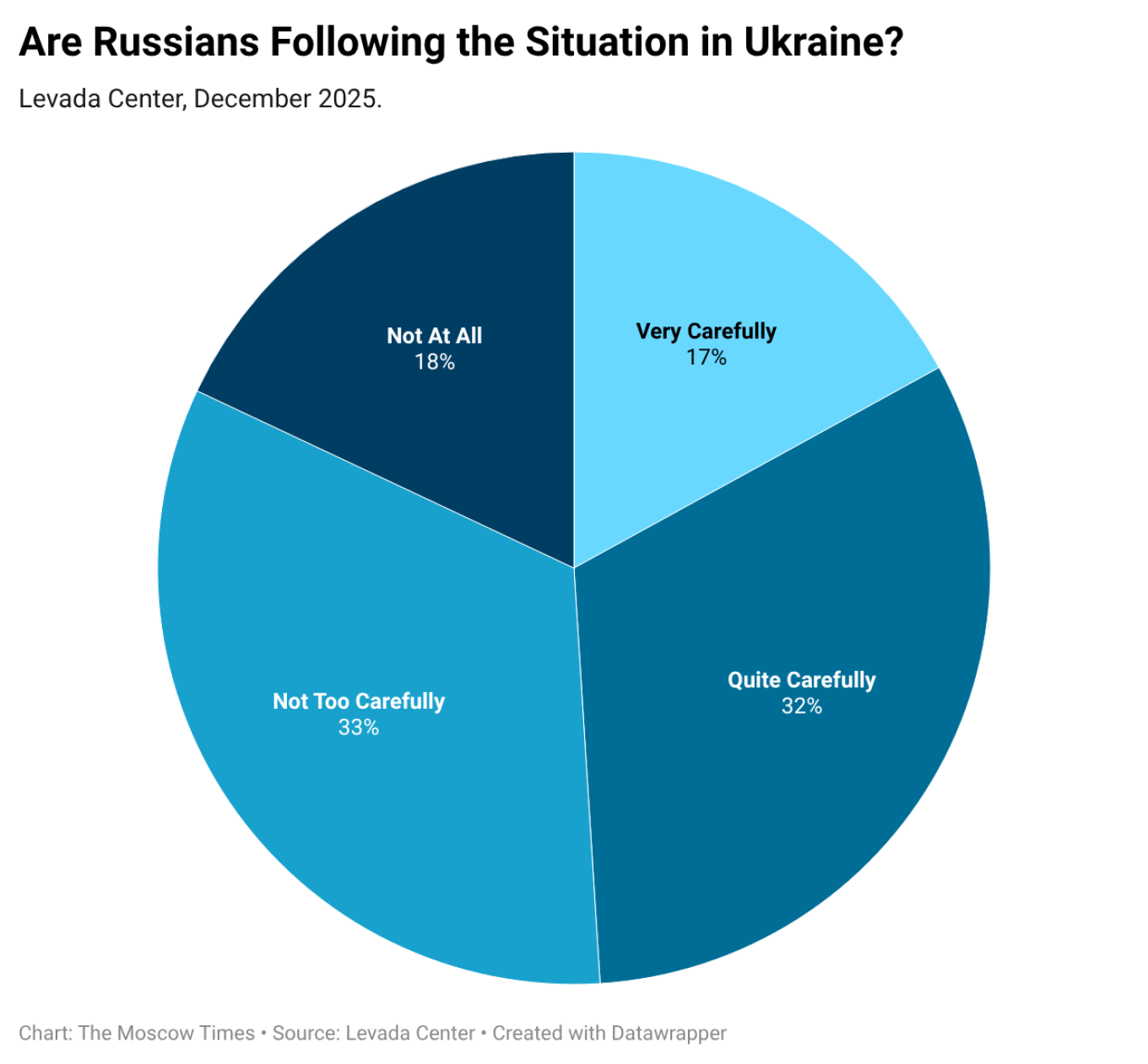
For starters, the Levada Center poll, which showed a decline in support for the war, also revealed that 18% aren’t following it at all, while many others pay little attention. If accurate, that means half the country’s attention is firmly elsewhere.
That begs an obvious question nobody has thought to ask: if half of Russians aren't following the war, what are they focused on and talking about?
The upcoming State Duma elections aren’t the talk of any town, even though the internet shutdowns have been the talk of the dinner table. But again, it’s not that simple. Yes, there is growing discontent visible online — with inflation, public services and Putin personally. United Russia’s popularity is also up there with toenail fungus.
None of this, though, has much bearing on who will vote, the results or what happens in my electoral district tomorrow. The approval ratings of the center-right New People party and Putin aren’t indicative of a revolution happening next Thursday or an end to the fighting.
In this sense, those of us still in Russia have an advantage over polls that every outside expert says should be treated with a pinch of salt (even if they regularly cite them). We see Russians as they are and have access to the special sauce that is overheard conversations and small talk in the building’s courtyard, WhatsApp chats or at the bus stop. We observe things in real time, walk around our cities, notice peculiarities and pick up certain vibes that polling and experts who never visited anyway just can’t capture.
Russia has an obsession with online shopping. People are always comparing deals on the different apps and expecting a delivery soon, or watching three-hour-long shopping blogs.
Online trends are picking up in the blogosphere. Six-seven finally caught on — and the elders don’t get it. Perhaps Russia is less cut off than you think?
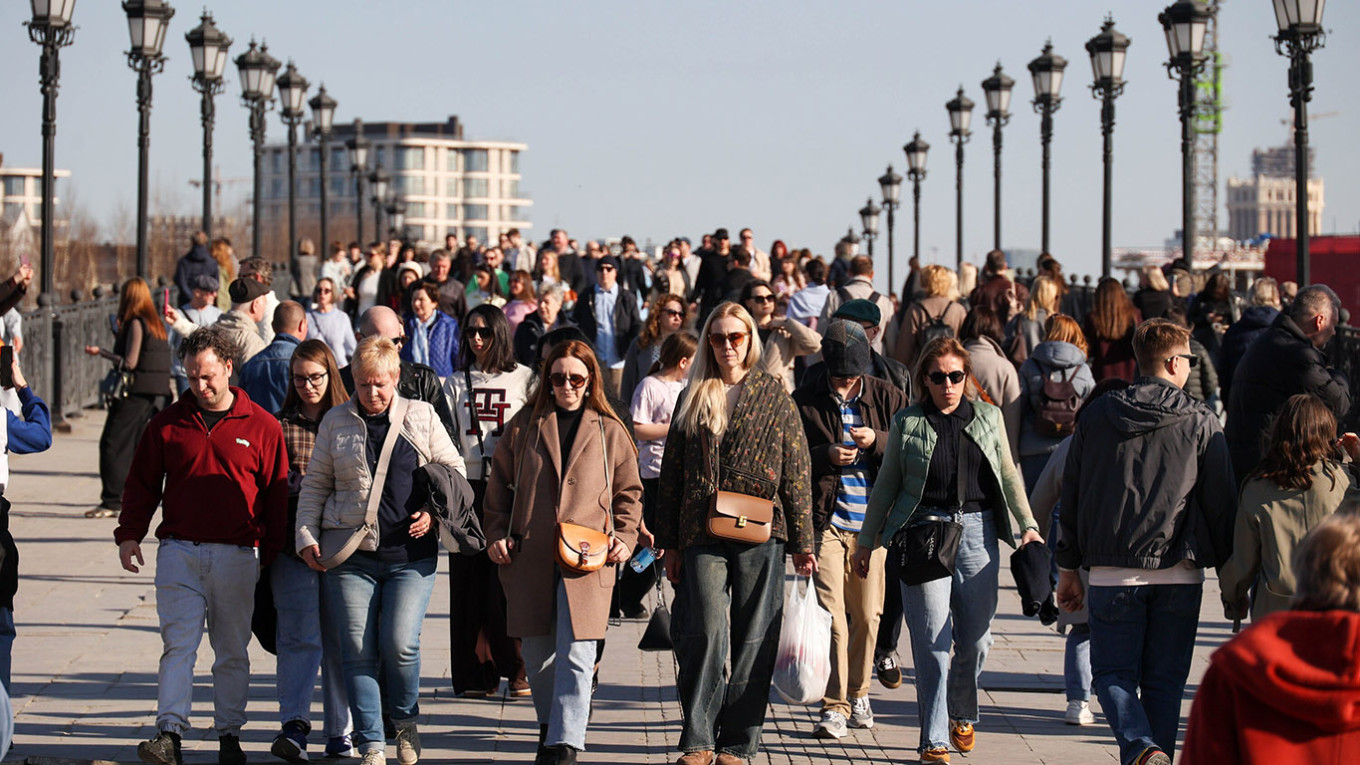
Summer is here, and every city center is full of youngsters walking, taking selfies and filming content. Listen more closely to those walking the boulevards and parks, and one remembers that state exams are well underway. Which university should they or their kids go to? How can a place at a good institution be secured, if not via good grades? There’s plenty of work available, but is it worth doing?
Among the pine trees, a slightly longer winter led to the dacha season starting later than usual. People feel behind on planting, not to mention the never-ending repairs. Moscow feels far away.
Traveling abroad is more expensive again. Bishkek is as costly as flying to Istanbul, as it’s increasingly popular. Travel companies are offering new and interesting packages to places you wouldn’t expect, like Oman. A friend recently went because “maybe it will be interesting.”
Lots have booked staycations and weekend day trips. The ring of estates around Moscow is growing in popularity, as is the Golden Ring and “rest houses,” wooden cabins or chalet-type accommodation in holiday parks, situated in the middle of nowhere, beside a lake or river, often attached to a sanatorium.
You hear lively discussions about different parts of Russia. Many Russians haven’t traveled their country too widely. It’s fairly big, after all. But these conversations are reminiscent of days before the internet, when people listened attentively to their peers and openly speculated without Google’s help.
Many couples want mortgages and put their government payouts for having children towards a down payment. But they can only afford something at the end of the longest metro line, too far from work. It would be cheaper to live in the wider Moscow region, as a few hundred thousand extra rubles are needed for renovations anyway.
New restaurants, cafes and bars always seem to be opening. Their predecessors could no longer afford the overheads. Inside, your usual gossip persists. The food is no longer canteen style, but trendy small plates. You hear complaints about VPNs not working and the internet slowing down. The young lady at the table across swears loudly when an Instagram video doesn’t load. She gets over it quickly.
The economic pinch is felt, but no different from their Western contemporaries. Basic utilities are up, as is medicine. It’s normal for a beer to cost around 500 rubles ($7) now, and wine 900 ($12.70). In the shopping malls, 2,500 rubles ($35) for a shirt is reasonable if you like dreadful Chinese quality. But people are spending — just more on Wildberries while forgoing the third drink at a bar.
Of course, in the privacy of one’s kitchen, things are different. People open up more and it becomes apparent which dreams are on hold. Travel is one topic that gets raised when the war comes up in conversation, but only in passing. Many are concerned that their flights might be canceled due to drones or missiles. Even then, most shrug, having accepted their new reality.
It is common to hear people asking when this reality will finally be over. Some fear there is no future to look forward to and that dragging the war out will inevitably make things worse. But as a relatively comfortable normality continues, despite the tricky circumstances, nurturing the present is vital for the future’s delayed arrival.
A normal and comfortable life is still attainable for most Russians, and they have a right to enjoy one. Wanting that is not the same as hating Putin or opposing the war.
It’s not the most eye-catching headline, but for most people living in autocracies, normal everyday nonsense takes precedence. Even without regular access to Russians or the country itself, we need to deal with people as they are, not how we would like them to be.
A Message from The Moscow Times:
Dear readers,
We are facing unprecedented challenges. Russia's Prosecutor General's Office has designated The Moscow Times as an "undesirable" organization, criminalizing our work and putting our staff at risk of prosecution. This follows our earlier unjust labeling as a "foreign agent."
These actions are direct attempts to silence independent journalism in Russia. The authorities claim our work "discredits the decisions of the Russian leadership." We see things differently: we strive to provide accurate, unbiased reporting on Russia.
We, the journalists of The Moscow Times, refuse to be silenced. But to continue our work, we need your help.
Your support, no matter how small, makes a world of difference. If you can, please support us monthly starting from just $2. It's quick to set up, and every contribution makes a significant impact.
By supporting The Moscow Times, you're defending open, independent journalism in the face of repression. Thank you for standing with us.

Remind me later.