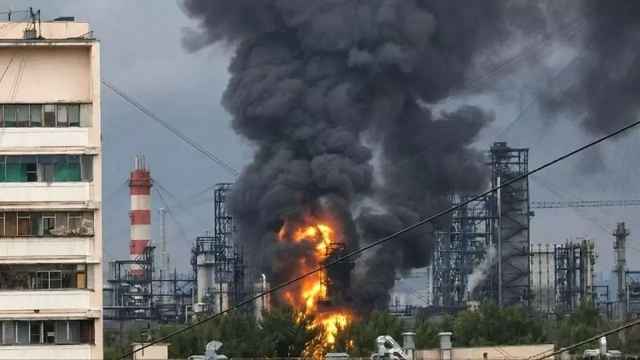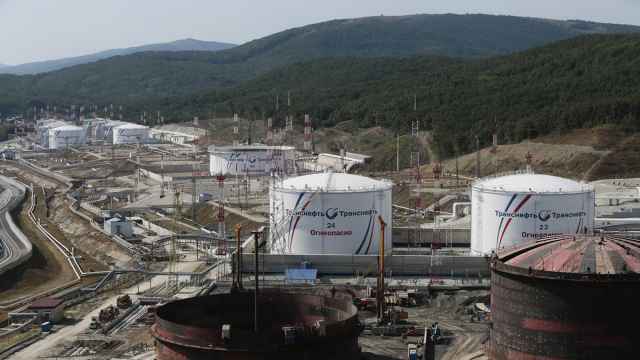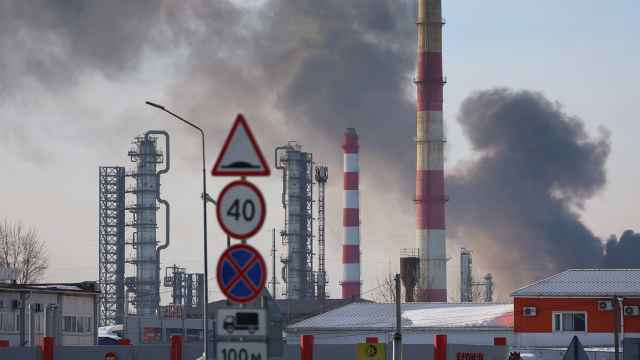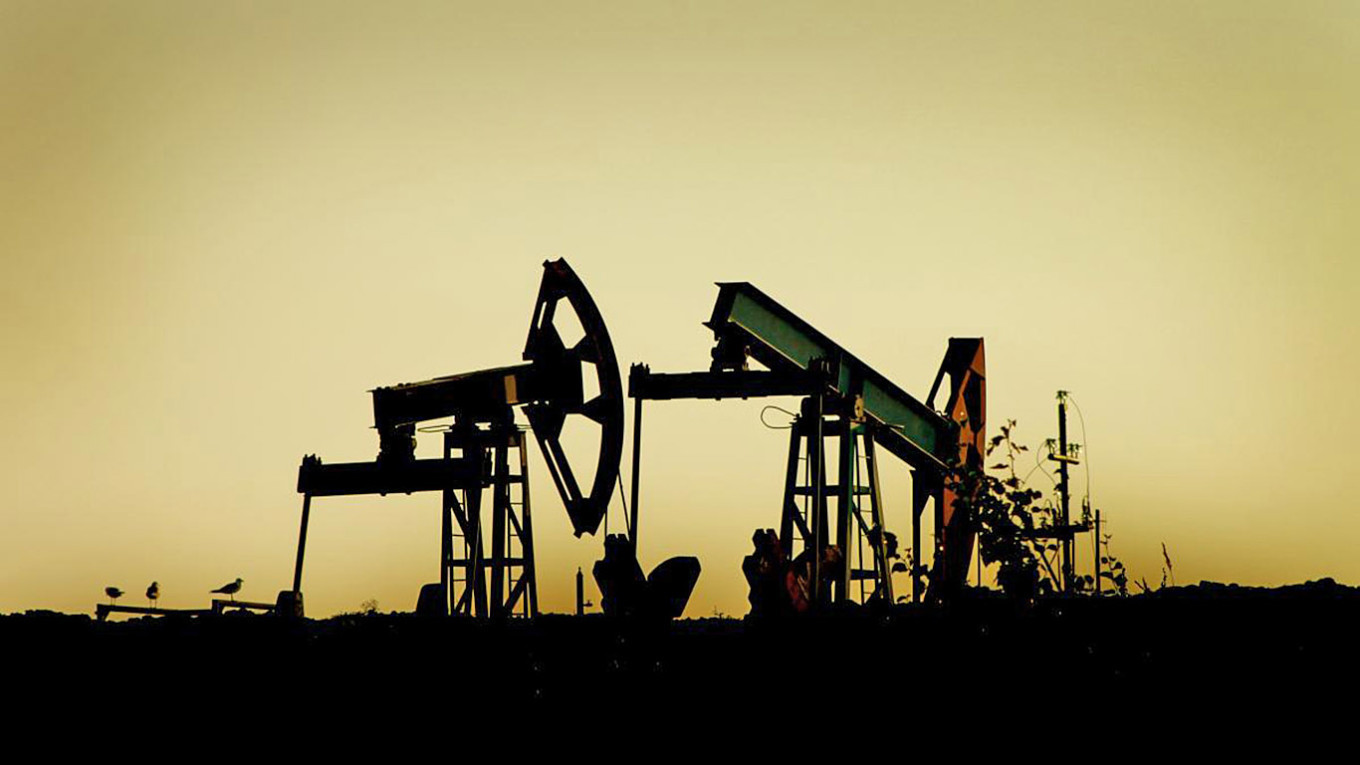
Russia's oil production has declined for a sixth consecutive month, with escalating Ukrainian drone attacks on the country's energy infrastructure contributing to the downturn by disrupting storage and transportation facilities needed to sustain output.
Russian crude and condensate production fell to 9.009 million barrels per day (bpd) in May, down from a recent peak of 9.38 million bpd in November, according to data published by OPEC. Output has fallen by roughly 370,000 bpd since then.
The decline leaves Russia producing about 690,000 bpd below its OPEC+ quota, according to Bloomberg calculations based on OPEC data.
Ukraine sharply intensified attacks on Russian oil infrastructure in May, with at least 31 strikes recorded against refineries, export terminals and pipelines, Bloomberg reported. That was the highest monthly total since the start of the war.
Most of the attacks last month targeted fuel production facilities, causing Russian refinery throughput to fall to its lowest level since 2009.
Processing volumes declined further in June, dropping to their lowest level in two decades during the first days of the month, according to consultancy Energy Aspects.
The collapse in refining has helped free up additional volumes of crude oil for export, particularly after Russia restored operations at Baltic and Black Sea ports that had been damaged during heavy Ukrainian attacks earlier this year.
Seaborne crude exports averaged 3.64 million bpd in the four weeks to May 31, up from 3.17 million bpd in the four weeks to April 17, when Ukrainian strikes on ports and export infrastructure were particularly intense.
Higher export volumes are expected to support revenues for oil companies and trading intermediaries involved in Russian crude sales.
However, analysts note that the federal budget relies primarily on the mineral extraction tax levied on oil production rather than on export revenues themselves.
As a result, a sustained decline in output could weigh on government revenues even if exports remain resilient.
Oil and gas income remains one of the Kremlin's most important sources of funding, accounting for roughly a quarter to a third of federal budget revenues in recent years.
Read this article in Russian at The Moscow Times' Russian service.
A Message from The Moscow Times:
Dear readers,
We are facing unprecedented challenges. Russia's Prosecutor General's Office has designated The Moscow Times as an "undesirable" organization, criminalizing our work and putting our staff at risk of prosecution. This follows our earlier unjust labeling as a "foreign agent."
These actions are direct attempts to silence independent journalism in Russia. The authorities claim our work "discredits the decisions of the Russian leadership." We see things differently: we strive to provide accurate, unbiased reporting on Russia.
We, the journalists of The Moscow Times, refuse to be silenced. But to continue our work, we need your help.
Your support, no matter how small, makes a world of difference. If you can, please support us monthly starting from just $2. It's quick to set up, and every contribution makes a significant impact.
By supporting The Moscow Times, you're defending open, independent journalism in the face of repression. Thank you for standing with us.

Remind me later.