8 Years Ago, Russia Hosted the World Cup

As millions of fans around the world prepare to watch the 2026 FIFA World Cup, co-hosted by the U.S., Canada and Mexico, The Moscow Times is looking back at the 2018 World Cup in Russia.
The 2018 competition was held in the shadow of the simmering conflict in eastern Ukraine and marred by allegations of corruption in the bidding process and sportswashing concerns voiced by Western critics.
Yet the event, held across 11 Russian cities, proved a major success. It remains a source of fond memories for many Russians, who took pride in the openness and hospitality that their country showed to foreign fans.
Eight years later, life in Russia — and Russians' connections to the outside world — have been dramatically transformed since the full-scale invasion of Ukraine in 2022.
The 2018 competition was held in the shadow of the simmering conflict in eastern Ukraine and marred by allegations of corruption in the bidding process and sportswashing concerns voiced by Western critics.
Yet the event, held across 11 Russian cities, proved a major success. It remains a source of fond memories for many Russians, who took pride in the openness and hospitality that their country showed to foreign fans.
Eight years later, life in Russia — and Russians' connections to the outside world — have been dramatically transformed since the full-scale invasion of Ukraine in 2022.
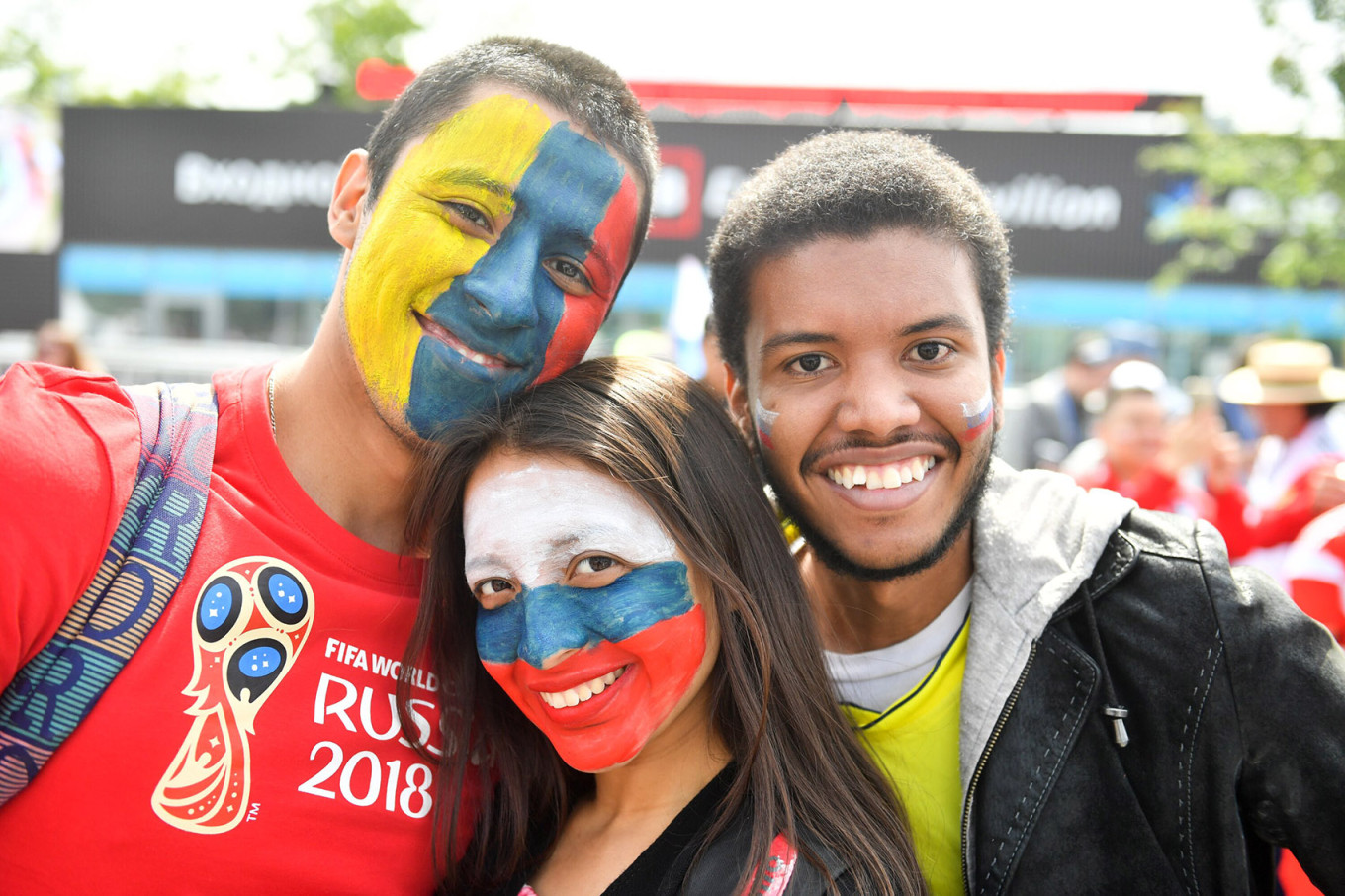
Fans arrive at Moscow's Luzhniki Stadium for the first match of the 2018 FIFA World Cup between Russia and Saudi Arabia.
Sergei Kiselev / Moskva News Agency
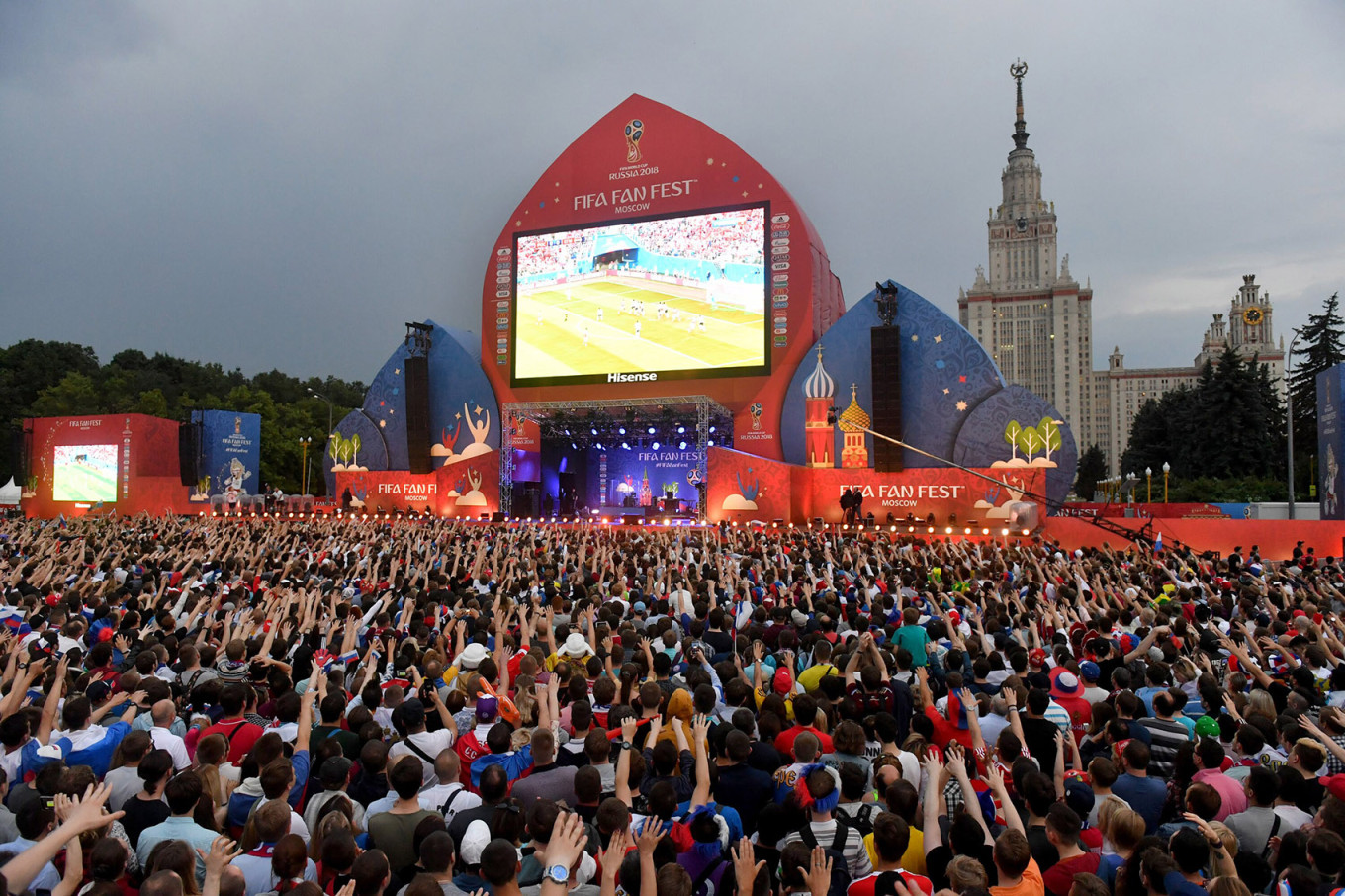
The FIFA fan zone at Vorobyovy Gory, where tens of thousands of spectators gathered during the tournament to watch matches, drink and celebrate.
Sergei Kiselev / Moskva News Agency
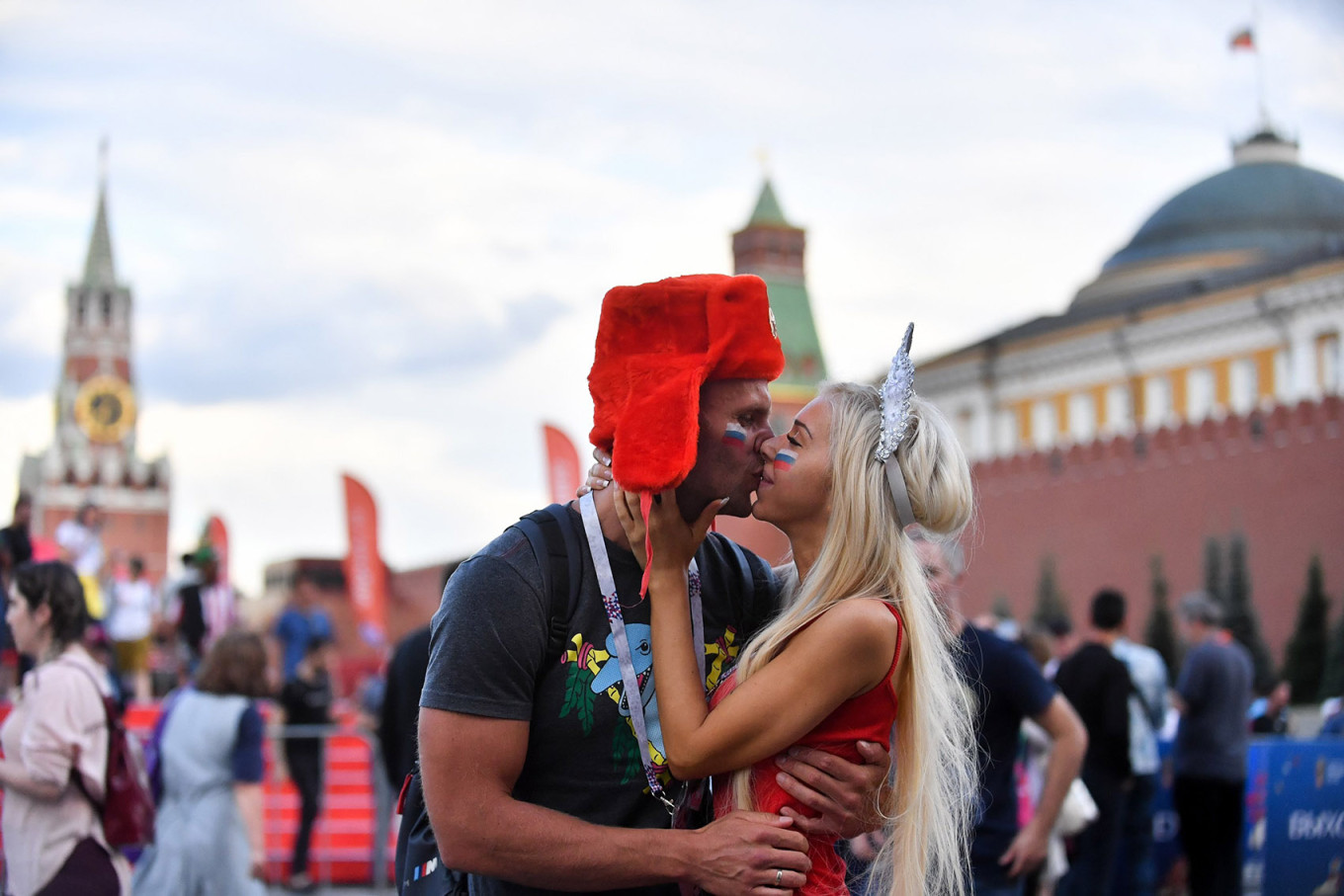
Fans in Moscow after the World Cup match between Uruguay and Russia.
Sergei Kiselev / Moskva News Agency
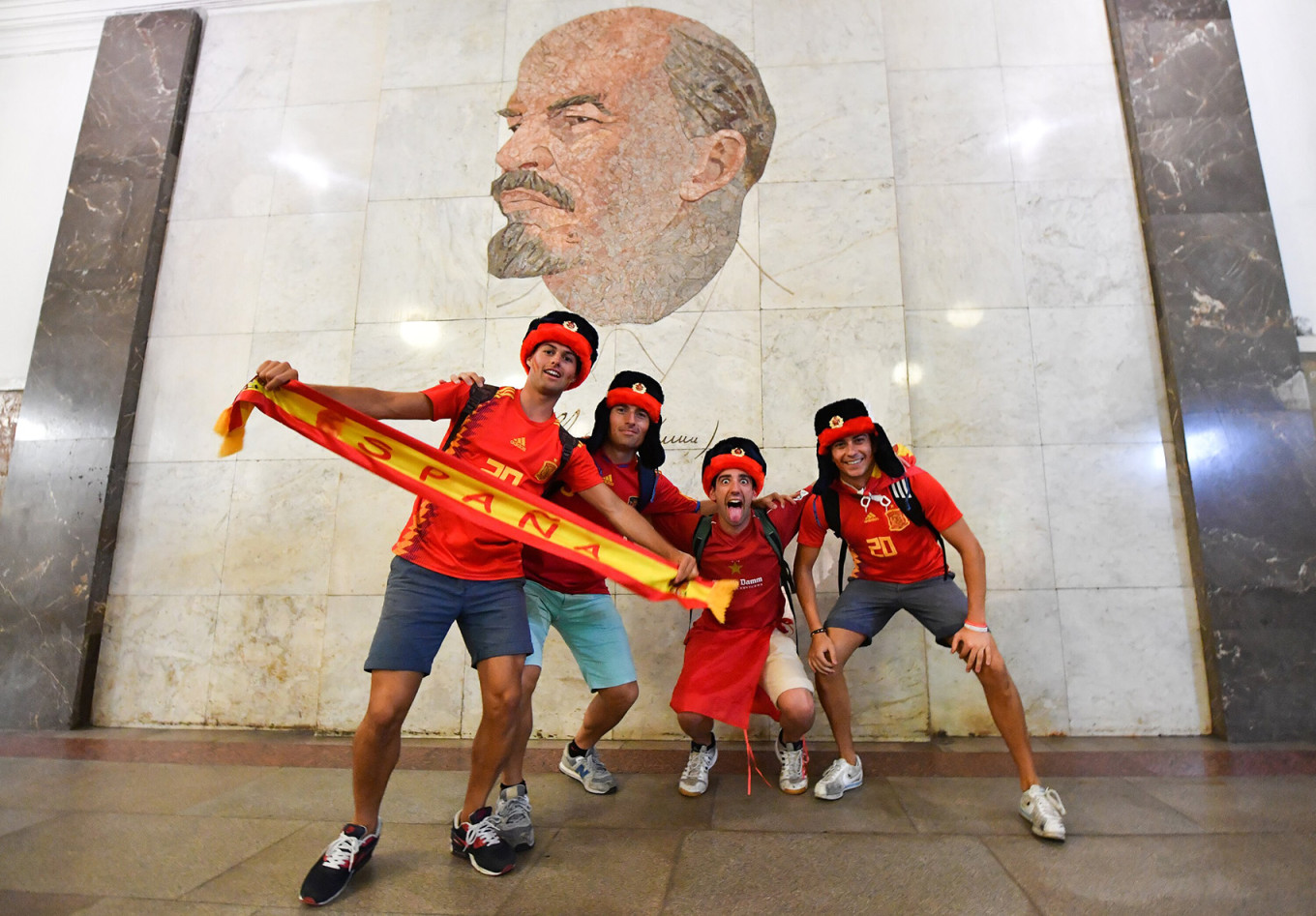
Supporters of the Spanish national team pose in front of a Lenin mosaic in the Moscow Metro before the World Cup playoff match between Russia and Spain.
Sergei Kiselev / Moskva News Agency
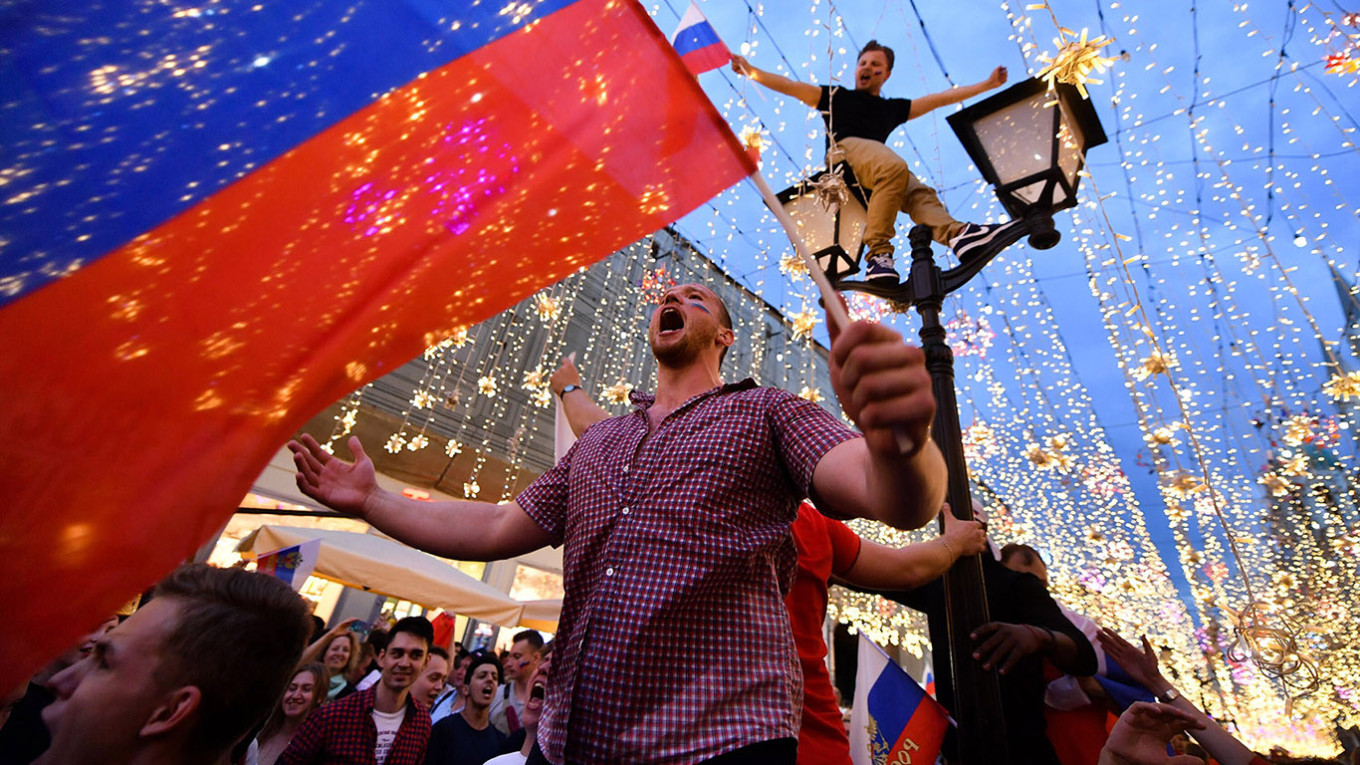
Fans on Nikolskaya Ulitsa after the World Cup match between Russia and Spain.
Nikolskaya Ulitsa became the de-facto center for World Cup festivities, with tens of thousands of fans congregating there during the championship. Authorities estimated that at least 3 million Russian and foreign tourists visited Moscow during the tournament, news outlets reported.
“Look how many foreigners came here and everything was the opposite of what people thought would happen,” a young boy from Moscow told The Moscow Times shortly after the 2018 World Cup.
“People always talk about Russia in stereotypes. But why do that? Hopefully the World Cup showed that we’re not like this.”
Nikolskaya Ulitsa became the de-facto center for World Cup festivities, with tens of thousands of fans congregating there during the championship. Authorities estimated that at least 3 million Russian and foreign tourists visited Moscow during the tournament, news outlets reported.
“Look how many foreigners came here and everything was the opposite of what people thought would happen,” a young boy from Moscow told The Moscow Times shortly after the 2018 World Cup.
“People always talk about Russia in stereotypes. But why do that? Hopefully the World Cup showed that we’re not like this.”
Sergei Kiselev / Moskva News Agency
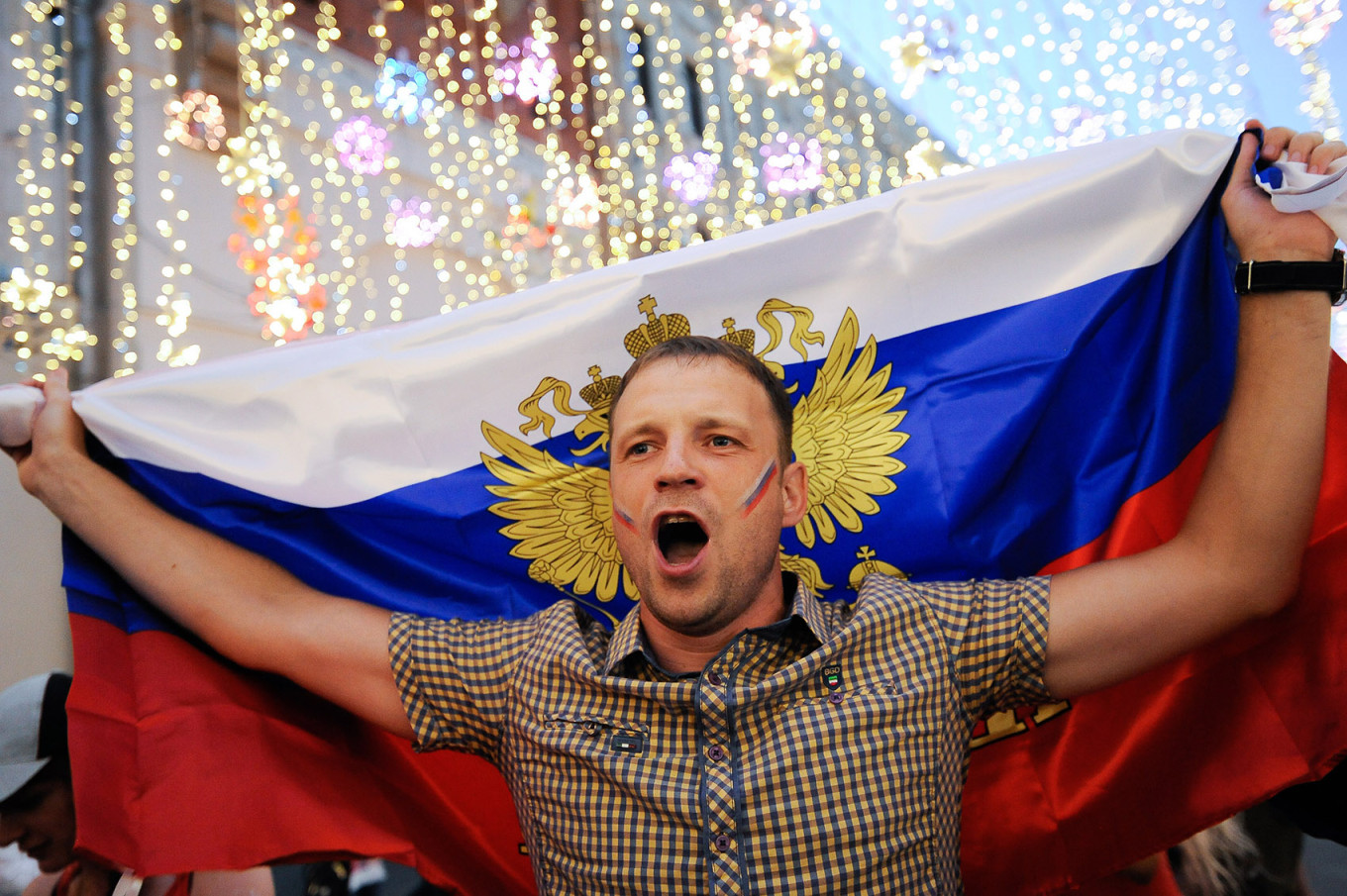
Fans after the World Cup match that saw Russia defeat Spain.
“I cried after the win over Spain,” a 14-year-old boy from Moscow told The Moscow Times after the match. “I have never seen Moscow so excited and happy.”
“I cried after the win over Spain,” a 14-year-old boy from Moscow told The Moscow Times after the match. “I have never seen Moscow so excited and happy.”
Alexander Avilov / Moskva News Agency
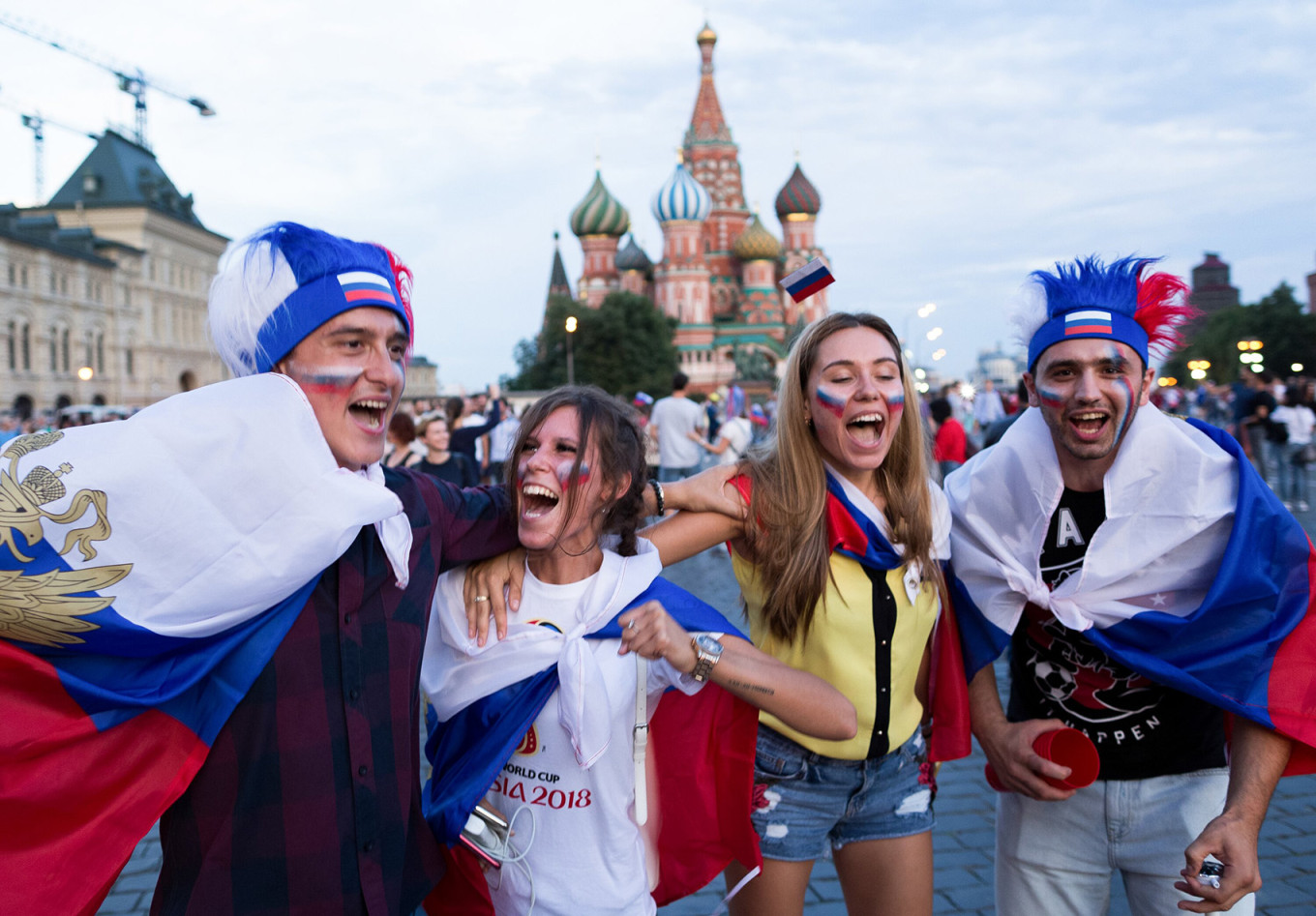
Fans on Red Square after the World Cup match between Russia and Spain.
Kirill Zykov / Moskva News Agency
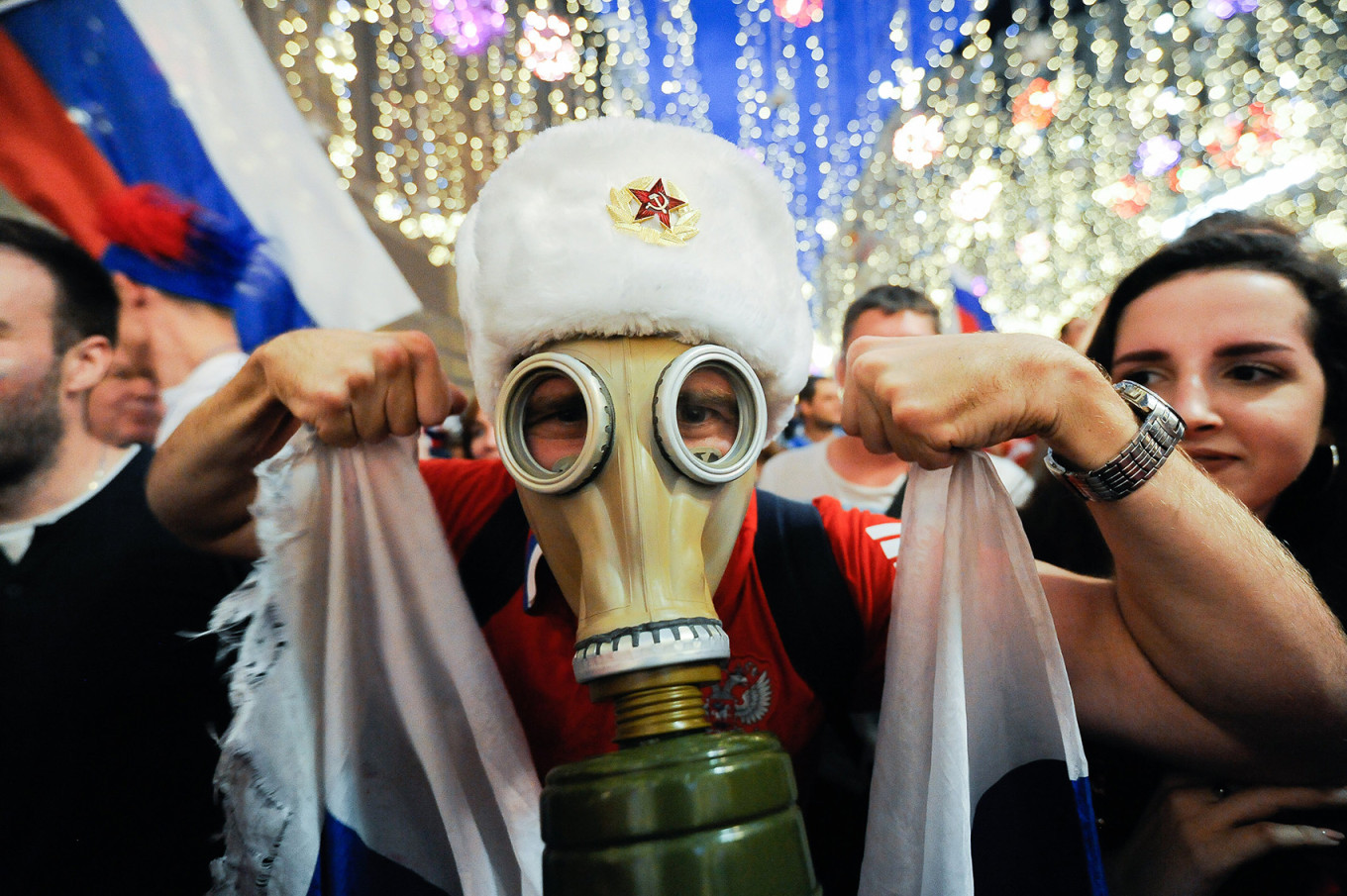
Fans on Nikolskaya Ulitsa after the World Cup match between Russia and Spain.
Alexander Avilov / Moskva News Agency
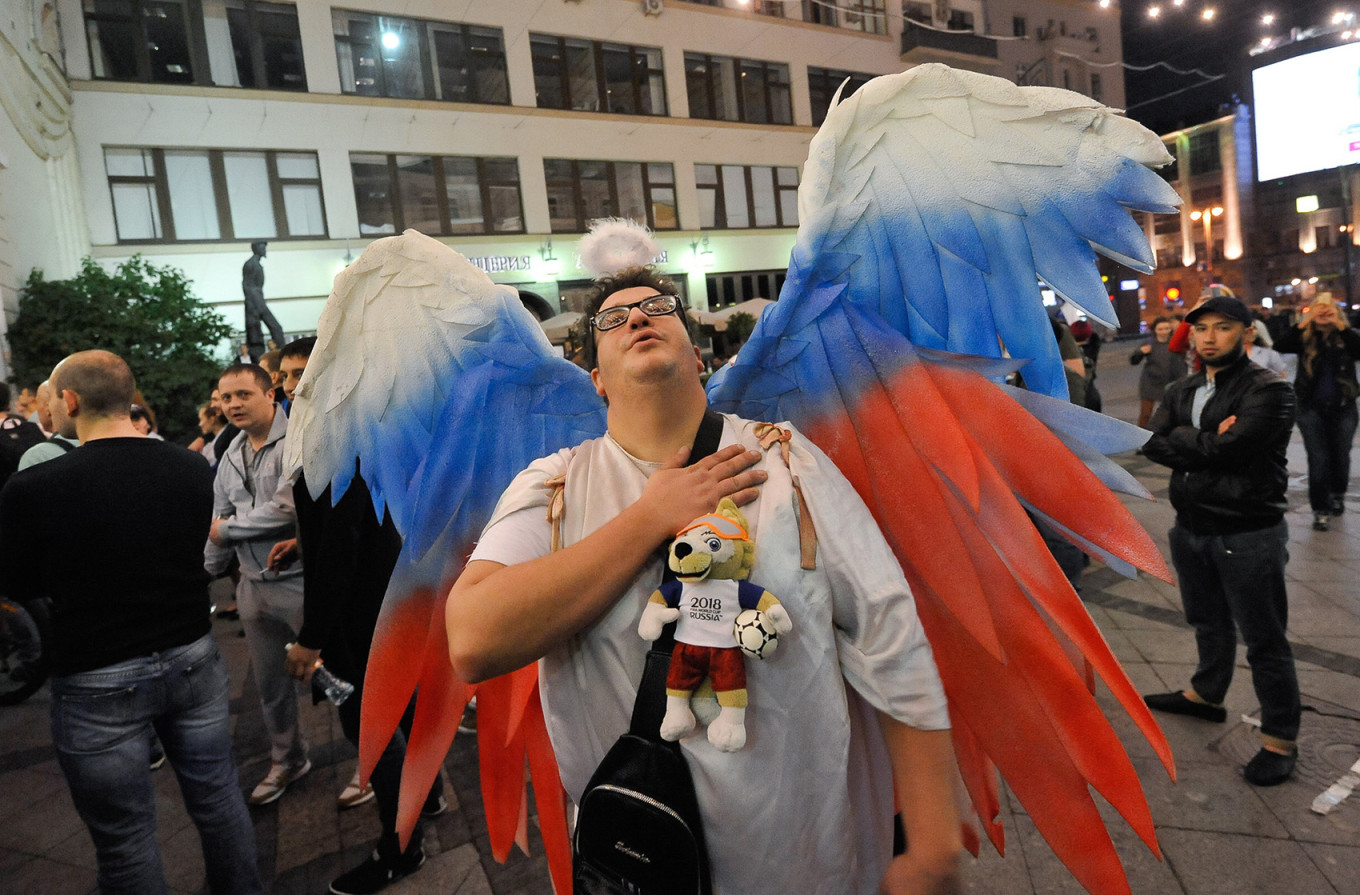
A fan during the World Cup quarterfinal match that saw Croatia beat Russia.
Alexander Avilov / Moskva News Agency
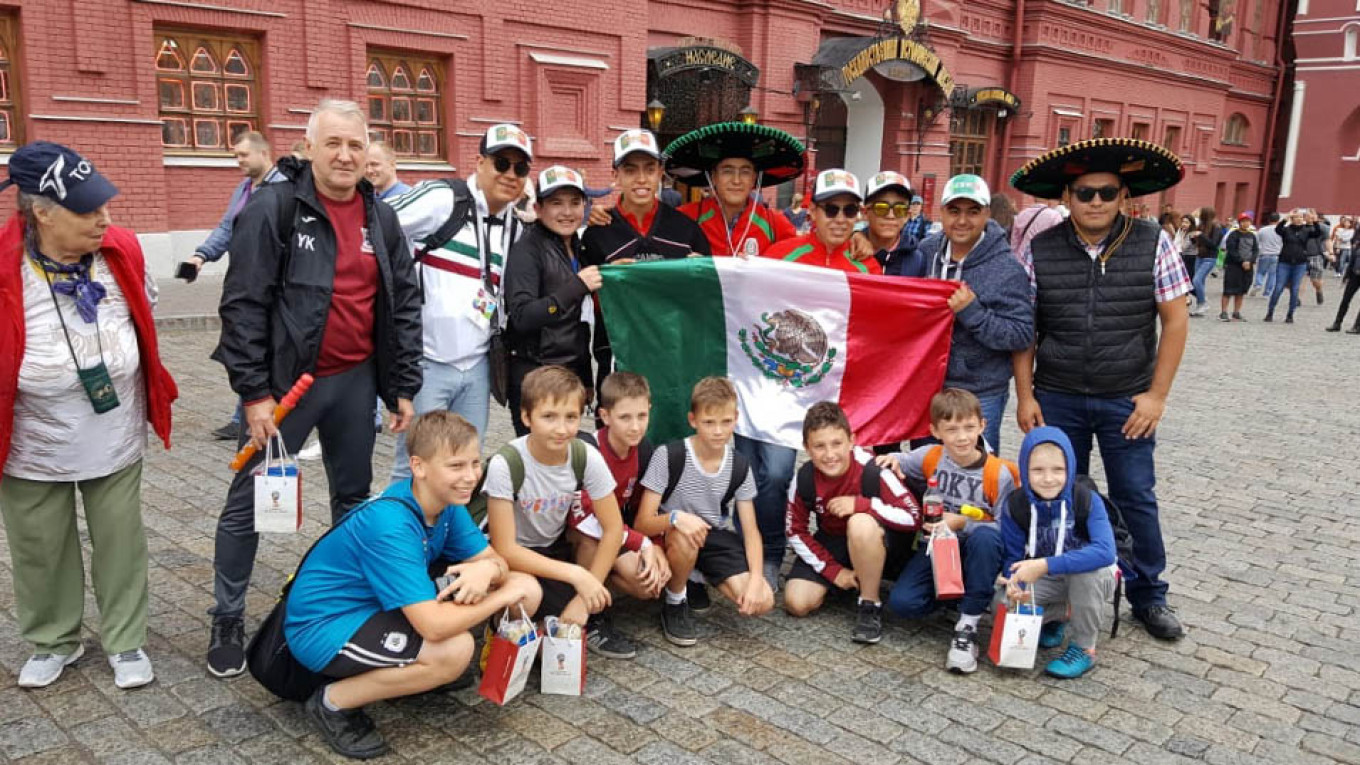
For Russia’s young footballers, meeting foreigners was an integral part of the World Cup.
Yuri Kozhemyak / MFK Krepost
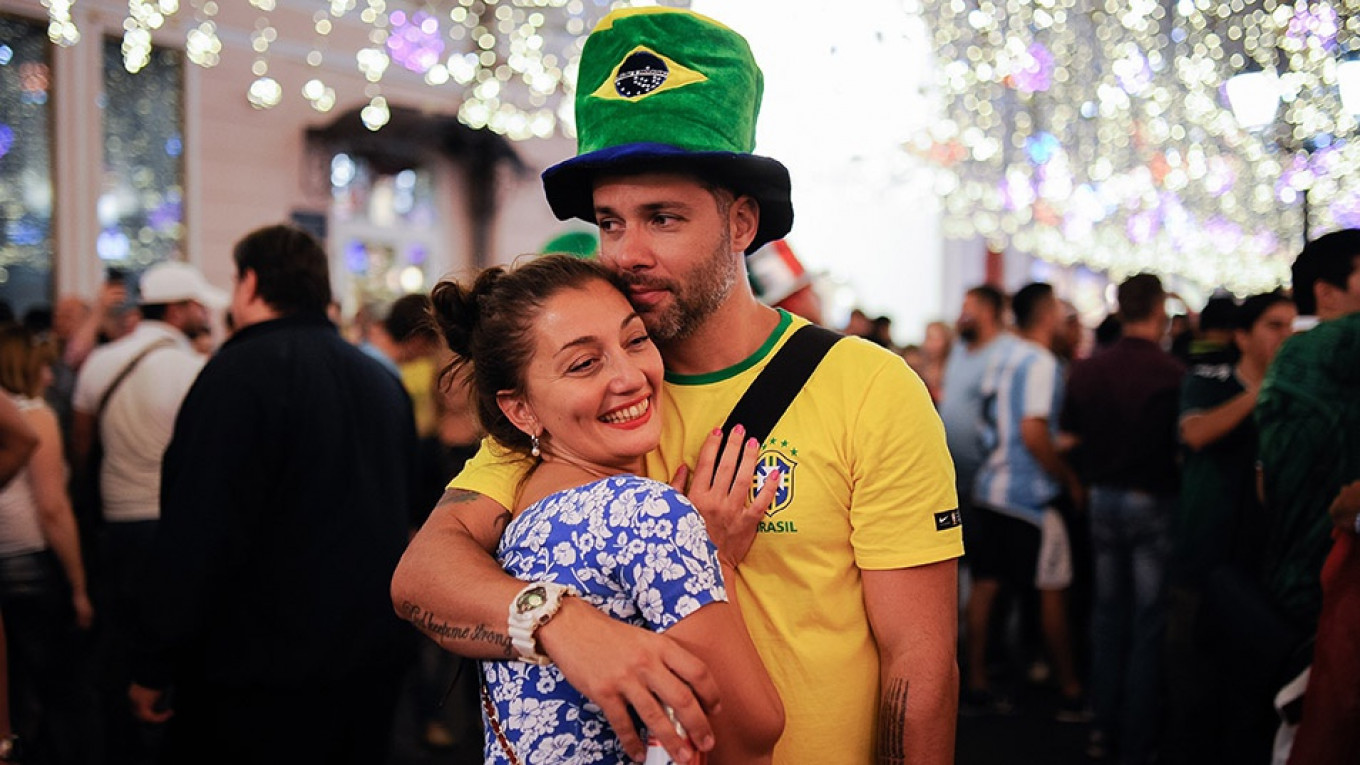
Yet there was a dark side to the World Cup, as Russian women faced a wave of online harassment for fraternizing with foreign football fans.
Russian social media users and several social media groups shared footage and shamed women whom they accuse of humiliating themselves or their country by hanging out with foreigners.
Russian social media users and several social media groups shared footage and shamed women whom they accuse of humiliating themselves or their country by hanging out with foreigners.
Moskva News Agency
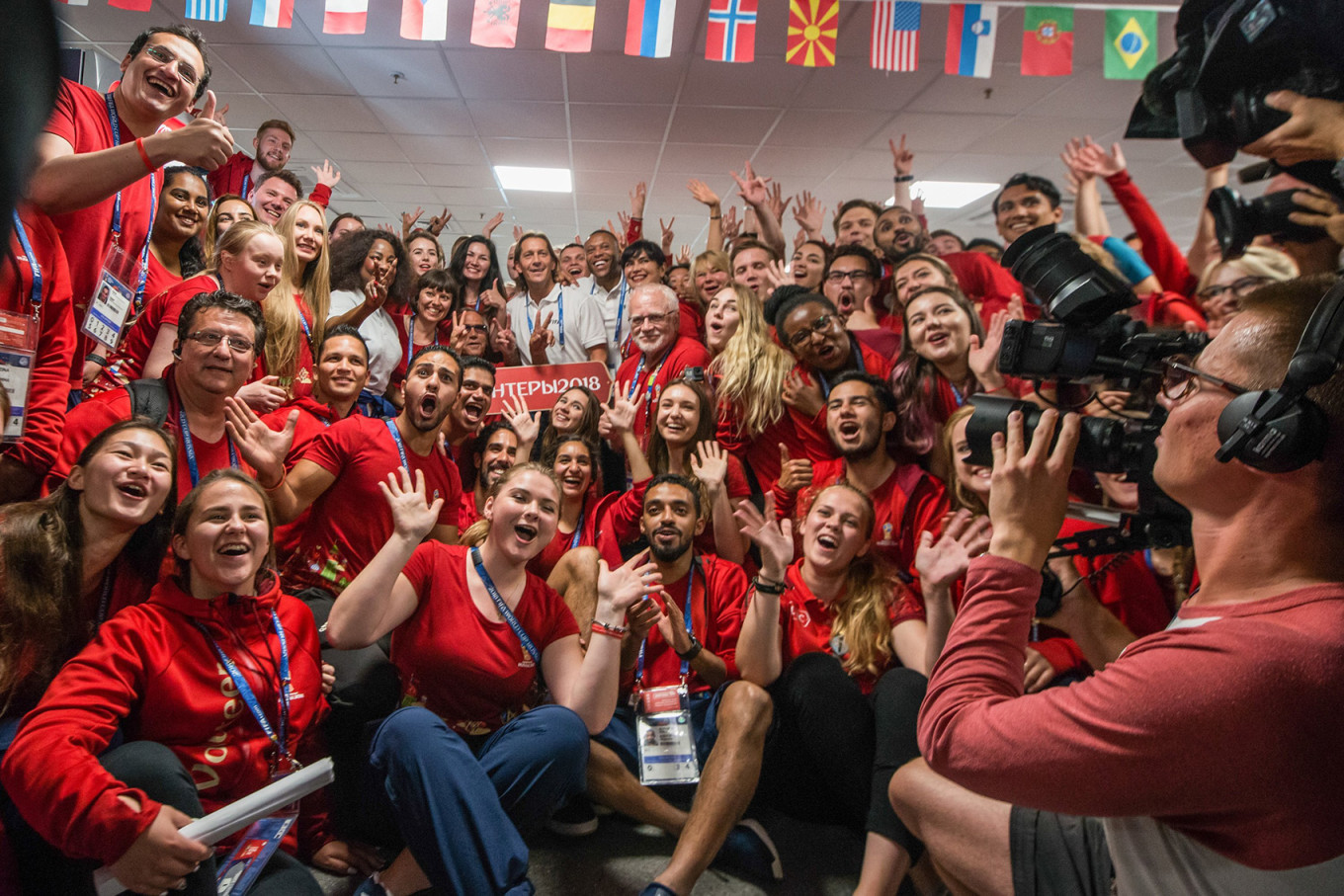
The World Cup volunteer center in Moscow.
Igor Ivanko / Moskva News Agency
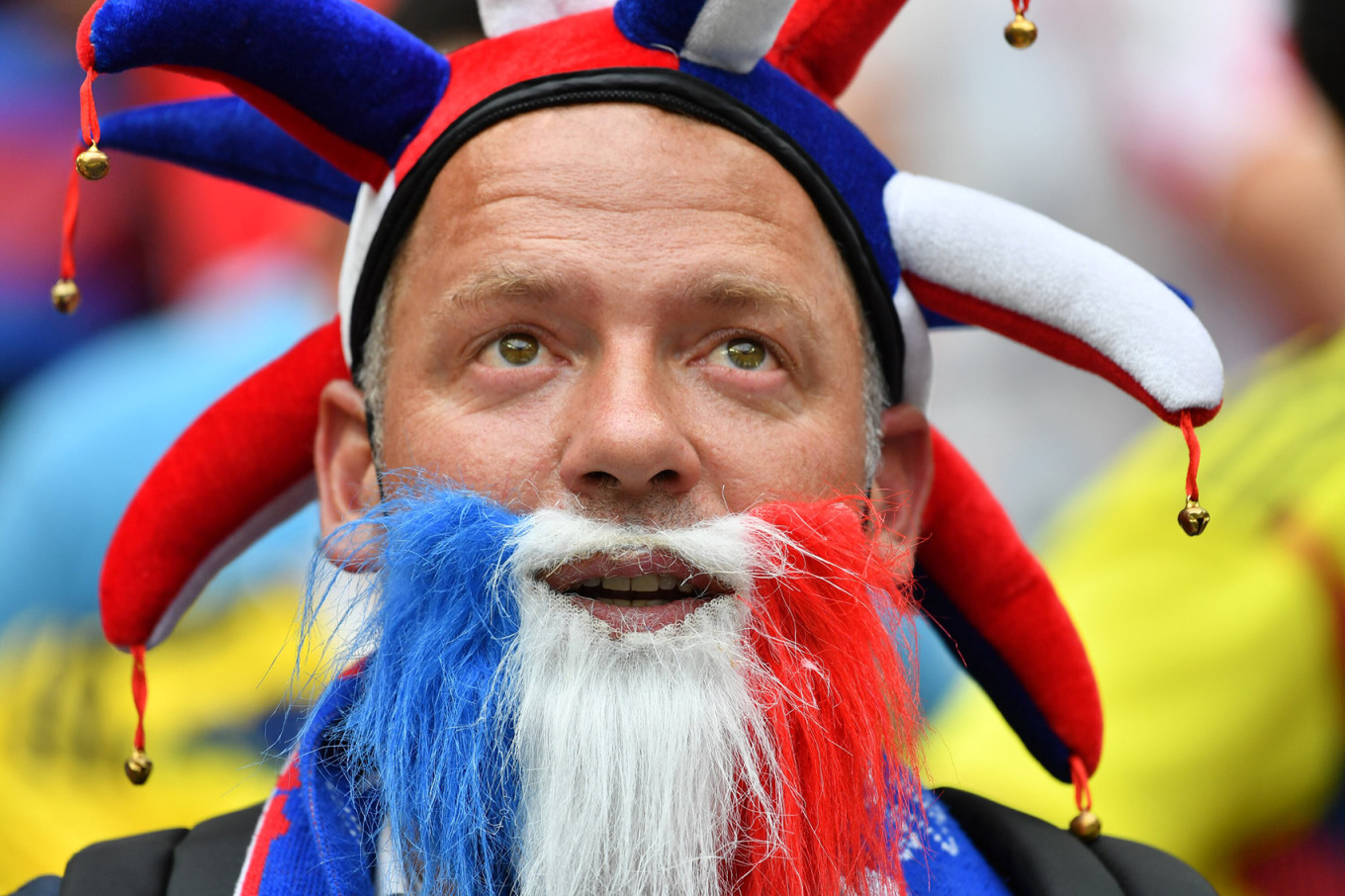
A fan during the World Cup final between France and Croatia at Luzhniki Stadium.
Sergei Kiselev / Moskva News Agency
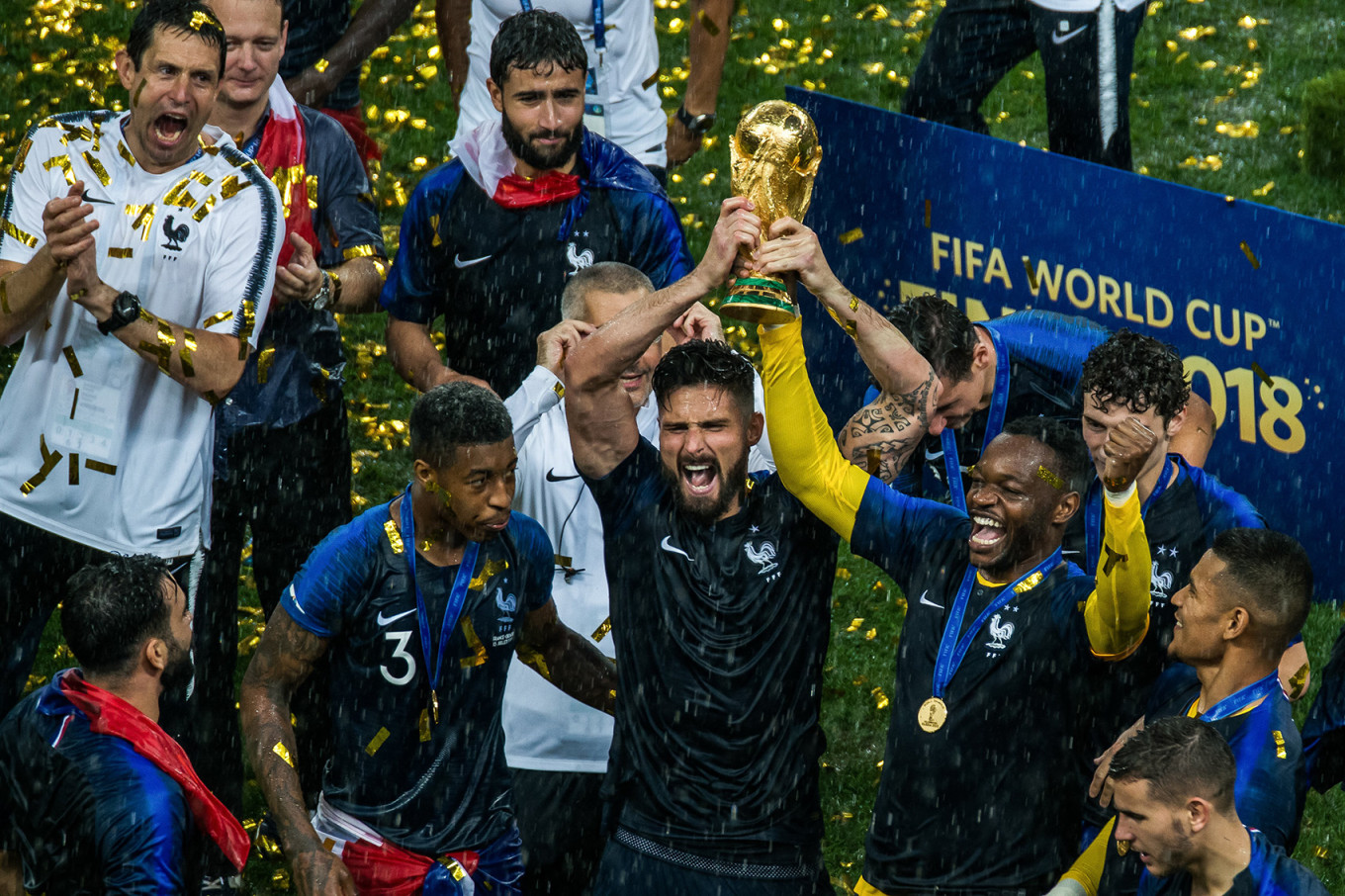
The World Cup awards ceremony after France's victory.
FIFA said a record audience of more than 3.5 billion people watched the World Cup in Russia, with the final between France and Croatia attracting 1.1 billion viewers.
France's 4-2 victory in the final was the most watched game of the competition.
FIFA said a record audience of more than 3.5 billion people watched the World Cup in Russia, with the final between France and Croatia attracting 1.1 billion viewers.
France's 4-2 victory in the final was the most watched game of the competition.
Igor Ivanko / Moskva News Agency