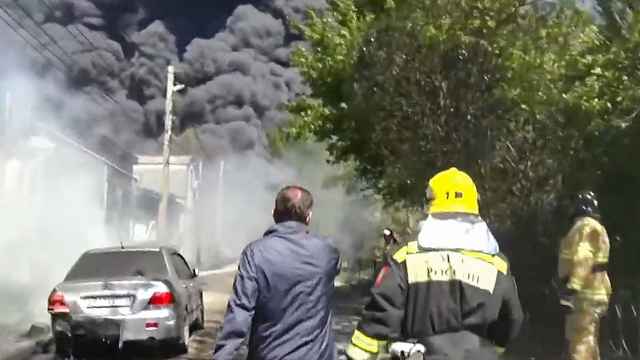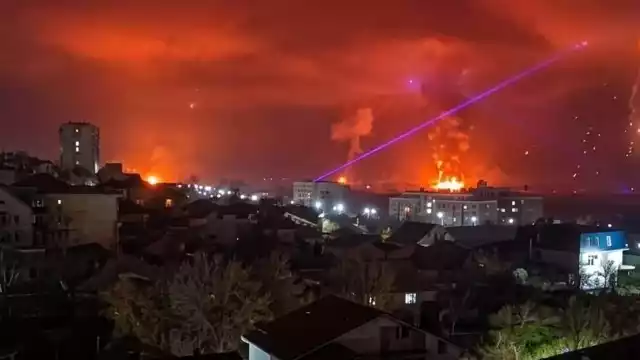

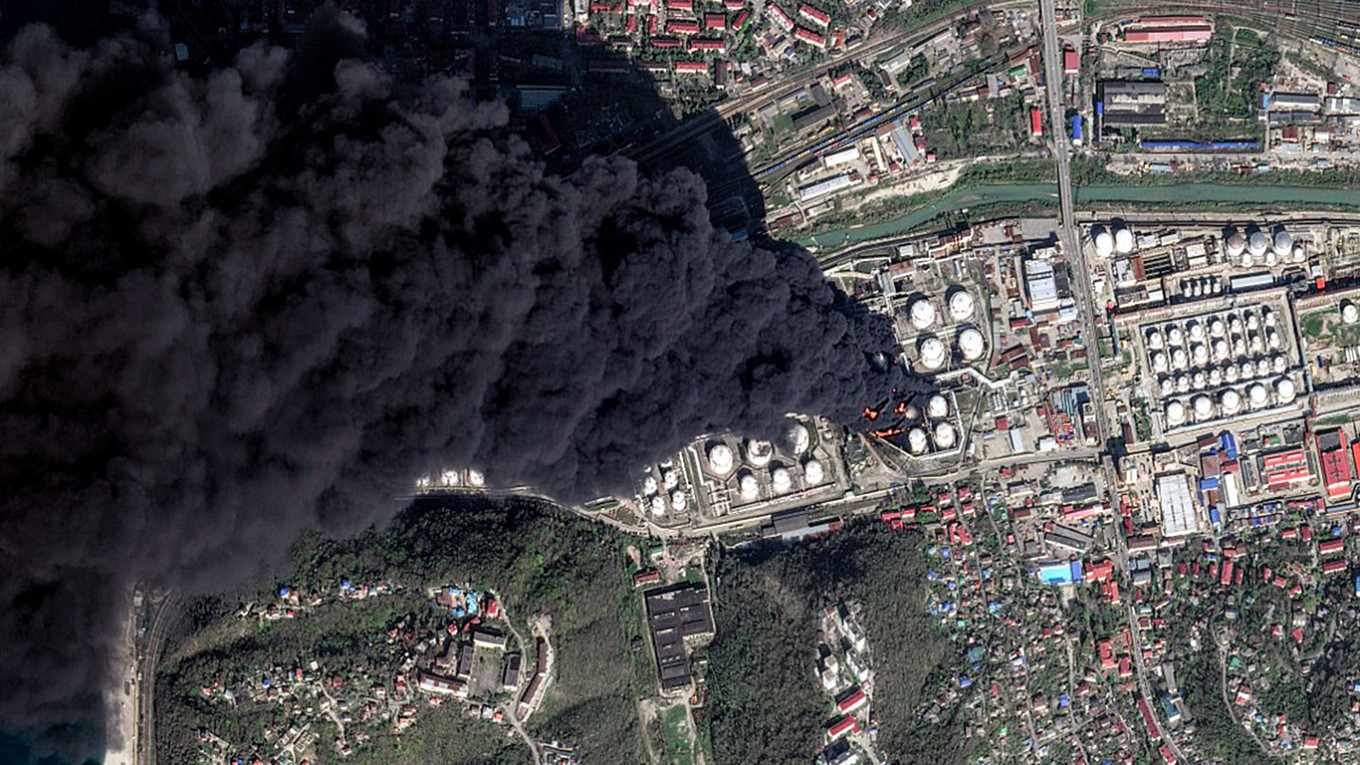
Air thick with toxic fumes. A column of smoke visible from space. Black rain falling from the sky.
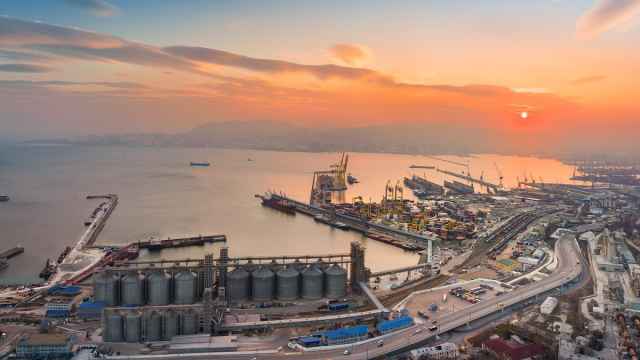
The scene in Tuapse, an industrial port town of about 60,000 people on Russia’s Black Sea coast, has turned apocalyptic in recent days after Ukrainian strikes on a local oil refinery sparked major fires and spilled oil into the surrounding environment.
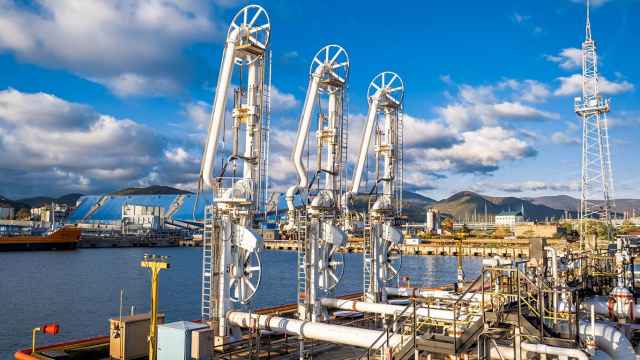
Located about 80 kilometers (50 miles) northwest of Sochi, Tuapse is home to a Rosneft-owned refinery that processes around 12 million metric tons of crude annually and serves as a key export route for naphtha, fuel oil and diesel.
The refinery was last struck on Monday, setting off a major fire and spilling petroleum products into the Black Sea and the Tuapse River.
Since then, residents say they have seen widespread “black rain,” smelled burning and observed mass bird deaths. Many say oily black droplets have appeared on their clothes and skin after spending time outdoors.
On Thursday, three days after the fire began, officials urged people to keep their windows closed and limit time outside as polluted smoke continued to spread. Authorities later said the blaze had been contained, though it was still burning.
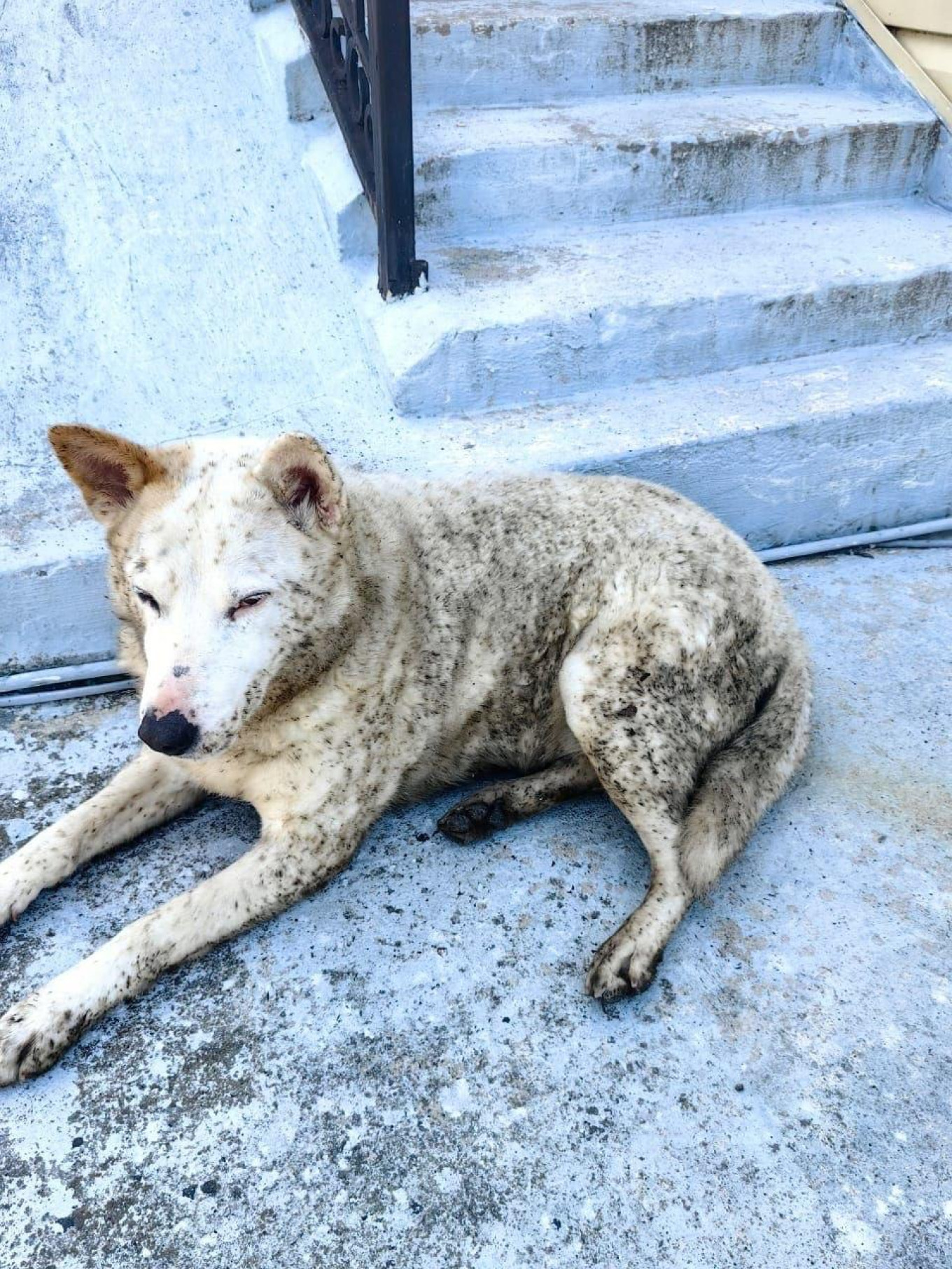
“Please tell me what to do. My two cats and my dog are covered in fuel oil. How can I wash them? They’re suffering. Especially the dog. I tried washing them with oil, but it’s not working,” resident Nadezhda Zhosan wrote in a local Telegram group.
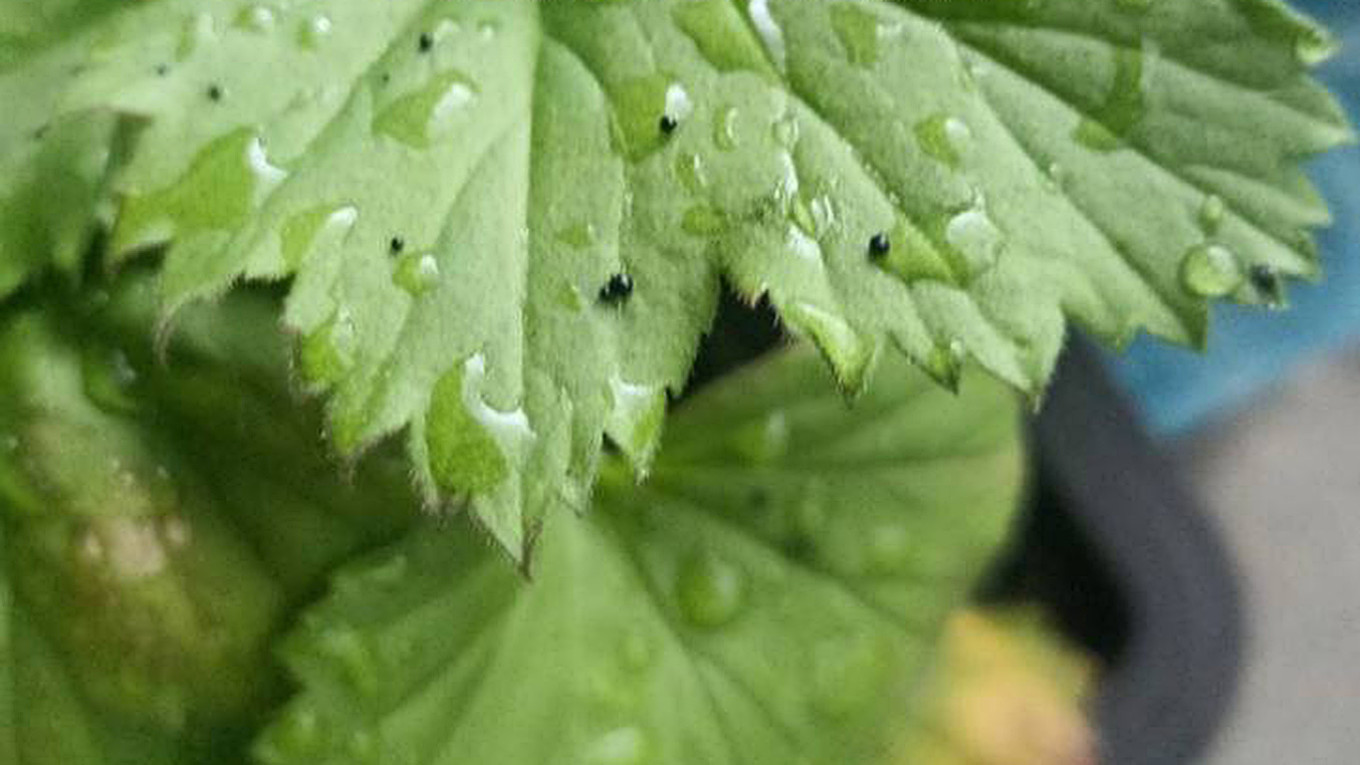
Another resident shared a photo showing her child’s hands stained black after playing outside.
“The child played in the yard for 10 minutes. Their hands are completely covered in fuel oil,” she wrote.
Environmentalist Yevgeny Vitishko, a member of an advisory council under the Krasnodar region governor, described the Tuapse incident as “the largest environmental catastrophe” in the region in recent years.
“In my view, its consequences are even worse than the fuel oil spill near Anapa in December 2024,” he told local media.
Environmentalists say the “black rain” forms when sulfuric and nitric compounds released by burning oil accumulate in the atmosphere and fall as contaminated precipitation. The fallout can contain soot and a mix of toxic chemicals, including benzene, toluene and xylene.
Short-term exposures can irritate the lungs, cause coughing and burn skin and mucous membranes, environmentalist Alexander Emelyanov said. Prolonged exposure increases the risk of cancer and neurological disorders.
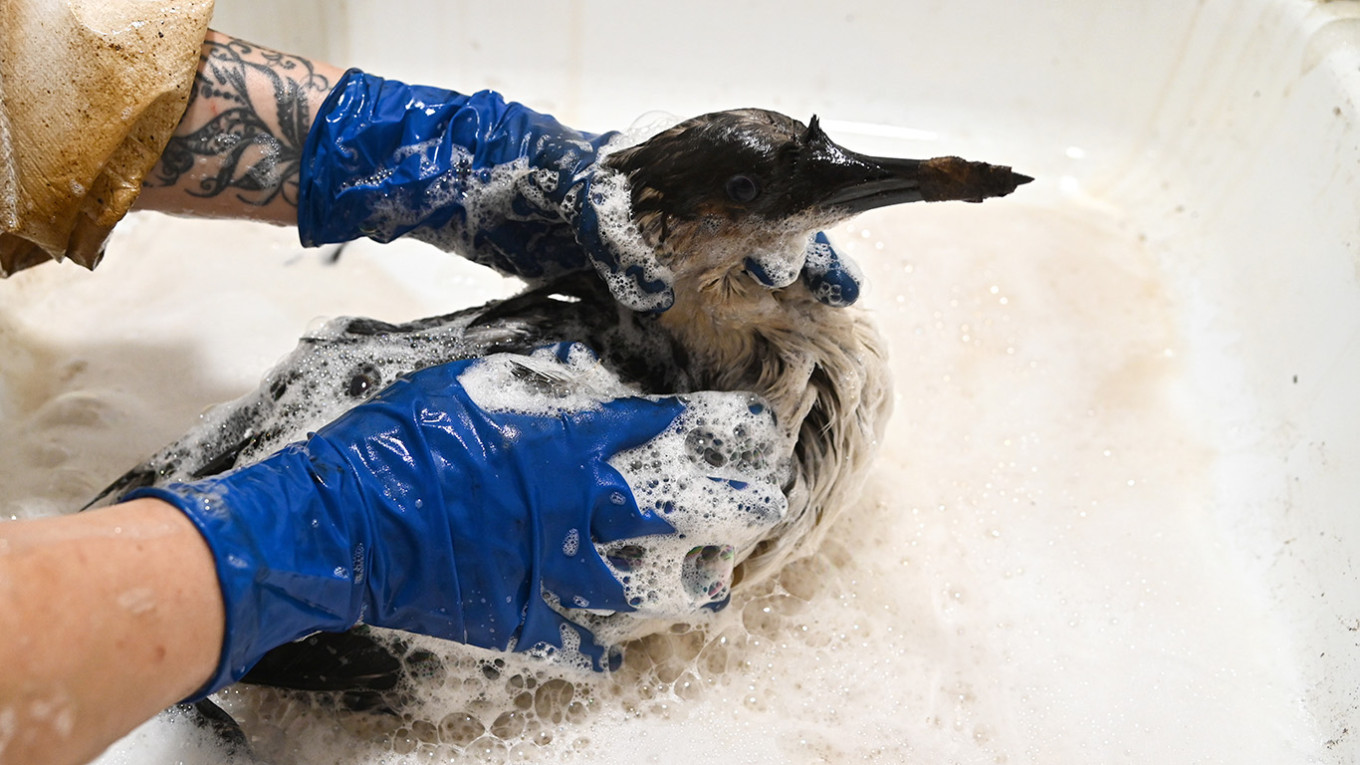
Eyewitnesses have also posted photos and videos of waterfowl covered in fuel oil.
“The birds are all covered in fuel oil. Their feathers are stuck together. They can’t fly or move properly. Some don’t even react when you get close,” one resident wrote, sharing footage purportedly filmed on the coast near Tuapse.
Emelyanov said waterfowl, including rare species, are particularly vulnerable to oil spills.
Local volunteers are now working to rescue affected animals, setting up washing stations and temporary shelters before transferring birds to rehabilitation centers in Anapa.
The repeated strikes on the Tuapse refinery have also led to a 7-kilometer (4.3-mile) oil slick stretching into the Black Sea. The spill, which covers an area of 10 square kilometers (3.9 square miles), prompted authorities to declare a state of emergency.
Regional officials said heavy rainfall caused the Tuapse River to swell, allowing petroleum products to overflow previously installed containment booms and flow downstream into the Black Sea.
The Krasnodar region’s operational headquarters said oil products were being collected further down the riverbed, as well as along parts of the coastline where contamination had reached the shore.
Polluted air from the burning oil could spread to neighboring areas, including the Stavropol, Astrakhan and Volgograd regions, due to southwesterly winds, an environmentalist based in the Krasnodar region told The Moscow Times on condition of anonymity.
“The authorities have now mobilized all available resources from the Emergency Situations Ministry to extinguish the fire,” he said. “But there is still an oil slick in the sea. Satellite images of the slick show vessels from the maritime rescue service cleaning up the oil. But there are far too few of them to handle the situation.”
Two residents contacted by The Moscow Times declined to comment.
A former Tuapse resident who lives abroad but remains in contact with friends in the city told The Moscow Times that residents were reluctant to speak to journalists out of fear.
“People are afraid to share any information with strangers,” the former Tuapse resident said, speaking on condition of anonymity for safety reasons. “Some because of repression, but most believe that Ukrainian spies are monitoring social media and trying to uncover sensitive information about city facilities.”
President Vladimir Putin has not commented publicly on the disaster during scheduled meetings and ceremonial events this week.
Ukraine has pummeled Russian oil infrastructure in recent weeks in an effort to hamstring Moscow’s fuel export revenues, a key source of funding for its war chest, as global energy prices surge due to the U.S.-Israeli war with Iran.
An earlier strike on April 16 on the Tuapse oil terminal also triggered a major fire, killing two people and injuring several others, according to regional Governor Veniamin Kondratyev. The attack sent a large plume of smoke into the sky above Tuapse that was visible from space.
Officials said concentrations of harmful substances in the air had not exceeded permissible levels, but a state of emergency was declared and schools were closed. The blaze was extinguished after three days before reigniting following Monday’s reported attack.
The Tuapse spill and fire is the latest in a series of environmental incidents in Russia linked to the war since Moscow invaded neighboring Ukraine in February 2022.
In November 2025, another drone strike caused a separate oil spill near Tuapse.
In December 2024, two tankers sank in the Kerch Strait, releasing thousands of tons of fuel oil and contaminating up to 400 square kilometers of coastline, according to Greenpeace.
The resort area around Anapa was among the hardest hit, with hundreds of birds and dozens of marine animals reported dead. Putin called that spill one of the “most serious environmental challenges” Russia had faced in recent years.
A Message from The Moscow Times:
Dear readers,
We are facing unprecedented challenges. Russia's Prosecutor General's Office has designated The Moscow Times as an "undesirable" organization, criminalizing our work and putting our staff at risk of prosecution. This follows our earlier unjust labeling as a "foreign agent."
These actions are direct attempts to silence independent journalism in Russia. The authorities claim our work "discredits the decisions of the Russian leadership." We see things differently: we strive to provide accurate, unbiased reporting on Russia.
We, the journalists of The Moscow Times, refuse to be silenced. But to continue our work, we need your help.
Your support, no matter how small, makes a world of difference. If you can, please support us monthly starting from just $2. It's quick to set up, and every contribution makes a significant impact.
By supporting The Moscow Times, you're defending open, independent journalism in the face of repression. Thank you for standing with us.

Remind me later.