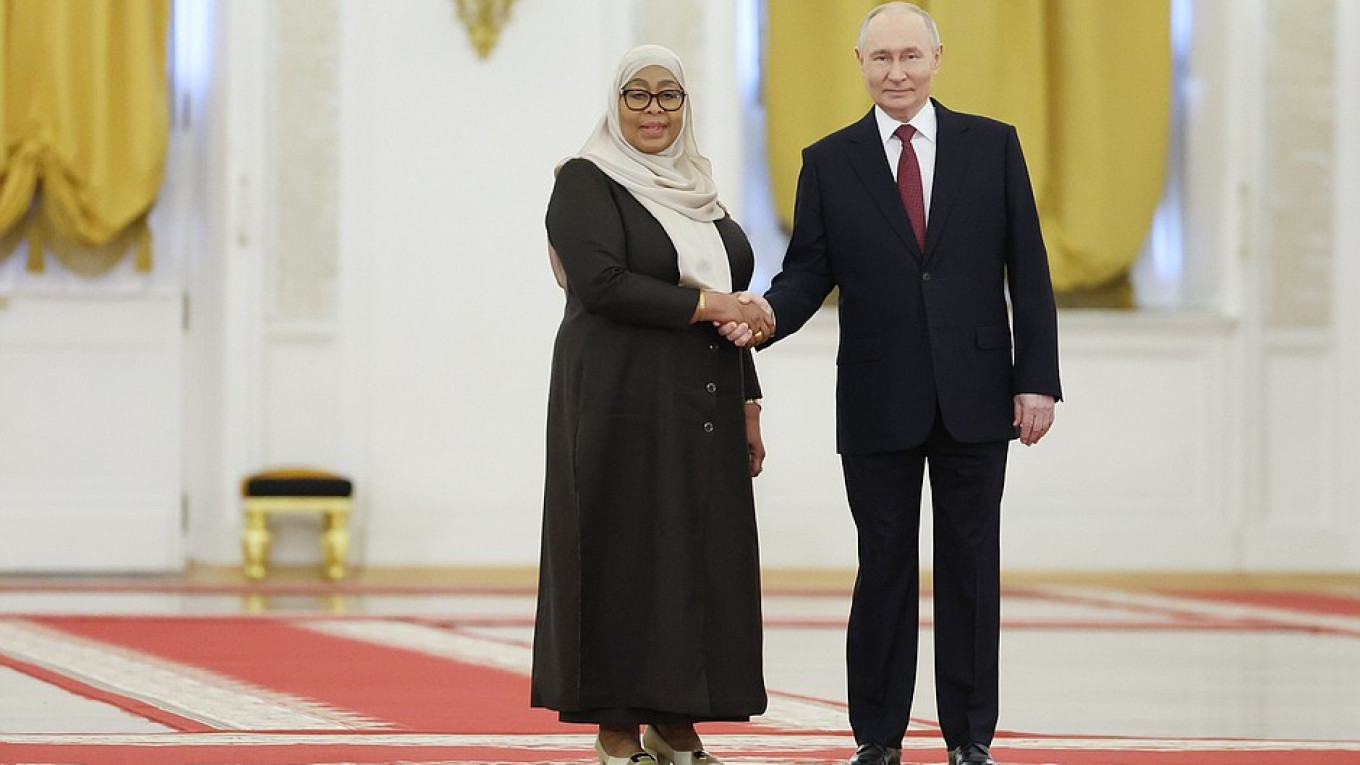
Tanzanian President Samia Suluhu Hassan began a three-day visit to Russia on Wednesday, meeting counterpart Vladimir Putin at a time when her country's reputation in the West has been badly damaged.
Western diplomats and rights groups accused her government of massacring hundreds of people during election unrest last October and of conducting a spate of abductions and murders of critics in the run-up to the vote.
The United States announced it was reviewing relations with Tanzania in the wake of the violence, and last week sanctioned a senior police officer over the torture of two well-known activists.
By contrast, Putin was one of the first to congratulate Hassan on the election, which saw her claim 98% of the vote.
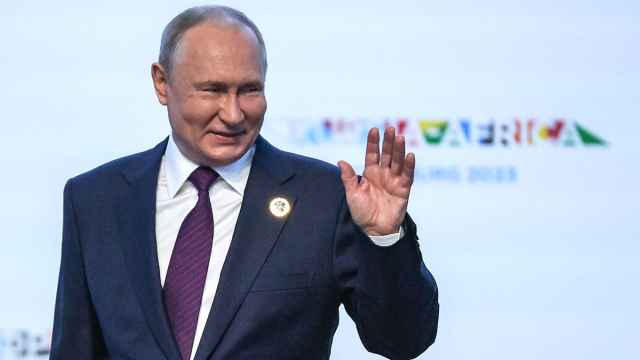
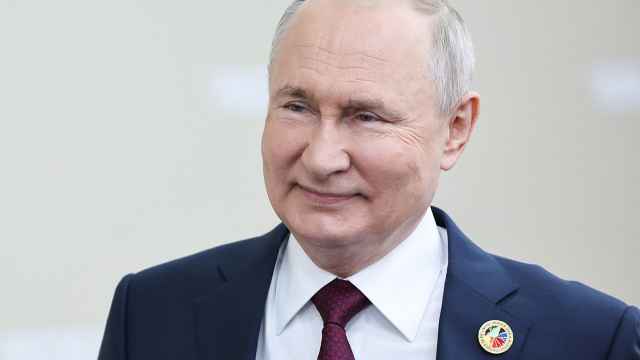
During a televised meeting with Putin in the Kremlin, Hassan described her trip to Russia as "historic."
Putin said he was pleased to see Hassan in Russia and called for the two countries to "increase trade."
Bilateral trade currently stands at just over $307 million annually, and the only concrete joint project is a planned uranium mine that has been on the drawing board for more than a decade.
A Russia-Tanzania Business Council was created in January and last month Air Tanzania announced the launch of flights from Dar es Salaam to Moscow by the end of the year.
Hassan has brought a business delegation to Moscow and hopes to cement deals in trade, tourism and minerals.
Her state visit to Russia is the first by a Tanzanian president since the country's founding father, Julius Nyerere, traveled there in October 1969.
Russia can use the support "even if just for an abstention for a critical vote at the UN" over the war in Ukraine, said a former political science professor at the University of Dar es Salaam, who declined to give their name due to repressive measures in the country.
Fergus Kell, of British think tank Chatham House, said Russia did not have much to gain from the visit but was "taking the opportunity of a weakened [Tanzanian] administration."
A government report into last year's election violence said 518 people were killed but did not say who was responsible, and there has been little sign of accountability.
Hassan has been unapologetic about the political crackdown in her country, describing activists and protesters as "disrespectful children" who should be "beaten with canes."
A Message from The Moscow Times:
Dear readers,
We are facing unprecedented challenges. Russia's Prosecutor General's Office has designated The Moscow Times as an "undesirable" organization, criminalizing our work and putting our staff at risk of prosecution. This follows our earlier unjust labeling as a "foreign agent."
These actions are direct attempts to silence independent journalism in Russia. The authorities claim our work "discredits the decisions of the Russian leadership." We see things differently: we strive to provide accurate, unbiased reporting on Russia.
We, the journalists of The Moscow Times, refuse to be silenced. But to continue our work, we need your help.
Your support, no matter how small, makes a world of difference. If you can, please support us monthly starting from just $2. It's quick to set up, and every contribution makes a significant impact.
By supporting The Moscow Times, you're defending open, independent journalism in the face of repression. Thank you for standing with us.

Remind me later.