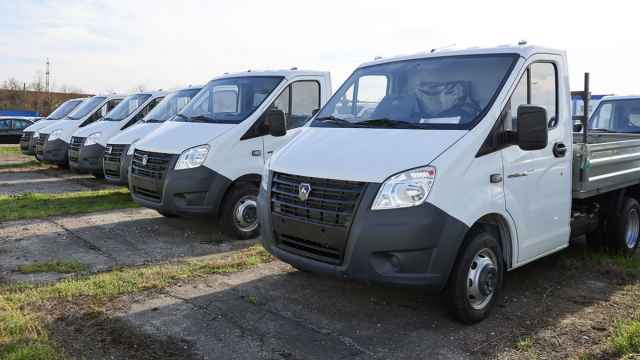
Russian carmaker AvtoVAZ will scale back its 2026 production plans after weaker-than-expected demand for its Lada vehicles abroad, the company's president said, highlighting broader strains in Russia's automotive sector despite hopes for a recovery later this year.
The manufacturer had initially planned to produce 400,000 vehicles in 2026, including 30,000 for export markets, but those targets will now be revised downward, AvtoVAZ President Maxim Sokolov told Interfax.
The move underscores the challenges facing Russia's largest carmaker as high interest rates, a strong ruble and sluggish demand weigh on both domestic and export sales. The Russian auto market has struggled to regain momentum despite the departure of many Western manufacturers following Moscow's invasion of Ukraine.
Sokolov said the ruble's strength was hurting exports by making Russian-made vehicles less competitive abroad.
"Of course, we would like to maximize our production and especially exports," Sokolov said. "But there is no point complaining about the situation, just as there is no point complaining about the weather. We will adjust our production plan accordingly."
AvtoVAZ sold nearly 351,400 vehicles in 2025, including 23,000 exports.
To meet its original 2026 targets, the company would have needed to sell more than 30,800 vehicles per month in Russia and about 2,500 abroad.
Sokolov said AvtoVAZ would try to redirect some vehicles initially intended for export to the domestic market, although demand in Russia has also weakened.
According to industry data from Avtostat, AvtoVAZ sold 63,800 vehicles in the first quarter of 2026, down 17.4% from a year earlier. Sales fell 29% year-on-year in January to 19,600 vehicles and declined 22.5% in February to 19,000 before stabilizing in March at 25,200 vehicles, roughly matching the previous year's level.
If sales continue at that pace, annual deliveries would fall short of 300,000 vehicles.
Weak demand has also led to growing inventories at dealerships.
AvtoVAZ resumed operations in May after a nearly two-week corporate shutdown that the company said was intended for production upgrades. Market participants, however, linked the pause primarily to excess inventory and slow sales.
Sales improved somewhat in April and May, with AvtoVAZ reporting deliveries of nearly 31,200 and 27,500 vehicles, respectively.
Looking ahead, Sokolov said the company's domestic market performance during the first five months of 2026 was broadly in line with the same period of last year.
"Everyone is looking to the second half of the year with more hope than the first," he said. "The key interest rate and the ruble exchange rate will be decisive factors."
Earlier this year, AvtoVAZ sales and marketing director Dmitry Kostromin described the start of 2026 as the worst period for Russia's car market in two decades.
Read this article in Russian at The Moscow Times' Russian service.
A Message from The Moscow Times:
Dear readers,
We are facing unprecedented challenges. Russia's Prosecutor General's Office has designated The Moscow Times as an "undesirable" organization, criminalizing our work and putting our staff at risk of prosecution. This follows our earlier unjust labeling as a "foreign agent."
These actions are direct attempts to silence independent journalism in Russia. The authorities claim our work "discredits the decisions of the Russian leadership." We see things differently: we strive to provide accurate, unbiased reporting on Russia.
We, the journalists of The Moscow Times, refuse to be silenced. But to continue our work, we need your help.
Your support, no matter how small, makes a world of difference. If you can, please support us monthly starting from just $2. It's quick to set up, and every contribution makes a significant impact.
By supporting The Moscow Times, you're defending open, independent journalism in the face of repression. Thank you for standing with us.

Remind me later.