
Finland and Britain on Saturday wrapped up the Northern Axe 25 joint military exercises, one of several early winter drills held by the Northern European nation and attended by NATO allies this year.
Northern Axe 25 saw some 3,000 personnel, including 70 British soldiers, testing their readiness for demanding combat at the secluded Vuosanka training ground in Finland’s eastern Kainuu region.
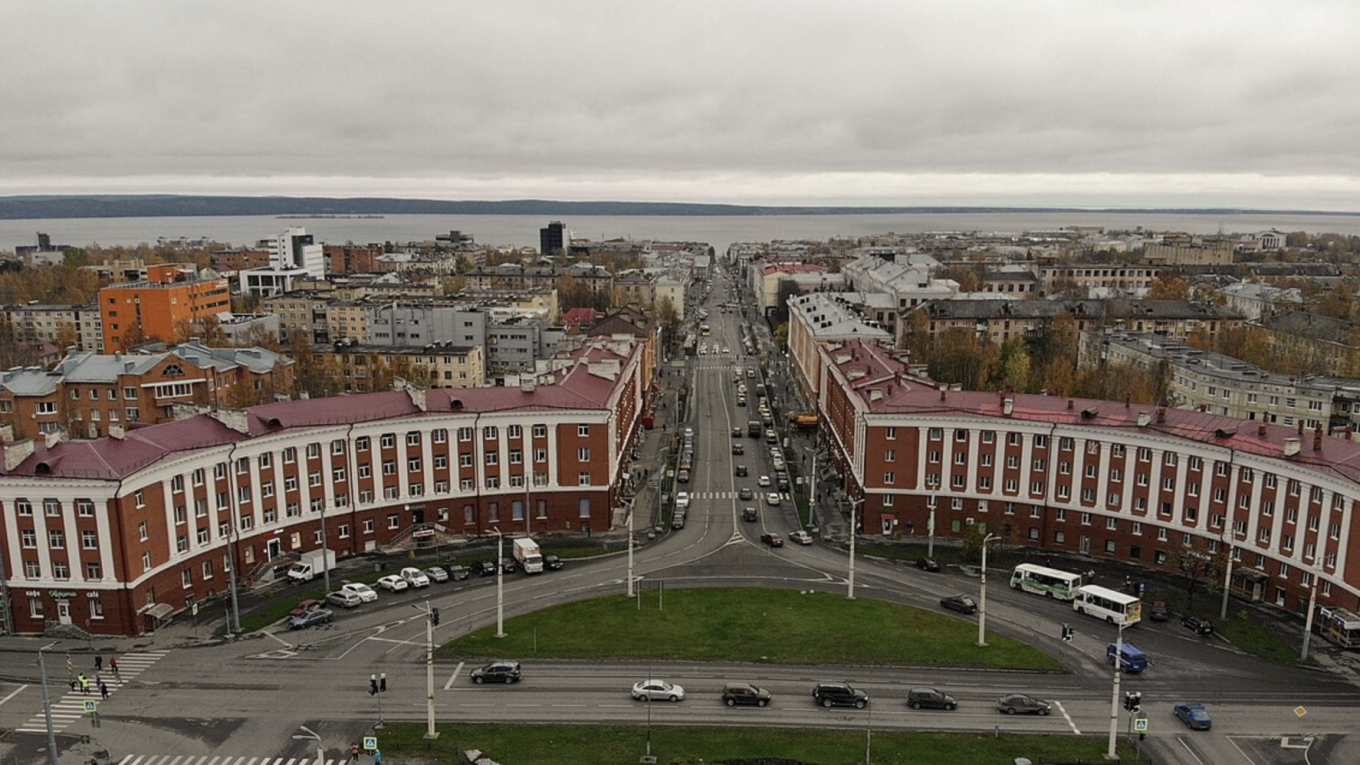
Just 70 kilometers east lies Russia’s republic of Karelia, a vast territory roughly the size of Uruguay with a population just over 530,000 people.
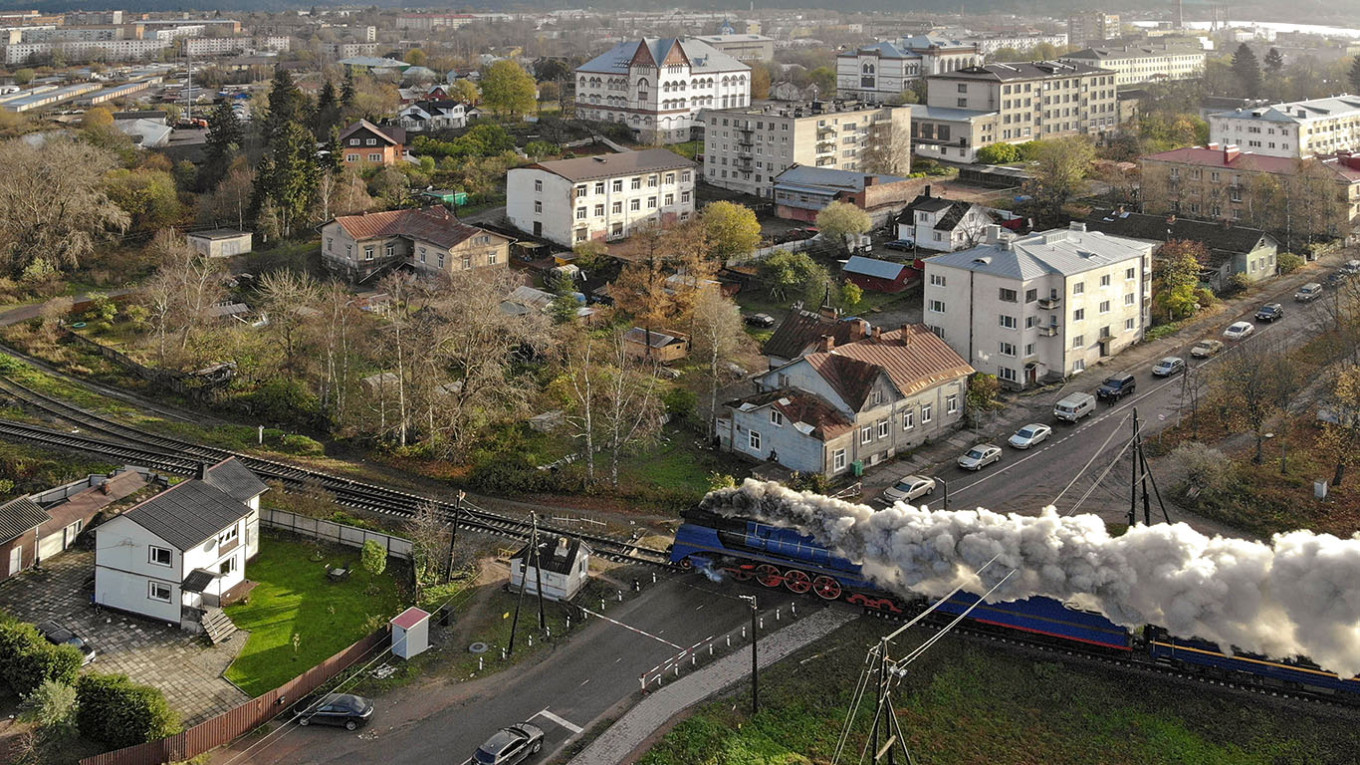
Famed for its natural beauty with pristine glacial lakes and taiga forests, Karelia has long had close cultural and economic ties to Finland.
But when previously non-aligned Finland joined NATO in 2023, the republic became one of Russia’s most important frontiers — sweeping local residents up into the wider geopolitical showdown between Moscow and the West.
“We can see that along the entire perimeter of Russia’s borders, the U.S. is creating zones of tension. Finland has not stayed on the sidelines,” Karelia’s Governor Artur Parfyonchikov said of Finland’s NATO membership in 2023.
“It looks like the state of good neighborly relations…no longer suits our Finnish partners. We regret that the Finns did not take advantage of our course toward the complete demilitarization of Karelia,” he added.
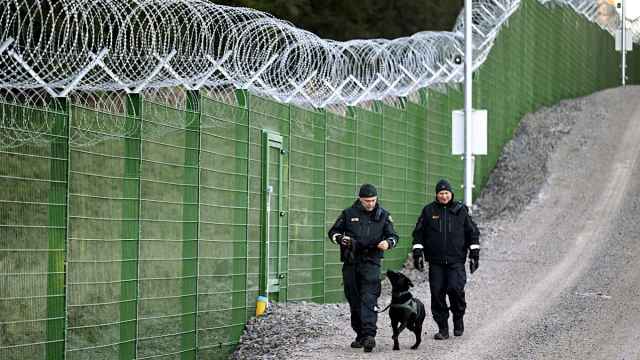
Since 2023, Russia has been rapidly expanding its military infrastructure near Karelia’s 723-kilometer border with Finland, the longest that any Russian region shares with a NATO state.
Ahead of this year’s military exercises in Finland, Karelian authorities doubled down on efforts to defend the border from the alleged threat posed by the alliance by forming volunteer border patrol militias.
“All narratives of our republic’s politicians now center on the idea that Finland is a military threat to us…But no matter how strong the propaganda is, I haven’t noticed an equally sharp shift in public opinion,” said Valeriy Potashov, a journalist from Karelia who left the country due to the threat of arrest earlier this year.
“Yes, among the older generation, those sentiments have resurfaced — that Finland is an enemy, that they attacked us in the past — but middle-aged and young people do not see Finland that way,” Potashov told The Moscow Times.
Gateway to Europe
Finland emerged as Karelia’s key economic partner after the Soviet collapse, with mutual trade volume surpassing $378 million in 2021.
For Karelians, Finland was also a popular tourism destination and an important gateway to a more prestigious European education. Hundreds of residents of Karelia would leave the republic every year to study in Finnish vocational schools and universities, where education in the Finnish language is tuition-free aside from a few exceptions.
At a time of generally positive bilateral relations between the republic and Finland, optional Finnish language classes were offered even at local state-run schools across Karelia.
“I think half of my classmates are living here now,” said a woman from the Karelian town of Olonets who now lives in Finland.
“We are a border region, so there is nothing unusual about it. My grandma worked at a hotel and had many Finnish acquaintances, so I used to go to Finland as a child, too,” she told The Moscow Times.
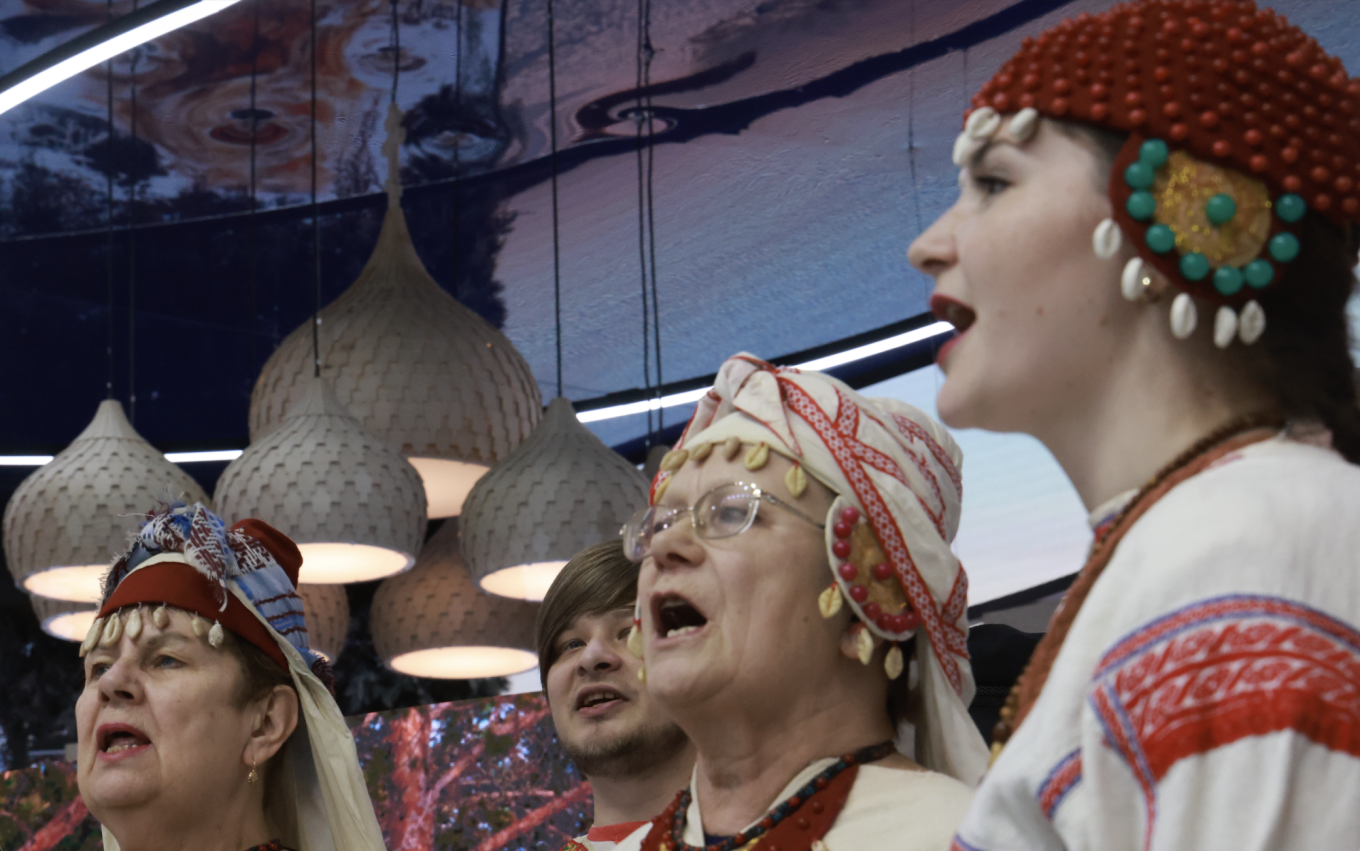
The woman, who requested anonymity, recalled how representatives from Finnish colleges would come to Karelia’s capital Petrozavodsk to scout for prospective students back in the 2010s.
“They would come and hold [admission] interviews that anyone could attend — that’s how I got in. One didn’t need a solid foundation in Finnish or parents’ money [to study in Finland], the entry was accessible to quite a lot of people,” she recalled.
Finland was among the first European countries to limit the issuance of visas to Russians after the start of the full-scale invasion of Ukraine in 2022, though student visas were not affected.
In 2023, Helsinki closed all its border crossings with Russia amid an uptick in asylum seekers from the Middle East and Africa that it said was orchestrated by Moscow.
Though moving to Finland has become increasingly difficult, Karelians' interest in studying there has only grown since the start of the Ukraine war, according to journalist Potashov.
“Parents want their children to receive a European education and have the whole world open to them, especially in a situation where the Iron Curtain is descending again,” Potashov noted. “It is also a way to protect their children from being drafted into the army and sent to war.”
Severed lifeline
While Finnish academia became a precious lifeline for some, for ethnic Karelians, the republic’s main Baltic Finnic Indigenous group, its proximity has helped to accelerate brain drain and Indigenous population decline, but also offered a precious opportunity to save their rapidly dying language.
Ethnic Karelians have historically been divided by cultural influences and national borders alike — a split that dates back to the days of the medieval Novgorod Republic and has persisted since the end of the Cold War.
Eastern Karelia has been part of the Russian Empire since 1323. Western Karelia, in turn, was obtained by Russia from Sweden in 1721. It was administratively reunited with Finland in the 19th century and later annexed by the Soviet Union.
“Many specialists in Karelian [language and culture]...left the republic to live and work in the neighboring country. Those were people with a strong command of both Finnish and Karelian,” a Karelian language activist told The Moscow Times.
“Today, the Karelian language is developing at a much faster pace in Finland than in the republic of Karelia,” they noted, speaking on condition of anonymity.
With 25,900 residents identifying as ethnically Karelian, the Indigenous group accounts for less than 5% of Karelia’s population, the lowest percentage of an Indigenous population that has a republic named after them in Russia.
Overall, the number of ethnic Karelians living in Russia has decreased by nearly half in a decade between the country’s two latest censuses — one of the most dramatic declines of all Indigenous groups, attributed to both the Kremlin’s russification policies as well as the migration of ethnic Karelians to Finland.
Having lost more than 74% of speakers in the same decade, the Karelian language became the fastest-disappearing minority language in Russia.
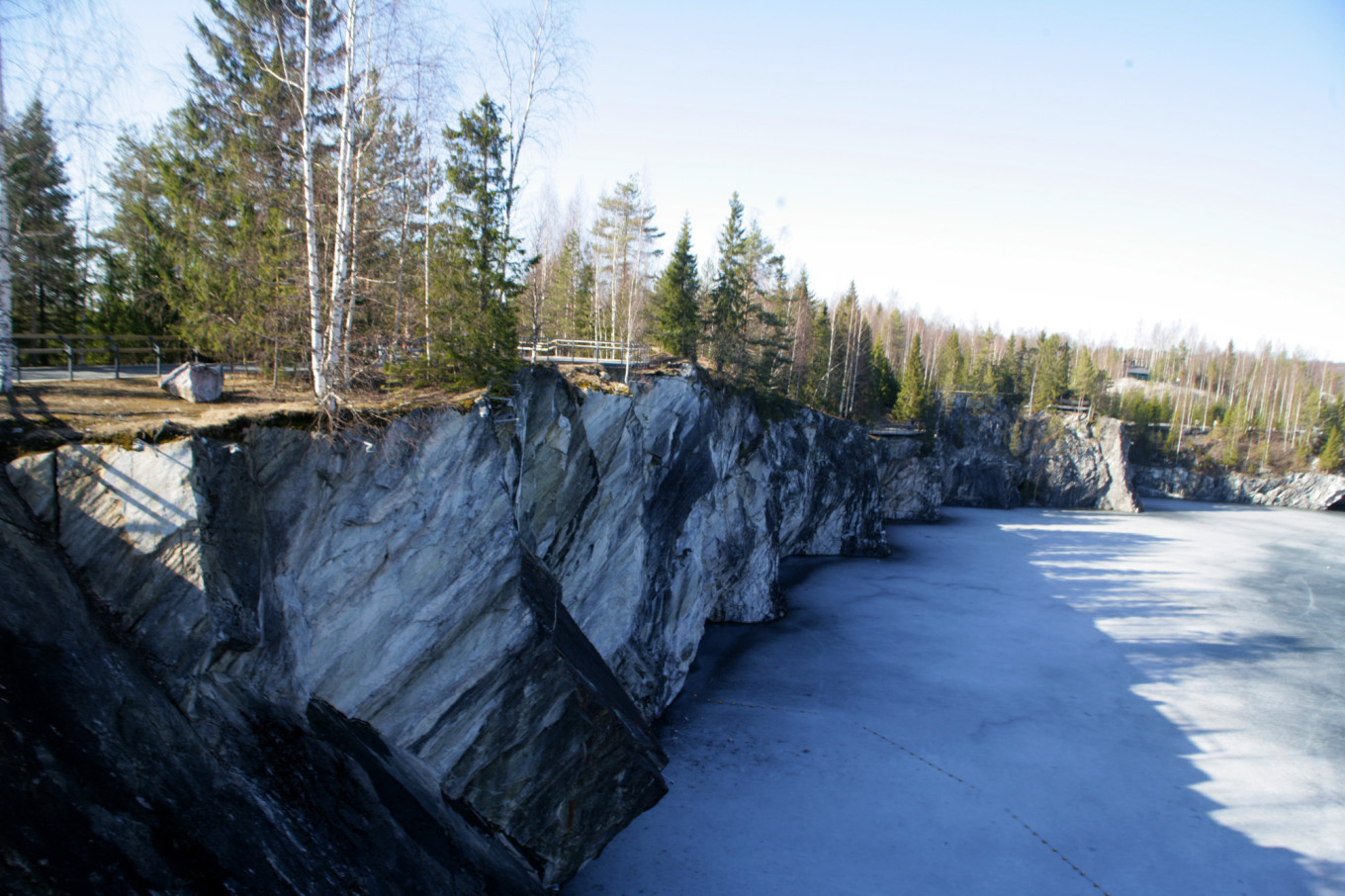
One of the reasons for the rapid erasure of Karelian is its peculiar legal status. Though recognized as the republic’s “official language,” it does not have the status of the “state language,” meaning it cannot be used in legal proceedings or as the primary language of government work.
The same is not true for other ethnic republics of Russia, where local laws still allow for Indigenous languages to be used alongside Russian in official settings — at least on paper.
Karelian was sidelined by the Soviet and then Russian government because its speakers never switched to a Cyrillic alphabet, unlike dozens of other minority languages that did so under pressure from the Soviet authorities.
Across the border in Finland, scholars and language enthusiasts have been working to revitalize Karelian and secure its status as a language separate from mutually intelligible Finnish over the past two decades.
Before Russia invaded Ukraine, “the Finnish side used to support publication of fiction books and educational literature in the Karelian language, as well as scientific publications and periodicals” that made their way into the republic, according to the activist.
Though language enthusiasts remaining in Karelia have managed to maintain personal contacts with Finnish counterparts, the geopolitical rift has severed regular cross-border knowledge exchange.
It also deprived them of access to vital resources produced in Finland, including a one-of-a-kind six-volume dialect dictionary of the Karelian language.
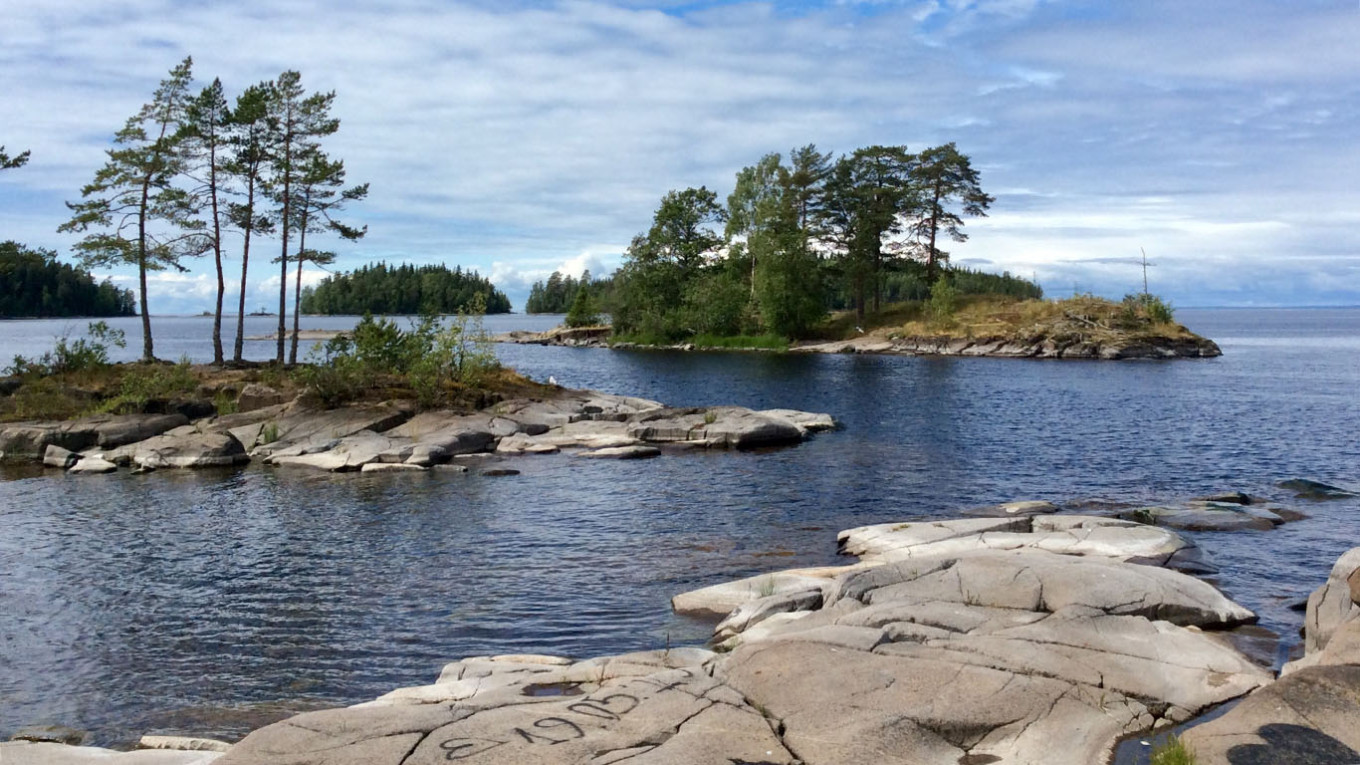
“For us [linguists and activists in Karelia] this dictionary was of great help: it contains extensive material on all dialects of the Karelian language with samples collected across the entire territory of Karelia,” said the Karelian activist.
And while other natives of Karelia who spoke with The Moscow Times expressed hope that relations with their western neighbor would inevitably change for the better, the Karelian activist voiced a bleak outlook for their community amid a sense of overwhelming “fatigue and disappointment.”
“It seems to me that no measures can now help change the sad trajectory of the Karelian language’s disappearance. We need to face the truth: the people who are interested in this issue and capable of developing the language mostly no longer live in Karelia or have already grown old,” they said.
A Message from The Moscow Times:
Dear readers,
We are facing unprecedented challenges. Russia's Prosecutor General's Office has designated The Moscow Times as an "undesirable" organization, criminalizing our work and putting our staff at risk of prosecution. This follows our earlier unjust labeling as a "foreign agent."
These actions are direct attempts to silence independent journalism in Russia. The authorities claim our work "discredits the decisions of the Russian leadership." We see things differently: we strive to provide accurate, unbiased reporting on Russia.
We, the journalists of The Moscow Times, refuse to be silenced. But to continue our work, we need your help.
Your support, no matter how small, makes a world of difference. If you can, please support us monthly starting from just $2. It's quick to set up, and every contribution makes a significant impact.
By supporting The Moscow Times, you're defending open, independent journalism in the face of repression. Thank you for standing with us.

Remind me later.