
Hello and welcome to Regions Calling by The Moscow Times, a newsletter spotlighting Russia’s regions and ethnic republics.
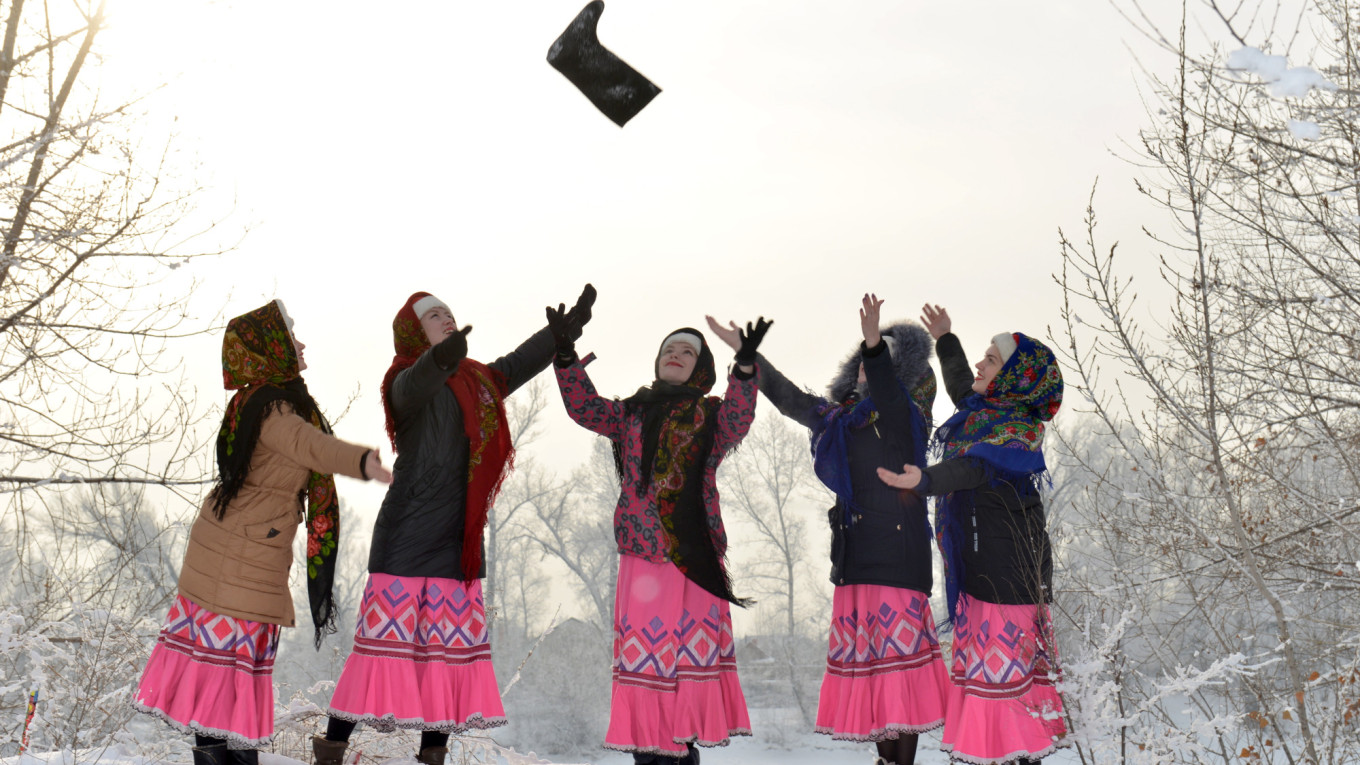
The days between Orthodox Christmas on Jan. 7 and Epiphany on Jan. 19 mark the height of Russia’s 12 Days of Christmas celebrations, known in Russian as sviatki.
In Slavic tradition, sviatki are associated with folk rituals and fortune-telling as people seek glimpses of what the year ahead may hold.
In the spirit of the season, we are also dedicating our first newsletter of 2026 to looking ahead. We asked five experts to share which developments in Russia’s regions and ethnic republics they will be watching this year and whether they foresee any shifts away from the wartime status quo.
Here is what they said.
These interviews have been edited for length and clarity.

Andras Toth-Czifra, expert on Russia's domestic politics and political economy
I will be tracking liquidity problems as they arise in regional and local budgets, the issues they cause or exacerbate and what financial and political leeway governors are given to deal with them.
Most regions are starting 2026 with lean budgets and depleted fiscal reserves, but spending pressure on social policy will likely remain high. We are already seeing the effects in regions such as Kemerovo and Irkutsk. Other regions heavily dependent on declining industries may face similar crunches in 2026.
I will also follow the municipal administration reform, which created backlash not only among citizens but also among lower-tier elites. This could impact regional political stability on the eve of the 2026 Duma election.
The reform also reduces the number of lower-tier administrative positions into which returning war participants could, from the Kremlin's point of view, be ‘safely’ appointed, creating further friction.
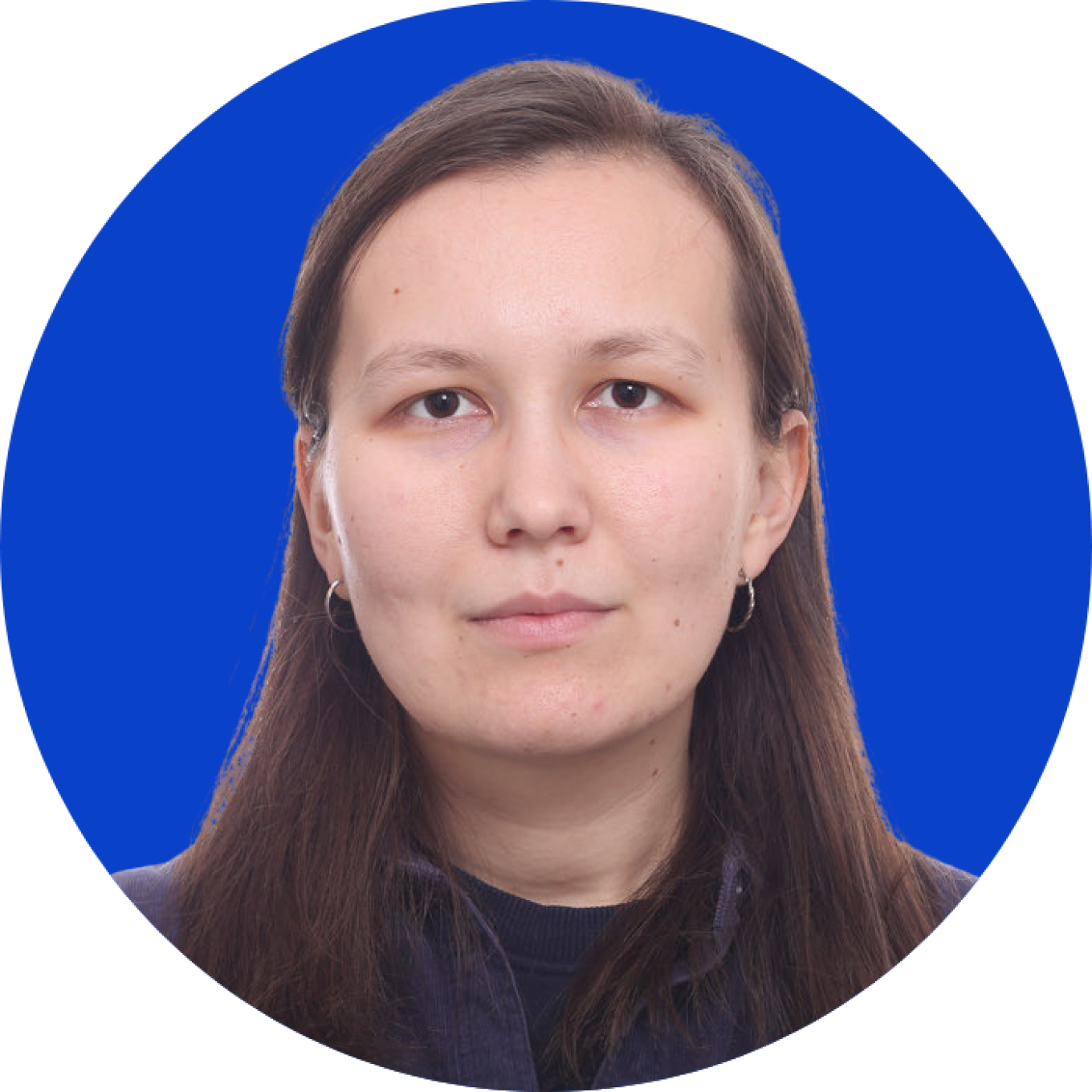
Iliuza Mukhamedianova, Bashkir social researcher
I will pay attention to grassroots dynamics in the republics rather than formal political processes.
Local protests, cultural initiatives, educational projects and ‘quiet’ activism are rarely covered by major media outlets, yet they reveal a great deal about the state of society. In Bashkortostan, this primarily concerns the Baymak protests.
Environmental conflicts related to resource extraction and land use are also important, particularly those in rural and Indigenous communities. These flashpoints are where issues of identity, economic inequality, and political resistance intersect.
I do not expect rapid or radical positive changes in the political life of ethnic republics at the institutional level. Rather, I foresee a worsening of the existing situation, more repression and tighter government control.
However, people in Russia’s republics will be forming new grassroots networks and developing new forms of solidarity actions. It is precisely these kinds of changes that may become the foundation for future transformations in the country.

Harold Chambers, expert on nationalism, conflict and security in the North Caucasus
I will be closely observing socioeconomic pressures, such as infrastructure failures or inflation and unemployment, threats from extremist groups, like the Islamic State or Maniac Murder Cult, as well as any peaceful or violent resistance.
Specific events I will be watching are the official opening of the new Putin neighborhood in Grozny and Dagestan’s parliamentary elections and the Duma elections. 2026 will also mark five years since the elimination of Aslan Byutukayev [the alleged leader of the Islamic State group in Chechnya], so there is potential for activity by insurgents or the authorities.
There are two foreseeable causes for increased instability in the North Caucasus in 2026.
First, the Ukraine invasion continues to come home. This not only includes the social consequences of mobilization efforts, but also increased activity by Ukraine-aligned actors throughout the region and continued drone attacks.
The second foreseeable cause is an escalation of the succession battle in Chechnya. As Ramzan Kadyrov embeds his son Adam even further into the republic, anti-Kadyrov federal officials will look for ways to circumvent or undermine his succession planning.
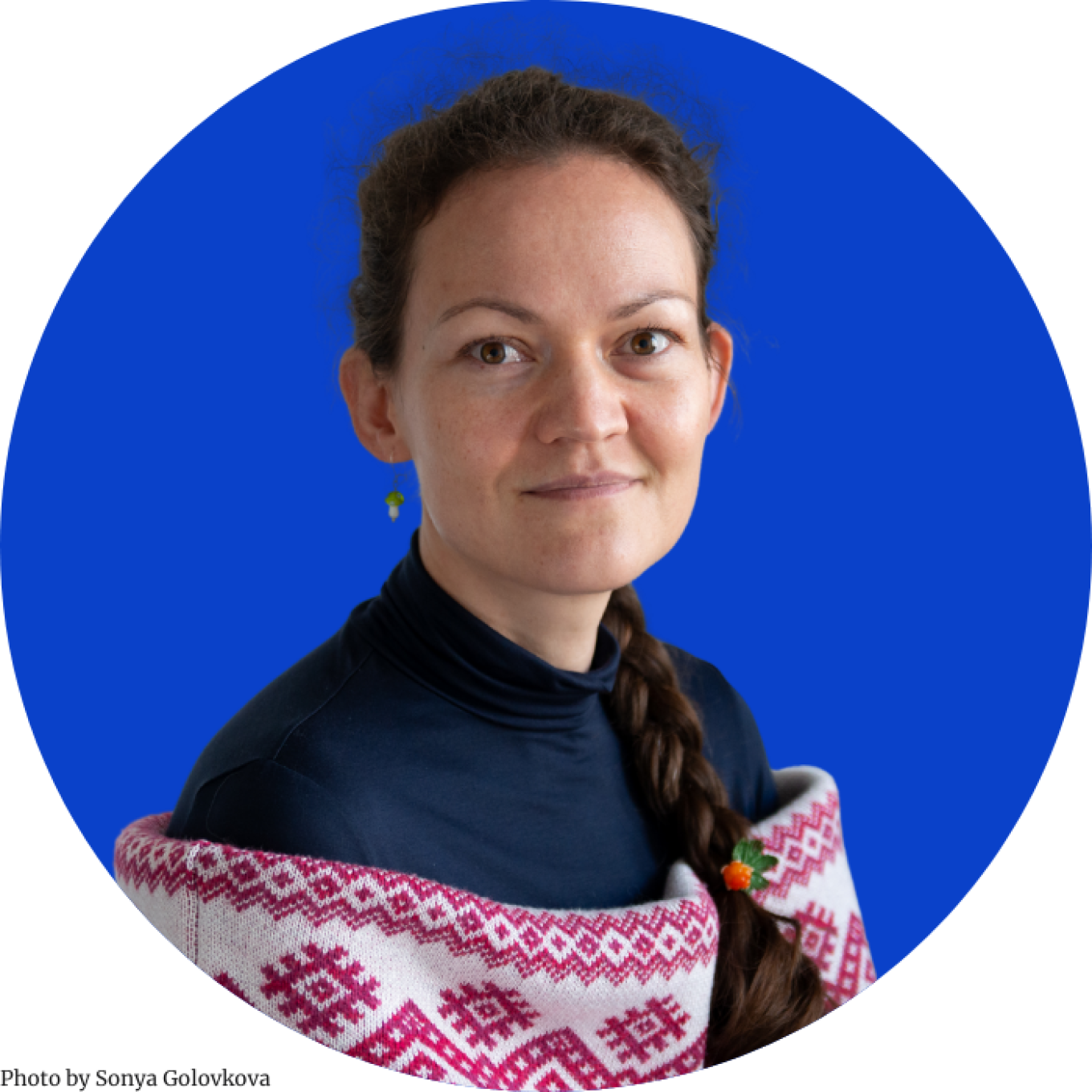
Lana Pylaeva, Komi human rights activist and analyst
The Russian government has been paying increased attention to Indigenous communities over the past year. Vladimir Putin even declared 2026 the Year of the Unity of the Peoples of Russia and introduced two new holidays.
Russia is increasingly trying to use Indigenous people to pursue its geopolitical initiatives, like offering Trump yet another business deal and improving its image in the Global South as a decolonial alternative to the Western powers. Meanwhile, Indigenous activists have again been targeted in a wave of arrests in December.
So, I will, first and foremost, be following developments related to the violation of Indigenous peoples' rights. I expect repressions will worsen and displays of indigenous identities will be increasingly limited to government-sanctioned festivals.
I will also follow the infrastructural projects that Russia is vigorously developing in the Arctic, including the construction of a large open-air nature reserve and a year-round resort in the Northern Urals.
In my native republic of Komi, I will be tracking prospective gold mining at the Chudnoe deposit, as well as the insane plans to build a water pipeline from the Pechora and Northern Dvina rivers to the occupied Donbas, among other things.
Of course, I will continue to follow local activism in Komi. It makes me really happy that there are still people on the ground who continue to engage in some form of struggle.
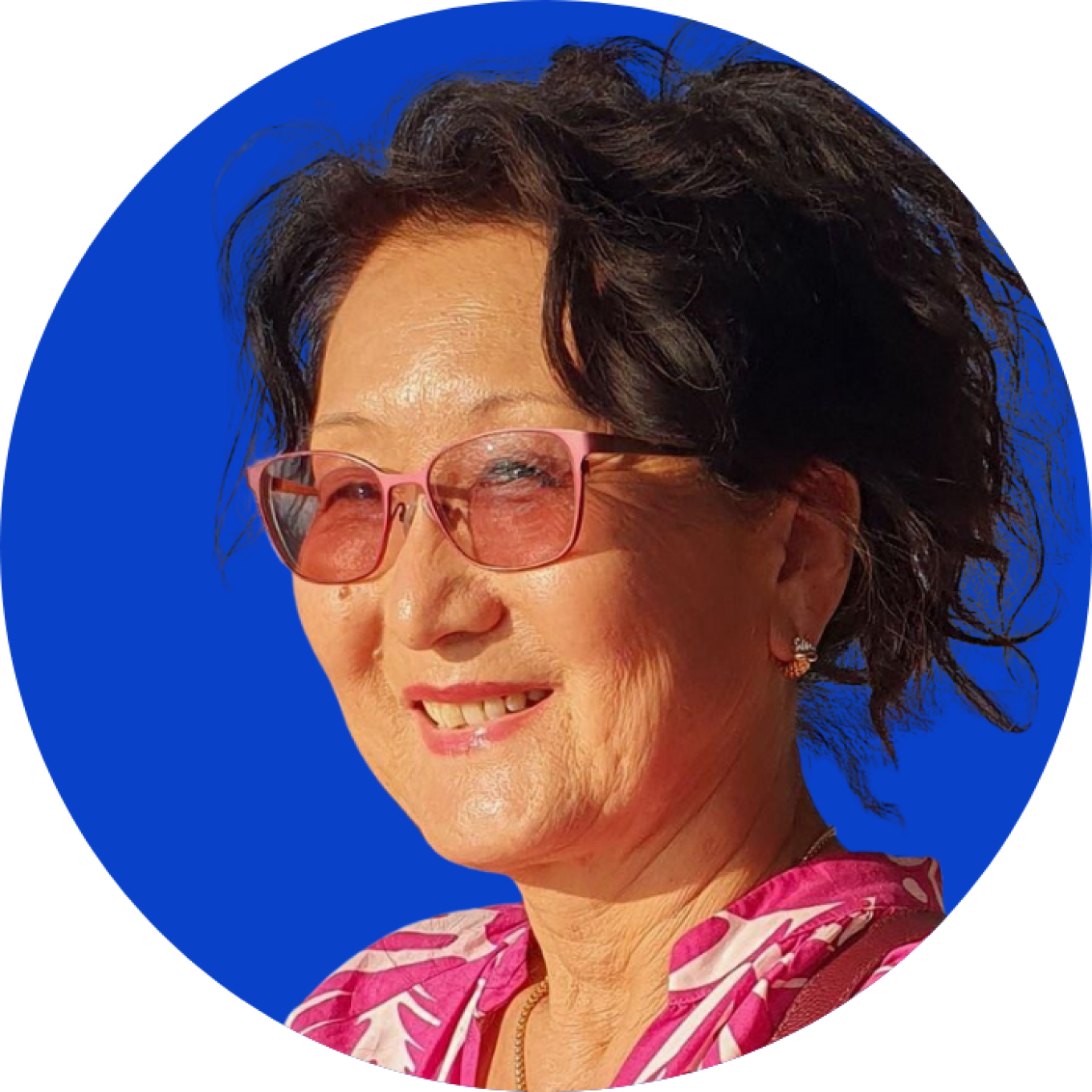
Dr. Maria Ochir-Goryaeva, Oirat (Kalmyk) historian and human rights defender
The same events that troubled me in 2025 will be at the center of my attention in 2026.
With anxiety and pain, I watched as new laws stripping Russia’s republics of sovereignty were passed one after another. In schools, the study of indigenous languages and literature is being gradually abolished.
The militarization of both school and preschool education is worsening. While fathers and older brothers are dying in a war in a foreign country, the youth are being prepared for the same fate.
But I also saw new grassroots initiatives aimed at living and breathing the national identity, culture and language are being created — this is encouraging.
The world greeted 2026 with an inner readiness for the most radical changes: either the signing of a peace agreement and the end of this terrible war, or escalation and the beginning of a third world war. Both outcomes have equal chances.
A time is coming that demands strong people. No matter how the situation on the global stage unfolds, every Kalmyk and every Oirat must do everything possible to preserve our republic and ourselves as a people. Whether we have a future now depends on ordinary citizens, because those at the top are not concerned with this at all.
A Message from The Moscow Times:
Dear readers,
We are facing unprecedented challenges. Russia's Prosecutor General's Office has designated The Moscow Times as an "undesirable" organization, criminalizing our work and putting our staff at risk of prosecution. This follows our earlier unjust labeling as a "foreign agent."
These actions are direct attempts to silence independent journalism in Russia. The authorities claim our work "discredits the decisions of the Russian leadership." We see things differently: we strive to provide accurate, unbiased reporting on Russia.
We, the journalists of The Moscow Times, refuse to be silenced. But to continue our work, we need your help.
Your support, no matter how small, makes a world of difference. If you can, please support us monthly starting from just $2. It's quick to set up, and every contribution makes a significant impact.
By supporting The Moscow Times, you're defending open, independent journalism in the face of repression. Thank you for standing with us.

Remind me later.