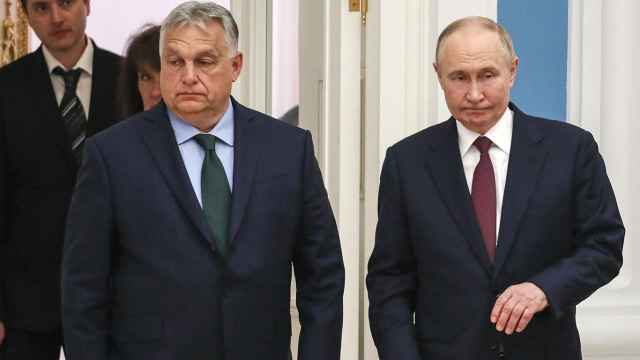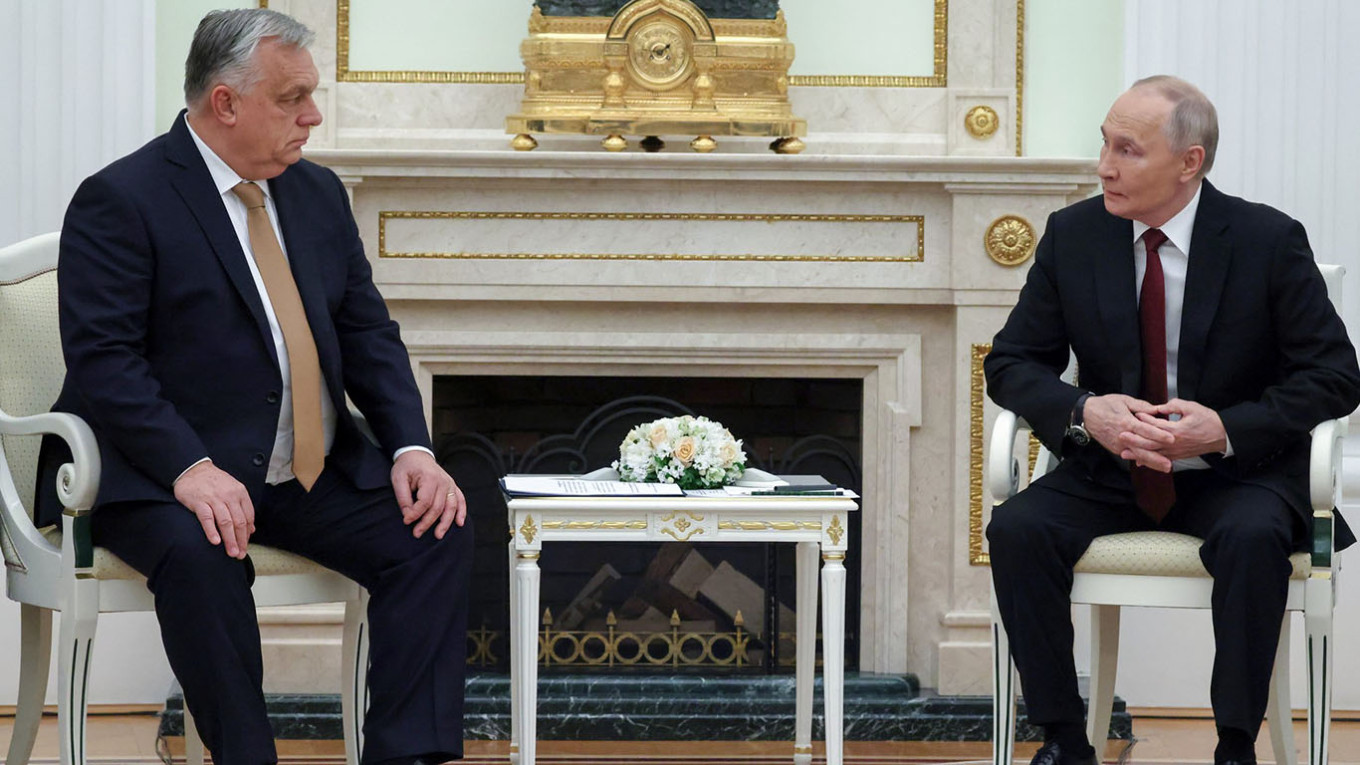
Russia has agreed to free two Ukrainian-Hungarian dual nationals captured while fighting for Ukraine, President Vladimir Putin said Wednesday, after Hungarian Prime Minister Viktor Orbán appealed for their release in a phone call earlier this week.
In a meeting with Hungarian Foreign Minister Péter Szijjártó in the Kremlin, Putin claimed that Ukraine “forcibly conscripted” the two men and that he personally made the decision to release them.
“As the prime minister requested, you will be able to take them with you on the plane you arrived on,” Putin told Szijjártó.
Hungary is one of the few European countries to maintain close ties with Russia amid its war on Ukraine and has consistently opposed military aid for Kyiv.
Ukraine is home to a large Hungarian minority, most of whom live in the western Zakarpattia region and hold dual citizenship.
The Russian Defense Ministry published a video last week that showed a Hungarian-Ukrainian dual national being held as a prisoner of war, alleging he had been forced to enlist in the Ukrainian army.
During their meeting on Wednesday, Szijjártó also urged Putin not to raise energy prices for Hungary after the outbreak of war in the Middle East sent global markets reeling.
“I came here ... to be assured and obtain a guarantee that even in the midst of the current crisis, the quantities of natural gas and crude oil necessary for Hungary's energy security will be available, and that they will be delivered to Hungary from Russia at the same price," Szijjártó said.
Putin told the foreign minister that “not everything depends on us, but, I repeat, we have always been reliable suppliers.”
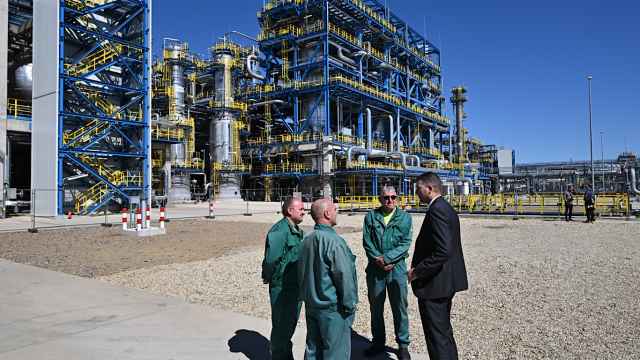
Hungary is the European Union's biggest importer of Russian fossil fuels, having maintained purchases and secured exemptions from sanctions despite pressure from Brussels.
Szijjártó’s visit also came after oil flows to Hungary and Slovakia via Russia’s Druzhba pipeline stopped after a Russian strike allegedly damaged the line in late January.
Kremlin spokesman Dmitry Peskov said Wednesday that buyers of Russian oil were “facing blackmail” and accused Ukraine of “deliberately blocking deliveries through the Druzhba pipeline.”
AFP contributed reporting.
A Message from The Moscow Times:
Dear readers,
We are facing unprecedented challenges. Russia's Prosecutor General's Office has designated The Moscow Times as an "undesirable" organization, criminalizing our work and putting our staff at risk of prosecution. This follows our earlier unjust labeling as a "foreign agent."
These actions are direct attempts to silence independent journalism in Russia. The authorities claim our work "discredits the decisions of the Russian leadership." We see things differently: we strive to provide accurate, unbiased reporting on Russia.
We, the journalists of The Moscow Times, refuse to be silenced. But to continue our work, we need your help.
Your support, no matter how small, makes a world of difference. If you can, please support us monthly starting from just $2. It's quick to set up, and every contribution makes a significant impact.
By supporting The Moscow Times, you're defending open, independent journalism in the face of repression. Thank you for standing with us.

Remind me later.