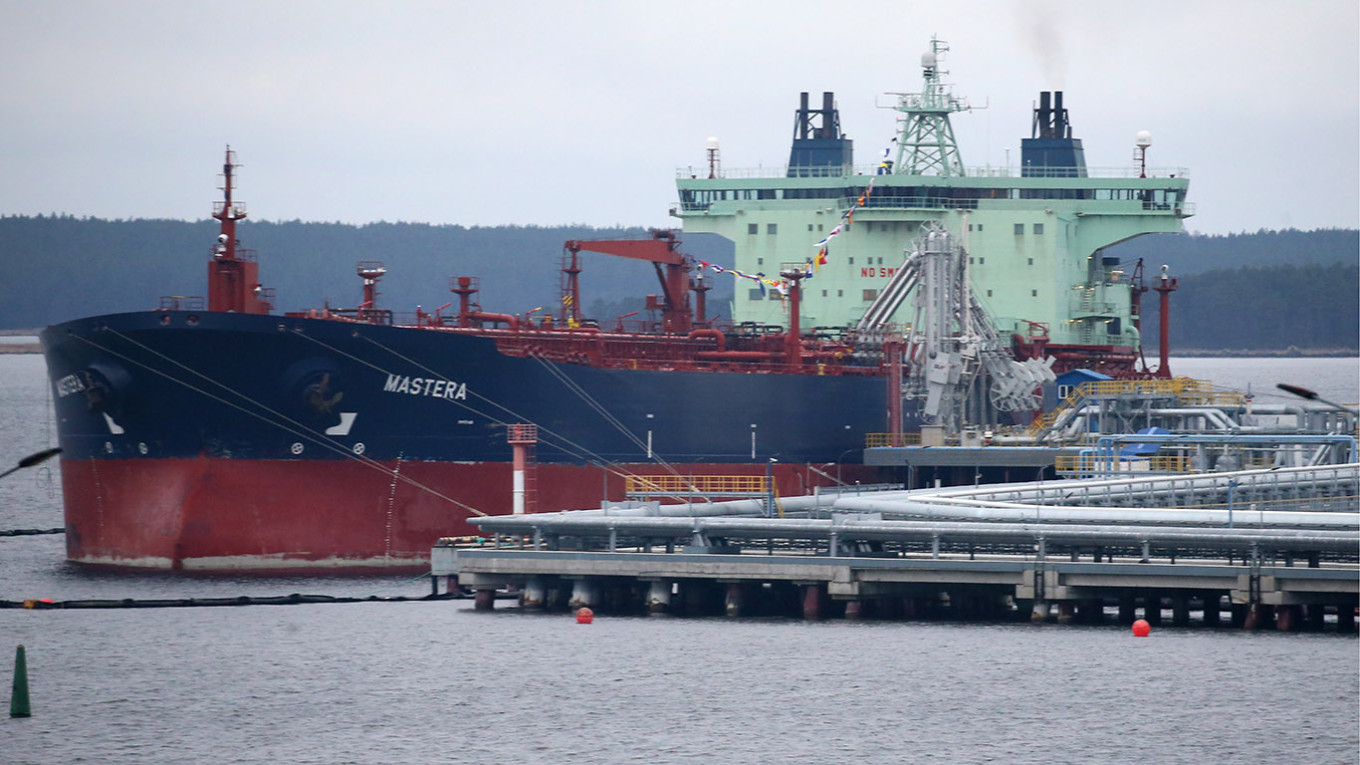
The British government on Tuesday revealed what it called its “biggest sanctions package” against Russia since the full-scale invasion of Ukraine, targeting the oil pipeline operator Transneft and scores of other companies accused of trading Russian crude through the so-called “shadow fleet” network of ships.
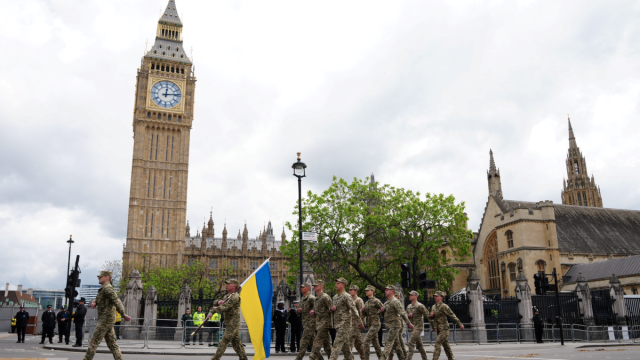
London, which timed the announcement of the new sanctions package with the fourth anniversary of the war, said it was taking “decisive action to disrupt the critical financing, military equipment and revenue streams that sustain Russia’s aggression.”
Britain’s Foreign Office said Transneft transports more than 80% of Russia’s crude exports, noting that the new sanctions against the company would further hamper Moscow’s energy revenues.
Transneft has been under U.S. sanctions since 2014.
London also sanctioned 48 “shadow fleet” oil tankers, as well as 175 companies in the Dubai-based 2Rivers group, which British authorities accuse of being one of the world’s largest “shadow fleet” operators and a major trader of Russian crude oil.
“Deterring, disrupting and degrading the Russian shadow fleet remains a priority for this government,” the Foreign Office said. “To the Kremlin and those seeking to profit from this illicit trade, the message is clear — Russian oil is off the market.”
Overall, the United Kingdom has sanctioned 3,000 people, entities and ships as part of its sanctions against Russia. The Foreign Office said international sanctions have so far cost Moscow $450 billion, or two years of war spending.
Russia, a critical global energy supplier, has continued to sell crude oil despite Western restrictions on its exports since 2022. However, it has been forced to sell crude at much lower prices, primarily to countries like China and India.
A Message from The Moscow Times:
Dear readers,
We are facing unprecedented challenges. Russia's Prosecutor General's Office has designated The Moscow Times as an "undesirable" organization, criminalizing our work and putting our staff at risk of prosecution. This follows our earlier unjust labeling as a "foreign agent."
These actions are direct attempts to silence independent journalism in Russia. The authorities claim our work "discredits the decisions of the Russian leadership." We see things differently: we strive to provide accurate, unbiased reporting on Russia.
We, the journalists of The Moscow Times, refuse to be silenced. But to continue our work, we need your help.
Your support, no matter how small, makes a world of difference. If you can, please support us monthly starting from just $2. It's quick to set up, and every contribution makes a significant impact.
By supporting The Moscow Times, you're defending open, independent journalism in the face of repression. Thank you for standing with us.

Remind me later.