Azerbaijan and Iran have responded very differently to reports that Russia is recruiting their citizens to fight in Ukraine, which Moscow denies. Tehran has remained silent. Baku, by contrast, has warned that participation in foreign armed formations is a criminal offense.
The Russian Embassy in Tehran denied having any connection to flyers recruiting for the Russian military that had appeared in the city, offering Iranian men aged 18 to 45 sign-up bonuses of up to $20,000 and monthly salaries of around $2,000. Although Moscow denied the recruitment scheme, an investigation reached out to alleged recruiters in Moscow, whose Telegram group attracted more than 2,000 subscribers since its creation on Nov. 4.
The primary criterion recruits have in common is desperation. Multiple documented cases in Azerbaijan suggest that, despite Moscow’s denials, illegal recruitment mainly targets people under the pressure created by imprisonment, immigration and unemployment.
One such case is that of Ismail Hasanov, an Azerbaijani citizen imprisoned in Russia who applied twice to serve the remainder of his 3.5-year sentence in Azerbaijan. Both requests were denied.
According to court testimony, Wagner mercenary leader Yevgeny Prigozhin later visited the prison and offered Hasanov a deal: six months of fighting in Ukraine in exchange for freedom, Russian citizenship as a decorated war hero and a payment of 91,100 rubles ($1,150).
While he was in Russia, they contacted him again and offered him the chance to fight as a mercenary in Ukraine, Mali and Syria for 25,000 rubles ($316) per month. He claimed in his trial that he refused combat roles and his primary task was evacuating dead and wounded Russian soldiers from the battlefield.
Upon his return to Azerbaijan, he was found guilty of unlawfully participating in the activities of a foreign armed formationand sentenced to 3.5 years in prison. Meanwhile, Moscow remained silent about how an imprisoned foreign citizen was recruited to fight in a war.
Previously, there were accounts of Moscow exploiting former Afghan military personnel grappling with economic problems in Iran after fleeing the Taliban regime. A similar dynamic has played out among Azerbaijani veterans of the 2020 Nagorno-Karabakh War. Men like Emin Najafzadeh, who faced difficulties reintegrating into civilian life, enlisted after hearing from former comrades that pay in Russian formations far exceeded average wages at home.
Neither Azerbaijani nor Russian officials have publicly addressed the circumstances of his recruitment, his injury or the financial incentives he was offered.
He described in an interview with an Azerbaijani outlet how his thoughts were warped by desperation: “My child's illness and my inability to find a job in Azerbaijan changed all my life principles. There is no longer any humanity left in me. Therefore, it no longer matters to me whether what I am doing is right or wrong. My only goal is to provide treatment for my child.”
Also last year, reports emerged that Azerbaijani citizens Elkhan Shirinov and Vugar Maharramov were detained in Chechnya on charges of violating the migration laws. Allegedly, they were then threatened with being shot in a field unless they undertook military training in Grozny.
Unlike other cases, Azerbaijan requested that the Russian Foreign Ministry ensure their return to the country. They returned after a month of negotiations. This raises troubling questions about the number of migrants without access to consular support being forcibly sent to the front under similar conditions.
Together, these cases show how Russia exploits the vulnerability of its neighbors’ citizens. Prisoners are offered freedom, veterans are offered wages far exceeding domestic ones, and migrants are coerced through detention. Neither Azerbaijan nor Iran diplomatically protested Russia’s offer of a survival strategy.
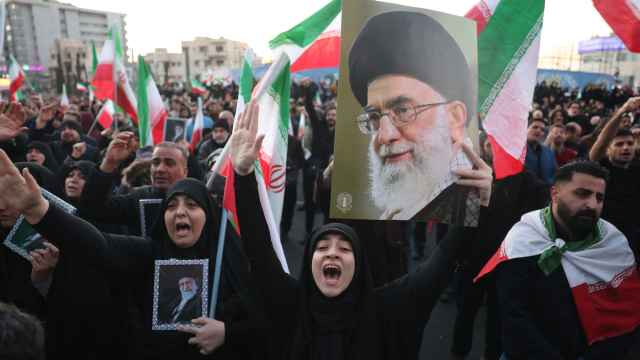
Tehran’s response was silence, not even raising the topic between diplomats. A diplomatic notice over alleged recruitment flyers could complicate relations with Russia even before mass protests gripped the country in early 2026.
Azerbaijan chose to sidestep direct political confrontation and turn to the courts. By prosecuting individuals, Baku draws a line between its national policy and Moscow’s irregular formations without challenging the bilateral relationship. The responsibility is shifted to individuals, rather than the state that recruited them.
Understandably, the emotional and economic pressure foreign fighters use to excuse their involvement does not wipe away the crimes that they committed in the war. However, we can’t completely ignore the circumstances under which they were recruited.
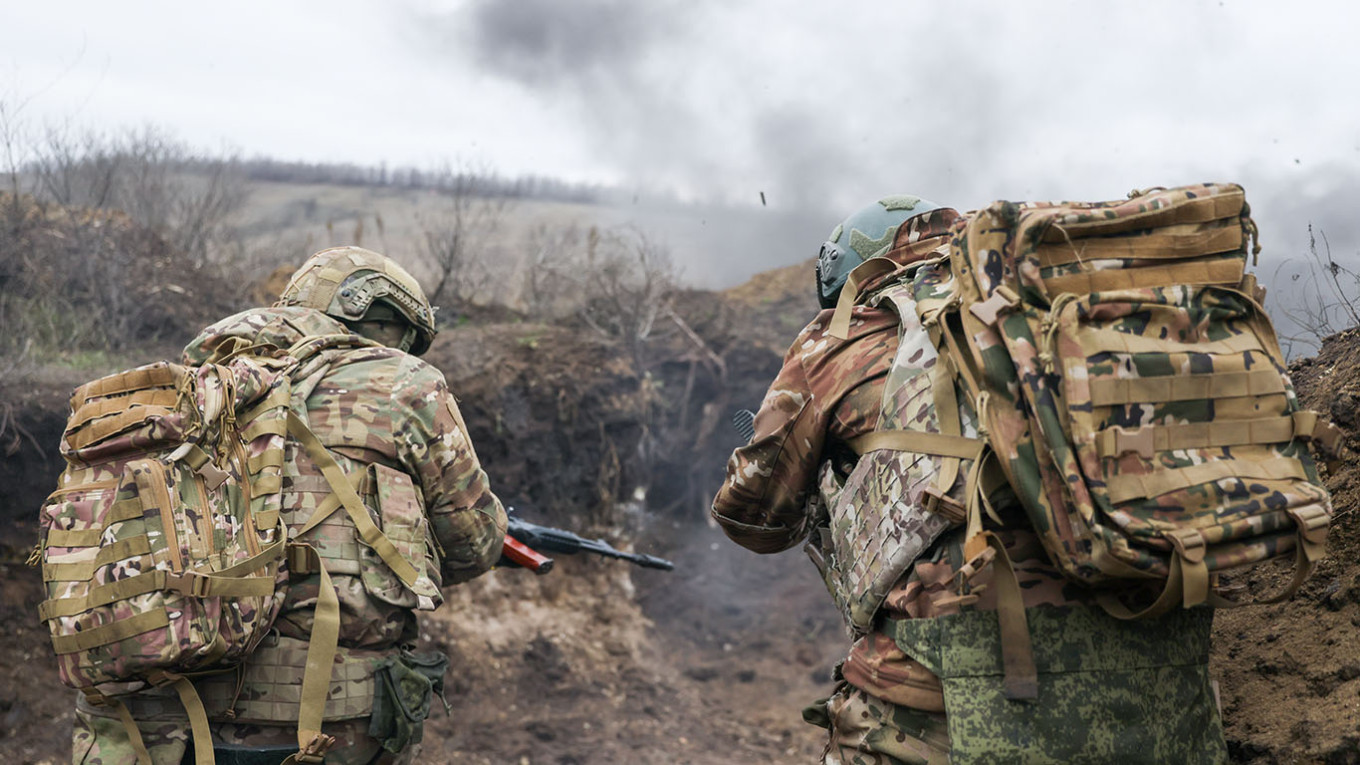
They are disposable manpower, offered a way out of societies strained by war trauma, poverty and inequality, only to be abandoned by the people who promised them a future. This is not a justification of the actions of these men, but a recognition of the Russian illegal recruitment system, deliberately designed to exploit desperate foreigners as easy sacrifices.
A Message from The Moscow Times:
Dear readers,
We are facing unprecedented challenges. Russia's Prosecutor General's Office has designated The Moscow Times as an "undesirable" organization, criminalizing our work and putting our staff at risk of prosecution. This follows our earlier unjust labeling as a "foreign agent."
These actions are direct attempts to silence independent journalism in Russia. The authorities claim our work "discredits the decisions of the Russian leadership." We see things differently: we strive to provide accurate, unbiased reporting on Russia.
We, the journalists of The Moscow Times, refuse to be silenced. But to continue our work, we need your help.
Your support, no matter how small, makes a world of difference. If you can, please support us monthly starting from just $2. It's quick to set up, and every contribution makes a significant impact.
By supporting The Moscow Times, you're defending open, independent journalism in the face of repression. Thank you for standing with us.

Remind me later.