
As 2025 draws to a close, many Russians are looking to the new year in the hope it might bring an end to the Kremlin’s war in Ukraine, which has killed tens of thousands on both sides and displaced millions during nearly four years of fighting.
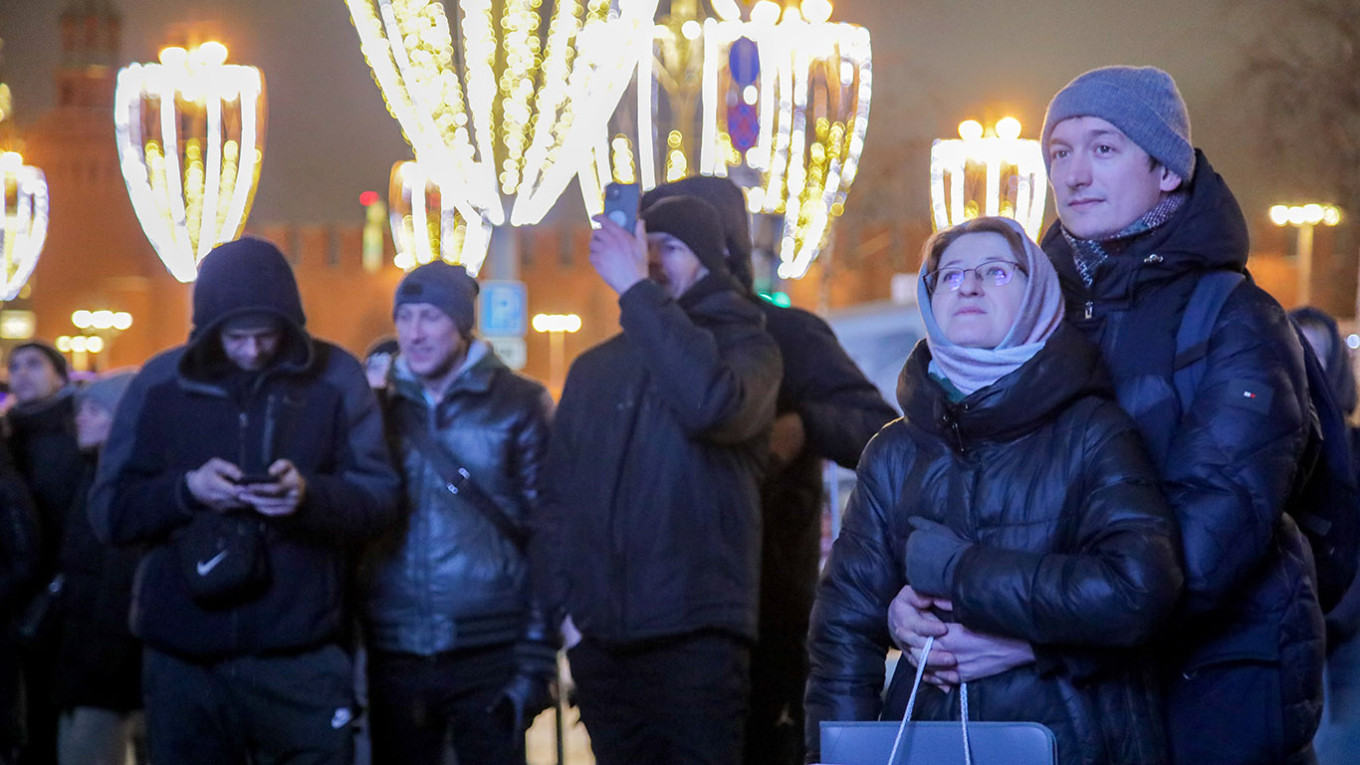
While U.S.-mediated peace efforts this year have so far failed to end the conflict, Russians who spoke to The Moscow Times said they are holding onto hope for peace as they celebrate New Year’s, their country’s most festive holiday.
“When it comes to a wish for my fellow countrymen, the only thing that comes to mind is an end to the war,” said Andrei, 30.
A majority of Russians — around 65% — believe it is time to move toward peace talks, according to a November survey by the Levada Center, Russia’s last major independent pollster.
“For Russia, I wish for a true miracle, because in my opinion, only that could help achieve peace or at least a pause [in fighting]. Anything, just to stop living in constant tension and restriction,” one Moscow resident said on condition of anonymity, referring to the strain of living under wartime isolation.
For Ukraine, 2025 has been among the deadliest years of the war as Russia intensified its attacks. Civilian casualties from January-November were 24% higher than in the same period of 2024, the United Nations said.
Russian forces have made some advances, including the capture of the Ukrainian city of Pokrovsk, but the front lines have otherwise remained largely unchanged and both sides suffered significant losses.
Over 156,000 Russian servicemen have been confirmed dead since the start of the war, according to an independent tally by Mediazona and BBC Russian. The real number is believed to be far higher.
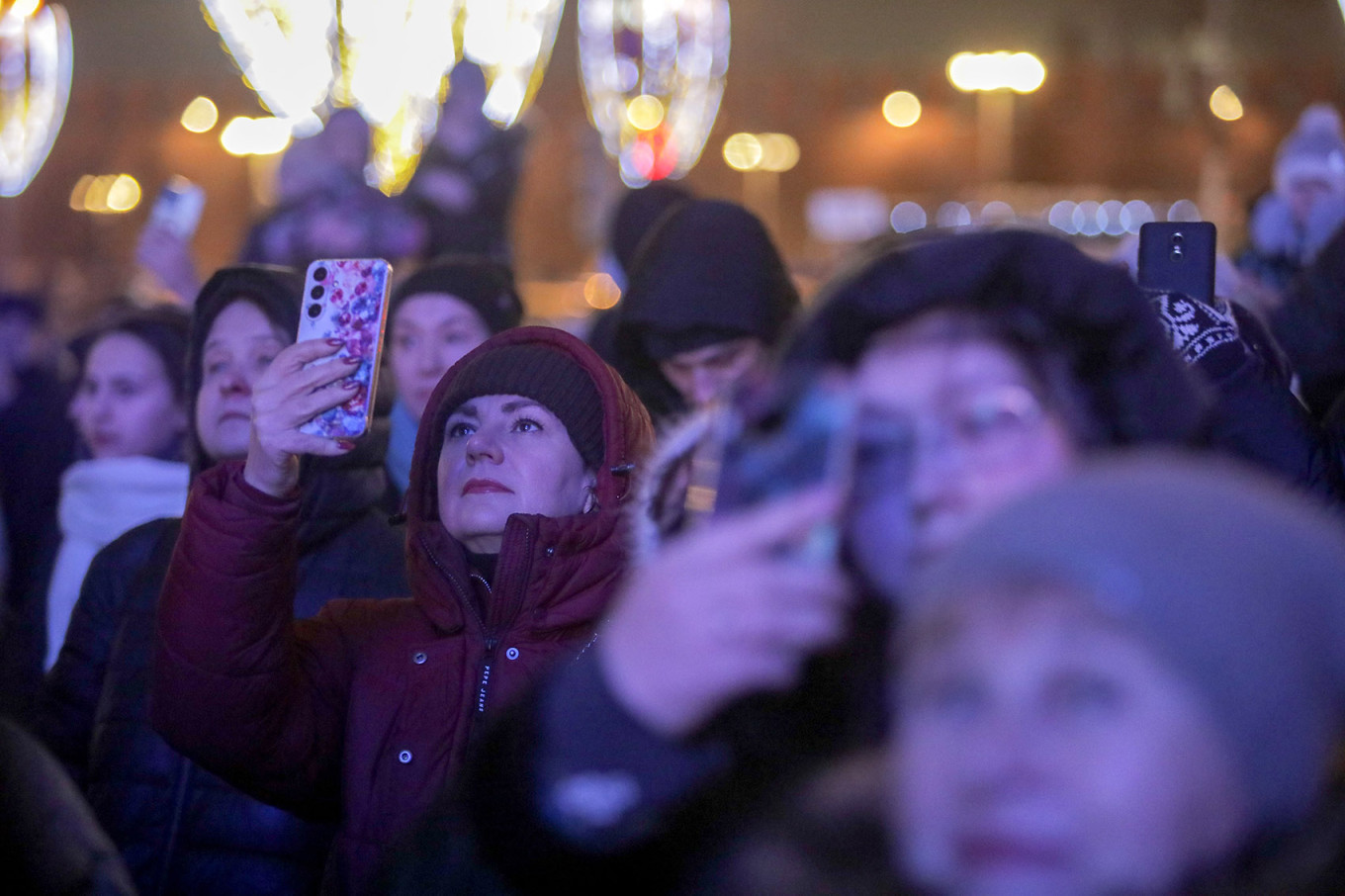
Despite repeated attempts to negotiate peace, the fighting appears far from over, with both sides resisting compromise on their core demands.
“In the military, we sincerely hope that 2026 may bring some clarity to the situation,” a Russian serviceman told The Moscow Times, referring to when the war will end.
“There’s little hope for lasting peace, but we definitely expect some major upheaval in Ukrainian society and, with some luck, a change in the [Ukrainian] regime,” he said, echoing the Kremlin talking point that President Volodymyr Zelensky is an illegitimate leader because his official term has ended and Ukraine suspended elections under martial law.
“It would be better to have less deaths,” the Russian serviceman added.
Moscow has sought to shield ordinary Russians from the impact of the war since launching its full-scale invasion of Ukraine in 2022.
Yet nearly four years in, the war has crept into nearly every aspect of life, from wartime censorship, intensified military recruitment and mounting repressions to the more quotidian economic pinch of Western sanctions.
In a sign of the rising wartime pressure on household finances, around 87% of Russians plan to celebrate New Year’s this year, but many say they intend to rein in spending on the festivities.
“I’ve never experienced anything like this before, but everyone — regardless of income — is complaining about rising prices and higher taxes,” a woman from Moscow said.
She also said daily life is increasingly impacted by disruptions to messaging services like Telegram, WhatsApp and FaceTime, which Russia started restricting in 2025 along with previously blocked Facebook, Instagram and X.
The online restrictions don’t stop there. Under a law passed this year, Russians can now face fines for deliberately searching for “extremist” materials online.
The measure would apply to any searches for content on the Justice Ministry’s register of extremist materials, a list hundreds of pages long. Many Kremlin critics have been labeled as "extremist," including late Kremlin critic Alexei Navalny’s network as well as independent journalists and political analysts.
Security services opened criminal cases against at least 173 people for political reasons in the first half of 2025, said the OVD-info rights monitor.
While OVD-Info noted that the number of “politically motivated criminal cases continues to decline after the sharp spike in 2022,” this might be also linked to “increased self-censorship” in response to harsh sentences against anti-war activists in Russia and public figures who fled abroad to avoid imprisonment.
According to various estimates, at least 650,000 Russians left the country after the start of the war to avoid political persecution or mobilization.
One Russian teenager told The Moscow Times that her wish for the new year is to “let all ‘foreign agents’ be able to return home.”
The situation for LGBTQ+ people also continued to deteriorate, according to the LGBTQ+ rights group Vykhod (Coming Out).
At least 20 people faced criminal charges in 2024-2025 due to their alleged participation in the so-called “international LGBT public movement” that Russia outlawed in 2023, Human Rights Watch said.
“For 2026, I hope to get rid of laws that take away choice, for example, pressure to restrict access to abortions and accusations of so-called ‘homosexual propaganda’,” a 24-year-old member of the Russian LGBTQ+ community told The Moscow Times.
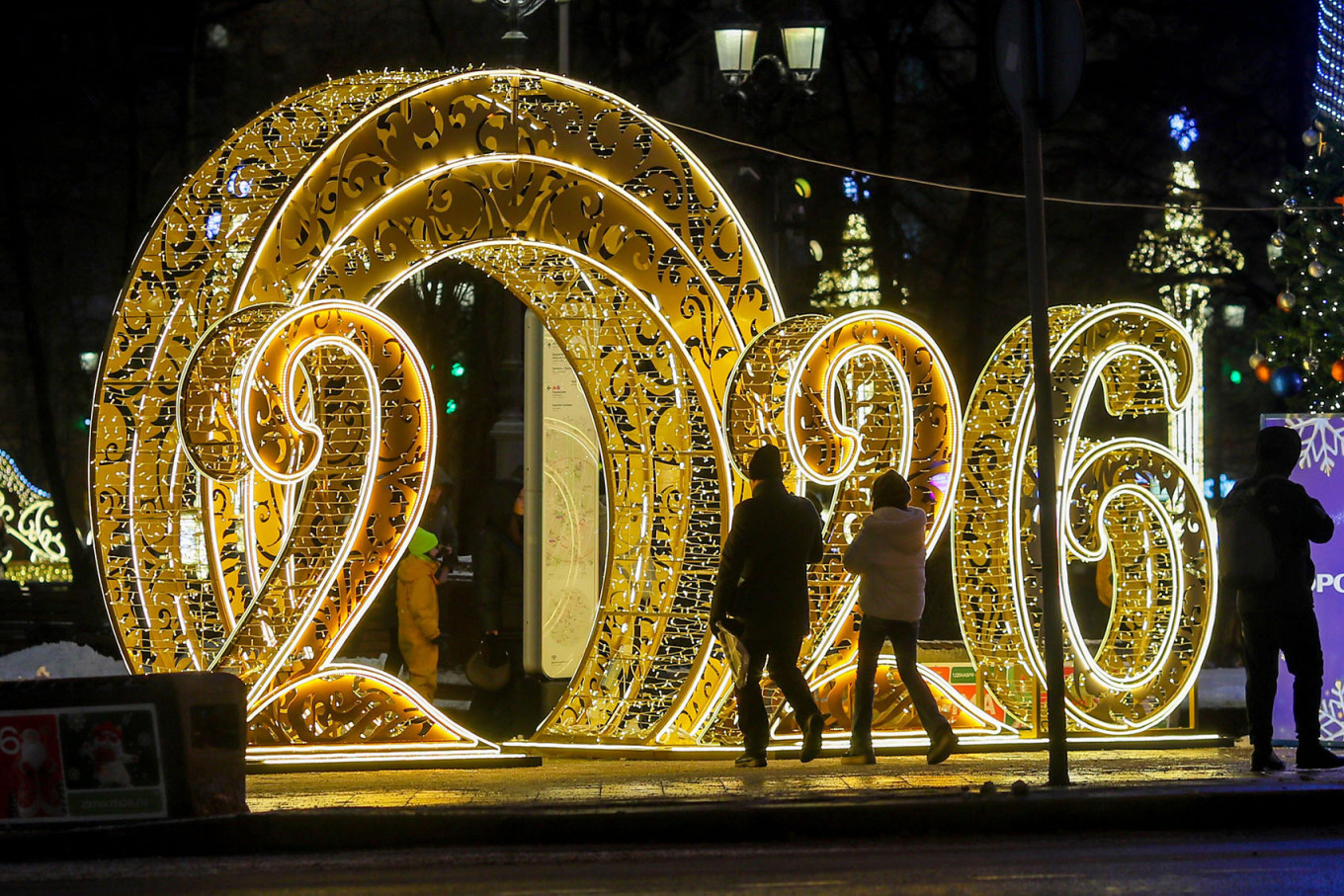
“I’m also hoping for an end to the war as soon as possible, the restoration of relations with other countries and the rebuilding of the economy,” he added.
Some Russians said they felt nostalgic for their pre-war lives.
“I wish for all of us to take a step back, to stop and to truly reflect” ahead of 2026, a small business owner from the Orenburg region said. “To mentally return, for example, to the 2018 World Cup, when the entire world was struck by the beauty and openness of our country, its hospitality and genuine joy. Or to remember the years when a single flight from Sheremetyevo [Airport] could take you to almost any European capital.”
“To Russians, I wish love and hope. Love — as vast as one can imagine, warming and uniting. And hope — the most naive, the most childlike kind, strong enough to keep us believing that something better and more just still lies ahead,” she added.
A husband-and-wife pair of entrepreneurs from the southern Krasnodar region shared a similar wish for the new year.
“We want to wish all of humanity love and forgiveness as the year comes to a close,” they said. “If each person reflects on whether they have hurt someone and tries, even just a little, to be kinder and more attentive, perhaps that is what happiness is — being kinder to one another and feeling love toward ourselves.”
A Message from The Moscow Times:
Dear readers,
We are facing unprecedented challenges. Russia's Prosecutor General's Office has designated The Moscow Times as an "undesirable" organization, criminalizing our work and putting our staff at risk of prosecution. This follows our earlier unjust labeling as a "foreign agent."
These actions are direct attempts to silence independent journalism in Russia. The authorities claim our work "discredits the decisions of the Russian leadership." We see things differently: we strive to provide accurate, unbiased reporting on Russia.
We, the journalists of The Moscow Times, refuse to be silenced. But to continue our work, we need your help.
Your support, no matter how small, makes a world of difference. If you can, please support us monthly starting from just $2. It's quick to set up, and every contribution makes a significant impact.
By supporting The Moscow Times, you're defending open, independent journalism in the face of repression. Thank you for standing with us.

Remind me later.