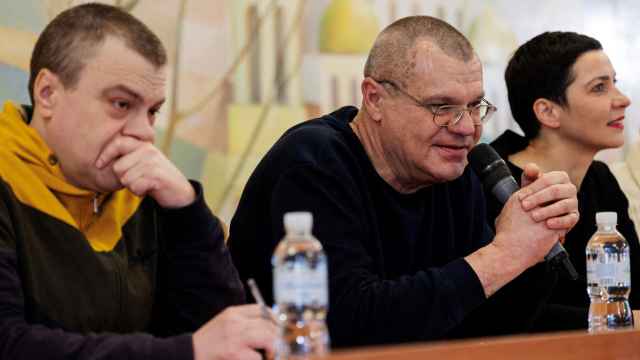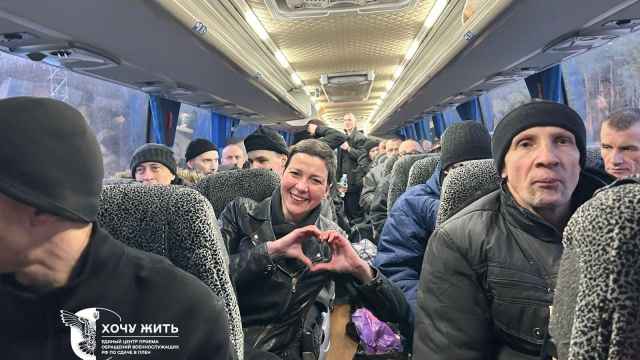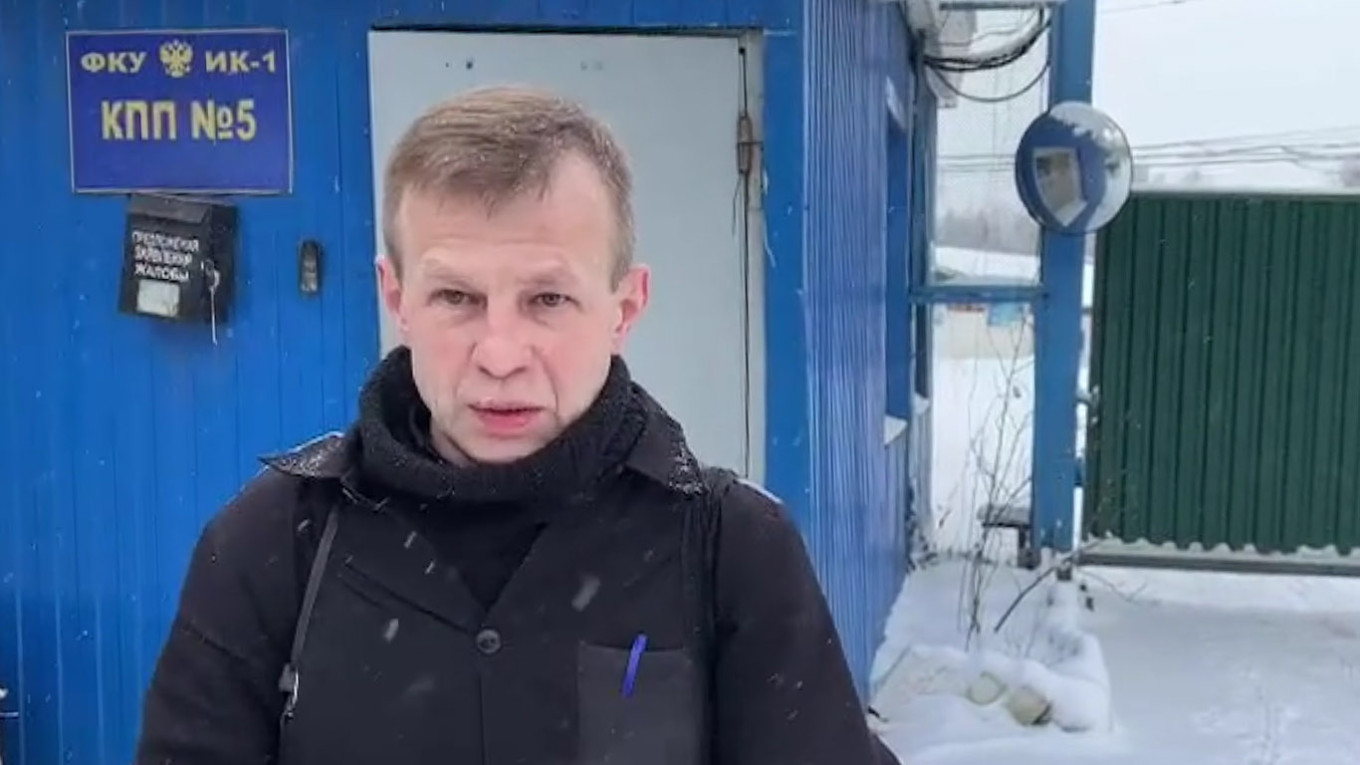
The former mayor of the central Russian city of Yaroslavl was released from prison on Tuesday after spending more than 10 years in prison on corruption charges that he and his supporters long described as politically motivated.
“I want to do something useful for my country, and I plan to dedicate the rest of my life to that,” Yevgeny Urlashov said after leaving the prison where he had been held. “Not with small deeds, but with big deeds. Small deeds don’t interest me.”
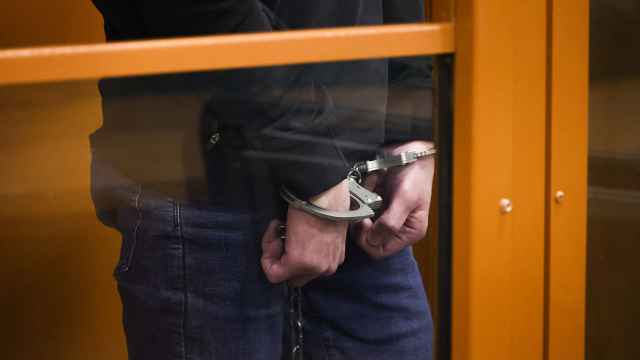
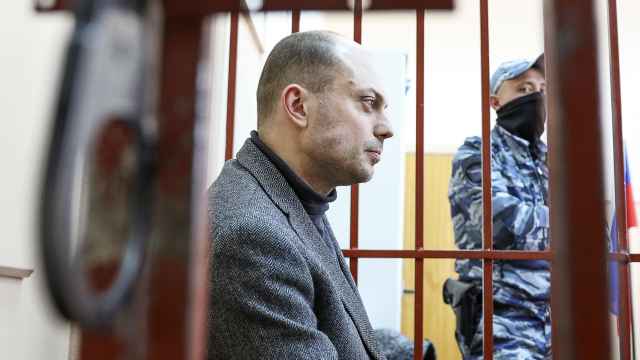
Urlashov was arrested in 2013 shortly after announcing plans to run for governor of the Yaroslavl region. At the time, he was the only opposition mayor of a major city, having won a rare landslide victory in 2012 against a candidate from the ruling United Russia party amid a wave of anti-Kremlin protests.
In 2016, a judge sentenced Urlashov to 12.5 years in a maximum-security prison and fined him 60 million rubles ($760,000) after finding him guilty of extorting a 17 million ruble bribe from a local businessman. Urlashov denied the charges.
The Memorial human rights group designated Urlashov a political prisoner, arguing that the case against him followed his break with United Russia and plans to run for governor of Yaroslavl under the banner “Against crooks and thieves,” a phrase popularized by the late opposition activist Alexei Navalny.
Urlashov said Tuesday that he plans to live in Moscow but will make regular visits to the Yaroslavl region. He seemed to indicate that he was not interested in getting directly involved in politics again, arguing that Russia’s parliament “lost its meaning” and has no influence.
The ex-mayor’s arrest and jailing came amid a broader crackdown on local officials after President Vladimir Putin returned to the presidency in 2012.
A Message from The Moscow Times:
Dear readers,
We are facing unprecedented challenges. Russia's Prosecutor General's Office has designated The Moscow Times as an "undesirable" organization, criminalizing our work and putting our staff at risk of prosecution. This follows our earlier unjust labeling as a "foreign agent."
These actions are direct attempts to silence independent journalism in Russia. The authorities claim our work "discredits the decisions of the Russian leadership." We see things differently: we strive to provide accurate, unbiased reporting on Russia.
We, the journalists of The Moscow Times, refuse to be silenced. But to continue our work, we need your help.
Your support, no matter how small, makes a world of difference. If you can, please support us monthly starting from just $2. It's quick to set up, and every contribution makes a significant impact.
By supporting The Moscow Times, you're defending open, independent journalism in the face of repression. Thank you for standing with us.

Remind me later.