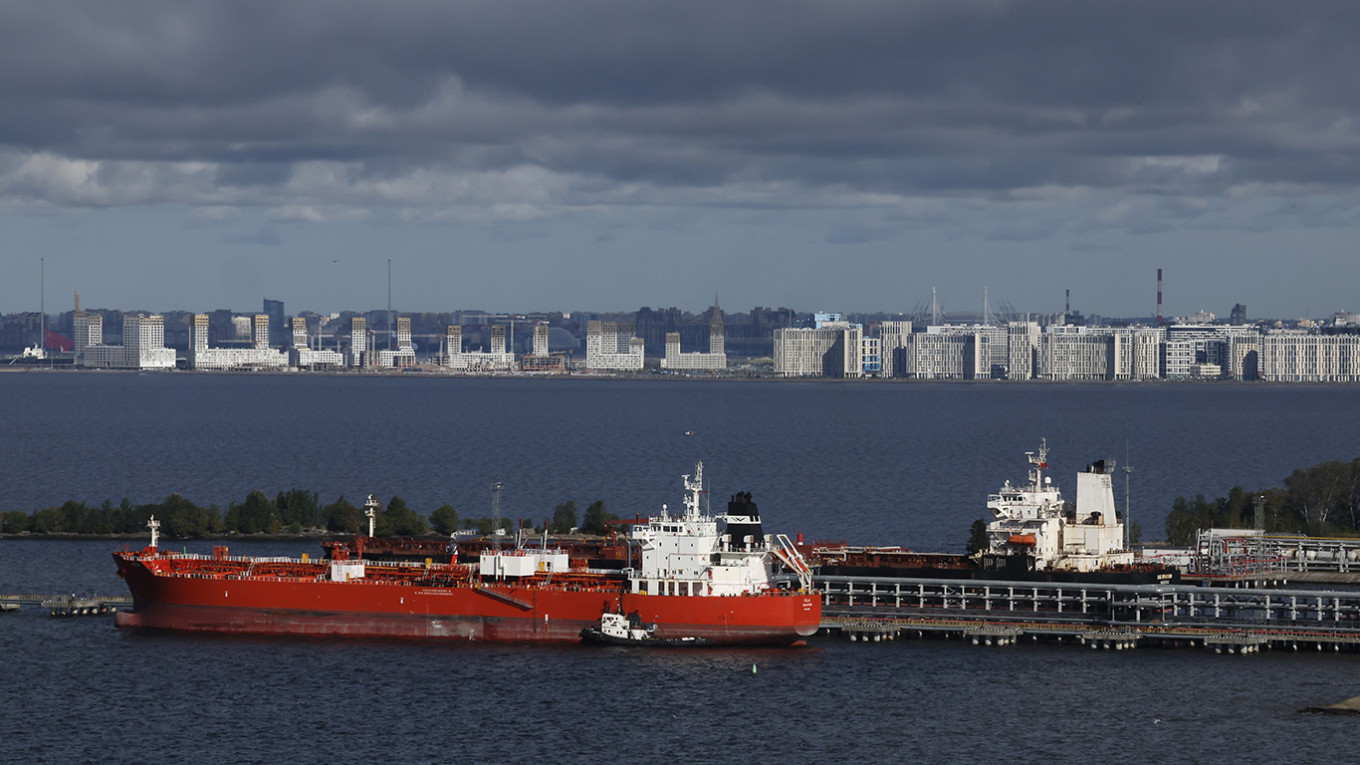
Russia’s oil export revenues climbed for a second consecutive month in April, as a temporary U.S. sanctions waiver and the ongoing closure of the Strait of Hormuz continued to reshape global energy flows, the International Energy Agency said Wednesday.
According to the IEA’s monthly market report, Russia’s revenue from crude and petroleum shipments rose to $19.18 billion in April, a modest increase of $180 million from the $19 billion recorded in March.
However, in annualized terms, total revenues for April were up by a staggering $6.28 billion compared to the same month in 2025.
That revenue growth occurred despite a significant drop in production caused in part by Ukrainian drone attacks on Russian refineries and oil infrastructure. Russia’s total oil output fell by 460,000 barrels per day compared to a year ago, averaging 8.8 million bpd in April.
Total oil and petroleum product exports also saw a marginal monthly dip in April, falling by 90,000 bpd to an average of 7.03 million bpd.
At the same time, refined petroleum product exports plunged to 2.15 million bpd last month due to a gasoline export embargo and reduced refinery throughput. The IEA said it was the lowest level on record.
“[R]epeated attacks on [Russia’s] refineries have cut domestic use and led to higher shipments, while the United States temporarily waived sanctions on Russian oil on water,” the agency said in its monthly report.
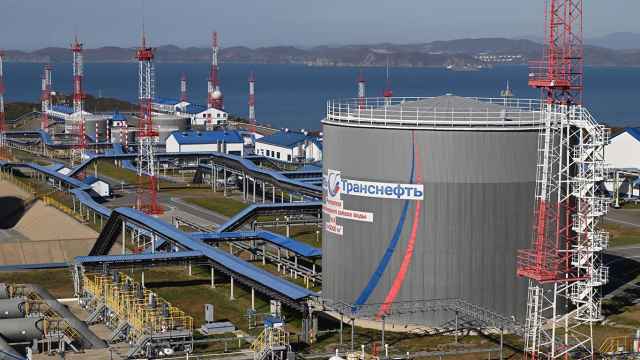
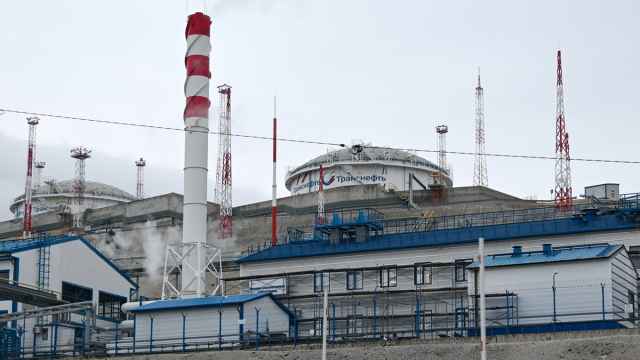
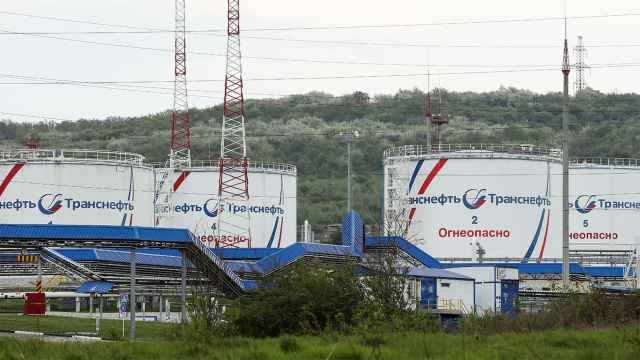
Ukraine has stepped up its attacks on Russian oil infrastructure over the past three months in a bid to deprive the Kremlin of energy windfalls amid the continued closure of the Strait of Hormuz.
Russia has accused Ukraine of exacerbating the global energy crisis with its continued attacks on oil export hubs.
Industry sources told Reuters this week that one of the refineries recently attacked, a Lukoil-operated facility in the Perm region, had completely halted processing on May 7. The sources said repair work may take several weeks.
The refinery processed around 250,000 barrels of oil per day in 2024, according to Reuters.
The IEA said Wednesday that global oil demand is expected to contract for 2026 as a whole due to mounting supply losses from the Strait of Hormuz. It said it expects further price volatility ahead of the peak summer demand period.
Meanwhile, it remains unclear whether the U.S. Treasury Department plans to extend its waiver allowing countries to buy sanctioned Russian oil at sea. That waiver is set to expire on May 16.
Treasury Secretary Scott Bessent said in late April that the Trump administration had ruled out renewing the waiver for a second time, despite having issued a similar statement before the U.S. extended it for the first time last month.
The U.S. Treasury Department declined to comment when contacted by The Moscow Times.
A Message from The Moscow Times:
Dear readers,
We are facing unprecedented challenges. Russia's Prosecutor General's Office has designated The Moscow Times as an "undesirable" organization, criminalizing our work and putting our staff at risk of prosecution. This follows our earlier unjust labeling as a "foreign agent."
These actions are direct attempts to silence independent journalism in Russia. The authorities claim our work "discredits the decisions of the Russian leadership." We see things differently: we strive to provide accurate, unbiased reporting on Russia.
We, the journalists of The Moscow Times, refuse to be silenced. But to continue our work, we need your help.
Your support, no matter how small, makes a world of difference. If you can, please support us monthly starting from just $2. It's quick to set up, and every contribution makes a significant impact.
By supporting The Moscow Times, you're defending open, independent journalism in the face of repression. Thank you for standing with us.

Remind me later.