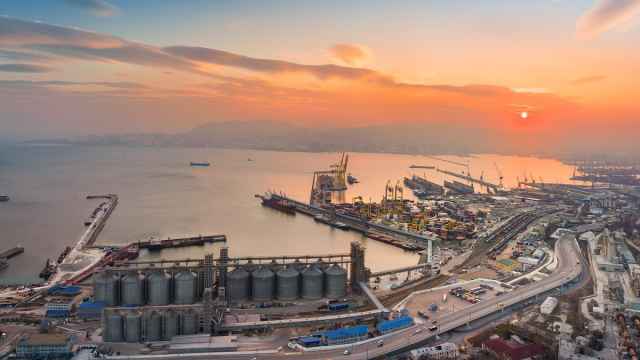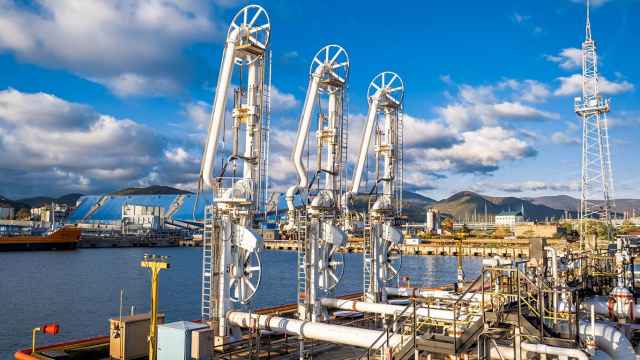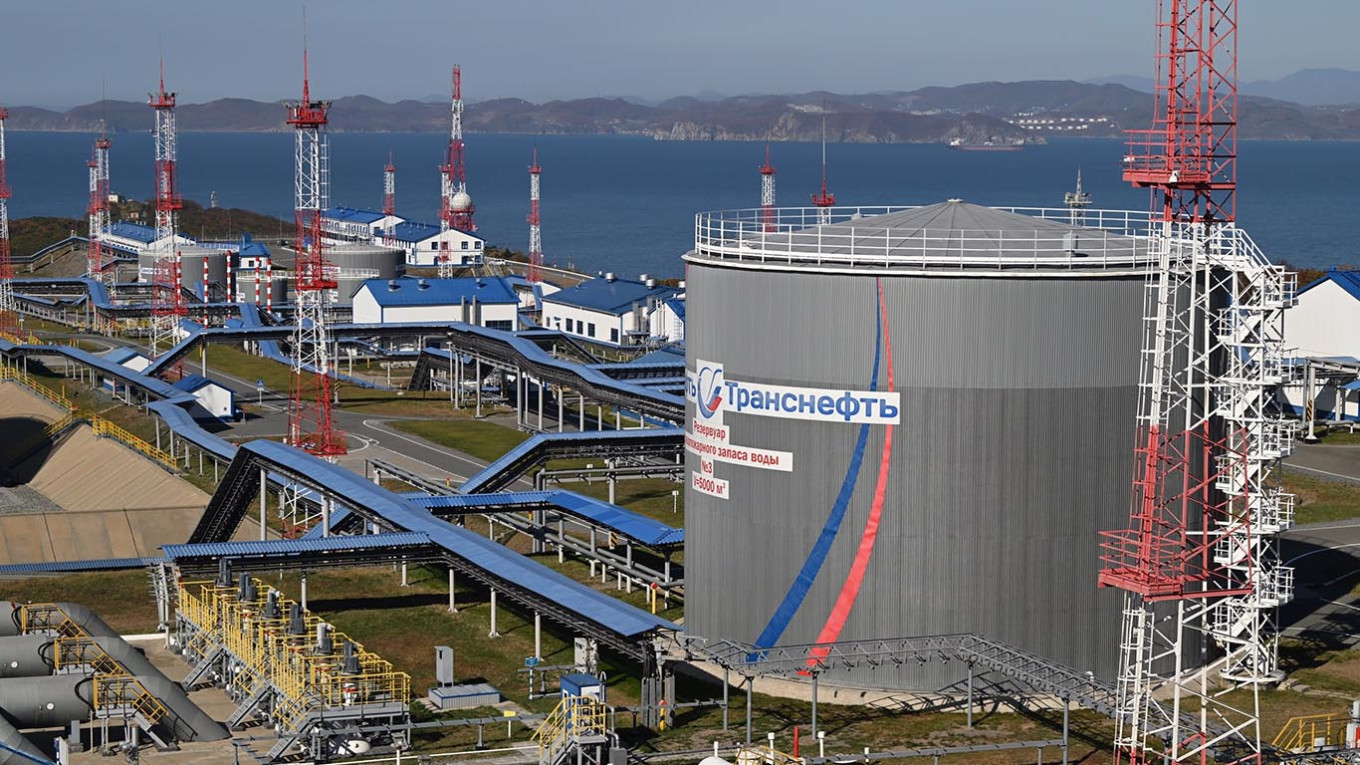
Russian seaborne crude oil exports have climbed to their highest levels since the start of the war in Ukraine as repeated Ukrainian drone strikes on refineries have reduced domestic processing capacity and left more crude available for shipment abroad, Bloomberg reported Tuesday, citing tanker-tracking data.
Average crude exports since the beginning of 2026 have reached 3.46 million barrels per day (bpd), about 120,000 bpd higher than in 2025 and above the previous post-invasion annual high of 3.36 million bpd recorded in 2023, according to Bloomberg's calculations.
Seaborne exports averaged 3.64 million bpd in the four weeks to May 31, Bloomberg reported, citing tanker movement data.
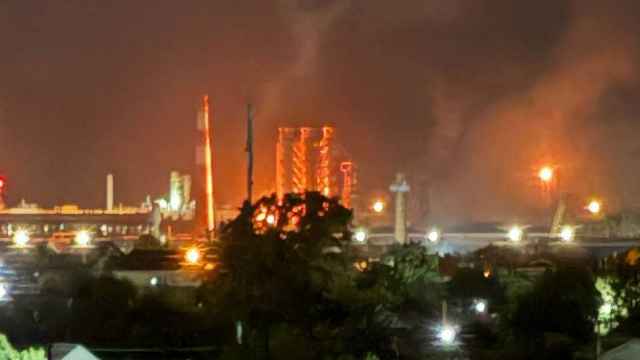
Ukraine intensified attacks on Russian refineries in May, striking facilities across the country as part of a campaign aimed at reducing fuel supplies available to the Russian military and weakening a key source of state revenue.
The strikes helped push Russian refinery throughput to its lowest level since 2009, according to industry data cited by Bloomberg. Moscow has expanded restrictions on fuel exports in response, banning overseas sales of jet fuel in addition to earlier limits on gasoline exports.
At the same time, export terminals on the Baltic and Black Seas that had previously faced disruption from Ukrainian attacks have largely resumed normal operations.
Combined with lower refinery utilization, that has increased the amount of crude available for foreign buyers, Bloomberg said.
Higher global oil prices, driven in part by the fallout from the Iran war, have also boosted the value of Russia's crude exports.
The four-week average value of crude shipments stood at about $2.24 billion per week in the period ending May 31, down slightly from $2.38 billion in the previous four-week period because of lower oil prices.
Analysts say the rise in crude exports does not necessarily translate directly into higher state revenues.
Sergei Vakulenko, a fellow at the Carnegie Russia Eurasia Center in Berlin, told Bloomberg that Ukrainian attacks appear to have disabled most of the spare refining capacity that Russia traditionally maintained. If further capacity is lost, the risk of a fuel shortage would increase significantly, he said.
Signs of strain have already emerged in some regions. Local reports have pointed to gasoline shortages in the Belgorod and Kursk regions, as well as in Ryazan and parts of the Moscow region.
Fuel supply problems have also been reported in annexed Crimea, where Ukrainian drone attacks have targeted fuel transportation routes and tankers serving the peninsula.
Read this article in Russian at The Moscow Times' Russian service.
A Message from The Moscow Times:
Dear readers,
We are facing unprecedented challenges. Russia's Prosecutor General's Office has designated The Moscow Times as an "undesirable" organization, criminalizing our work and putting our staff at risk of prosecution. This follows our earlier unjust labeling as a "foreign agent."
These actions are direct attempts to silence independent journalism in Russia. The authorities claim our work "discredits the decisions of the Russian leadership." We see things differently: we strive to provide accurate, unbiased reporting on Russia.
We, the journalists of The Moscow Times, refuse to be silenced. But to continue our work, we need your help.
Your support, no matter how small, makes a world of difference. If you can, please support us monthly starting from just $2. It's quick to set up, and every contribution makes a significant impact.
By supporting The Moscow Times, you're defending open, independent journalism in the face of repression. Thank you for standing with us.

Remind me later.