
If you want to hide something, there are few places more suitable than a fjord deep in the Arctic. Even more so if that something is the highly radioactive fuel that used to power the Soviet Union’s nuclear submarines.
For nearly as long as a frigid bay in Russia’s high north has been known as the dumping ground of this waste, people have been trying to clean it up.
That process was going relatively well until four years ago, when Russia invaded Ukraine. Virtually overnight, international funding was cut for cleanup at Andreyeva Bay, a former naval base on the Kola Peninsula.
The Soviet Union left so much spent nuclear fuel there that Norway, only 60 kilometers away, once feared it could cause a miniature nuclear explosion if handled improperly.
Russia alone is now managing a project that took years of lobbying to even get on the government’s agenda. But there are serious concerns about its commitment to the job. As a case in point, advocates point to the ever-extending timeline.
“It’s a great shame that all this happened,” said Alexander Nikitin, an adviser for the Norwegian environmental NGO Bellona, which led the cleanup efforts. “We can’t see it, we can’t control it, and we can’t help this process in any way.”
In the 1990s, Nikitin, a former Soviet naval officer, was the first person to ring the alarm about the dangers posed by the abandoned fuel. His activism crossed a red line in Russia’s nascent democracy, and he was charged with treason, later becoming one of the only people acquitted of the charge in the country’s history.
These days, the environmentalist keeps an eye on Andreyeva Bay’s wellbeing from outside the country. It wasn’t the Soviet Union, but the wartime Russian government that threw an insurmountable legal hurdle in the way of his work. Bellona was declared an “undesirable” organization in 2023, outlawing its activities and making any cooperation with it a crime.
While his team continues to advocate for a full remediation, Nikitin says that being unable to visit the site means they can do little more than speculate on the government’s progress.
“What’s really going on there is very difficult [to know] until you see it for yourself,” Nikitin said. “Are they capable of getting it all out of there? Maybe so. But how, under what conditions and when, it’s very difficult to say.”
Black buildings in the Arctic
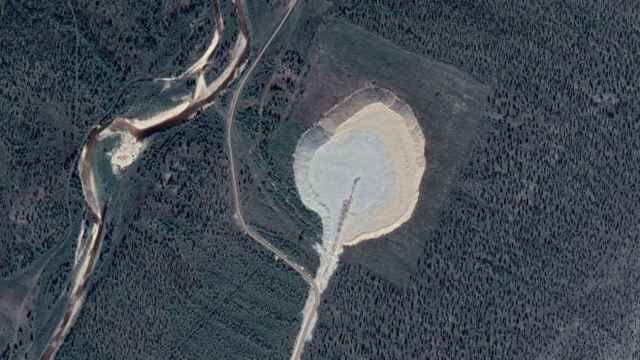
The north coast of Russia’s Kola Peninsula is a rugged polar landscape. Andreyeva Bay lies about 60 kilometers northwest of Murmansk, the world’s largest city above the Arctic Circle, in a narrow fjord that stays ice-free year round.
In the 1960s, Soviet authorities built a small cluster of buildings here. Some of them were designed to service nuclear submarines, while another — hard to miss at six stories tall — was to be a containment unit for the used, highly radioactive uranium and plutonium fuel that powered them.
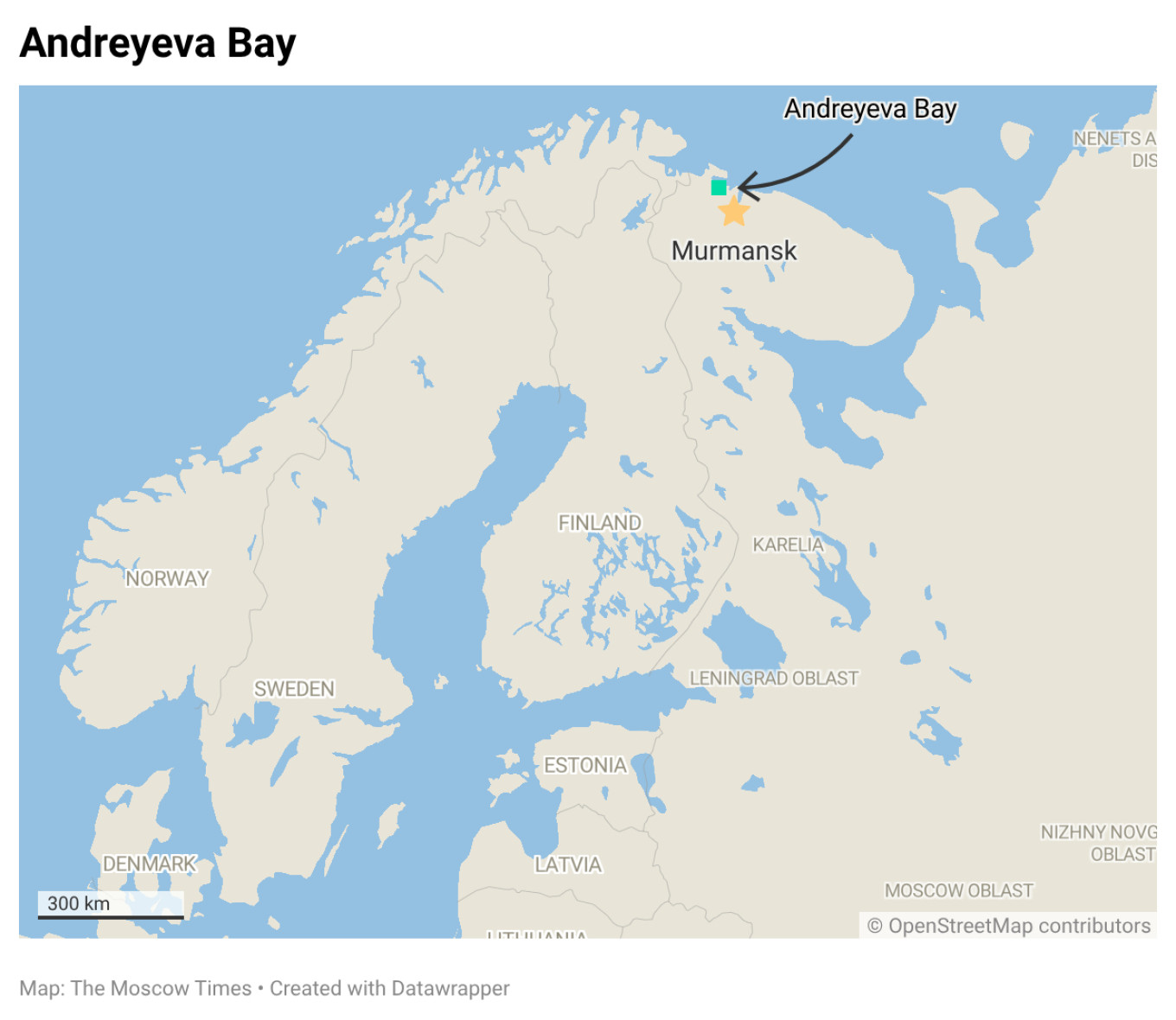
Nikitin was stationed for more than a decade across the fjord at another submarine base that is still used by the Russian Northern Fleet. From this vantage, Andreyeva Bay with its buildings painted black was an “eerie” presence, he said, something that buttressed its unsettling reputation.
He recalled one story about a group of unaware naval cadets who spent a day sunbathing and picking mushrooms near the base. Several of them later died of radiation poisoning.
“That was the first information I received about Andreyeva Bay when I was still a student,” Nikitin said.
Despite its obvious danger, the place wasn’t considered a major risk until 1982. That was the year that a crack opened up in one of the steel-lined “pools” where spent nuclear assemblies slept in a bed of water. In the following months, 600,000 tons of radioactive water drained into the Barents Sea.
Of course, none of this information came out until after the fall of the Soviet Union. Much like the Chernobyl nuclear disaster four years later, authorities sought to cover up a guaranteed PR disaster. The difference is that in this distant corner of the Arctic, they succeeded.
‘It was falling apart’
When Thomas Nilsen, a Norwegian environmentalist who used to work for Bellona, first visited Andreyeva Bay in the early 1990s, he was shocked by what he saw.
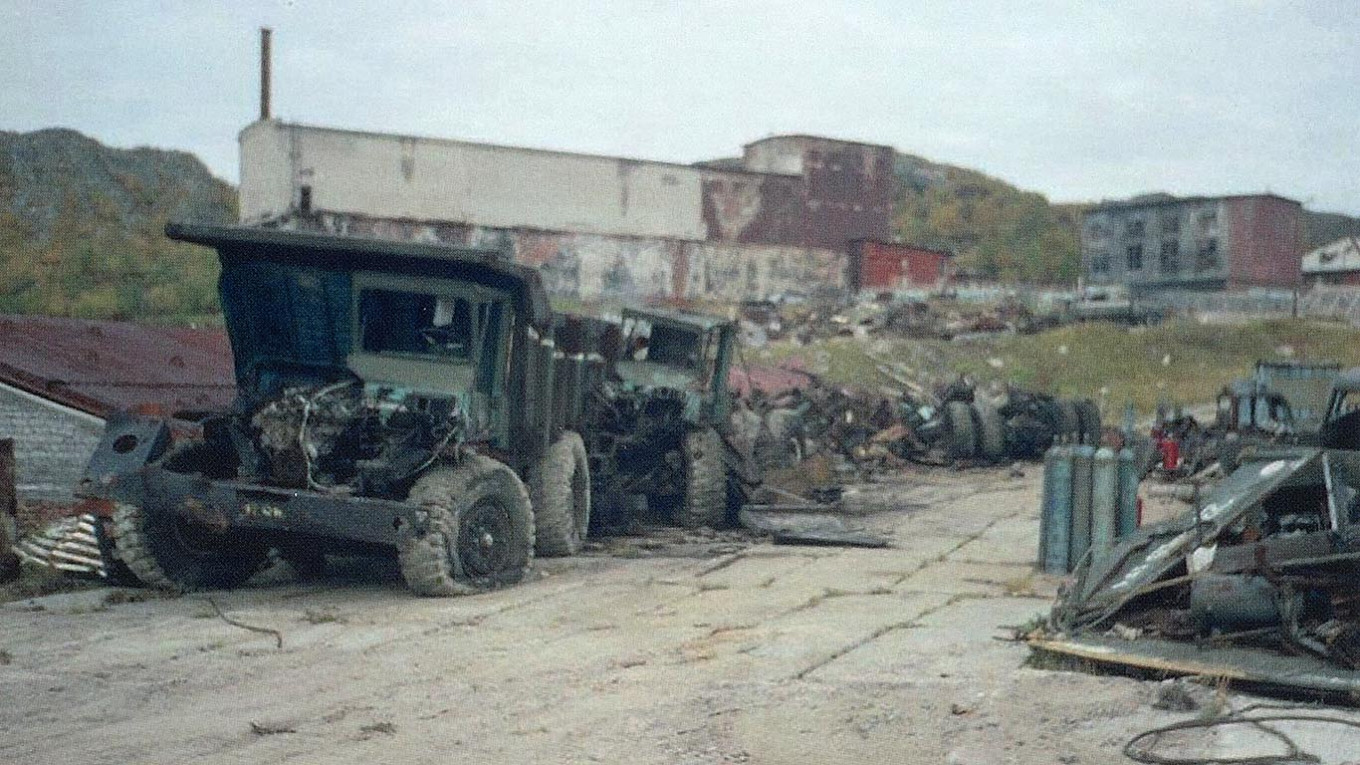
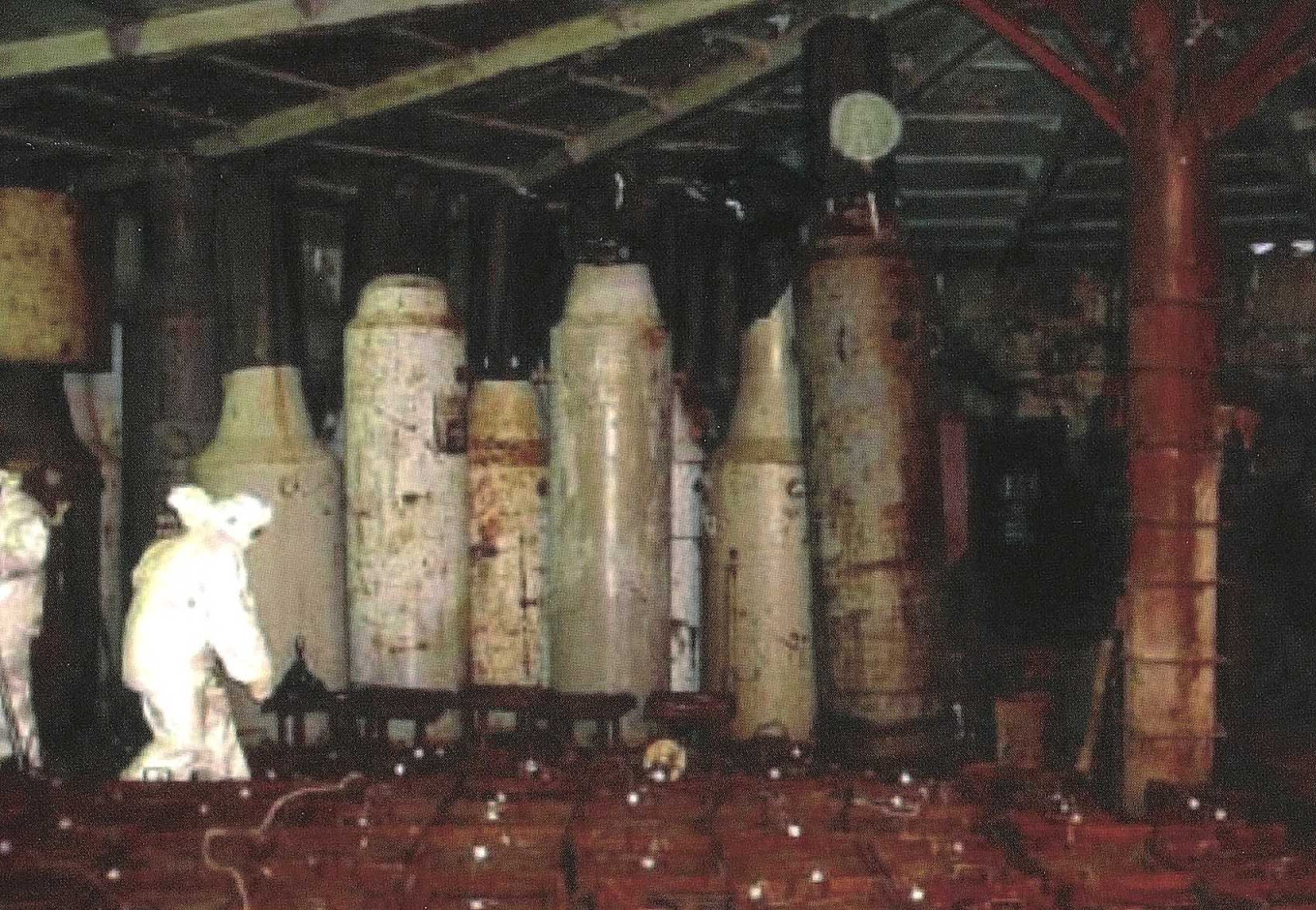
Buildings were crumbling. Nuclear fuel was lying uncovered, exposed to the elements. It was in such a state of neglect that it didn’t even have a fence.
“You could merely walk into it,” Nilsen, who is now the editor of the Barents Observer online newspaper, said. “Disrepair is a nice word [to describe it]. It was falling apart.”
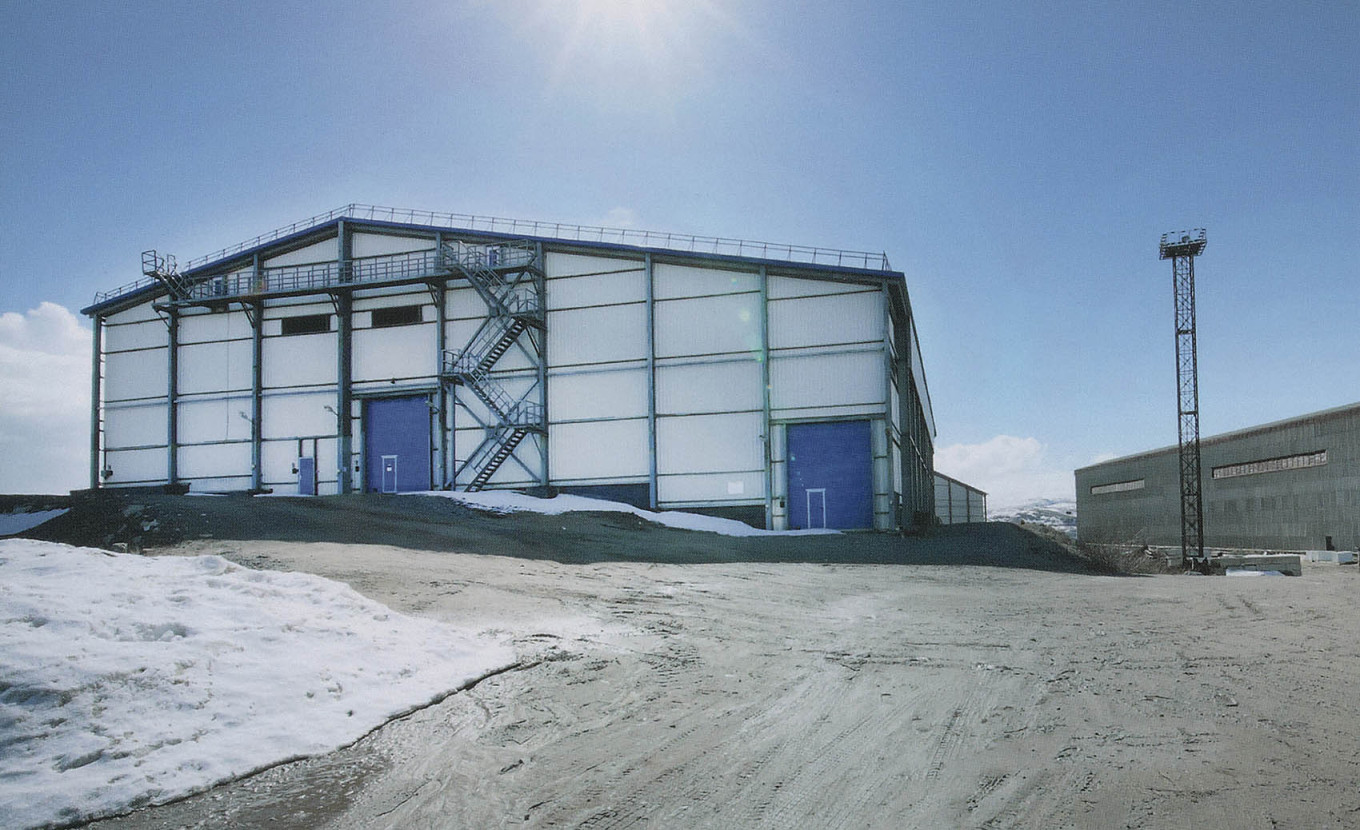
While Andreyeva Bay still accepted new shipments of nuclear fuel through the twilight years of the Soviet Union, exposure to the harsh Arctic environment, underfunding and compounding design errors had gradually turned it into a hazardous radioactive junkyard. By this time, it housed about 22,000 spent nuclear fuel assemblies.
If the ecological damage wasn’t bad enough, a lack of security meant highly enriched uranium fuel was at risk of being stolen — which actually happened in 1993. (Two naval recruits were arrested for trying to smuggle 1.8 kilograms of it out of the base, Nikitin wrote in 2009.)
There were also fears of a theoretical explosion of the fuel called a “nuclear flash,” something much less powerful than an atomic bomb but with the potential to further spread radiation.
Bellona’s bombshell reports on these issues triggered Nikitin’s arrest — and, eventually, some progress. Under pressure from activists and helped by European countries, Russia launched a massive remediation project in the early 2000s.
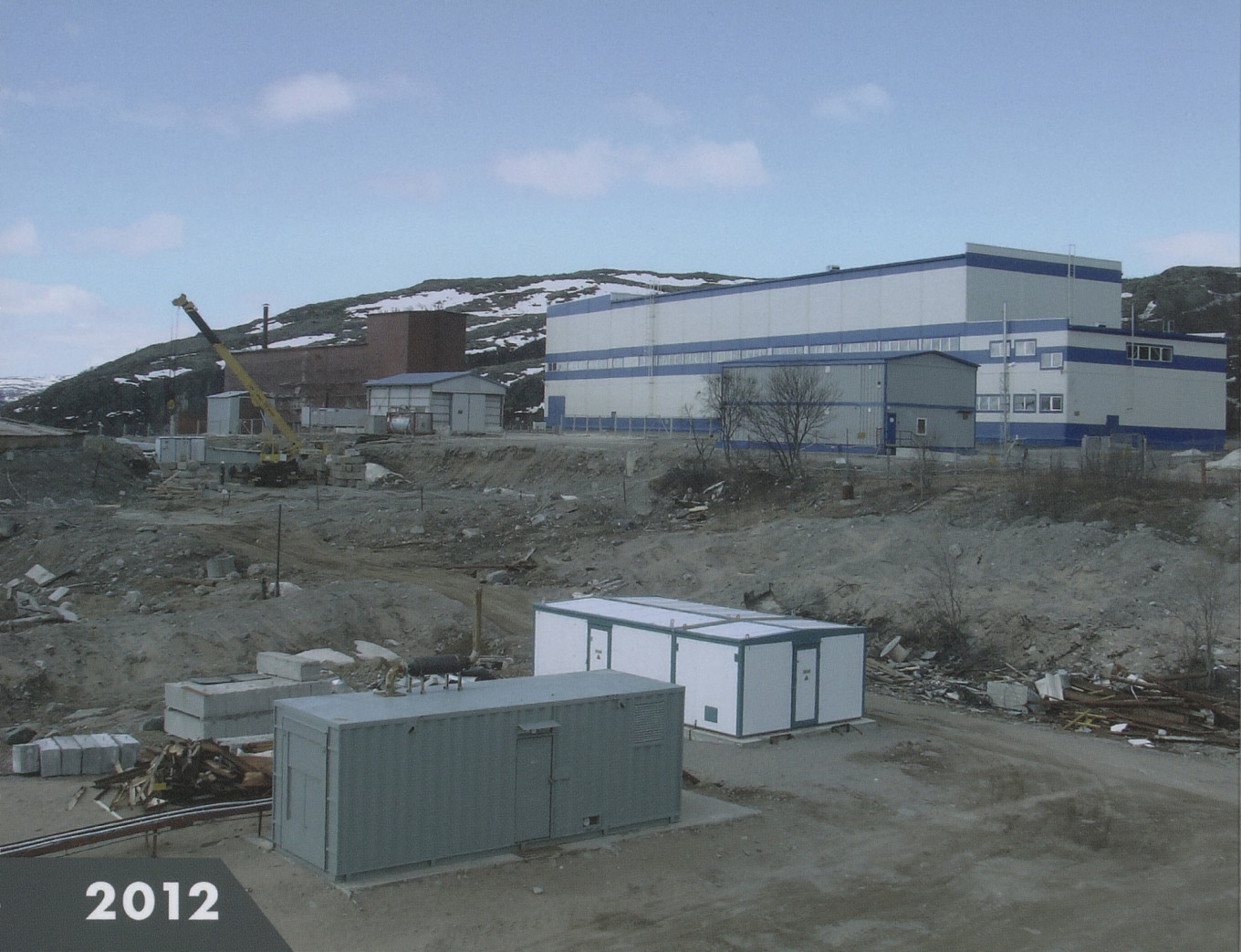
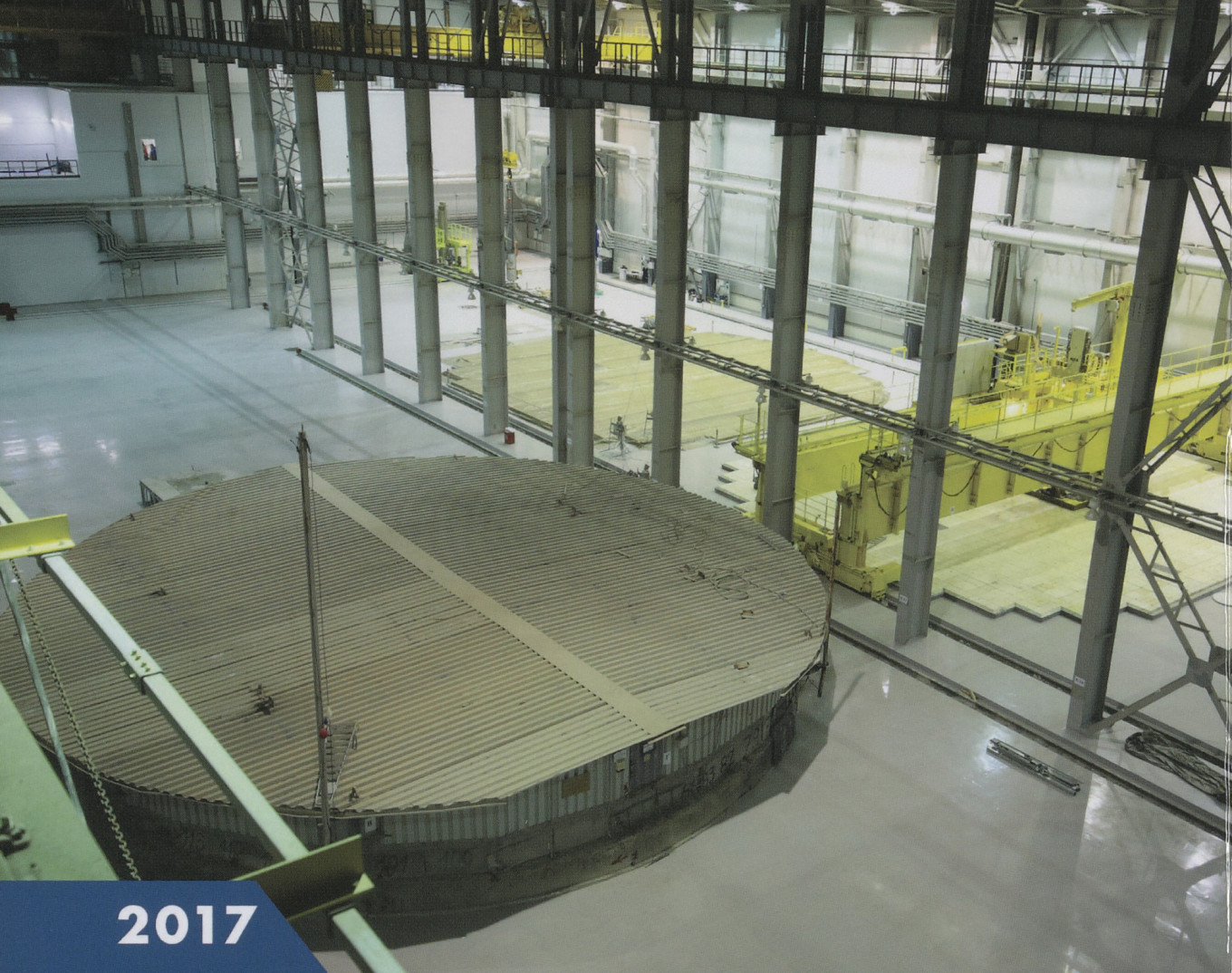
“The facility and the infrastructure is much, much better than it was in the 1990s,” Nilsen said. “Today, there are fences, there are roofs, there are good buildings and measuring equipment that you see in many international sites for storage of nuclear waste.”
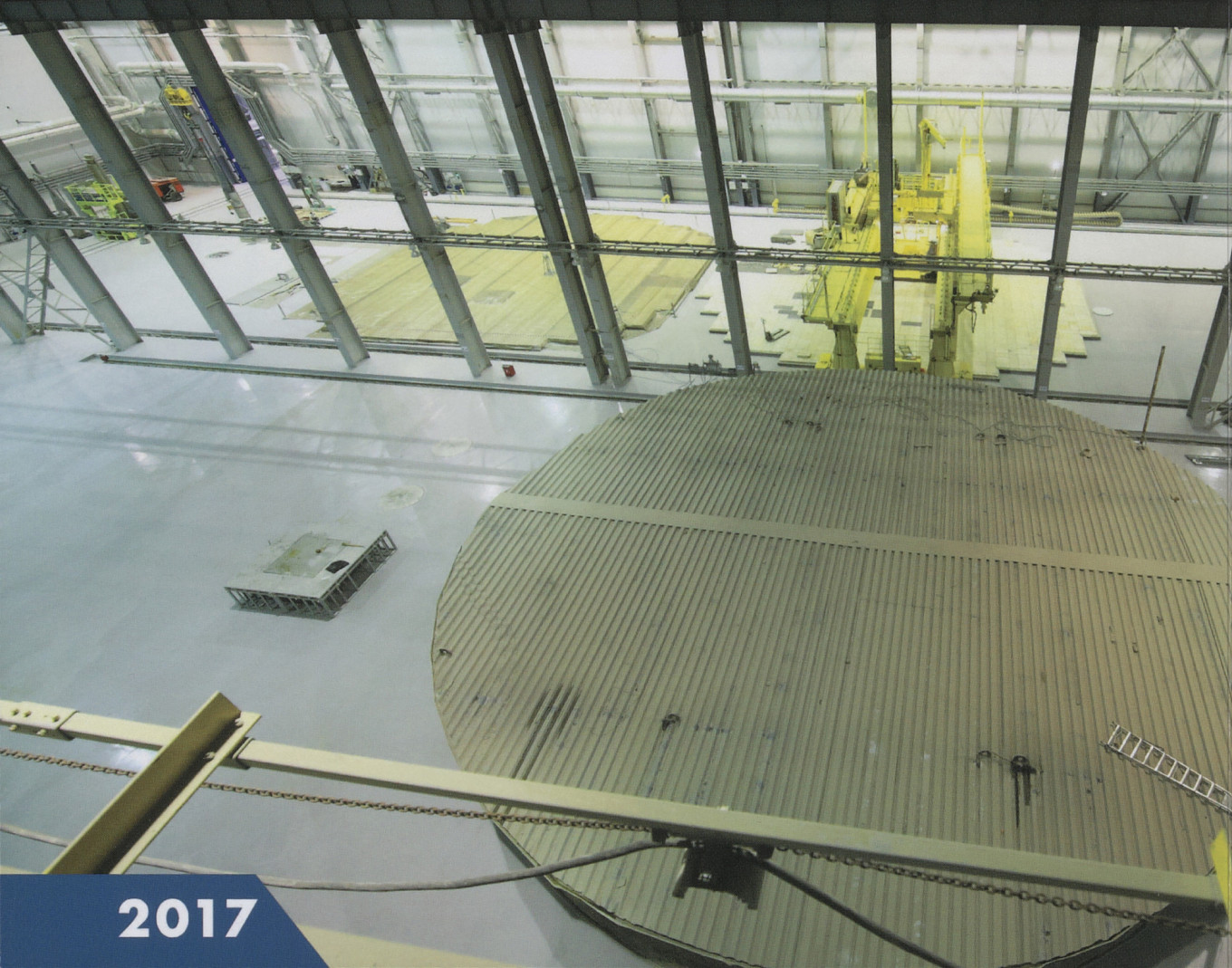
But it was only in 2017 that the more complex and important task of actually removing the waste began.
On a rainy day in late June of that year, Russian and international dignitaries descended on Andreyeva Bay and looked on as, for the first time in years, a ship carried spent nuclear fuel away rather than bringing it in.
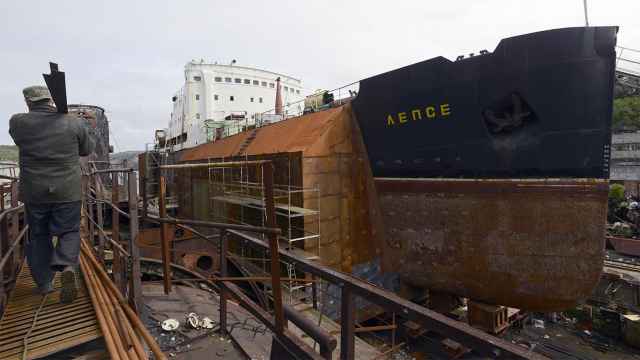
The Italian-built ship Rossita — given to Russia as a gift to help with the removals — brought nine metal casts containing spent fuel to a port in Murmansk. They were then transferred onto trains to make the 3,000-kilometer journey to a nuclear recycling plant near the city of Chelyabinsk in the southern Urals.
Optimism was high all around. The Murmansk region’s governor at the time, Marina Kovtun, said that the event marked “the end of a long process, but also the beginning of another long stage in the cleanup.”
“Despite international tensions, work went on every day,” Kovtun said. “Everyone who was working on this project understood that they were doing this for all of humanity and for protecting our environment.”
‘Do they have the will?’
Immediately after the full-scale invasion of Ukraine, Norway froze its funding for nuclear safety projects in Russia amid a breakdown in relations. Bellona, meanwhile, began to shutter its Russian field offices.
For the cleanup project, this was a huge problem. Authorities had made good progress, but because it was so technically demanding, they had only removed about half of the waste.
Advocates feared that without international support, the project would struggle to maintain the funding and attention needed to get over the finish line — especially while Russia was busy fighting a war.
Recent updates — or lack thereof — seem to indicate that their prognosis was correct. Only a handful of spent fuel assemblies have been removed, according to public reports, and the project’s anticipated end date has been pushed from 2028 to sometime in the 2030s.
Rosatom, the Russian state nuclear agency overseeing the project, releases few updates, obscuring a full assessment of its progress. The agency did not respond to emailed questions for this story.
Analysts and advocates believe part of the reason for the slowdown, indeed, is that Andreyeva Bay has fallen by the wayside.
“Without the support of foreign donors and partners, this money should come from the budget of Rosatom,” said Ilya Shumanov, co-founder of Arctida, an investigative organization focused on the Arctic.
But the problem is that government spending on environmental projects is getting slashed across the board.
“Especially during wartime,” he said, “ecological issues are no longer the priority for Russia.”
Rosatom’s mandate has broadened over the years, Shumanov explained. In addition to nuclear energy, the agency is increasingly taking on logistics and resources extraction projects, such as the development of ports and the management of critical mineral mines. It’s also building some 20 nuclear power plants outside of Russia.
That means that even if people on the inside want to devote resources to the cleanup, the project has to fight for funding in an increasingly crowded field.
As he sees it, nuclear waste management is an infrastructure issue, and the problems at Andryeva Bay are exacerbated by broader administrative failures and the bite of sanctions.
“For now, it’s not very visible,” Shumanov said. “But maybe in 10 years we will see the destruction of infrastructure and problems that will lead to big incidents.”
There’s another factor that could absolve Rosatom of some blame.
While all the fuel assemblies are decades old, it was decided early on to remove the most intact ones first. The result is that what’s left are the most rusted, brittle storage units. Mishandling them could lead to breakages and radiation exposure.
That makes the current phase of the project the most technically difficult. But as far as experts who spoke to The Moscow Times are concerned, it’s a challenge Russia is more than capable of handling.
“They have the ability,” said Nilsen when asked if Russia can manage the cleanup on its own. “The question is, do they have the will?”
“If the Kremlin says ‘No, we will not continue with this. Our effort is to build weapons and kill Ukrainians’ — well, there’s very little that the engineers up in the Kola Peninsula can do about that,” he added.
With neighbors like these
Apart from Russia, no country has a greater interest in the cleanup of Andreyeva Bay than Norway.
It’s easy to see why: they share a 200-kilometer border, the Barents Sea is a bountiful fishing ground and Russia’s northwest has one of the highest concentrations of both civilian and military sources of nuclear radiation in the world.
Experts widely believe that the Kola Peninsula alone holds a good portion of Russia’s nuclear warheads to boot.
In an interview with The Moscow Times, Per Strand, the director of the government’s Radiation and Nuclear Safety Authority (DSA), said Norway is concerned about the slow pace of the cleanup at Andreyeva Bay. The breakup with Russian partners has prompted a rethink in their approach to the region.
“The high north is very high on our agenda,” Strand said. “We have increased our awareness, we have increased our emergency preparedness and we have increased our way of trying to find information from other sources.”
Cooperation hasn’t entirely ceased, he added. In line with bilateral agreements, DSA maintains open lines of communication with Rosatom and still has access to data from radiation monitoring stations in Russia.
Norway’s contributions to the cleanup efforts over the years amount to about 350 million kroner ($38 million), a spokesperson for DSA said. According to Strand, that’s gone a long way toward mitigating risk.
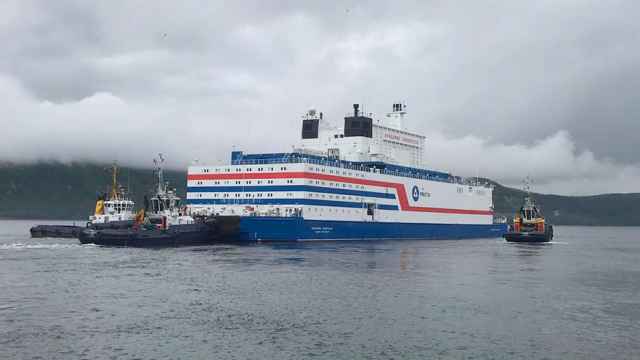
The biggest concern now is for an accident involving an active nuclear reactor, the kind found in the many icebreakers and, indeed, submarines that still navigate Arctic waters. That said, Strand explained that Andreyeva Bay will remain a risk to Norway until the site is completely remediated. After the removal of the waste, that will mean demolishing or sealing off the irradiated buildings.
“Nobody wants a nuclear accident in the Arctic,” he said. “We hope that is also a driving force for the Russians in what they are doing.”
A good sign is that his agency hasn’t tracked any major radiation coming from Russia since the outbreak of the war.
What they have found is a sobering reminder of the kind of generational catastrophe they’re working to prevent: the radioactive isotope cesium-137, which can be traced back to the Chernobyl disaster 40 years ago.
A Message from The Moscow Times:
Dear readers,
We are facing unprecedented challenges. Russia's Prosecutor General's Office has designated The Moscow Times as an "undesirable" organization, criminalizing our work and putting our staff at risk of prosecution. This follows our earlier unjust labeling as a "foreign agent."
These actions are direct attempts to silence independent journalism in Russia. The authorities claim our work "discredits the decisions of the Russian leadership." We see things differently: we strive to provide accurate, unbiased reporting on Russia.
We, the journalists of The Moscow Times, refuse to be silenced. But to continue our work, we need your help.
Your support, no matter how small, makes a world of difference. If you can, please support us monthly starting from just $2. It's quick to set up, and every contribution makes a significant impact.
By supporting The Moscow Times, you're defending open, independent journalism in the face of repression. Thank you for standing with us.

Remind me later.