
In the four years since Russia’s full-scale invasion of Ukraine, New Tuva has helped as many as 400 draft-eligible Tyvans escape death on the front lines.
Working with lawyers, the Indigenous anti-war group from Russia took on even seemingly impossible cases, like helping two young conscripts desert from Russia’s frontline positions in July 2022.
“Later, other anti-war organizations began using the safe route we had developed. To us, this was proof that even a small civic group can actually save people’s lives,” a volunteer for New Tuva told The Moscow Times.
New Tuva is one of several dozen grassroots anti-war movements established by the Russian diaspora and recent exiles in the wake of Russia’s invasion of Ukraine.
But while these groups were energized by a sense of urgency at the war’s outset, a litany of challenges has taken its toll over the past four years.
“Many activists experienced emotional burnout, the team kept changing and the work became increasingly challenging,” the volunteer from New Tuva said.
As the war enters its fifth year, the priorities of groups like New Tuva have shifted away from responding to the active hostilities in Ukraine.
Instead, activists told The Moscow Times they are now focused on longer-term goals aimed at transforming Russian society and communities in exile.
Going underground
New Tuva’s members say the group emerged from a “spontaneous alliance” between already exiled Tyvans and those still at home who shared a “desire to stand up to the horror of war.”
Tyva, the group’s native Mongolia-bordering republic with a Tyvan-majority population of just over 330,000, has suffered disproportionately high losses in the war.
As of February 2026, 1,730 soldiers from the republic had been confirmed killed, the highest casualty rate relative to working-age men among Russia’s regions.
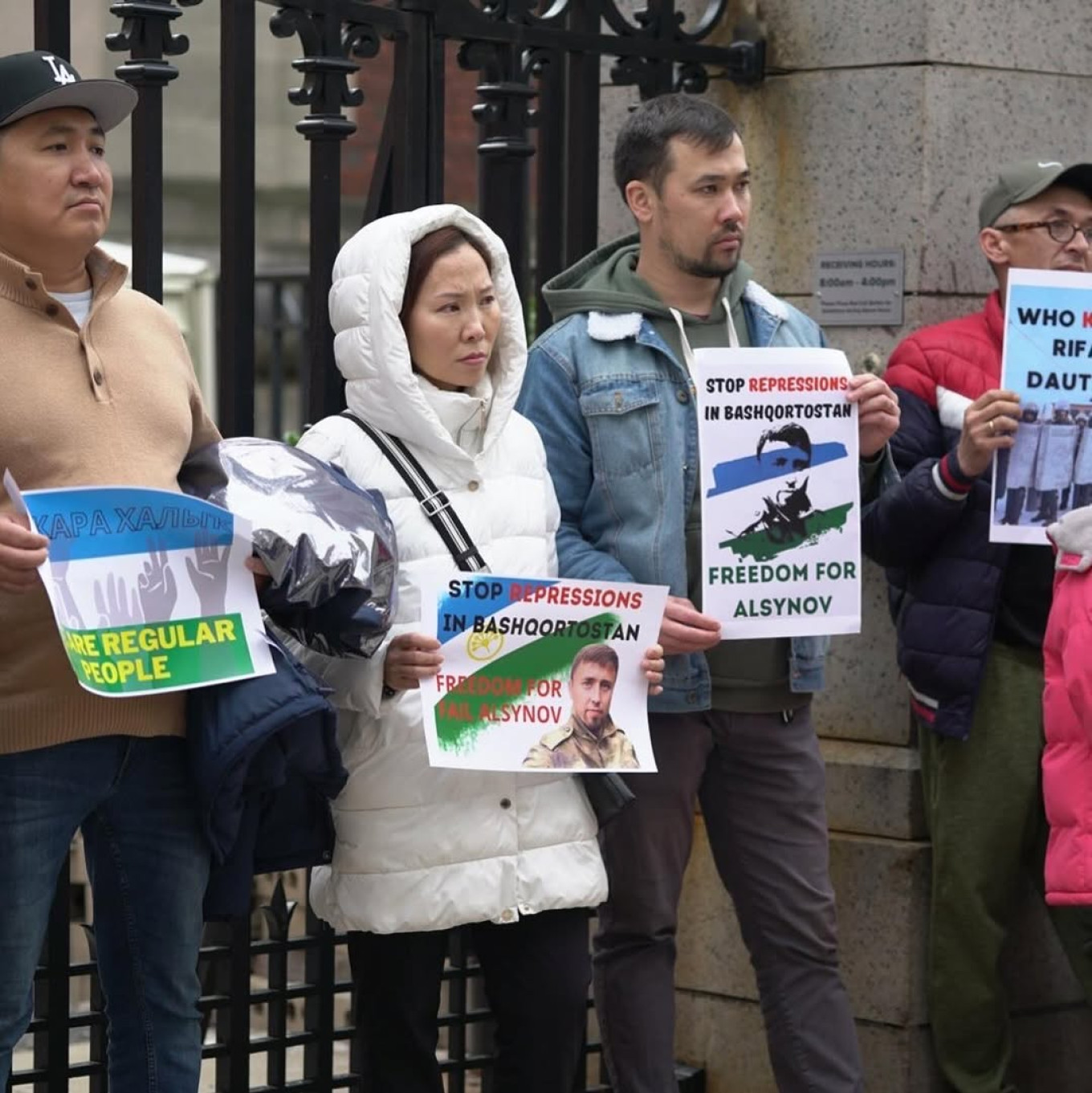
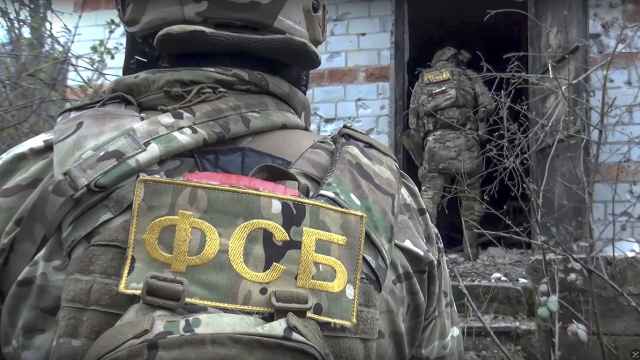
In November 2024, Russia designated New Tuva a “terrorist” organization, making any form of cooperation with it punishable by up to 20 years in prison and driving the group’s activities inside Russia underground.
“Our movement faced difficulties… especially due to intensifying repression and the inability to lawfully help people inside Russia,” the volunteer from New Tuva said.
While some of New Tuva’s founding members have exited, most of the remaining ones are in exile and say the focus of their work “has shifted toward international cooperation.”
The new diaspora
In Italy, Russi Contro la Guerra was born out of disjointed chat groups of Russian emigres scattered across different regions and cities.
“Some of our members had taken part in protests before 2022...But it wasn’t any kind of organized group, so to speak. So yes, we consider the first day of Russia’s invasion of Ukraine the day when our group was created,” said group member Viktoriya Kokareva.
In 2022, its members protested near Russian consulates in Italy, collected humanitarian aid for Ukraine and helped Ukrainian refugees and new Russian arrivals with integration.
While the group’s work was initially “reactionary,” its members now get together every year to set fresh strategic goals for the longer-term.
“Our anti-war diaspora…is aimed not only at fighting for Ukraine’s victory and opposing the Putin regime, but also at bringing together Russians in emigration who stand for these values,” said Kokareva, who named “building horizontal connections” as one of the group’s key goals.
“There is a very large segment of immigrants here who have completely different views on what is happening,” Kokareva told The Moscow Times. “So naturally, it is very important to preserve precisely the anti-war diaspora…because people often move to places like Italy and find it difficult to find their own community.”
Going global
Like New Tuva, other groups are also seizing momentum to turn from regional to global players.
Sargylana Kondakova, the co-founder of Free Yakutia Foundation, the largest anti-war group from the republic of Sakha, said the group — which like New Tuva is labeled “terrorist” by Russia — is increasingly working with Indigenous allies from other parts of the world.
“In the West, many people think that once Putin leaves, everything will be fine,” Kondakova told The Moscow Times. “But our task is to explain the very nature of Russian imperialism, because people tend to think that Russia is not an empire in the classical sense.”
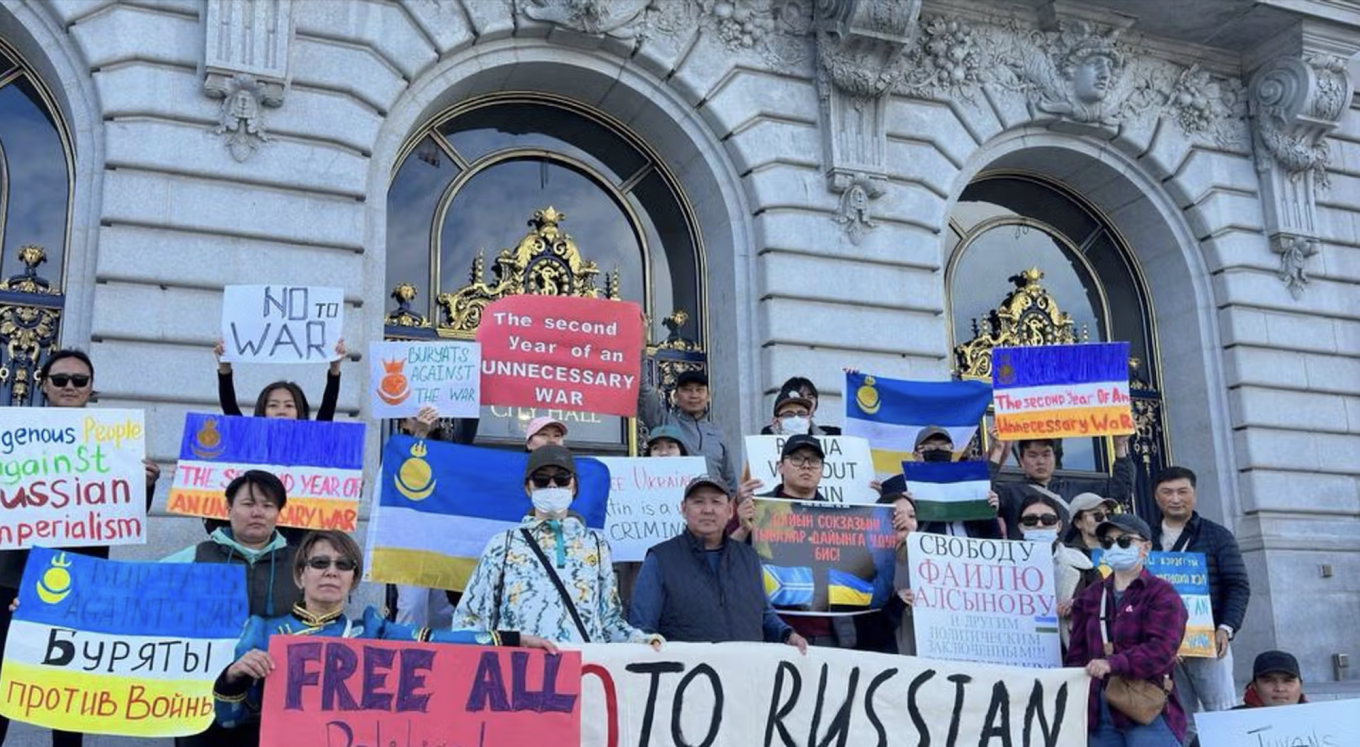
Free Buryatia Foundation, a group from the republic of Buryatia, is also turning its focus toward global partnerships and the growing diaspora, while its anti-war activities at home are increasingly centered on educating the public about Buryat history and the ripple effects of the war, as well as helping political prisoners.
During the four years of war, Free Buryatia’s volunteers have processed around 10,000 requests for help with terminating a military contract, evacuation from Russia and obtaining political asylum in a safe country.
Chingis Balbarov, a volunteer for Free Buryatia, said it no longer sees as many requests for help with evacuation or avoiding mobilization as it did in the outset of the invasion.
“It looks like those who wanted to leave have more or less already left, and those who wanted to avoid mobilization have already found ways to do so,” Balbarov said.
Diverging paths
As the war has dragged on, several anti-war groups have struggled to hold to their mission as internal upheaval has taken its toll.
Free Buryatia, which emerged as the most high-profile Indigenous group at the outset of the invasion and received “undesirable,” “extremist” and “terrorist” labels from the Kremlin, was rocked by a mass exodus of co-founders in 2023, some of whom went on to establish new organizations or left activism altogether.
“We stay in touch with most of our volunteers, with others, our paths have diverged, but that’s also normal — it happens,” said Balbarov, who joined the team in 2024. “We definitely don’t hold any negativity toward anyone — at least I certainly don’t.”
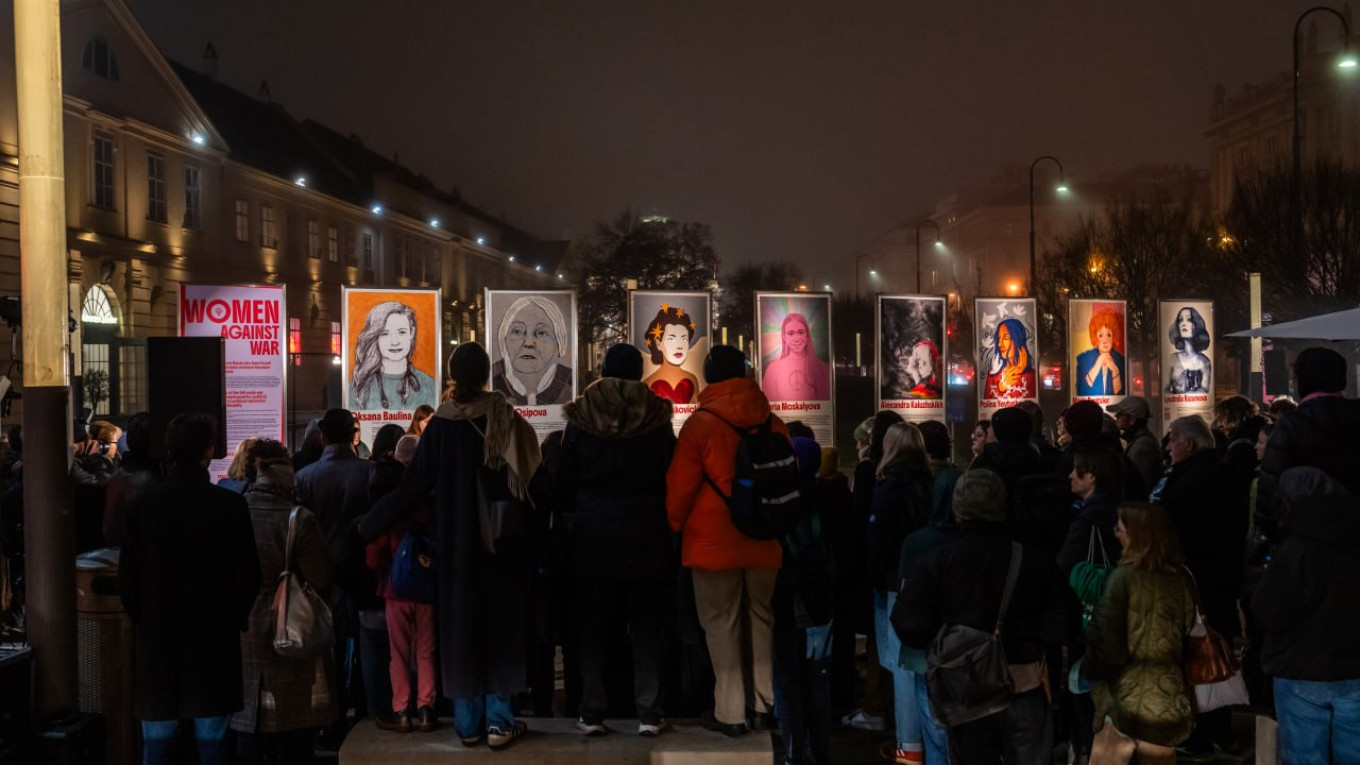
When activist Anna Gorelik asked to revive the Serbian cell of Feminist Anti-War Resistance (FAR), she waited for approval for several months as the team struggled with burnout and member departures.
“After that, I felt it myself as well, because our local cell also went through a rather difficult period. There was some kind of internal conflict. Several people left, and then new ones came,” Gorelik told The Moscow Times.
‘A moral duty’
Despite the challenges, Gorelik said she believes that anti-war activism is still a worthwhile cause.
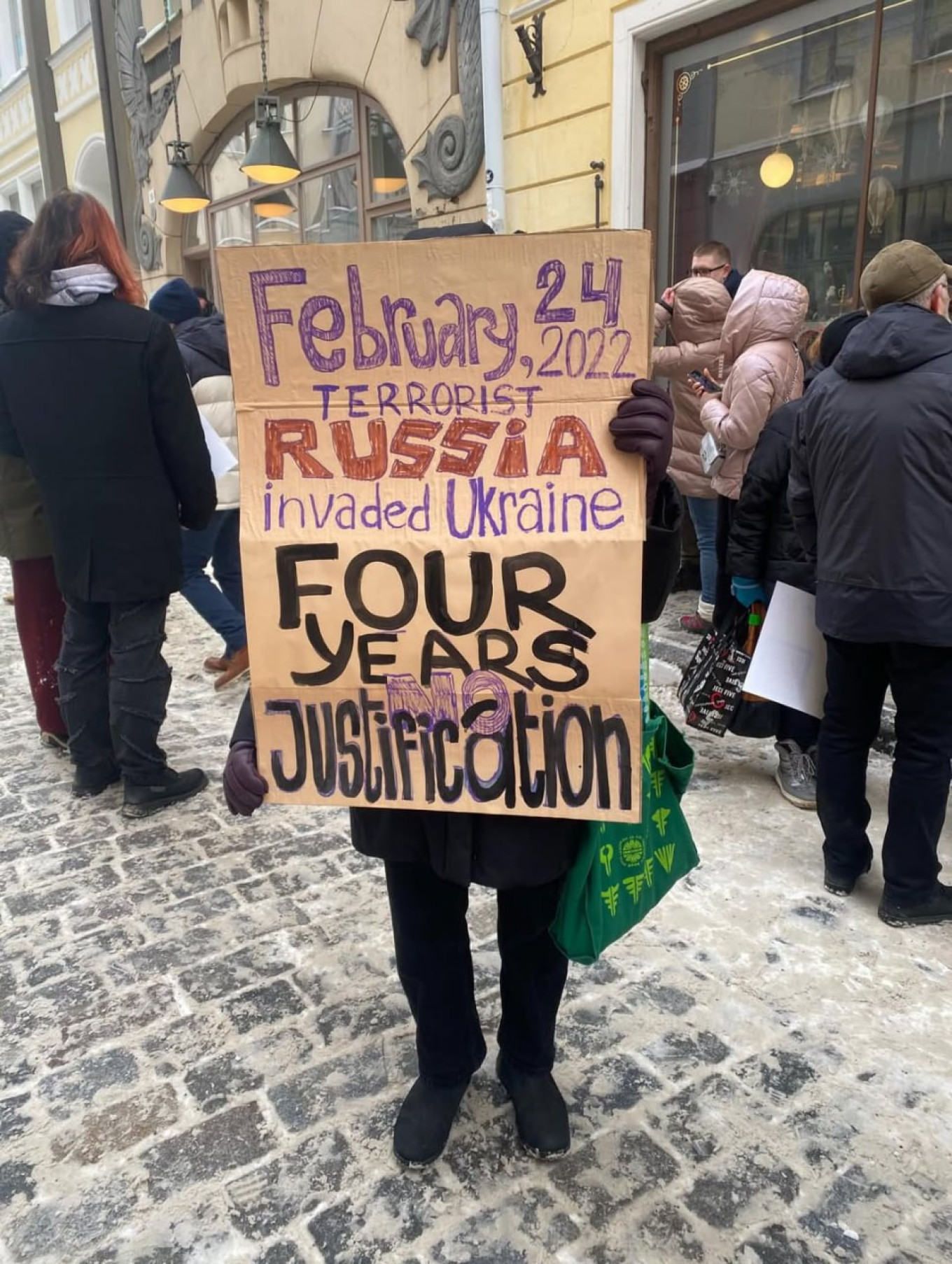
“We won’t stop the war with our performances, Instagram posts, and so on. But no one ever really had that illusion from the start,” said Gorelik.
“These are tiny little drops that can merge into a sense that not all citizens of Russia are the same. They are not some gray, dull mass, confused by propaganda. Many are against the war, and many are not silent.”
Gorelik said that for her, anti-war activism in exile is “a duty toward one’s own citizenship, with which you can’t really do anything” and “a moral duty toward those who remain in Russia.”
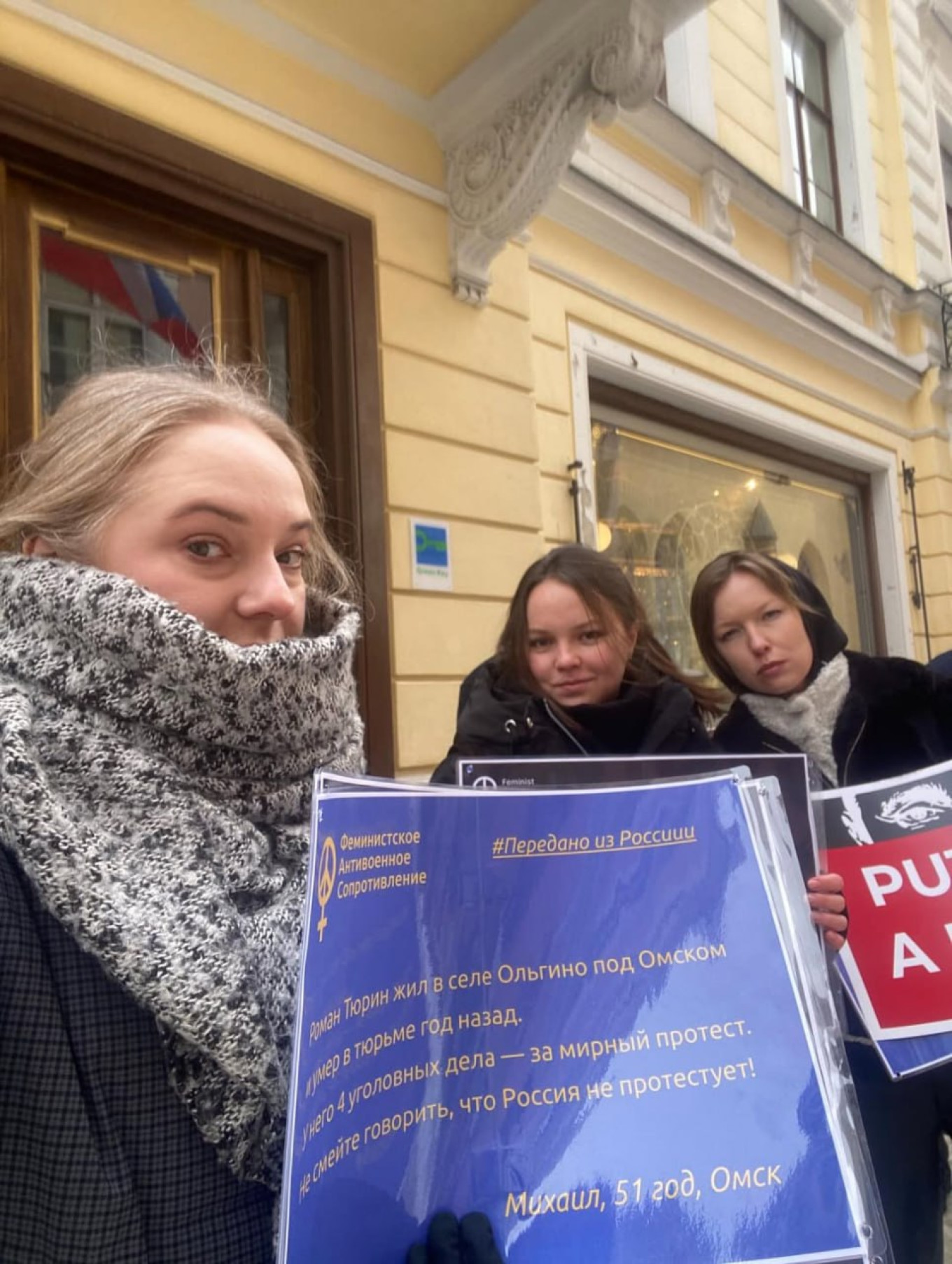
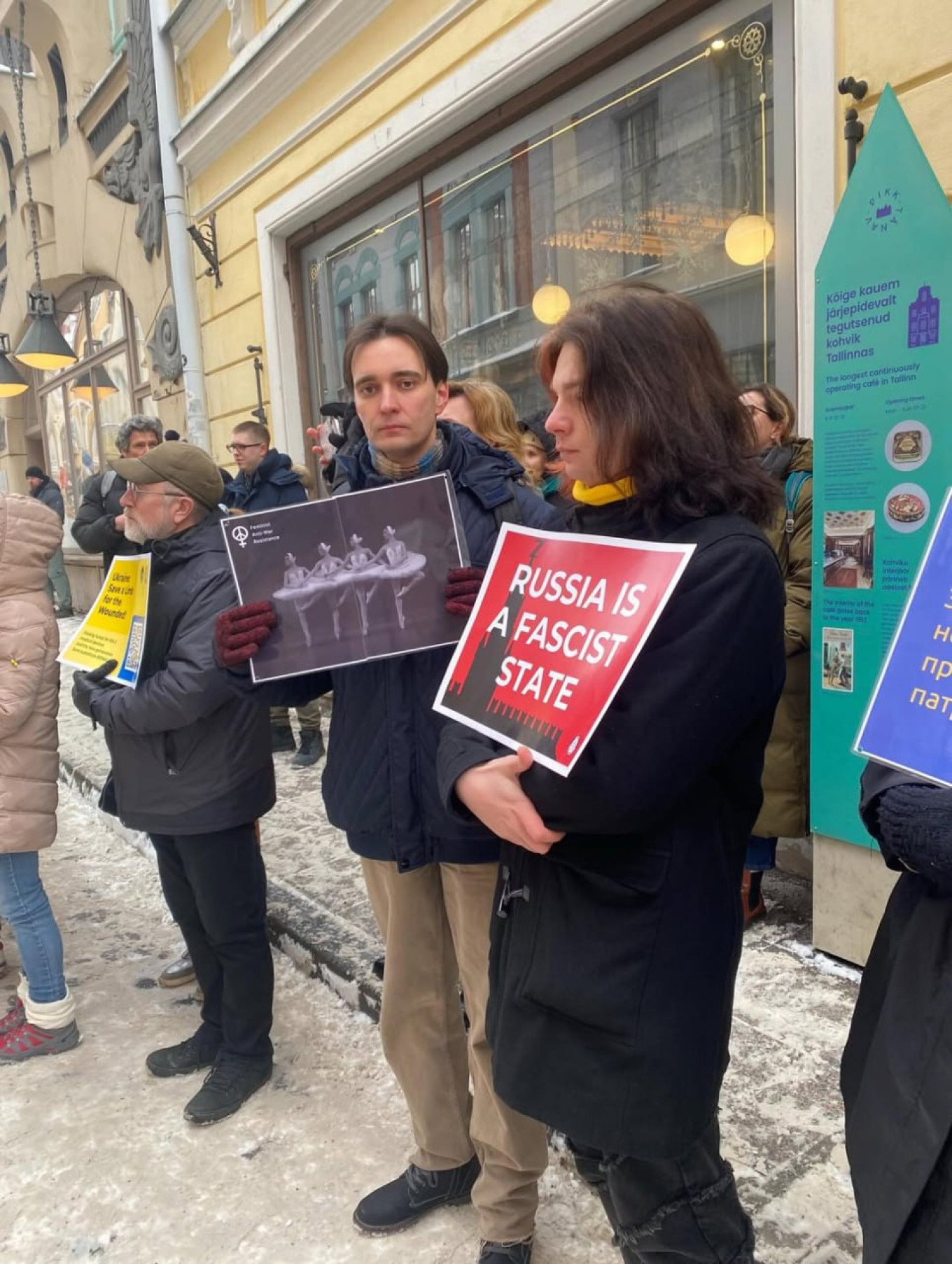
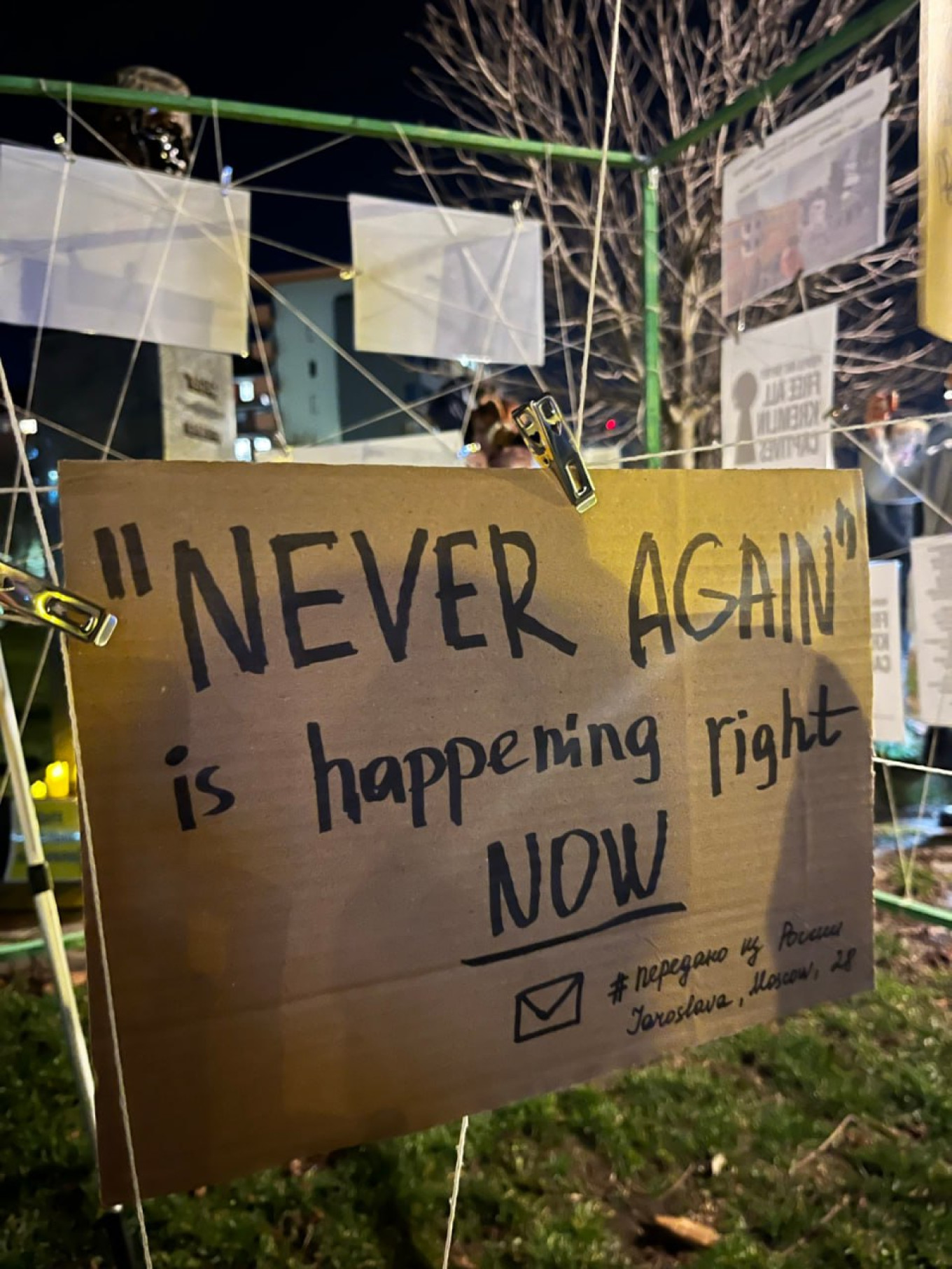
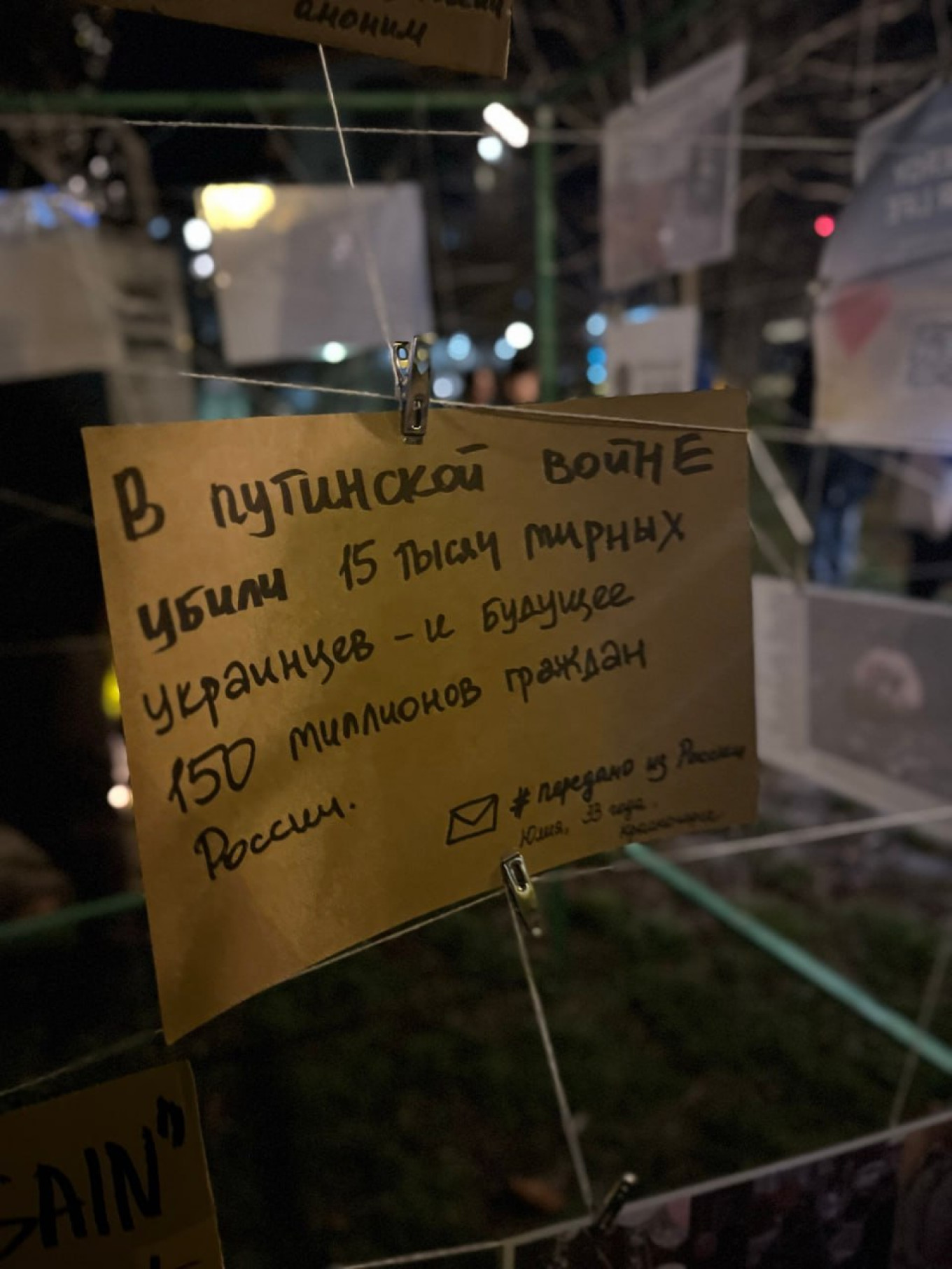
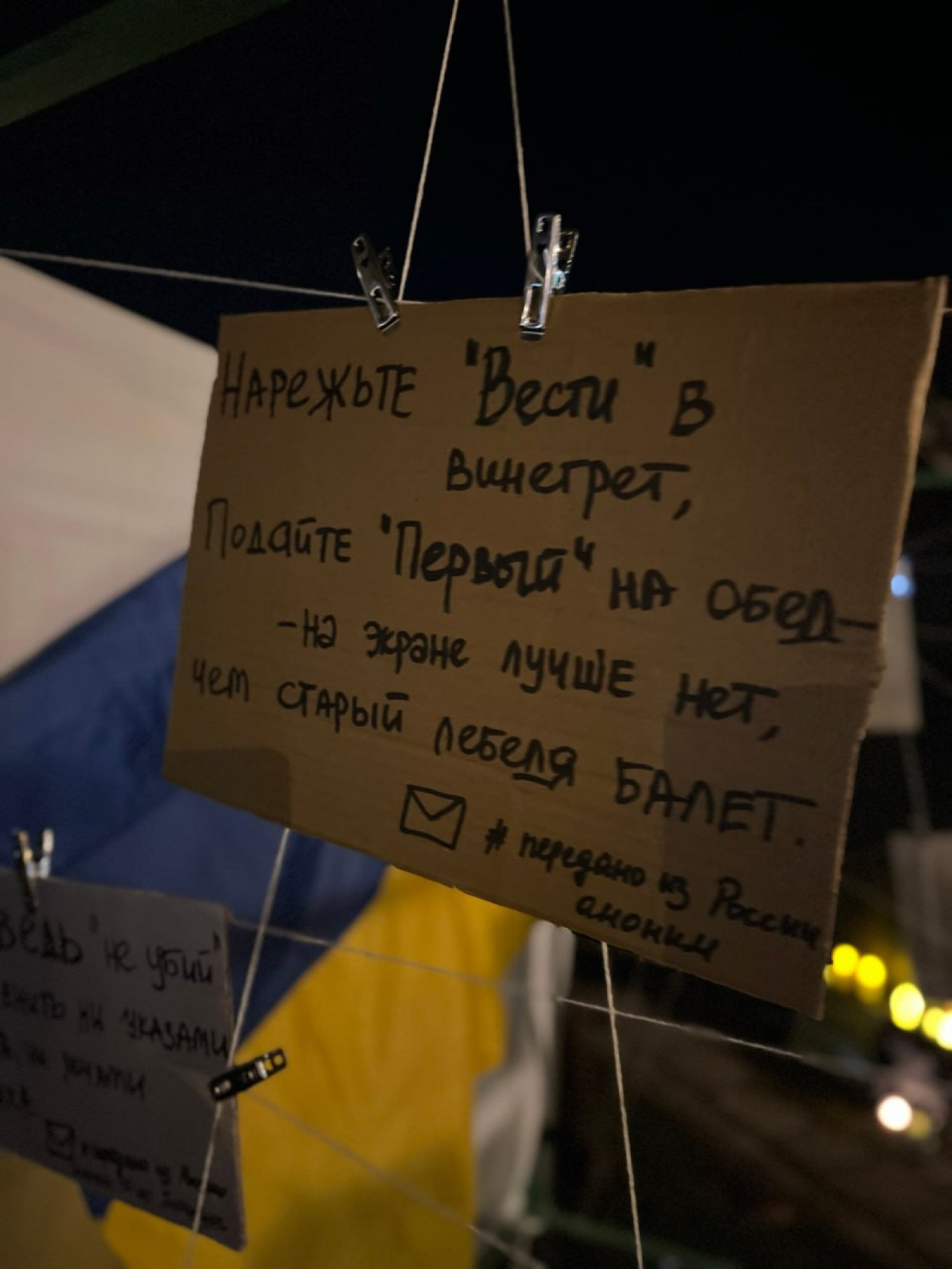
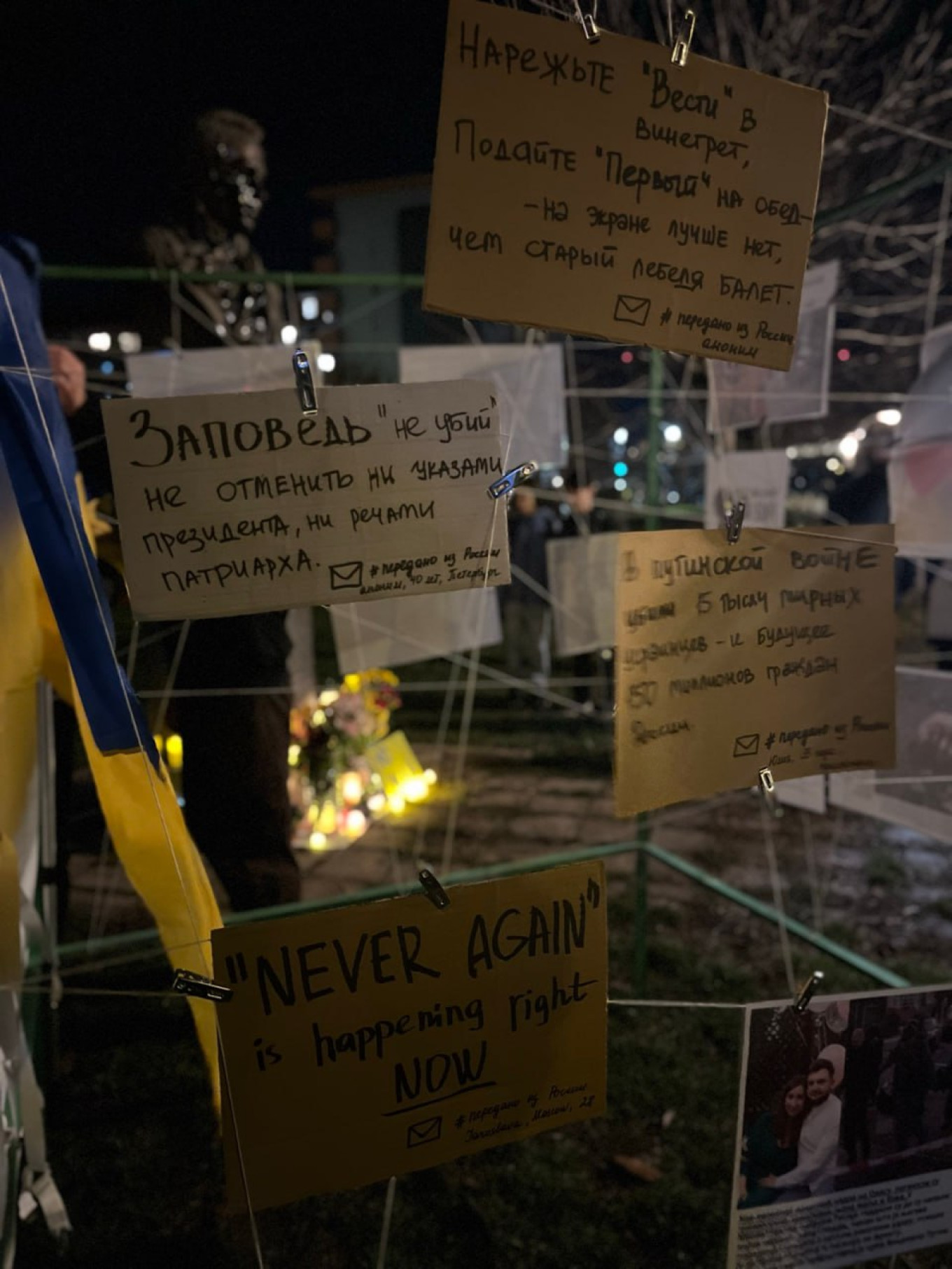
A fellow member of FAR’s Finland cell said the group’s “passed on from Russia” initiative, in which activists bring anonymous messages from people inside Russia to protests abroad, is one of their most meaningful events.
“Even in Finland, which supports Ukraine, it still makes sense to go out with these slogans, because they matter to people inside Russia — they want these messages to be heard,” the activist told The Moscow Times, speaking on condition of anonymity.
New Tuva’s co-founder Sholbaana Kuular echoed that sentiment.
“Our task is to preserve the voices of those inside who are against the war because only through us can they express their anti-war position, to support compatriots abroad and to lay the groundwork for the future when civil society in our Tyva can act openly again,” Kuular said.
A Message from The Moscow Times:
Dear readers,
We are facing unprecedented challenges. Russia's Prosecutor General's Office has designated The Moscow Times as an "undesirable" organization, criminalizing our work and putting our staff at risk of prosecution. This follows our earlier unjust labeling as a "foreign agent."
These actions are direct attempts to silence independent journalism in Russia. The authorities claim our work "discredits the decisions of the Russian leadership." We see things differently: we strive to provide accurate, unbiased reporting on Russia.
We, the journalists of The Moscow Times, refuse to be silenced. But to continue our work, we need your help.
Your support, no matter how small, makes a world of difference. If you can, please support us monthly starting from just $2. It's quick to set up, and every contribution makes a significant impact.
By supporting The Moscow Times, you're defending open, independent journalism in the face of repression. Thank you for standing with us.

Remind me later.