A bank closely linked to oil major Rosneft has become the first among Russia’s top 10 lenders by assets to post a net loss, highlighting mounting strains in the country’s banking sector.
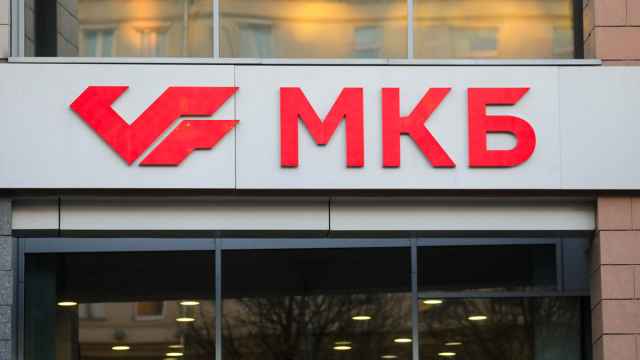
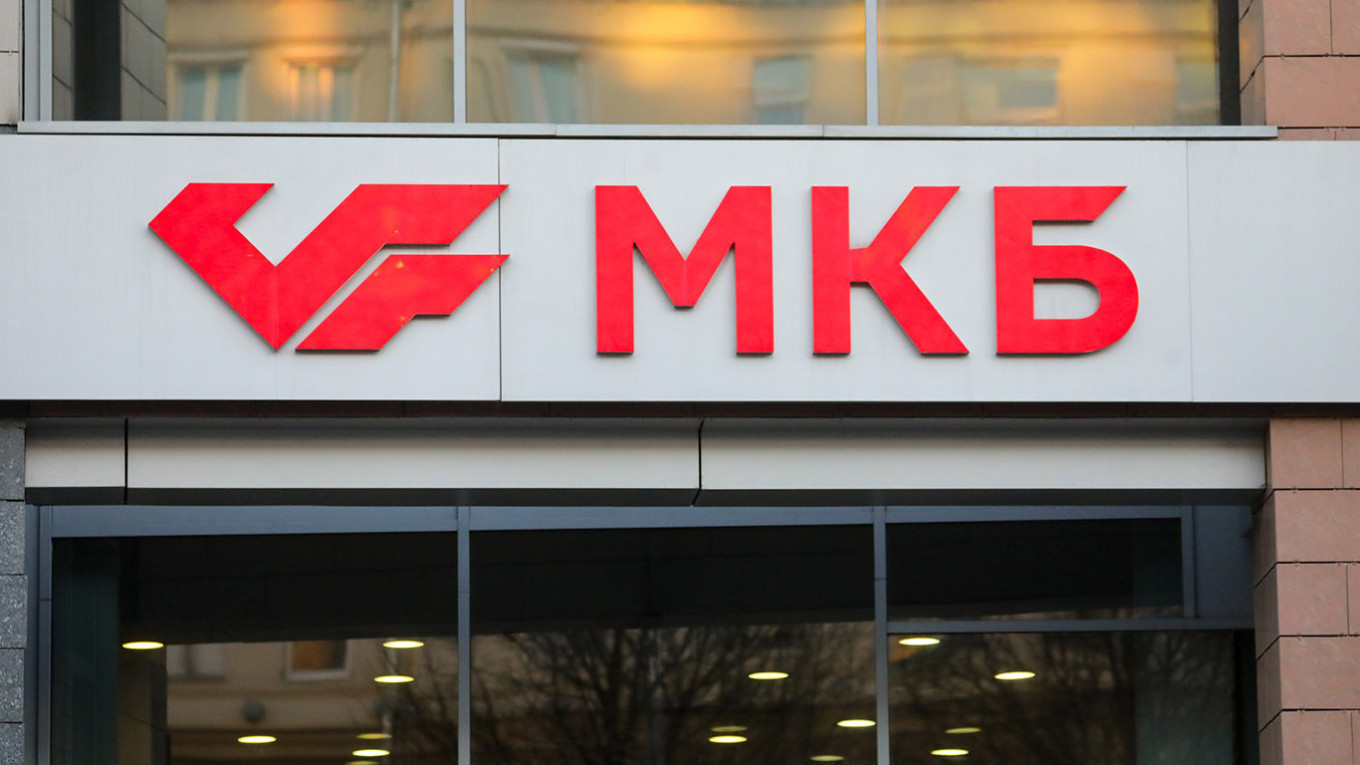
Credit Bank of Moscow (MKB), Russia’s seventh-largest bank by assets and holder of around 700 billion rubles ($9.1 billion) in household deposits, reported a net loss of 9 billion rubles ($117 million) in the fourth quarter of 2025, Interfax reported, citing the bank’s financial statements.
Most of the losses were recorded in December, when the bank posted an 8.2-billion-ruble ($106.6 million) loss.
Despite the late-year setback, MKB remained profitable for 2025 overall, though net profit fell to 21.1 billion rubles ($274.3 million), a one-third decline from 2024.
The bank’s problems emerged in mid-year. Between January and September, the volume of overdue loans on its balance sheet surged by 700% to 668 billion rubles ($8.7 billion), equivalent to 28% of its loan portfolio.
According to a source cited by the Kommersant business daily, a Central Bank audit uncovered problems at MKB, prompting a change in the bank’s senior management.
Russia’s banking sector as a whole ended the year in profit with earnings of 3.5 trillion rubles ($45.5 billion), though this was down 300 billion rubles ($3.9 billion) from 2024 due to rising credit losses.
Central Bank data show that 11.2% of corporate loans — worth 10.4 trillion rubles ($135.2 billion) — and 6.1% of retail loans, totalling 2.3 trillion rubles ($29.9 billion), were classified as problematic as of the end of October.
Payment defaults affecting defense manufacturers, metals producers, construction firms and even oil and gas companies have effectively triggered a banking crisis in Russia, according to experts at the government-linked Center for Macroeconomic Analysis and Short-Term Forecasting (CMASF).
The crisis is unfolding in a “latent form,” CMASF said, as banks restructure troubled loans and the state dominates the financial system.
Last year, state-owned banks received 1.02 trillion rubles ($13.3 billion) from the National Wealth Fund, which CMASF described as an “emergency recapitalization.”
Founded by billionaire Roman Avdeev, Moscow Credit Bank entered Rosneft’s orbit in 2017, when it was on the brink of bankruptcy along with several other lenders from Moscow’s so-called “banking ring,” including FC Otkritie, Binbank and Promsvyazbank.
Rosneft effectively rescued MKB by injecting capital and placing long-term deposits with maturities extending to 2066.
The company also transferred hundreds of billions of rubles, or several billion dollars, in reverse repo transactions to the bank, which it used to finance its operations.
Read this story in Russian at The Moscow Times' Russian service.
A Message from The Moscow Times:
Dear readers,
We are facing unprecedented challenges. Russia's Prosecutor General's Office has designated The Moscow Times as an "undesirable" organization, criminalizing our work and putting our staff at risk of prosecution. This follows our earlier unjust labeling as a "foreign agent."
These actions are direct attempts to silence independent journalism in Russia. The authorities claim our work "discredits the decisions of the Russian leadership." We see things differently: we strive to provide accurate, unbiased reporting on Russia.
We, the journalists of The Moscow Times, refuse to be silenced. But to continue our work, we need your help.
Your support, no matter how small, makes a world of difference. If you can, please support us monthly starting from just $2. It's quick to set up, and every contribution makes a significant impact.
By supporting The Moscow Times, you're defending open, independent journalism in the face of repression. Thank you for standing with us.

Remind me later.