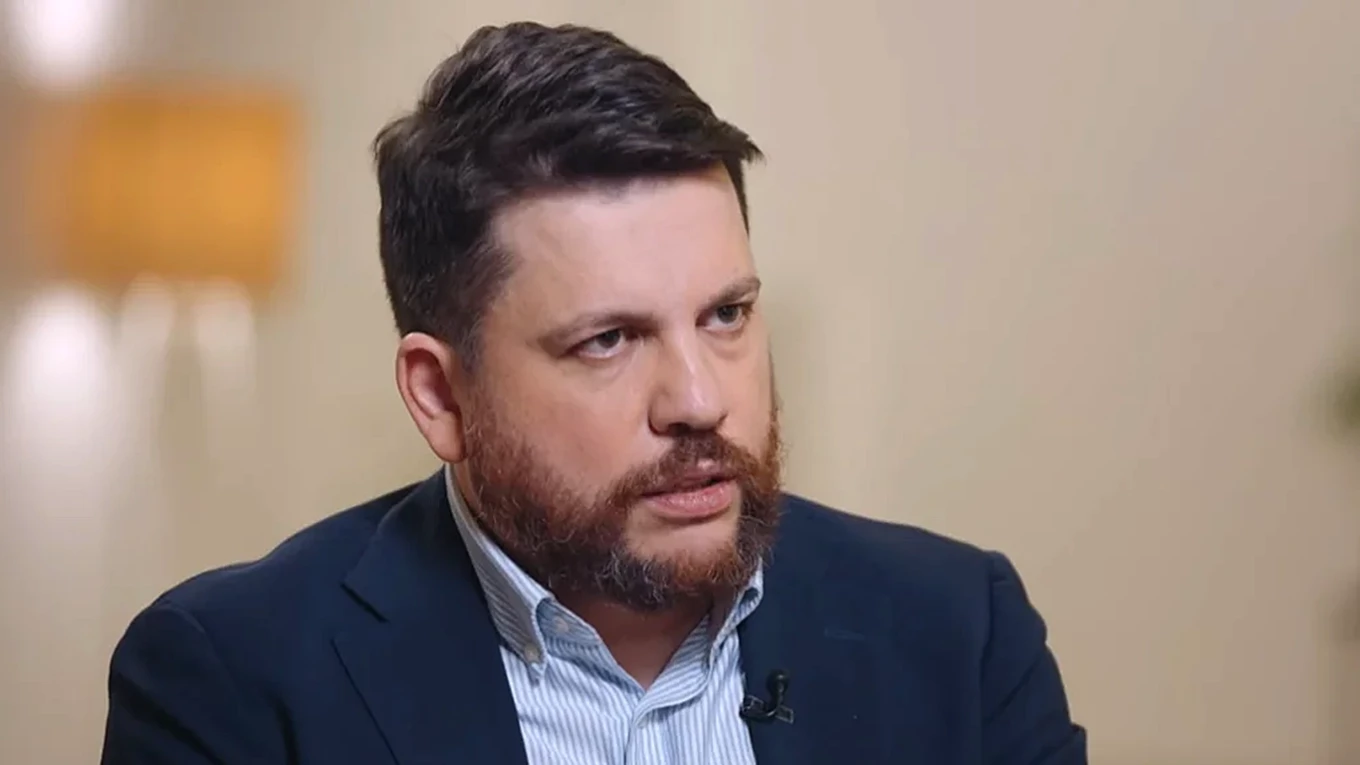
Lithuanian authorities do not plan to deport Russian anti-corruption campaigner Leonid Volkov, a former aide to the late opposition activist Alexei Navalny, following a scandal over leaked messages where he criticized Ukrainian officials and a far-right paramilitary fighter.
The Baltic country’s Interior Minister Vladislav Kondratovič said an investigation into Volkov determined that he did not pose any threat to Lithuania’s national security, nor was any evidence uncovered that would suggest he supported Russia’s invasion of Ukraine.
“Therefore, the representative of the Russian opposition, who holds a temporary residence permit, may continue living in Lithuania,” Kondratovič said during a press conference, according to the Baltic news outlet Delfi.
The head of migration Indrė Gasperė said Volkov’s legal status remains unchanged in Lithuania, where he has lived since 2019. However, Gasperė suggested the investigation should serve as a warning to the anti-Kremlin figure.
Volkov came under fire earlier this month following the leak of private messages where he accused Russian Volunteer Corps founder and leader Denis Kapustin of holding neo-Nazi views and being a “gift to Kremlin propaganda.” He also called Ukraine’s former spy chief Kyrylo Budanov “a disgusting provincial political technologist.”
Volkov later expressed regret over his “emotional and harsh” comments in the leaked messages, but he refused to back down from the underlying points in his criticism of Kapustin, who is known for his ties to far-right extremist circles and for founding a clothing brand that used Nazi symbols.
Ukrainian authorities have said they are investigating Volkov’s comments following allegations that he “justified” the Russian invasion of Ukraine, but no criminal charges have been formally pressed.
Volkov has not commented on the Ukrainian investigation.
Kondratovič said Thursday that the Lithuanian probe looked into both Volkov’s leaked comments and reactions to them from the Ukrainian authorities.
“Naturally, statements like these cause a certain public reaction, but the analysis went beyond treating it as a simple personal exchange between two individuals,” Kondratovič said.
A Message from The Moscow Times:
Dear readers,
We are facing unprecedented challenges. Russia's Prosecutor General's Office has designated The Moscow Times as an "undesirable" organization, criminalizing our work and putting our staff at risk of prosecution. This follows our earlier unjust labeling as a "foreign agent."
These actions are direct attempts to silence independent journalism in Russia. The authorities claim our work "discredits the decisions of the Russian leadership." We see things differently: we strive to provide accurate, unbiased reporting on Russia.
We, the journalists of The Moscow Times, refuse to be silenced. But to continue our work, we need your help.
Your support, no matter how small, makes a world of difference. If you can, please support us monthly starting from just $2. It's quick to set up, and every contribution makes a significant impact.
By supporting The Moscow Times, you're defending open, independent journalism in the face of repression. Thank you for standing with us.

Remind me later.