Russia will sharply increase sales of foreign currency and gold from its National Wealth Fund (NWF) to offset a steep fall in oil and gas revenues, which sank last year to their lowest level since the pandemic and halved in December year-on-year.
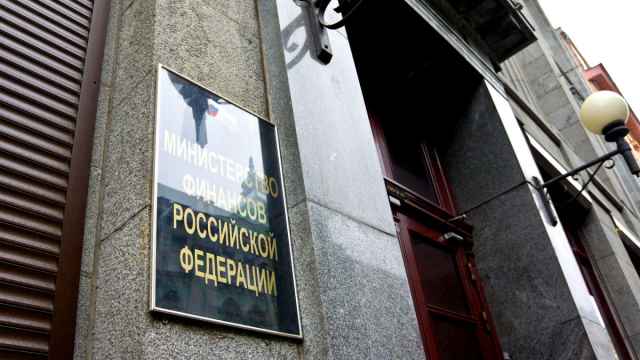
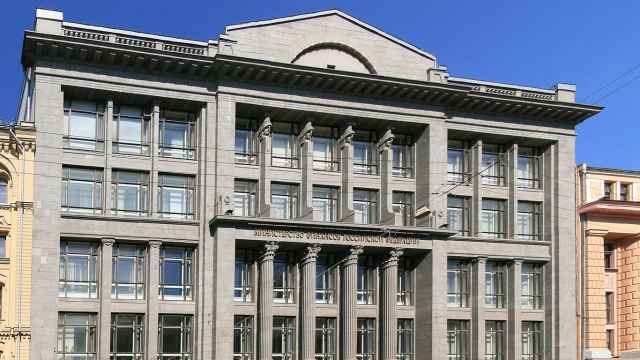
From Jan. 16 to Feb. 5, the Finance Ministry will sell Chinese yuan and gold from the fund worth 12.8 billion rubles ($165 million) per day, or a total of 192.1 billion rubles ($2.48 billion), under the budget rule.
This will be the largest daily volume of such operations on record, exceeding even the peak pace during the Covid-19 crisis, when assets were sold at roughly 11.4 billion rubles ($147 million) a day, Interfax said.
The pace of disposals will rise more than twofold compared with December, when daily sales amounted to 5.6 billion rubles ($72 million).
The increase is linked to a widening discount on Russian crude, said Natalia Orlova, chief economist at Alfa Bank.
The average price of Urals oil fell to about $39 per barrel in December, well below the $59 assumed when the 2026 budget was drafted.
“Given current oil price dynamics, oil and gas revenues are likely to remain under pressure this year,” Orlova said.
The Finance Ministry has budgeted 8.9 trillion rubles ($114.8 billion) in oil and gas tax revenues for 2026.
However, collections are likely to fall short by 1.1-1.4 trillion rubles ($14.2-18.1 billion), economist Dmitry Polevoy said.
Analysts at MMI estimated that the gap could be even larger, at 2.5-3 trillion rubles ($32.3-38.7 billion), which would effectively drain the NWF’s liquid reserves.
The fund held 4.1 trillion rubles ($52.9 billion) in liquid assets — unspent funds in the form of foreign currency and gold held at the Central Bank — at the start of the year.
Before Russia's full-scale invasion of Ukraine, the NWF held $113.5 billion in liquid assets accumulated from years of oil windfalls, including 405.7 metric tons of gold.
The government has sold around 60% of the fund’s gold in the nearly four years since, reducing holdings to 173 metric tons as of Dec. 1, 2025.
Total liquid assets have fallen to $52.3 billion, while foreign currency reserves have dropped to 209.15 billion yuan, the lowest level since the fund was created in 2008.
Oil and gas revenues totaled 8.4 trillion rubles ($108.4 billion) last year, the weakest result since 2020 and about 2.5 trillion rubles ($32.3 billion) below the Finance Ministry’s original projections.
Budget deficit estimates from Gazprombank suggest the shortfall may have reached 6 trillion rubles ($77.4 billion), though the ministry has yet to publish final figures.
For this year, the government has targeted a reduction in the deficit to 3.8 trillion rubles ($49.0 billion), or 1.6% of gross domestic product.
Polevoy estimates the gap could again be larger, at around 2.6-2.7% of GDP.
Lower prices for Russian oil are expected to cut export revenues by about $35 billion, weighing on economic growth and potentially forcing further spending cuts, Polevoy said.
Read this story in Russian at The Moscow Times' Russian service.
A Message from The Moscow Times:
Dear readers,
We are facing unprecedented challenges. Russia's Prosecutor General's Office has designated The Moscow Times as an "undesirable" organization, criminalizing our work and putting our staff at risk of prosecution. This follows our earlier unjust labeling as a "foreign agent."
These actions are direct attempts to silence independent journalism in Russia. The authorities claim our work "discredits the decisions of the Russian leadership." We see things differently: we strive to provide accurate, unbiased reporting on Russia.
We, the journalists of The Moscow Times, refuse to be silenced. But to continue our work, we need your help.
Your support, no matter how small, makes a world of difference. If you can, please support us monthly starting from just $2. It's quick to set up, and every contribution makes a significant impact.
By supporting The Moscow Times, you're defending open, independent journalism in the face of repression. Thank you for standing with us.

Remind me later.