
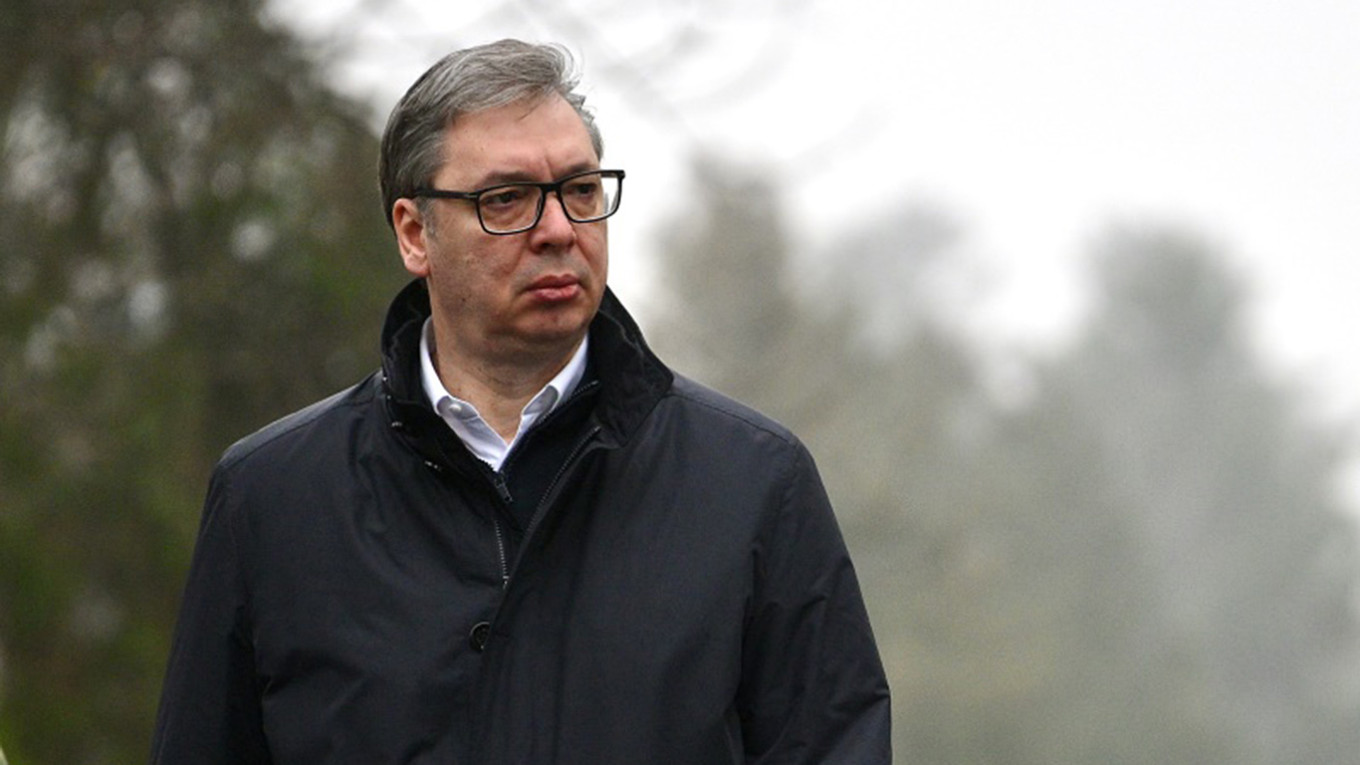
Serbia has agreed to extend its gas supply arrangement with Russia for three months, President Aleksandar Vučić said on Tuesday, as the country continues to seek a long-term contract.
The extension, set to last until March 31, comes after Serbia’s previous three-year agreement with Moscow expired this summer. Vučić said the short-term extension would ensure that Serbia has enough electricity and gas for the winter.
“We have agreed to extend gas supplies for another three months... so people can feel safe and sleep peacefully,” Vučić said. He added that if a long-term deal is not reached by the end of the year, Serbia will begin exploring alternative sources of gas.
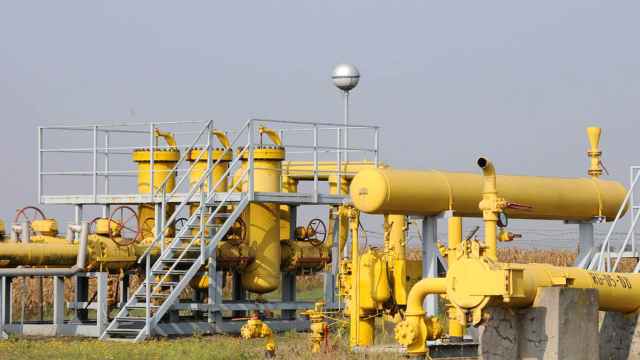
Serbia remains heavily dependent on Russian energy. According to Serbia’s gas company, Russia currently supplies about 6 million cubic meters per day at roughly 290 euros ($342) per 1,000 cubic meters, compared with a European market price of around 360 euros ($424).
The country also imports gas from Azerbaijan and produces domestically, but not enough to offset any loss of Russian supply.
Despite being an EU membership candidate, Serbia maintains close ties with Moscow and purchases Russian gas at below-market rates.
Vučić has previously suggested that Russia’s insistence on short-term extensions, rather than a multi-year deal, is intended to prevent Serbia from nationalizing its state-controlled oil company, Petroleum Industry of Serbia (NIS).
The oil sector has also been hit by U.S. sanctions targeting NIS due to its majority Russian ownership. The sanctions, in effect since Oct. 9, have stopped crude deliveries to the country’s only oil refinery, forcing a shutdown in late November.
Serbia is negotiating the sale of Russia’s 56% stake in NIS to comply with sanctions requirements. The country set a mid-January deadline for the sale, after which the government plans to appoint its own management and offer a buyout.
A Message from The Moscow Times:
Dear readers,
We are facing unprecedented challenges. Russia's Prosecutor General's Office has designated The Moscow Times as an "undesirable" organization, criminalizing our work and putting our staff at risk of prosecution. This follows our earlier unjust labeling as a "foreign agent."
These actions are direct attempts to silence independent journalism in Russia. The authorities claim our work "discredits the decisions of the Russian leadership." We see things differently: we strive to provide accurate, unbiased reporting on Russia.
We, the journalists of The Moscow Times, refuse to be silenced. But to continue our work, we need your help.
Your support, no matter how small, makes a world of difference. If you can, please support us monthly starting from just $2. It's quick to set up, and every contribution makes a significant impact.
By supporting The Moscow Times, you're defending open, independent journalism in the face of repression. Thank you for standing with us.

Remind me later.