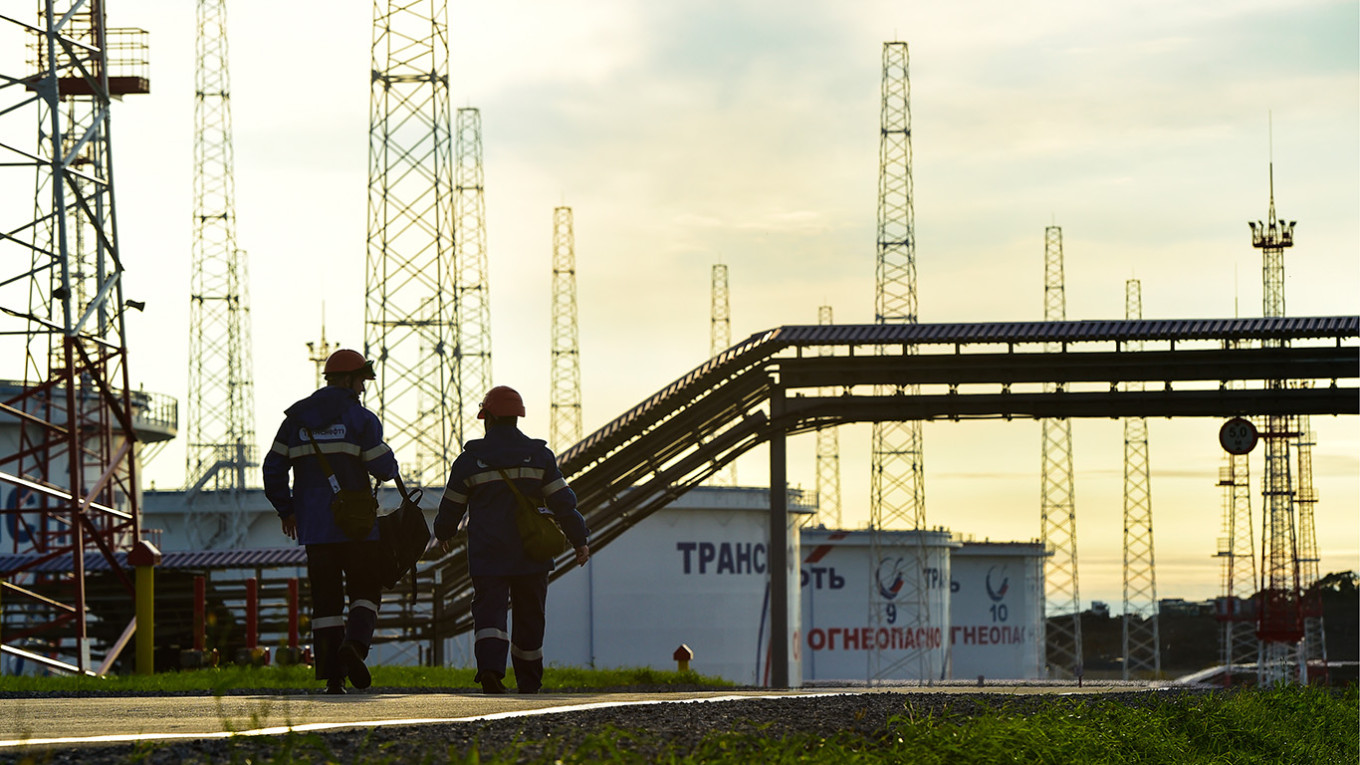
U.S. Treasury Secretary Scott Bessent said Wednesday that the Trump administration will not extend a temporary sanctions waiver on Russian oil that was introduced last month to stabilize global energy markets.
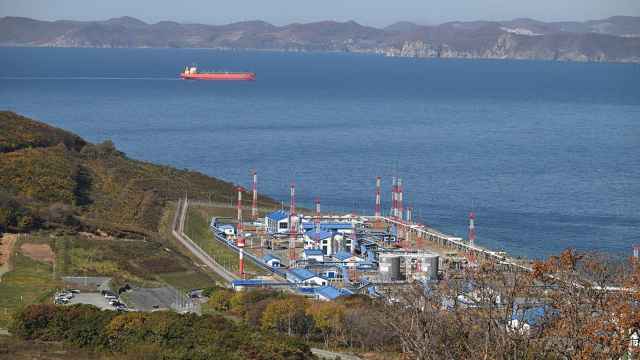
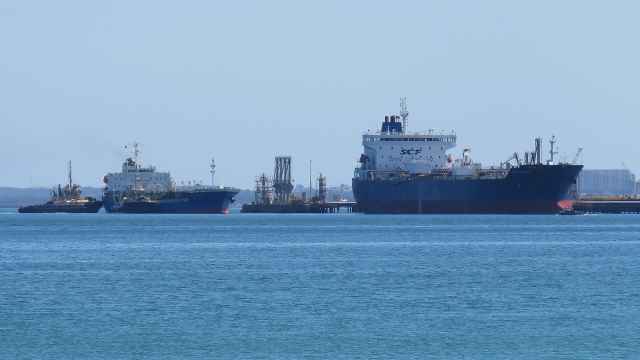
The 30-day waiver, which expired on Saturday, allowed for the delivery and sale of Russian crude oil and petroleum products loaded onto ships between March 12 and April 11.
Asian countries seeking alternatives to disrupted Middle Eastern supplies were the primary beneficiaries of the measure. Some of those countries, including the Philippines, have been lobbying Washington to extend the waiver.
A separate waiver for Iranian oil is scheduled to expire this weekend.
The sanctions relief for Russian oil faced criticism from U.S. allies, who argued the reprieve provided a financial windfall for Russia’s federal budget as it continues to wage war against Ukraine.
Bessent defended the decision at a White House briefing, arguing the waiver prevented a more significant price spike that would have further increased Russia’s energy revenues.
“Let’s think of a different world where oil spiked to $150, and they would have made a lot more by doing that by pushing the Russian barrels already on the water,” the treasury secretary said. “They were going to be sold and going to China no matter what.”
Bessent noted that benchmark West Texas Intermediate crude is now trading near $93 a barrel, down from “doomsday scenarios” of $200 or $250.
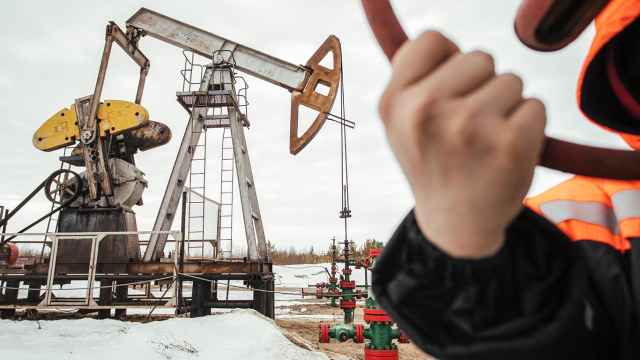
The International Energy Agency said this week that Russia’s revenue from crude and petroleum shipments rose to $19 billion last month, a sharp reversal from February, when revenues hit a post-invasion low of $9.75 billion.
A Message from The Moscow Times:
Dear readers,
We are facing unprecedented challenges. Russia's Prosecutor General's Office has designated The Moscow Times as an "undesirable" organization, criminalizing our work and putting our staff at risk of prosecution. This follows our earlier unjust labeling as a "foreign agent."
These actions are direct attempts to silence independent journalism in Russia. The authorities claim our work "discredits the decisions of the Russian leadership." We see things differently: we strive to provide accurate, unbiased reporting on Russia.
We, the journalists of The Moscow Times, refuse to be silenced. But to continue our work, we need your help.
Your support, no matter how small, makes a world of difference. If you can, please support us monthly starting from just $2. It's quick to set up, and every contribution makes a significant impact.
By supporting The Moscow Times, you're defending open, independent journalism in the face of repression. Thank you for standing with us.

Remind me later.