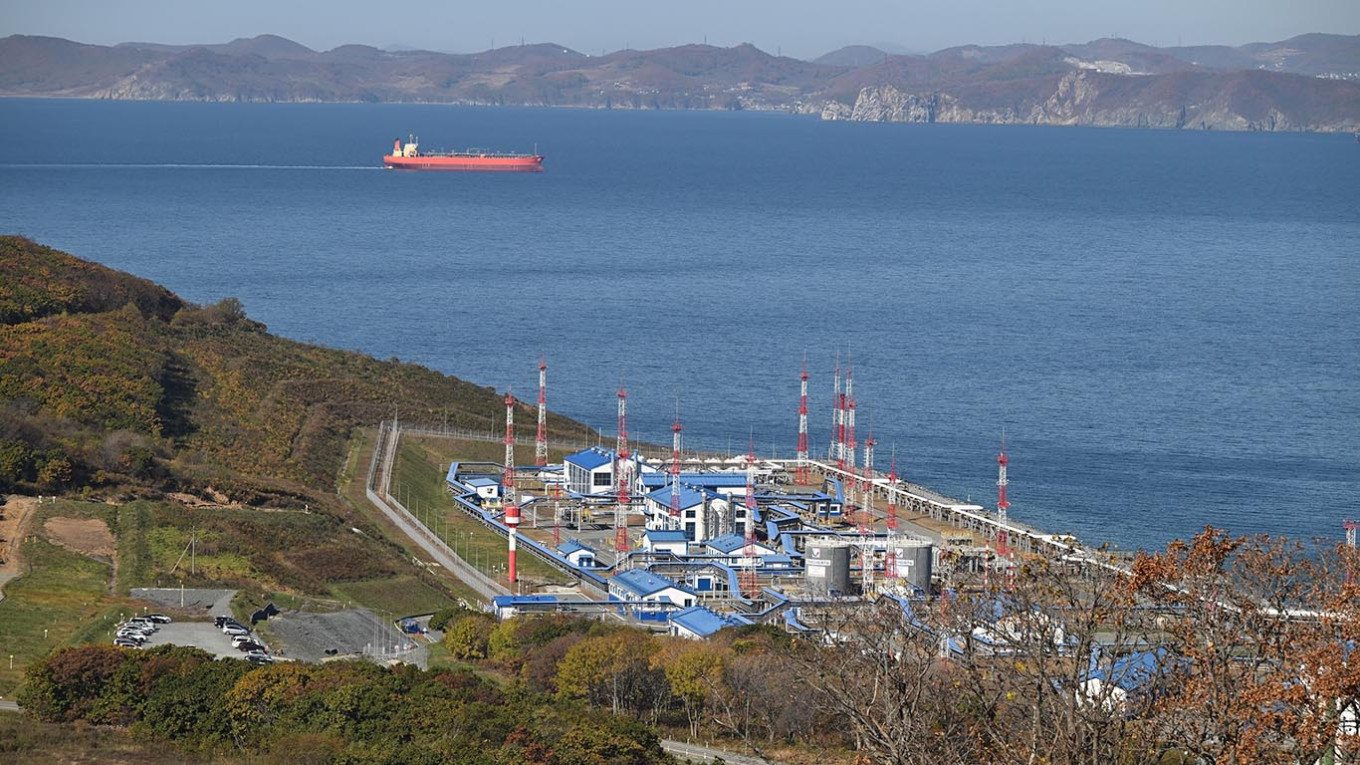
A U.S. sanctions waiver allowing for the sale and delivery of Russian oil expired this weekend, leaving governments in a state of uncertainty as the Trump administration reportedly weighed an extension in order to soothe jittery markets.
The 30-day U.S. Treasury Department waiver, which covered Russian crude and petroleum products from March 12 to April 11, was introduced last month due to oil supply shortages stemming from the war in Iran.
While several reports suggested the Trump administration would likely grant an extension to mitigate the economic fallout of the effective closure of the Strait of Hormuz, no official announcement had been made as of Monday morning.
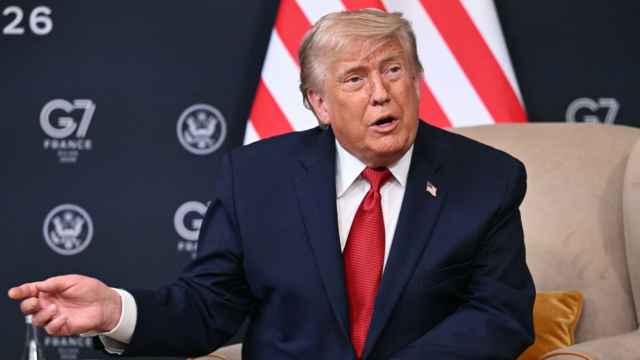
Reuters, citing anonymous sources, reported last week that U.S. President Donald Trump and Treasury Secretary Scott Bessent had agreed that extending the waiver would be a “good idea.”
The lapse of the waiver has prompted a diplomatic push by several Asian countries, which depend on the Middle East for most of their oil and gas and have been looking for alternative suppliers since last month.
India, one of the top buyers of Russian oil, and the Philippines have reportedly led lobbying efforts in Washington to ensure the continued flow of Russian energy.
The Philippines’ Ambassador in Washington, Jose Manuel G. Romualdez, characterized the negotiations as a “work in progress,” according to Bloomberg.
Despite the legal ambiguity, executives at major Indian refineries indicated they would likely maintain current purchase volumes of Russian crude. An Indian delegation is also reportedly seeking expanded exemptions for Russian liquefied natural gas and the renewal of a separate waiver for Iranian crude, which is set to expire this Sunday.
Meanwhile, Indonesian President Prabowo Subianto arrived in Moscow on Monday morning to meet with President Vladimir Putin. The two leaders are expected to discuss energy security and potential fuel purchases from Russia amid the global supply crisis.
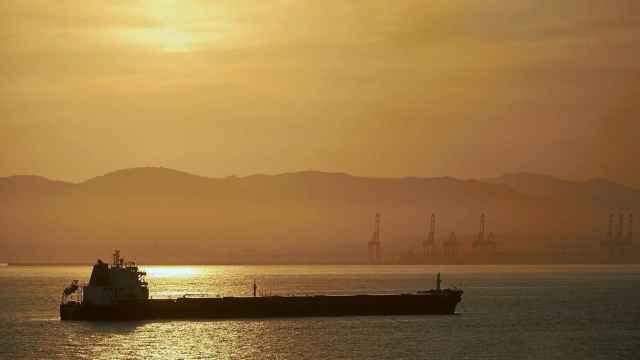
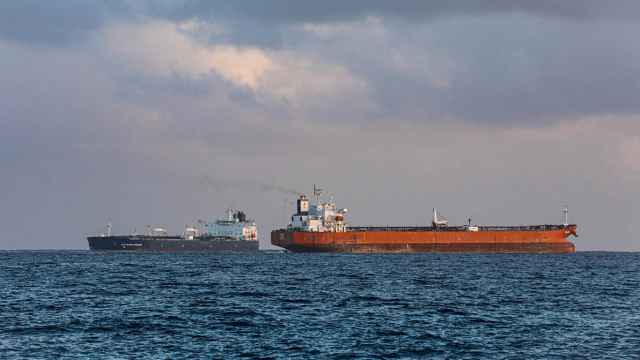
On Monday, oil prices surged to more than 30% above pre-war levels after U.S.-Iran peace talks in Pakistan fell apart and Trump announced a blockade of the Strait of Hormuz, through which a fifth of the world’s oil supplies normally pass.
“Effective immediately, the United States Navy, the Finest in the World, will begin the process of BLOCKADING any and all Ships trying to enter, or leave, the Strait of Hormuz,” Trump wrote on Truth Social.
The price of Urals crude surged to around $120 per barrel in early April. Before the war in Iran, Russian oil had been sold at wide discounts due to U.S. sanctions over the full-scale invasion of Ukraine.
A Message from The Moscow Times:
Dear readers,
We are facing unprecedented challenges. Russia's Prosecutor General's Office has designated The Moscow Times as an "undesirable" organization, criminalizing our work and putting our staff at risk of prosecution. This follows our earlier unjust labeling as a "foreign agent."
These actions are direct attempts to silence independent journalism in Russia. The authorities claim our work "discredits the decisions of the Russian leadership." We see things differently: we strive to provide accurate, unbiased reporting on Russia.
We, the journalists of The Moscow Times, refuse to be silenced. But to continue our work, we need your help.
Your support, no matter how small, makes a world of difference. If you can, please support us monthly starting from just $2. It's quick to set up, and every contribution makes a significant impact.
By supporting The Moscow Times, you're defending open, independent journalism in the face of repression. Thank you for standing with us.

Remind me later.