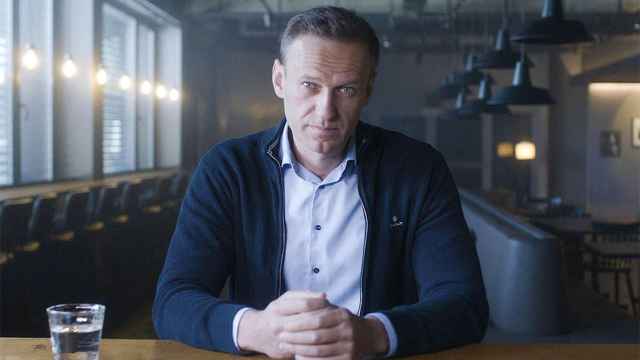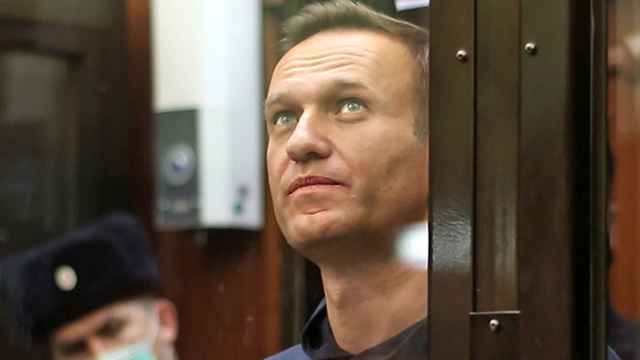
Close allies of the late opposition figure Alexei Navalny have expressed outrage over an investigative media outlet’s decision to publish his unredacted autopsy photos.
Maria Pevchikh, head of the Anti-Corruption Foundation, wrote on X on Monday that “several people” had contacted her about a news outlet publishing the results of Alexei Navalny's autopsy.
“We have had this document for a year and a half already… it was hard for me to even entertain the thought that any journalist would decide to publish it. Its content fails to meet any ethical standards, not even the most minimal ones,” Pevchikh wrote.
“There’s no angle from which such a publication could have any public interest,” she continued.
Shortly after, the independent news outlet The Insider shared excerpts from a leaked Russian government forensic medical examination of Navalny’s death, including a photo of his body.
The Russian government claims Navalny died from natural causes in an Arctic prison in February 2024. Last month, Britain, France, Germany, Sweden and the Netherlands accused Russian authorities of killing Navalny with a rare toxin, epibatidine, found in South American dart frogs. The Kremlin flatly rejects the accusations.
After facing backlash from Navalny’s allies and supporters who accused it of an ethical breach, The Insider apologized and said it would replace the photo.
Seeking to pre-empt the photos’ eventual publication, Pevchikh shared excerpts of a 238-page document authored by the Russian Health Ministry’s Center for Forensic Medical Examination.
She said the forensic examination searched for poison and found an antidote with other chemicals whose origin was left unexplained.
“The forensic medical examination showed clear signs of having been ‘tailored’ to produce the desired result that Navalny supposedly died of natural causes,” she wrote.
Pevchikh said her team had been in possession of what she described as “sterile and sanitized” autopsy results for a year and a half. Navalny’s team has shared them with foreign scientists for their evaluation, she added.
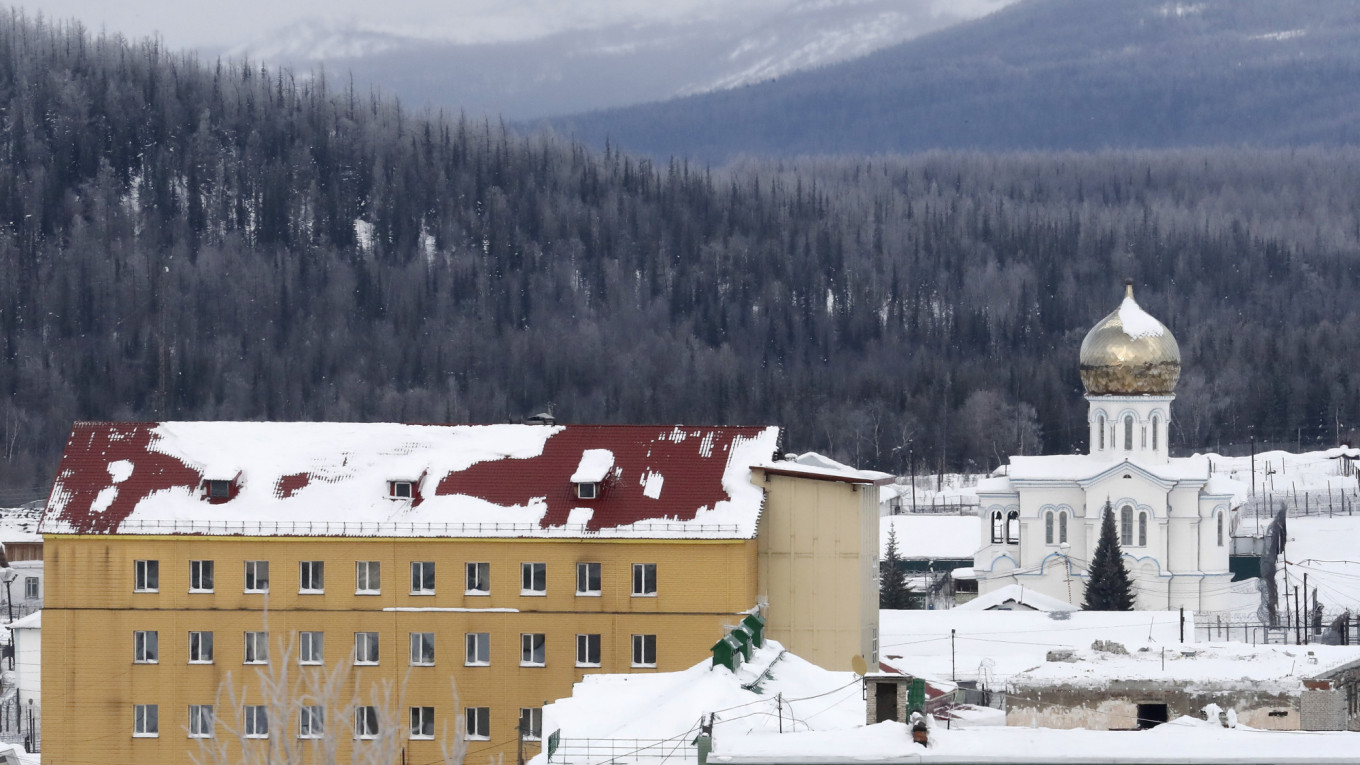
Russia has not fully explained Navalny’s death, saying only that he fell ill and collapsed during a walk in the prison yard in the remote town of Kharp in the Yamalo-Nenets autonomous district.
A Message from The Moscow Times:
Dear readers,
We are facing unprecedented challenges. Russia's Prosecutor General's Office has designated The Moscow Times as an "undesirable" organization, criminalizing our work and putting our staff at risk of prosecution. This follows our earlier unjust labeling as a "foreign agent."
These actions are direct attempts to silence independent journalism in Russia. The authorities claim our work "discredits the decisions of the Russian leadership." We see things differently: we strive to provide accurate, unbiased reporting on Russia.
We, the journalists of The Moscow Times, refuse to be silenced. But to continue our work, we need your help.
Your support, no matter how small, makes a world of difference. If you can, please support us monthly starting from just $2. It's quick to set up, and every contribution makes a significant impact.
By supporting The Moscow Times, you're defending open, independent journalism in the face of repression. Thank you for standing with us.

Remind me later.