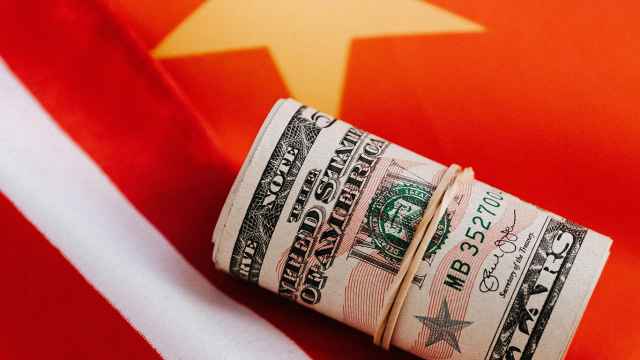

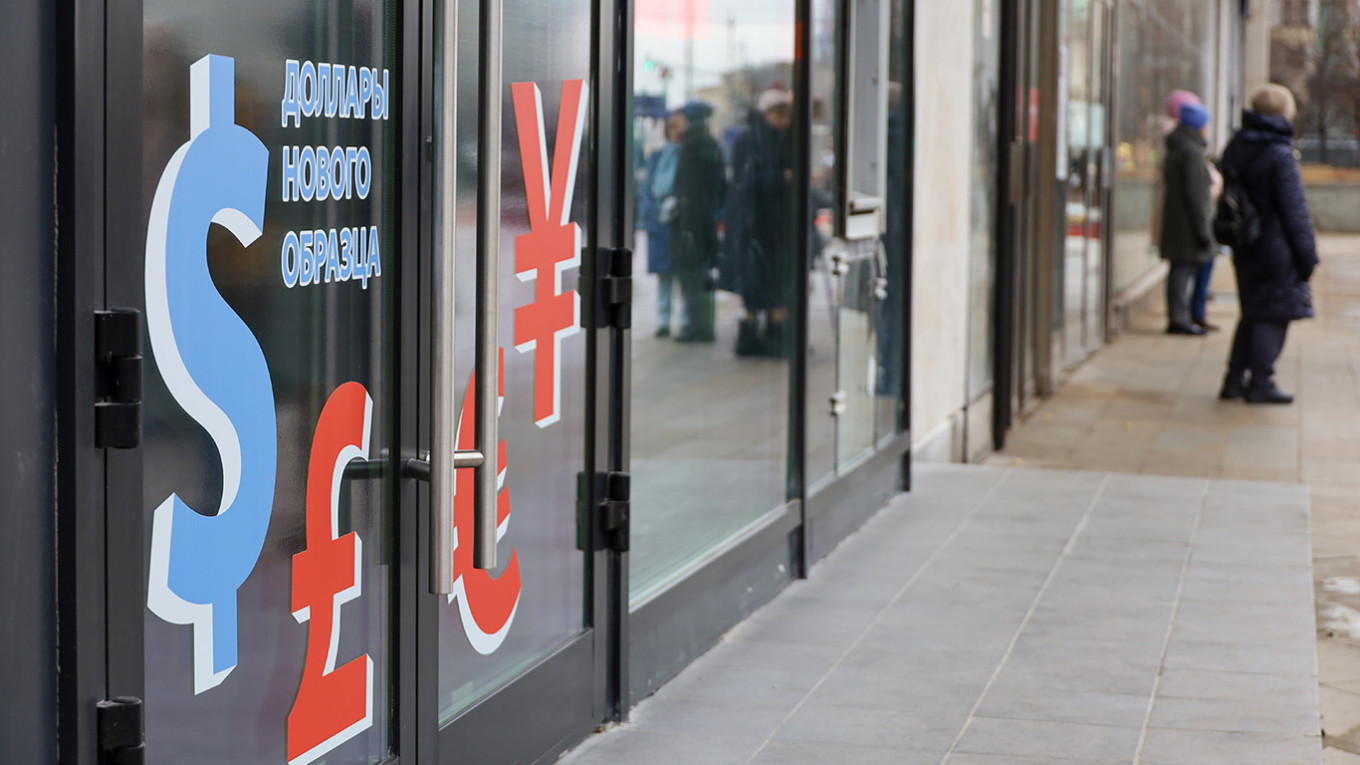
For years, the Kremlin has thundered that the age of the dollar was ending. The greenback was a weapon, we were told — an instrument of pernicious American coercion that Russia would cast aside as it built a new, sovereign financial order.
De-dollarization was destiny, not just policy. Moscow would lead the world toward a multipolar system where Washington no longer held the whip hand. State media treated the dollar’s decline as not just inevitable, but imminent.
Now comes the twist.
Behind all the defiant, chest-thumping bluster, Russia is reportedly considering a return to the supposedly toxic dollar settlement system, provided sanctions are lifted.
According to Bloomberg, an internal Kremlin memo outlines potential areas of convergence with Washington. These include re-entering the dollar settlement system, pursuing joint oil and gas ventures, cooperating on critical minerals, collaborating on nuclear energy, and even offering preferential conditions to U.S. firms re-entering Russia.
The price? Sanctions relief and restored access to dollar transactions.
If the Bloomberg report is accurate, the Kremlin is contemplating a volte-face so sweeping it would be high farce. After years of bombast about de-dollarization, financial sovereignty and the imminent demise of Washington’s monetary hegemony, Moscow is reportedly weighing a return to U.S. dollar settlements.
The same leadership that cast the dollar as a geopolitical weapon now appears ready to holster its own rhetoric and step back into the system it denounced.
Since the invasion of Ukraine, President Vladimir Putin has framed the dollar-based financial system as the backbone of Western economic warfare. Russia accelerated efforts to settle trade in rubles and yuan, boosted gold reserves and championed alternative payment systems.
At successive BRICS summits, Moscow positioned itself at the forefront of a campaign to chip away at the dollar’s dominance and construct a parallel financial architecture to rival the Bretton Woods system.
Yet this ambition long predates the war. Efforts to reduce reliance on the dollar stretch back to the oil boom of the mid-2000s, when swelling energy revenues emboldened the Kremlin to talk openly of elevating the ruble and turning Moscow into a global financial hub.
As energy revenues surged, I remember attending investment forums where senior Kremlin officials, notably then-finance minister Alexei Kudrin, laid out bold plans to reduce Russia’s dependence on the dollar, elevate the ruble in international trade, and position Moscow as a global financial hub.
Few seemed to treat it as an imminent shift. It felt more like pie in the sky, something to chew over in a panel debate, rather than a concrete plan to remake the global financial system.
After the 2008 financial crisis, that instinct hardened into a strategy. Dollar dominance was seen not merely as inconvenient but as a structural vulnerability, leaving Russia exposed to shocks and sanctions.
What began as technocratic hedging evolved into something grander: a narrative of historical inevitability. The dollar’s decline was portrayed as certain. A new financial order was said to be emerging, with Russia among its architects.
Strip away the rhetoric, however, and the reported memo tells a different story. It reportedly concedes that reintegration into the dollar system would stabilize Russia’s balance of payments and foreign exchange markets. That is the vocabulary of necessity, rather than pure ideology.
This is where the contradiction sharpens. De-dollarization was presented not merely as diversification but as resistance and as a moral and strategic stand against American hegemony. Officials described it as liberation from Western leverage.
But monetary systems are not reshaped by indignation or press releases. The dollar’s dominance rests on liquidity, legal predictability and the sheer depth of U.S. capital markets.
Energy contracts are still priced overwhelmingly in dollars. Commodities markets are quoted in dollars. Banks borrow, hedge and settle in dollars. Alternatives exist, including the expanded use of the Chinese yuan, but they are thinner and politically asymmetric.
In practice, Russia’s eastward pivot has deepened dependence on Beijing rather than delivered any financial autonomy. Using the yuan binds Moscow more tightly to a partner whose economic weight and negotiating leverage far exceed its own. De-dollarization, sold as diversification, has at times resembled a transfer of reliance from Washington to Beijing.
What does this mean for BRICS’ grand project? At best, it makes it look aspirational; at worst, it exposes it as a paper tiger masking the lack of any real alternative to dollar dominance. The bloc has championed local currency trade and new reserve mechanisms as stepping stones toward a less dollar-centric system.
Yet if one of its most vocal advocates signals a willingness to return to dollar settlement once sanctions ease, the de-dollarization drive begins to resemble a bargaining chip rather than a blueprint for structural change.
Since the invasion of Ukraine, President Vladimir Putin has framed the dollar-based financial system as the backbone of Western economic warfare. Russia accelerated efforts to settle trade in rubles and yuan, boosted gold reserves and championed alternative payment systems.
At successive BRICS summits, Moscow positioned itself at the forefront of a campaign to chip away at the dollar’s dominance and construct a parallel financial architecture to rival the Bretton Woods system.
Yet this ambition long predates the war. Efforts to reduce reliance on the dollar stretch back to the oil boom of the mid-2000s, when swelling energy revenues emboldened the Kremlin to talk openly of elevating the ruble and turning Moscow into a global financial hub.
As energy revenues surged, I remember attending investment forums where senior Kremlin officials, notably then-finance minister Alexei Kudrin, laid out bold plans to reduce Russia’s dependence on the dollar, elevate the ruble in international trade, and position Moscow as a global financial hub.
Few seemed to treat it as an imminent shift. It felt more like pie in the sky, something to chew over in a panel debate, rather than a concrete plan to remake the global financial system.
After the 2008 financial crisis, that instinct hardened into a strategy. Dollar dominance was seen not merely as inconvenient but as a structural vulnerability, leaving Russia exposed to shocks and sanctions.
What began as technocratic hedging evolved into something grander: a narrative of historical inevitability. The dollar’s decline was portrayed as certain. A new financial order was said to be emerging, with Russia among its architects.
Strip away the rhetoric, however, and the reported memo tells a different story. It reportedly concedes that reintegration into the dollar system would stabilize Russia’s balance of payments and foreign exchange markets. That is the vocabulary of necessity, rather than pure ideology.
This is where the contradiction sharpens. De-dollarization was presented not merely as diversification but as resistance and as a moral and strategic stand against American hegemony. Officials described it as liberation from Western leverage.
But monetary systems are not reshaped by indignation or press releases. The dollar’s dominance rests on liquidity, legal predictability and the sheer depth of U.S. capital markets.
Energy contracts are still priced overwhelmingly in dollars. Commodities markets are quoted in dollars. Banks borrow, hedge and settle in dollars. Alternatives exist, including the expanded use of the Chinese yuan, but they are thinner and politically asymmetric.
In practice, Russia’s eastward pivot has deepened dependence on Beijing rather than delivered any financial autonomy. Using the yuan binds Moscow more tightly to a partner whose economic weight and negotiating leverage far exceed its own. De-dollarization, sold as diversification, has at times resembled a transfer of reliance from Washington to Beijing.
What does this mean for BRICS’ grand project? At best, it makes it look aspirational; at worst, it exposes it as a paper tiger masking the lack of any real alternative to dollar dominance. The bloc has championed local currency trade and new reserve mechanisms as stepping stones toward a less dollar-centric system.
Yet if one of its most vocal advocates signals a willingness to return to dollar settlement once sanctions ease, the de-dollarization drive begins to resemble a bargaining chip rather than a blueprint for structural change.

A Message from The Moscow Times:
Dear readers,
We are facing unprecedented challenges. Russia's Prosecutor General's Office has designated The Moscow Times as an "undesirable" organization, criminalizing our work and putting our staff at risk of prosecution. This follows our earlier unjust labeling as a "foreign agent."
These actions are direct attempts to silence independent journalism in Russia. The authorities claim our work "discredits the decisions of the Russian leadership." We see things differently: we strive to provide accurate, unbiased reporting on Russia.
We, the journalists of The Moscow Times, refuse to be silenced. But to continue our work, we need your help.
Your support, no matter how small, makes a world of difference. If you can, please support us monthly starting from just $2. It's quick to set up, and every contribution makes a significant impact.
By supporting The Moscow Times, you're defending open, independent journalism in the face of repression. Thank you for standing with us.

Remind me later.