
Ukraine is being pushed toward a bargain to exchange land for peace. Ukrainians — who are already forgetting what a so-called normal life feels like — want peace more than anyone else. They need it. But the choice they are facing comes with a catch.
They face a choice between a short-lived peace that postpones another devastating war and a chance — remote, but real — for a durable future. It is a diabolical, twisted version of the famous experiment that tested children’s ability to delay gratification with marshmallows, in which the second option brings the most rewards.
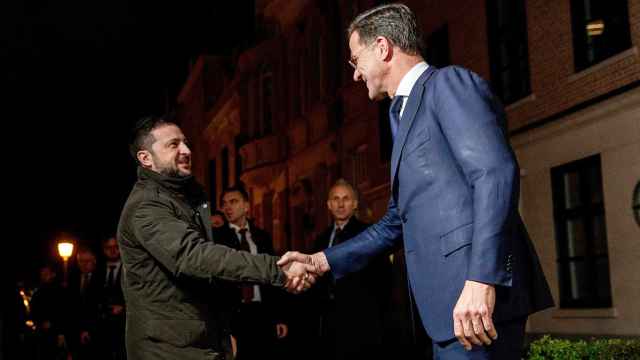
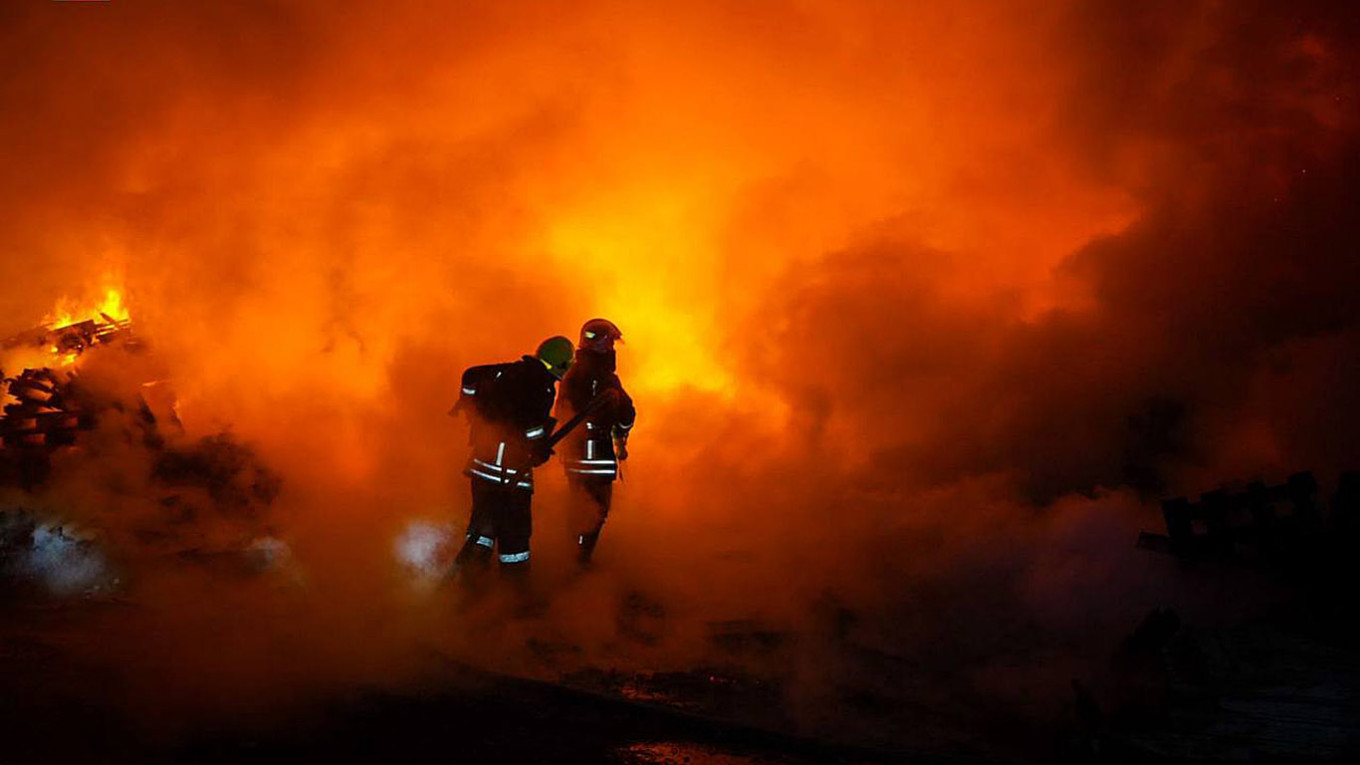
Russia launched the latest round of negotiations in Abu Dhabi in the most cynical way possible — by pairing them with its most severe winter attack to date. This time, they didn’t target power generation itself, but heating systems. Russian media called it “fireworks for Rutte,” as the NATO Secretary General was in Kyiv at the time. The evidence that Russia is not ready for peace is as clear as day.
As temperatures across Ukraine fell to minus 10 degrees Celsius on average, and in some regions as low as minus 25 degrees at night, Russia escalated strikes precisely to maximize civilian suffering.
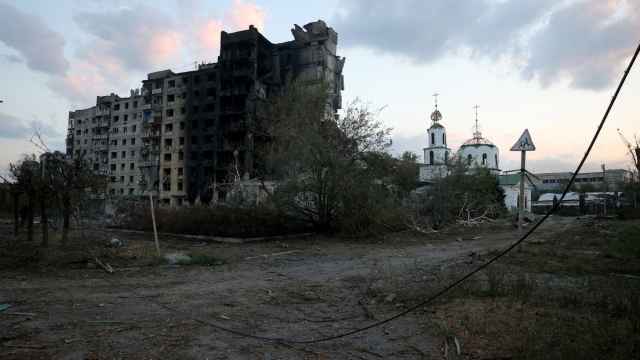
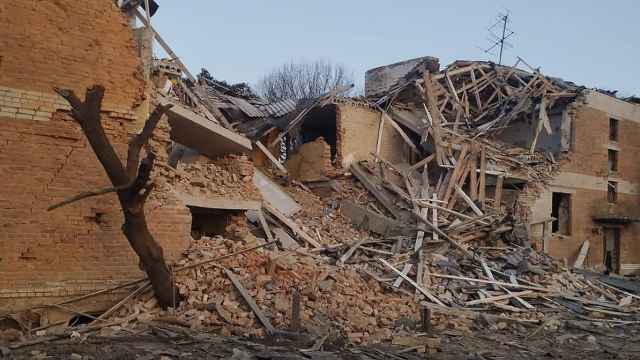
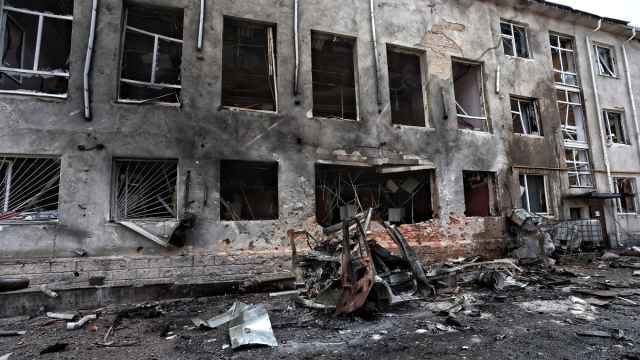
The year started with an emergency shutdown to prevent systemic collapse. Then, overnight on Feb. 3, Russia targeted Ukraine with 450 drones and 71 missiles, many of which were ballistic missiles that can be intercepted only by Patriot systems. Thermal power plants supplying heat to Kyiv, Kharkiv, Dnipro and Odesa regions were hit, leaving hundreds of thousands without minimally bearable living conditions.
While conditions differ across regions — and even between districts of the same city — indoor temperatures in apartments drop below freezing in the worst cases. Layering clothing is no longer enough. Films about survival after plane crashes in snow-covered mountains stop feeling like stories of heroism and become sources of practical advice. Watching them, you begin to empathize with the characters on a level that was previously unfamiliar.
With central heating gone, electric heaters are an option only for those lucky enough to receive several hours of electricity a day. Even that is not enough to ensure a livable indoor temperature; the priority is simply to keep temperatures high enough to prevent pipes from freezing, bursting and flooding entire buildings.
In homes without a gas supply, hot food or tea is a luxury. Hot water is long gone. It is a blessing if cold water is still running. If sewage pipes freeze and burst, daily life will begin to resemble that of people in a besieged medieval fortress.
This reality is especially brutal for families with small children, pregnant women, elderly people, people with limited mobility and even those living on high floors where elevators no longer function. Former Ukrainian MP Lesia Orobets said that people rely on the “mighty five” elements to live comfortably: water, heating, electricity, internet and mobile connectivity, as well as shelter — whether a bomb shelter or a home that’s still standing. People who have all five are the lucky ones.
Ukrainians are not entirely unprepared. Many have installed portable battery systems as a backup to power their apartments for a few hours. Some mount solar panels on balconies. Bathtubs and plastic bottles are filled to store water whenever it is available. Rare is a Ukrainian household that has not purchased a small camping gas stove with canisters. People are even setting up camping tents in their apartments. Improvised heating tricks using materials as commonplace as bricks and salt are the norm. People who live in private houses can have an advantage, though they suffer from many of the same utility shortages.
Those who are younger or better off organize block-level outdoor gatherings with fires to cook and keep people warm. Barbecues and winter discos are acts of collective resilience rather than celebration. The engineers and volunteers who work day and night to keep the city livable are among the quiet heroes of this war. There is also enormous gratitude to international partners who supplied equipment for restoring damaged grids.
However, deep inside, many Ukrainians think alike. “I do not want people to admire us Ukrainians for being so brave only to say we just need to endure a little longer until spring and warmth return. I want the Western world to stand shoulder to shoulder with Ukrainians in defending Western civilization from savage, bloodthirsty barbarians. We need decisive action, working strategies, real collective resistance to the enemy, and protection of our own security. We are not strong—we are tired, grieving, but hardened. Our choice is limited. The question is whether our allies are hardening just like us,” Olga, a mother of two, told me.
Counting from the start of the full-scale invasion, let alone the annexation of Crimea, this war has lasted longer than the conflict between the U.S.S.R. and Nazi Germany. That is over 1441 days too long. Generators, blankets, and resilience kits save lives—but they do not deal with the root cause. The decisive levers are outside Ukraine. We must not confuse mitigating suffering with ending it.
They lie in Europe’s continued inability — or unwillingness — to shut down Russia’s shadow fleet, which contributes $100-150 billion per year to the war effort’s coffers. The ways to force the Kremlin to end the war remain the same as in 2022: giving Ukraine long-range capabilities to strike inside the country and choking Russia off from its fossil fuel revenues.
Since February 2022, European assistance to Ukraine — military, financial, humanitarian, and refugee support combined — has amounted to $197 billion, with more pledged. Over the same timeframe, Russia has earned about $450 billion from global fossil-fuel exports, of which EU countries account for roughly $190 billion in purchases of oil, gas and coal. This represents a significant drop compared to 2021, when the EU paid $117 billion to Russia for energy imports within just one year. But more can be done.
Against this backdrop, it is notable that United States President Donald Trump, despite his rhetoric and unpredictable approach toward Moscow, could make a real contribution to constraining Russia’s energy revenues through targeting shadow fleet tankers and potential deal with India to cut Russian oil purchases That is much more substantive than the actions of key European actors such as Spain and France, whose authorities reacted to suspect vessels with no consequences.
The West has already framed Russia's strategic defeat as its inability to reach its ultimate goal. But for Moscow, that goal is not just the elimination of Ukraine, but the domination of Eastern and Central Europe and the dismantling of NATO. Thus, the occupation of Ukraine is just a part of the plan. NATO’s weak response, paralyzed by fear, delay and division stoked in some cases by subversion, only contributed to Russia’s advances.
Secondly, preserving Ukraine’s existence on the map for a couple more years while accepting conditions that leave it vulnerable to renewed military and non-military Russian aggression is a recipe for another disaster. Remember when Ukrainians warned after the annexation of Crimea that worse was to come? Repeating that mistake in worse conditions would produce an even worse outcome — worse than even a limited war in Europe.
Thus, the West is facing its own marshmallow test: a choice between preserving a relatively comfortable life today and jeopardizing mere survival tomorrow. There are positive signs that this is being recognized in the rise in defense spending and the gradual willingness to learn from Ukraine’s experience.
The marshmallow test for Ukraine’s people, by contrast, is conducted in cave-like apartments — unheated for civilians and under incomparably harsher conditions for its military. The question is no longer whether Ukrainians can endure. They already have. The real question is whether others are willing to share the burden of collective European security in a more just and equitable way.
A Message from The Moscow Times:
Dear readers,
We are facing unprecedented challenges. Russia's Prosecutor General's Office has designated The Moscow Times as an "undesirable" organization, criminalizing our work and putting our staff at risk of prosecution. This follows our earlier unjust labeling as a "foreign agent."
These actions are direct attempts to silence independent journalism in Russia. The authorities claim our work "discredits the decisions of the Russian leadership." We see things differently: we strive to provide accurate, unbiased reporting on Russia.
We, the journalists of The Moscow Times, refuse to be silenced. But to continue our work, we need your help.
Your support, no matter how small, makes a world of difference. If you can, please support us monthly starting from just $2. It's quick to set up, and every contribution makes a significant impact.
By supporting The Moscow Times, you're defending open, independent journalism in the face of repression. Thank you for standing with us.

Remind me later.