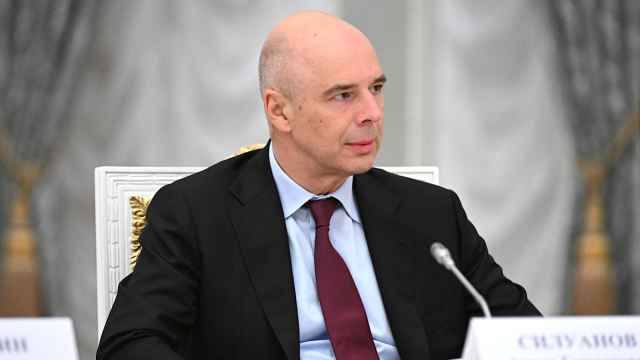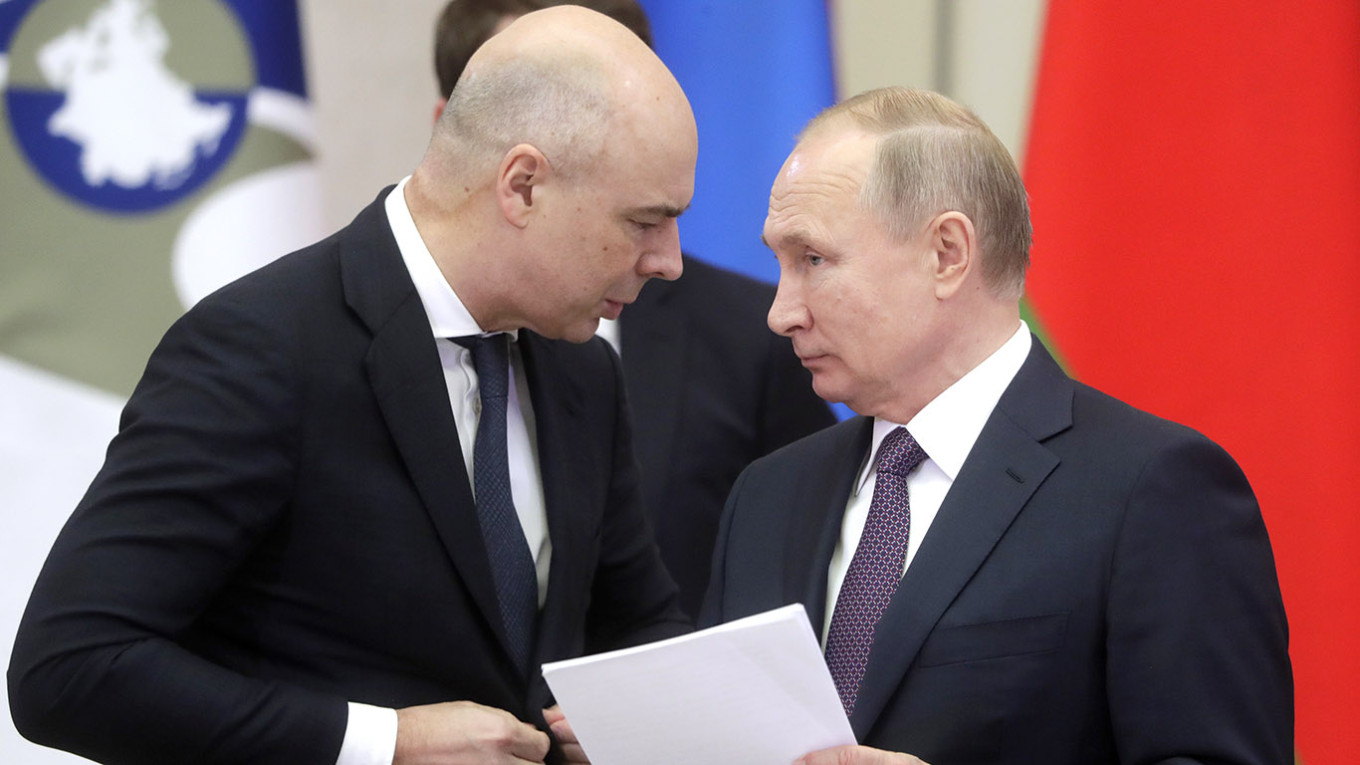
Finance Minister Anton Siluanov has proposed legalizing online casinos as a way to boost state revenues, the business newspaper Kommersant reported Tuesday, citing two people familiar with a letter the minister sent to President Vladimir Putin.
Siluanov suggested lifting Russia’s ban on online casinos, which have been illegal since 2009, as the government looks for new sources of income to offset the rising costs of the war against Ukraine.
Despite the ban, online gambling has surged in recent years. The Finance Ministry estimates that total turnover in Russia’s legal betting market, which allows licensed bookmakers and totalizators to operate online, reached 1.7 trillion rubles ($22.2 billion) in 2024.
By contrast, the size of the illegal online gambling market is estimated at 3 trillion rubles ($39.1 billion), with roughly 100 illicit platforms in operation.
Kommersant reported that Siluanov’s proposal would introduce a unified system for tracking bets, similar to the framework used for legal bookmakers, and place the industry under the oversight of a single regulator responsible for preventing gambling addiction.
Other government agencies would be tasked with stepping up efforts to block illegal operators, the report said.
Siluanov, in his letter to Putin, estimated that legalizing online casinos and imposing a monthly tax of at least 30% on gross revenue could generate about 100 billion rubles ($1.3 billion) a year for the federal budget.
Kommersant’s report did not specify whether Putin has responded to the proposal or signaled support for legalizing online casinos.
The online gambling industry has experienced explosive growth throughout the world in recent years, and some researchers have been sounding the alarm about a corresponding rise in gambling addiction, which they view as a serious public health issue.
A Message from The Moscow Times:
Dear readers,
We are facing unprecedented challenges. Russia's Prosecutor General's Office has designated The Moscow Times as an "undesirable" organization, criminalizing our work and putting our staff at risk of prosecution. This follows our earlier unjust labeling as a "foreign agent."
These actions are direct attempts to silence independent journalism in Russia. The authorities claim our work "discredits the decisions of the Russian leadership." We see things differently: we strive to provide accurate, unbiased reporting on Russia.
We, the journalists of The Moscow Times, refuse to be silenced. But to continue our work, we need your help.
Your support, no matter how small, makes a world of difference. If you can, please support us monthly starting from just $2. It's quick to set up, and every contribution makes a significant impact.
By supporting The Moscow Times, you're defending open, independent journalism in the face of repression. Thank you for standing with us.

Remind me later.