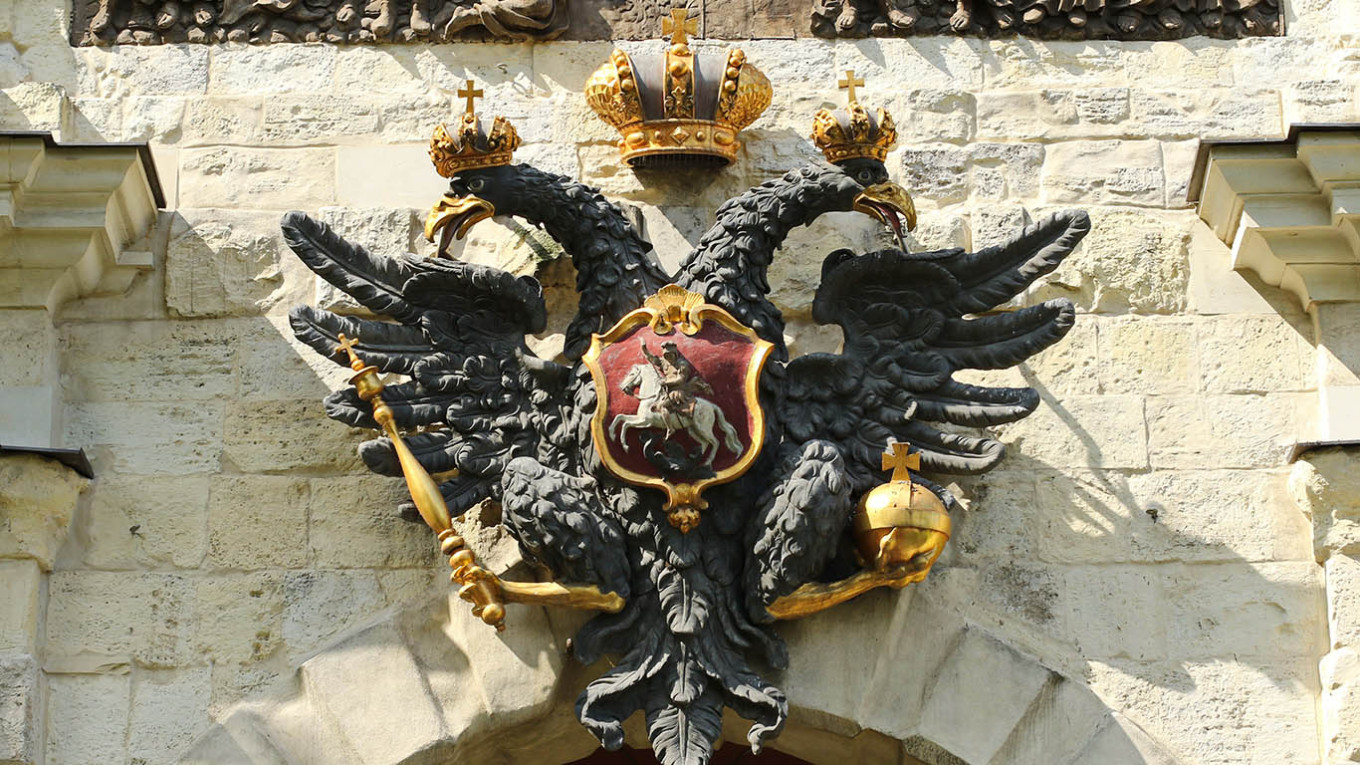
American investment fund Noble Capital RSD has filed a lawsuit against Russia seeking more than $225 billion in unpaid debt and other financial obligations of the Russian Empire that the Bolsheviks repudiated after seizing power in 1917.
According to the RBC news outlet, which first reported the lawsuit on Thursday, lawyers representing Noble Capital have asked U.S. authorities to seize Russian sovereign assets currently frozen in the country as payment for bonds that have gone unpaid over the past century, arguing that such a move would not violate international law.
“The Russian Federation, in breach of the successor government doctrine, has repudiated and continues to repudiate certain sovereign debts for money borrowed by its predecessor government,” reads the lawsuit, which was filed in the U.S. District Court for the District of Columbia in June 2025.
Noble Capital claimed ownership of $25 million in sovereign bonds issued by the Russian imperial government in December 1916 through a syndicate led by Citibank, which recently approved a plan to sell the last of its business operations in Russia.
The bonds carried a 5.5% interest rate and a 1921 maturity date, the investment fund said, adding that Russia should be held liable for more than 100 years of accrued interest.
The defendants in the case were identified as Russia’s Finance Ministry, Central Bank and National Wealth Fund. The Russian government has not commented on the lawsuit.
The U.S. law firm Marks & Sokolov, based in Philadelphia, said in a statement last week that it is representing Russia in the legal battle. It said the lawsuit raises “significant substantive issues concerning the validity and enforceability of long-repudiated, century-old debt.”
In November, a judge moved the deadline for Russia to respond to Nobel Capital’s allegations to Jan. 29, 2026.
Legal experts told RBC that the American investment fund is unlikely to win the case, but noted it could prompt U.S. officials to consider “private-law alternatives” for using Russian sovereign assets that were frozen in response to the full-scale invasion of Ukraine.
A number of Western governments have insisted on using the frozen Russian assets to help finance reconstruction efforts in Ukraine.
A Message from The Moscow Times:
Dear readers,
We are facing unprecedented challenges. Russia's Prosecutor General's Office has designated The Moscow Times as an "undesirable" organization, criminalizing our work and putting our staff at risk of prosecution. This follows our earlier unjust labeling as a "foreign agent."
These actions are direct attempts to silence independent journalism in Russia. The authorities claim our work "discredits the decisions of the Russian leadership." We see things differently: we strive to provide accurate, unbiased reporting on Russia.
We, the journalists of The Moscow Times, refuse to be silenced. But to continue our work, we need your help.
Your support, no matter how small, makes a world of difference. If you can, please support us monthly starting from just $2. It's quick to set up, and every contribution makes a significant impact.
By supporting The Moscow Times, you're defending open, independent journalism in the face of repression. Thank you for standing with us.

Remind me later.