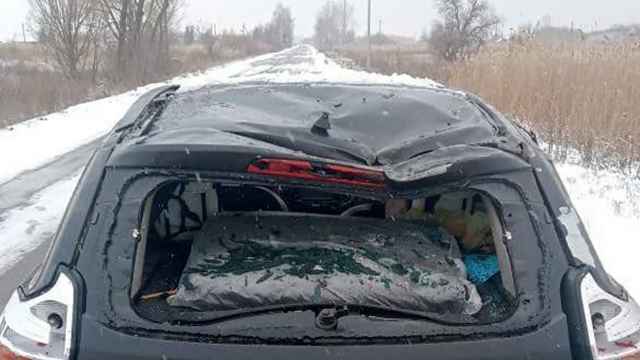
Russia battered Ukraine with more than two dozen missiles and hundreds of drones early Tuesday, killing four people and pummelling another power plant, piling more pressure on Ukraine's brittle energy system.
Moscow has pummelled Ukraine with daily drone and missile barrages in recent months, targeting energy infrastructure and cutting power and heating in the frigid height of winter.
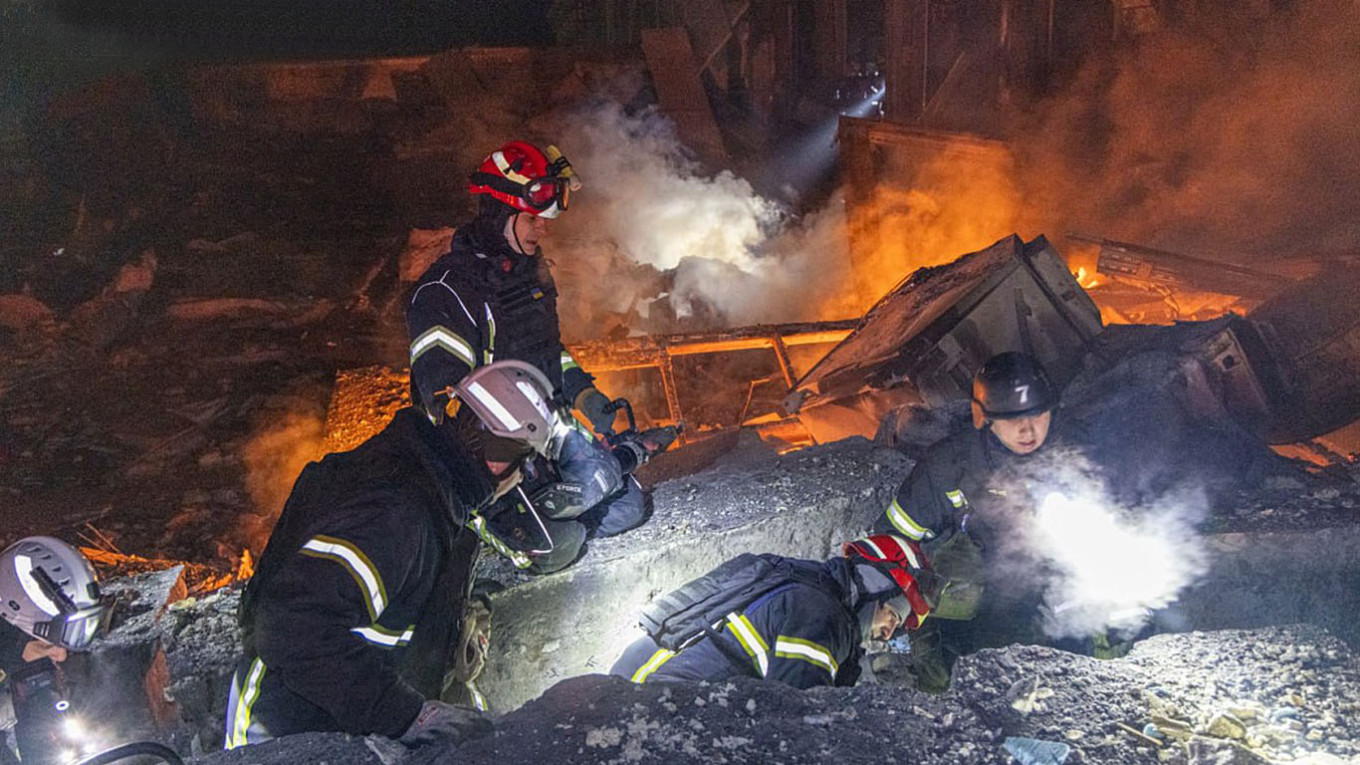
An AFP journalist in the eastern Kharkiv region, where the four people were killed, saw firefighters battling a fire at a postal hub and rescue workers helping survivors by lamp light in freezing temperatures.
Andriy Pidnebesny, a manager at the postal facility, said he was knocked down by the blast wave and tried — but failed — to free several colleagues still alive under the rubble.
"You never know what will happen to you. You go out to the store and you could get killed. You go to work and the same thing could happen. You could be sleeping at home and the same thing could happen," the 31-year-old told AFP.
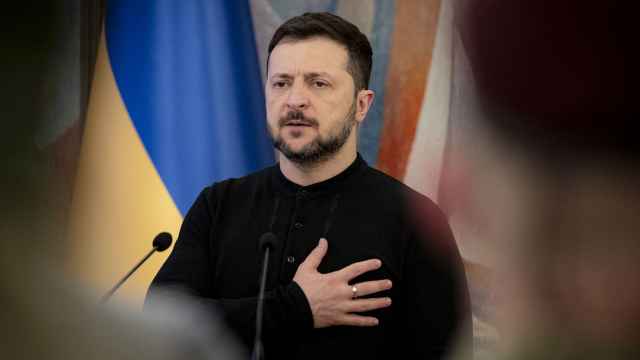
President Volodymyr Zelensky said "several hundred thousand" households near Kyiv were without power after the strikes, and again called on allies to bolster his country's air defense systems.
"The world can respond to this Russian terror with new assistance packages for Ukraine," Zelensky wrote on social media.
"Russia must come to learn that cold will not help it win the war," he added.
Authorities in Kyiv and the surrounding region rolled out emergency power cuts in the hours after the attack, saying freezing temperatures were complicating their work.
AFP journalists in Kyiv saw customers walking through a darkened grocery store that was running just one or two cash registers from a rumbling generator.
DTEK, Ukraine's largest energy provider, said Russian forces had struck one of its power plants, saying it was the eighth such attack since October.
The operator did not reveal which of its plants was struck, but said Russia had attacked its power plants over 220 times since Moscow invaded Ukraine in 2022.
Daily attacks
The Ukrainian air force said that Tuesday's bombardment included 25 missiles and 293 drones.
The Kharkiv governor gave the death toll and added that six people were wounded in the overnight hit outside the region's main city, also called Kharkiv.
White helmeted emergency workers could be seen clambering through the still-smoking wreckage of a building used by postal company Nova Poshta, in a video posted by the regional prosecutor's office.
Within Ukraine's second city, Kharkiv Mayor Ihor Terekhov said a Russian long-range drone struck a medical facility for children, causing a fire. No casualties were reported.
The overnight strikes hit other regions as well, including southern city Odesa.
Residential buildings, a hospital and a kindergarten were damaged, with at least five people wounded in two waves of attacks, regional Governor Serhiy Lysak said.
The Russian Defense Ministry acknowledged its attacks, claiming its strikes targeted Ukrainian military facilities.
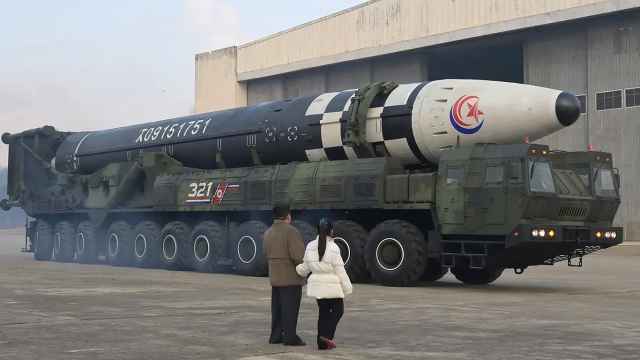
Russia's use last week of a nuclear-capable Oreshnik ballistic missile on Ukraine sparked condemnation from Kyiv's allies, including Washington, which called it a "dangerous and inexplicable escalation of this war."
Moscow on Monday said the missile hit an aviation repair factory in the Lviv region and that it was fired in response to Ukraine's attempt to strike one of Russian President Vladimir Putin's residences — a claim Kyiv denies and that Washington has said it does not believe happened.
Ukraine has stepped up long-range drone strikes on Russian military and energy sites in response.
Kyiv said Tuesday its forces had struck a drone manufacturing plant in the western Rostov region and the governor reported a local state of emergency there after two "enterprises" were hit.
A Message from The Moscow Times:
Dear readers,
We are facing unprecedented challenges. Russia's Prosecutor General's Office has designated The Moscow Times as an "undesirable" organization, criminalizing our work and putting our staff at risk of prosecution. This follows our earlier unjust labeling as a "foreign agent."
These actions are direct attempts to silence independent journalism in Russia. The authorities claim our work "discredits the decisions of the Russian leadership." We see things differently: we strive to provide accurate, unbiased reporting on Russia.
We, the journalists of The Moscow Times, refuse to be silenced. But to continue our work, we need your help.
Your support, no matter how small, makes a world of difference. If you can, please support us monthly starting from just $2. It's quick to set up, and every contribution makes a significant impact.
By supporting The Moscow Times, you're defending open, independent journalism in the face of repression. Thank you for standing with us.

Remind me later.