This story has been updated to add a statement from Telegram.
Around $500 million worth of bonds issued by the Telegram messaging app in Russia have been frozen due to Western sanctions, the Financial Times reported Tuesday.
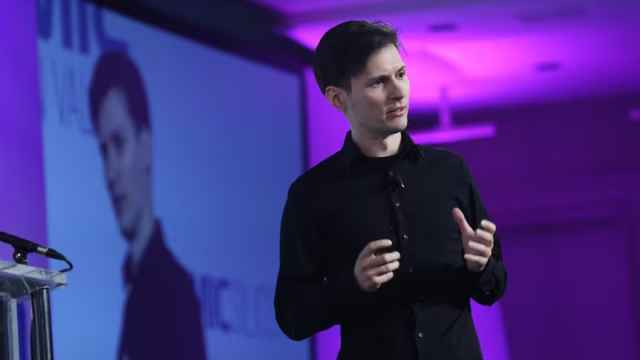
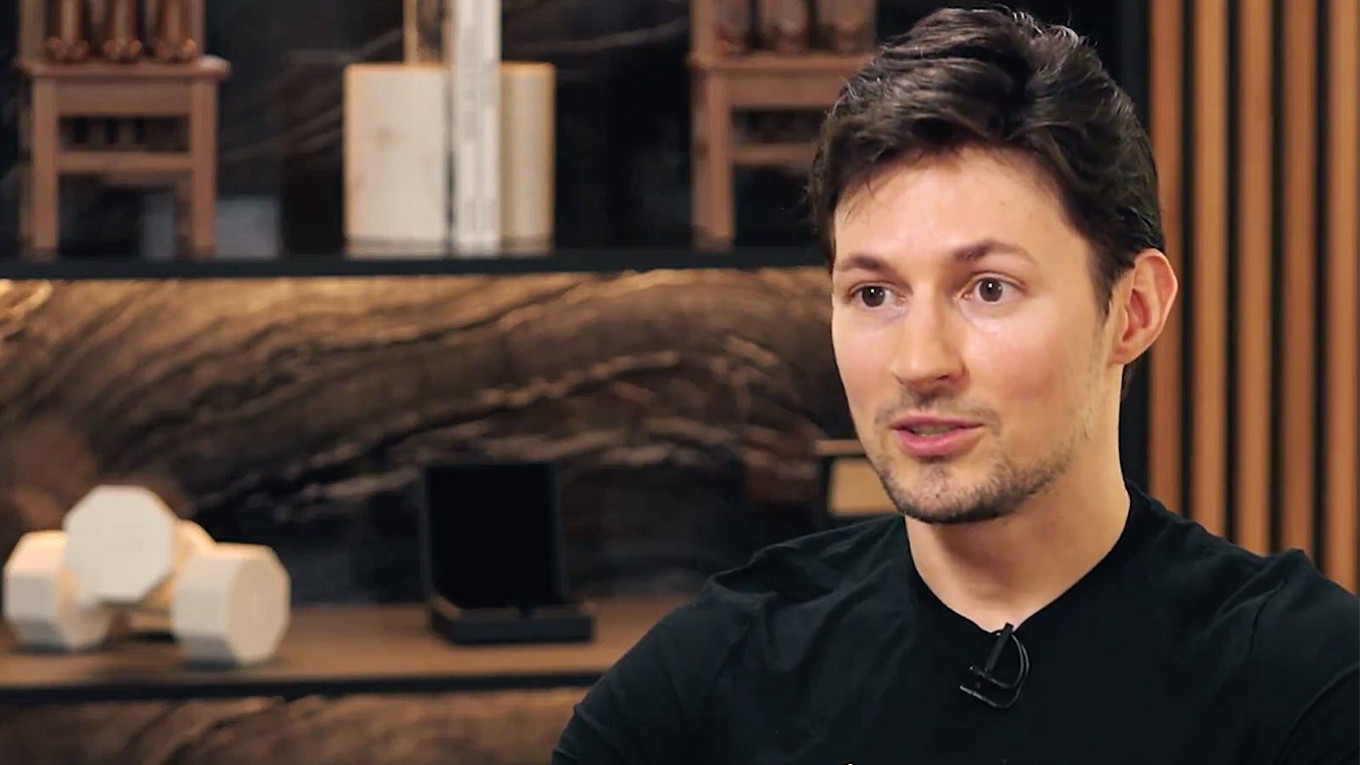
The freeze highlights Telegram’s continued exposure to Russian capital despite efforts by its billionaire founder Pavel Durov to distance himself from Moscow, the newspaper said.
Telegram has issued a series of bond offerings in recent years including a $1.7 billion issuance in May 2025, the Financial Times reported.
While the company has bought back most of the bonds maturing in 2026, around $500 million of the debt remains blocked at Russia’s National Settlement Depository (NSD), sources familiar with discussions between Telegram’s management and investors told the newspaper.
The NSD was sanctioned by the European Union, the United States and Britain following Russia’s full-scale invasion of Ukraine.
Telegram disputed the suggestion that it remains dependent on Russian capital or faces bond-related risks due to sanctions.
In a statement shared with The Moscow Times, Telegram spokesperson Remi Vaughn said the $1.7 billion bond issuance in 2025 involved no participation from Russian investors and was bought primarily by large U.S. funds. He added that the $500 million figure cited by the Financial Times refers to bonds issued in 2021.
"Sanctions do not create risks for Telegram: under standard practice, funds for bond repayment are transferred to an international intermediary, and subsequent payments to bondholders are outside the company’s responsibility, even if some holders are unable to receive them," Vaugn said.
Telegram said revenue in the first half of 2025 rose more than 65% year-on-year to $870 million, the FT reported. The company nevertheless reportedly posted a net loss of $222 million, compared with a net profit of $334 million in the same period a year earlier.
A Financial Times source said the loss was driven by a write-down of Telegram’s holdings of the Toncoin cryptocurrency, whose price fell amid a broader downturn in the crypto market in 2025.
St. Petersburg-born Durov left Russia in 2014 after claiming he faced pressure to share user data from VKontakte, the social media website he co-founded, with Russian law enforcement. He founded Telegram soon after and later relocated the company to Dubai.
Telegram has faced criticism from some quarters over its handling of content moderation and alleged cooperation with Russian authorities, claims Durov has repeatedly denied.
Russia started blocking voice and video calls on Telegram and WhatsApp in August 2025 as part of what it described as an anti-fraud initiative, a move both companies criticized. Around the same time, Russian officials started promoting Max, a domestic messaging app that has faced scrutiny over data-sharing practices.
Durov, who also holds French and UAE citizenship, has been under investigation in France since 2024 over Telegram’s alleged failure to curb criminal activity on the platform. He has denied any wrongdoing.
A Message from The Moscow Times:
Dear readers,
We are facing unprecedented challenges. Russia's Prosecutor General's Office has designated The Moscow Times as an "undesirable" organization, criminalizing our work and putting our staff at risk of prosecution. This follows our earlier unjust labeling as a "foreign agent."
These actions are direct attempts to silence independent journalism in Russia. The authorities claim our work "discredits the decisions of the Russian leadership." We see things differently: we strive to provide accurate, unbiased reporting on Russia.
We, the journalists of The Moscow Times, refuse to be silenced. But to continue our work, we need your help.
Your support, no matter how small, makes a world of difference. If you can, please support us monthly starting from just $2. It's quick to set up, and every contribution makes a significant impact.
By supporting The Moscow Times, you're defending open, independent journalism in the face of repression. Thank you for standing with us.

Remind me later.