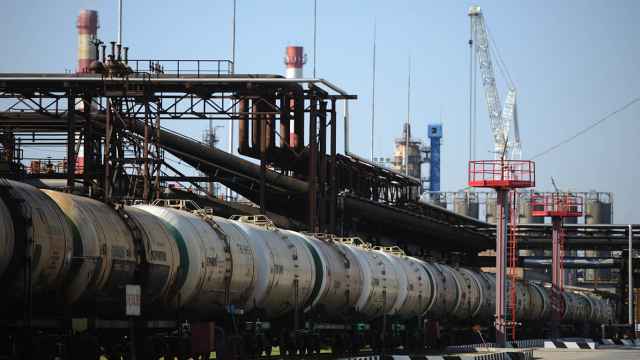
Russia is finding it increasingly difficult to secure buyers for its crude oil, with the volume stored aboard tankers rising by 48% since late August, Bloomberg reported Tuesday.
Average seaborne shipments over the four weeks to Dec. 21 rose by 200,000 barrels per day from the prior period to 3.87 million barrels per day, the highest level since May 2023, Bloomberg reported, citing ship tracking data.
Part of that increase reflects weaker domestic refining. Output at Russian refineries remains below seasonal norms following Ukrainian strikes on oil infrastructure, pushing more crude onto export markets.
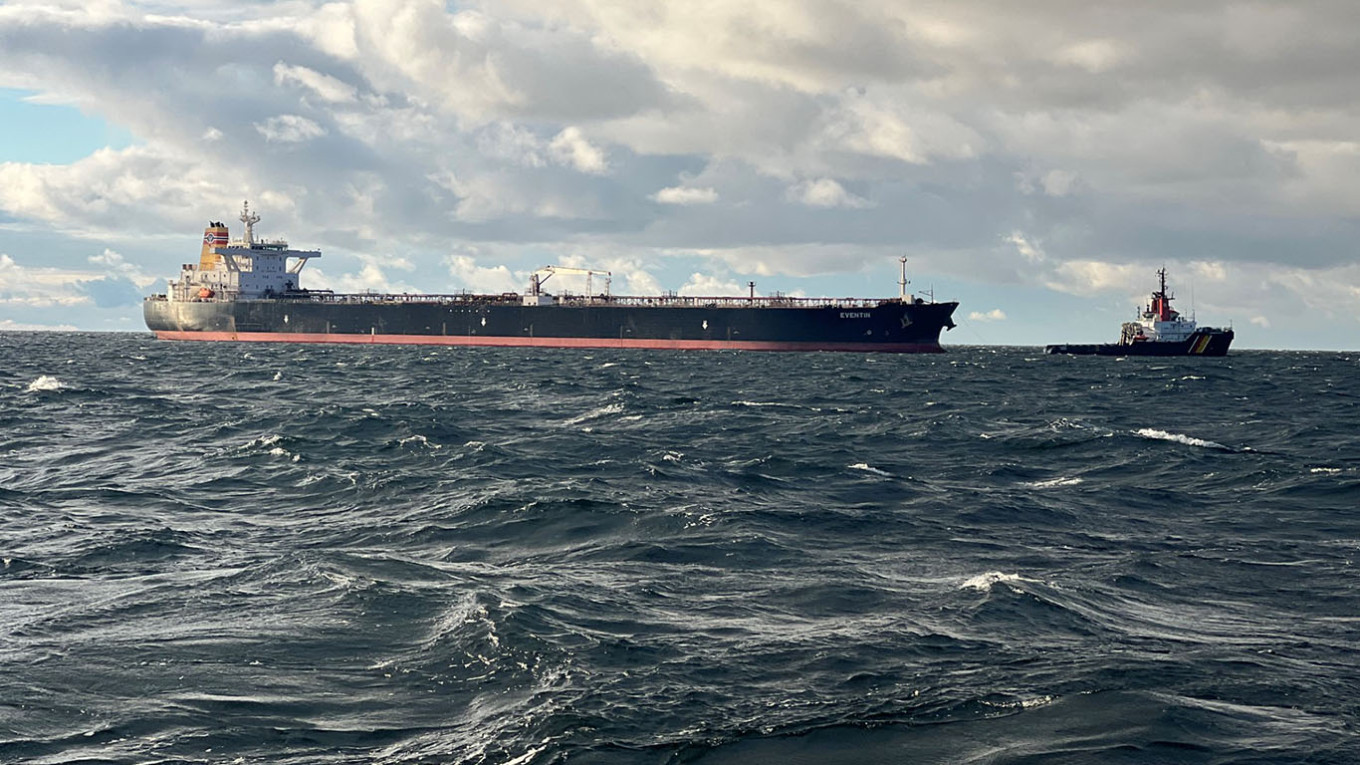
However, much of the oil being shipped is not reaching end buyers. Bloomberg noted that many tankers have been waiting offshore for months as traders struggle to place the cargoes without offering steep discounts.
At least 20 tankers carrying Russian crude are currently anchored near Chinese and Indian ports without permission to unload.
As a result, the volume of Russian oil stored on tankers at sea has climbed 48% since the end of August to about 185 million barrels, the agency reported.
Prices for Russian crude have also continued to slide. Urals has fallen for a 12th consecutive week and is now trading at around $33-34 per barrel — nearly half the price of Brent, which stands at roughly $61-62.
Urals has lost about 40%, or $25 per barrel, since its mid-July peak.
Russia’s Far Eastern ESPO blend has also declined sharply, falling around 30% over the same period.
U.S. President Donald Trump doubled tariffs on Indian imports in August, targeting purchases of Russian crude that help finance the Kremlin’s budget and sustain its war effort in Ukraine.
A Message from The Moscow Times:
Dear readers,
We are facing unprecedented challenges. Russia's Prosecutor General's Office has designated The Moscow Times as an "undesirable" organization, criminalizing our work and putting our staff at risk of prosecution. This follows our earlier unjust labeling as a "foreign agent."
These actions are direct attempts to silence independent journalism in Russia. The authorities claim our work "discredits the decisions of the Russian leadership." We see things differently: we strive to provide accurate, unbiased reporting on Russia.
We, the journalists of The Moscow Times, refuse to be silenced. But to continue our work, we need your help.
Your support, no matter how small, makes a world of difference. If you can, please support us monthly starting from just $2. It's quick to set up, and every contribution makes a significant impact.
By supporting The Moscow Times, you're defending open, independent journalism in the face of repression. Thank you for standing with us.

Remind me later.