Russia struck sunflower oil storage in relentless strikes on Ukraine's Black Sea Odesa region that continued for a second day in a row, Kyiv and a seed oil trader said on Saturday.
A series of intensified Russian strikes wrought havoc on the coastline region in recent weeks, hitting bridges, ports and cutting electricity and heating to thousands in freezing temperatures.
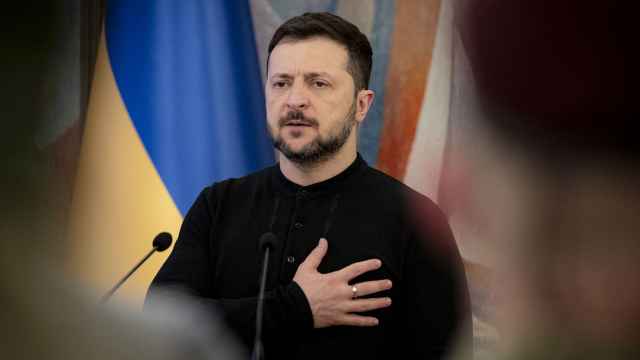
“Russia is once again trying to restrict Ukraine's access to the sea and block our coastal regions,” Ukrainian President Volodymyr Zelensky said of the attacks.
He added that he ordered the quick implementation of “temporary infrastructure solutions so that people would have all the necessary resources.”
Moscow earlier said it will expand strikes on Ukrainian ports as retaliation for targeting its sanctions-busting oil tankers.
“Ukraine's largest vegetable oil terminal, Allseeds Black Sea, was struck by a bombardment early Saturday,” in the Pivdennyi port, Allseeds director of trade Cornelis Vrins told AFP, adding that one employee was killed and two wounded.
“Thousands of tons of sunflower oil” were lost in the attack, which has inflicted the biggest damage on the company since the beginning of the war, the co-founder of one of Ukraine's top seed oil traders said.
Ukraine, with its large agricultural sector, is the world's leading sunflower oil producer, according to analysts' estimates, and attacks on export infrastructure may disrupt markets and hinder state revenues.
Ukraine on Friday said it had hit yet another of Moscow's sanctions-busting “shadow fleet” tankers in the neutral waters of the Mediterranean Sea, its first strike in that sea of the nearly four-year war.
Kyiv also struck similar vessels in the Black Sea earlier this month.
Putin said in early December that Russia would expand strikes on Ukrainian ports and threatened to completely cut off its access to the sea if it continued attacking tankers.
The attacks come amid a flurry of diplomacy to end the war, with Ukrainian, Russian and European officials gathering in Miami for another round of U.S.-mediated talks.
A Message from The Moscow Times:
Dear readers,
We are facing unprecedented challenges. Russia's Prosecutor General's Office has designated The Moscow Times as an "undesirable" organization, criminalizing our work and putting our staff at risk of prosecution. This follows our earlier unjust labeling as a "foreign agent."
These actions are direct attempts to silence independent journalism in Russia. The authorities claim our work "discredits the decisions of the Russian leadership." We see things differently: we strive to provide accurate, unbiased reporting on Russia.
We, the journalists of The Moscow Times, refuse to be silenced. But to continue our work, we need your help.
Your support, no matter how small, makes a world of difference. If you can, please support us monthly starting from just $2. It's quick to set up, and every contribution makes a significant impact.
By supporting The Moscow Times, you're defending open, independent journalism in the face of repression. Thank you for standing with us.

Remind me later.