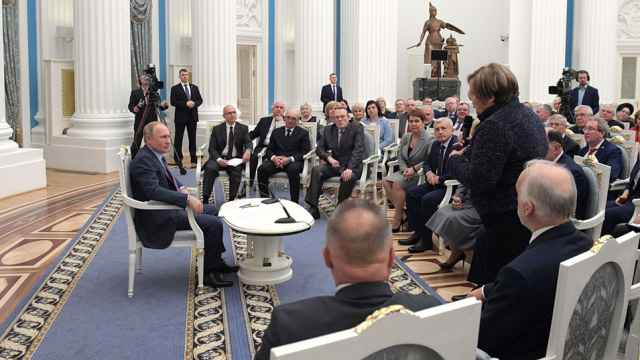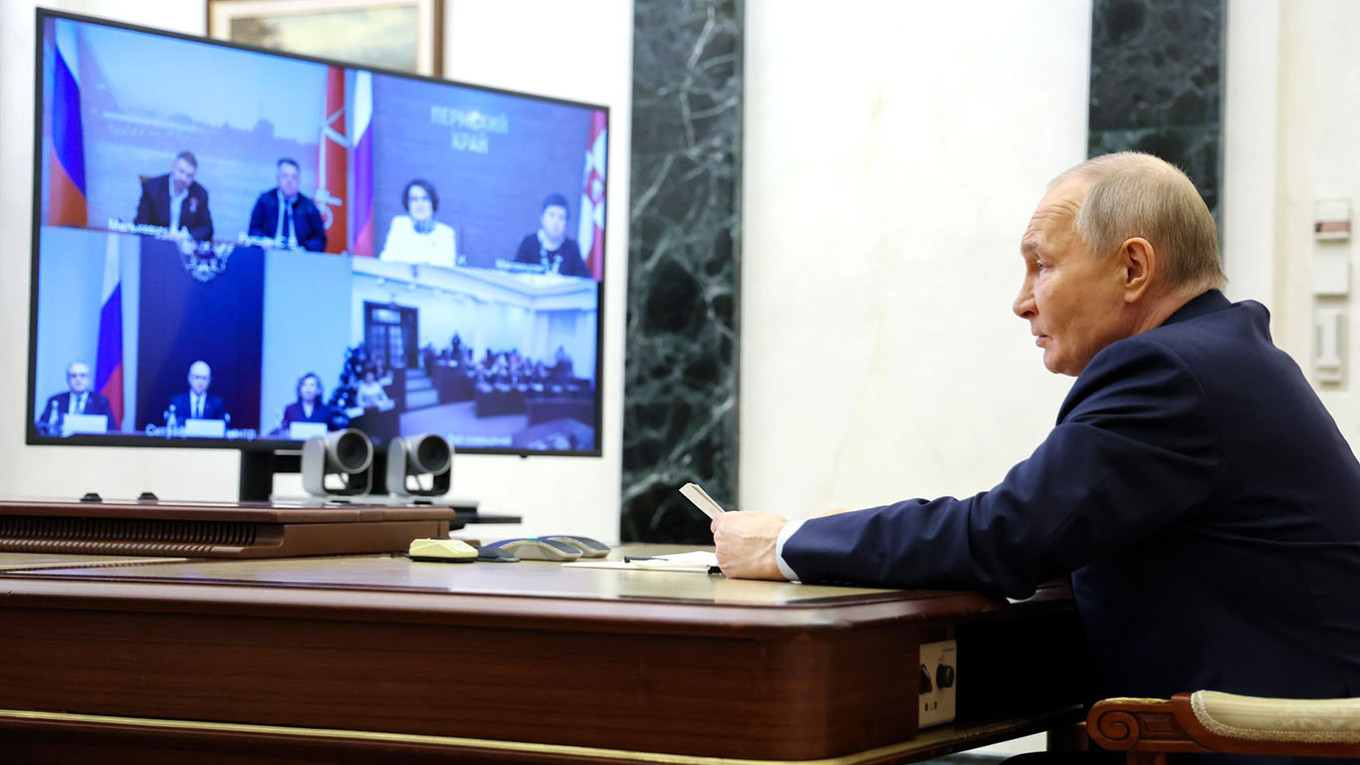
Russian President Vladimir Putin on Monday added more supporters of the war in Ukraine to the presidential Human Rights Council (HRC) ahead of his meeting with the consultative body this week.
Russia’s Human Rights Council, which was established by presidential decree in 2004 to guarantee and protect human rights in Russia, has been criticized for failing to challenge Putin as members have been ousted and replaced with more Kremlin-friendly figures over the years.
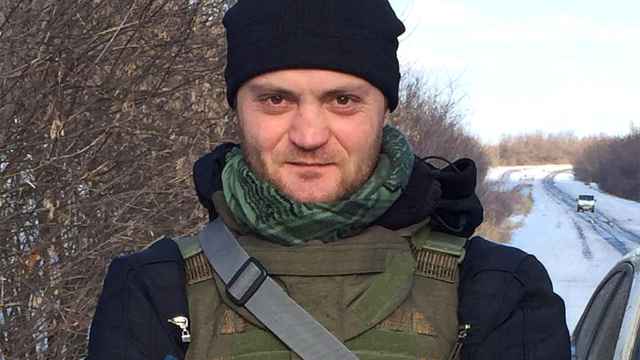
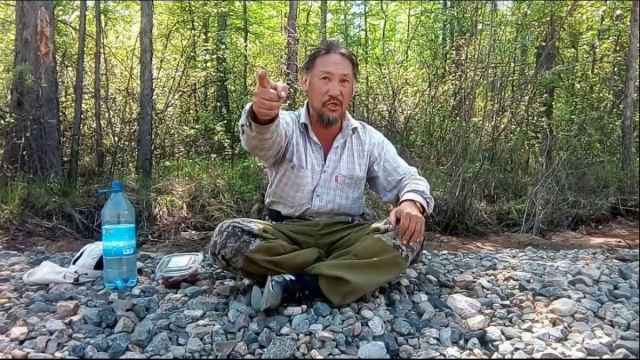
The HRC’s first addition, Maria Bolshakova, heads the Union of Military Personnel Families of Russia, an organization that supports the families of Russian soldiers with legal aid, social services and advocacy.
Alexei Lubkov, president of Moscow State Pedagogical University, who co-authored a textbook on “Russia’s Spiritual and Moral Culture” with a senior Russian Orthodox Church priest that will be required for students in grades 5 through 7 starting in 2026, was also added to the HRC.
The council’s third addition, Artur Shlykov, is known for filing a criminal complaint against an anti-war comedian over his parody of the popular pro-war song “I’m Russian.”
The HRC’s fourth and final new member is Natalia Kravchenko, a senior member of an organization focused on developing and promoting new technologies.
They will replace the longtime former head of the shuttered Gulag History Museum, Roman Romanov.
Putin also removed Nikolai Ivanov, who heads a major organization representing writers and authors, Irina Kirkova, who runs a non-profit focused on psychology and family support, and Igor Yurgens, who heads a think tank focused on modernizing Russia’s political and economic systems.
The fifth exclusion is Kirill Vyshinsky, executive director of the Kremlin-funded broadcaster RT, who was part of a Russian-Ukrainian prisoner exchange in 2019 and who passed away in August this year at the age of 59.
Putin reshuffled the council ahead of his meeting with the body on Wednesday, Dec. 10, which is celebrated as Human Rights Day around the world.
Russia’s Presidential Council for Civil Society and Human Rights, which has around 60 members with increasingly pro-Kremlin stances, is mandated to assist the Kremlin in safeguarding human rights.
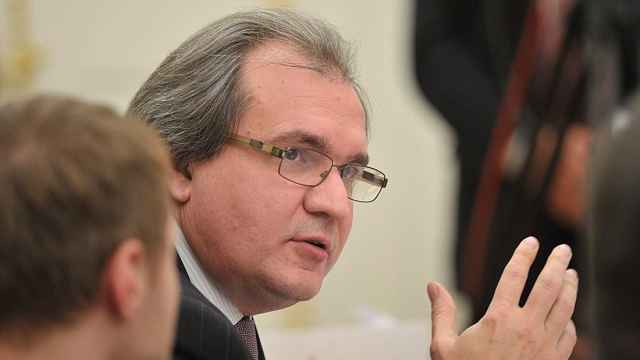
The council has been chaired by journalist and war supporter Valery Fadeyev since 2019.
A Message from The Moscow Times:
Dear readers,
We are facing unprecedented challenges. Russia's Prosecutor General's Office has designated The Moscow Times as an "undesirable" organization, criminalizing our work and putting our staff at risk of prosecution. This follows our earlier unjust labeling as a "foreign agent."
These actions are direct attempts to silence independent journalism in Russia. The authorities claim our work "discredits the decisions of the Russian leadership." We see things differently: we strive to provide accurate, unbiased reporting on Russia.
We, the journalists of The Moscow Times, refuse to be silenced. But to continue our work, we need your help.
Your support, no matter how small, makes a world of difference. If you can, please support us monthly starting from just $2. It's quick to set up, and every contribution makes a significant impact.
By supporting The Moscow Times, you're defending open, independent journalism in the face of repression. Thank you for standing with us.

Remind me later.