Since 2008, Russia has maintained military, political and economic support for the separatist regions, which together account for around 20% of Georgia’s internationally recognized territory.
Despite the diplomatic freeze, the two countries continue to cooperate in trade and cultural exchanges, said Petre Mamradze, a former head of Georgia’s presidential administration. He told Izvestia that economic ties, especially in tourism and agriculture, are likely to remain areas for expanding cooperation.
Georgia exports wine, mineral water, fruit and nuts to Russia, while Russia supplies natural gas to Georgia. Bilateral trade reached nearly $1.3 billion in the first half of 2025, a 7% increase from a year earlier, according to Georgia’s national statistics service.
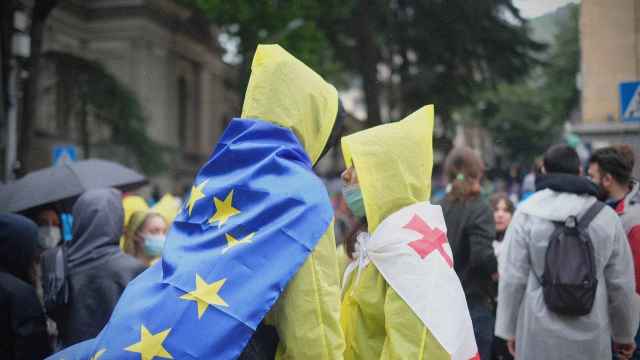
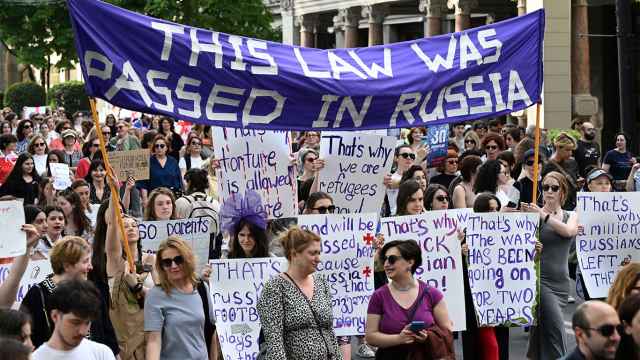
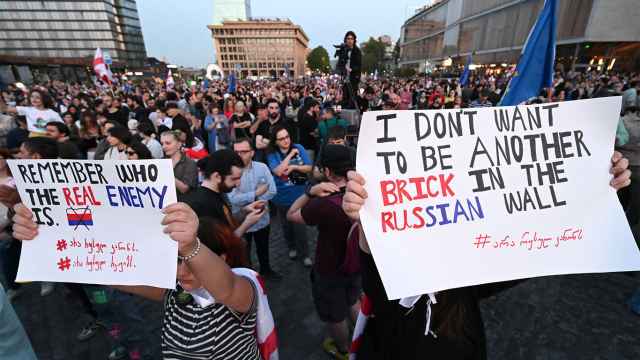
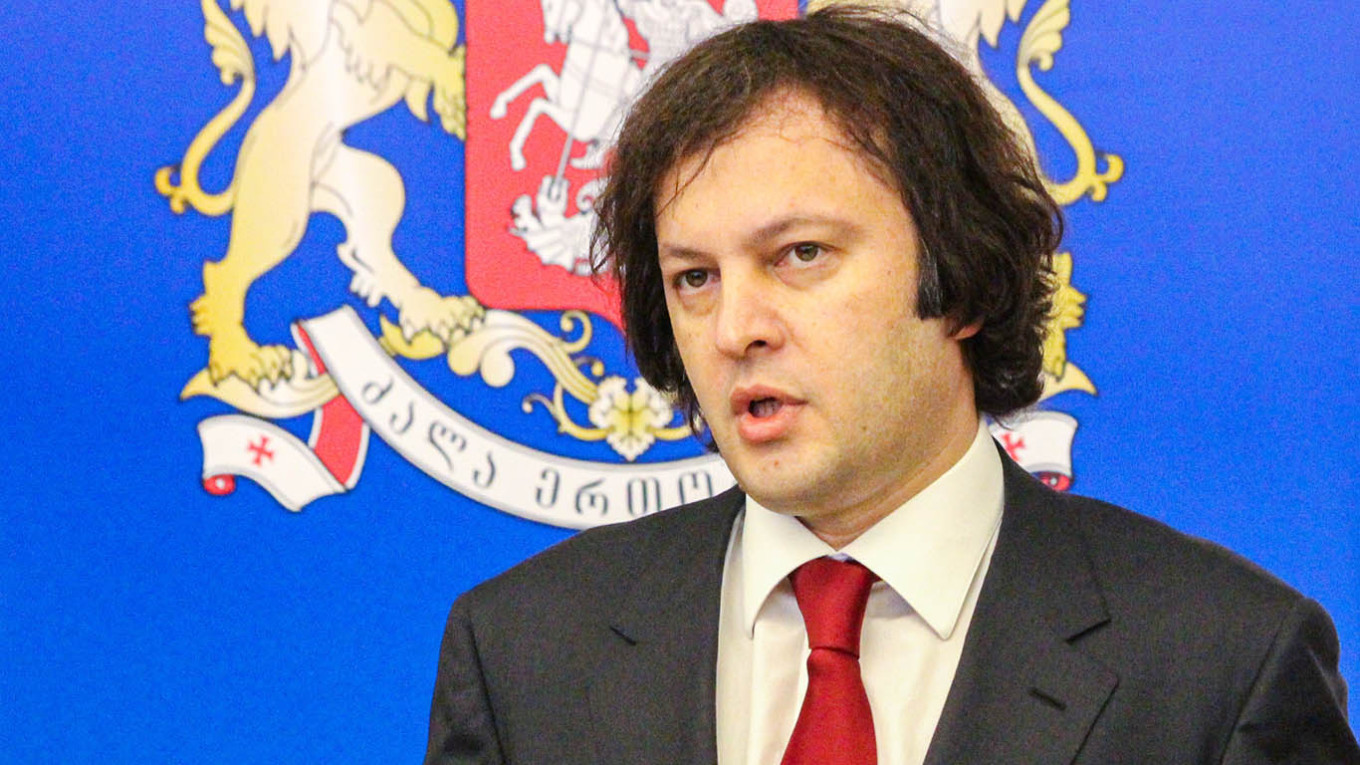
Georgia’s ruling Georgian Dream party has been accused of moving the country closer to Russia in recent years while cooling ties with NATO and the European Union.
A Message from The Moscow Times:
Dear readers,
We are facing unprecedented challenges. Russia's Prosecutor General's Office has designated The Moscow Times as an "undesirable" organization, criminalizing our work and putting our staff at risk of prosecution. This follows our earlier unjust labeling as a "foreign agent."
These actions are direct attempts to silence independent journalism in Russia. The authorities claim our work "discredits the decisions of the Russian leadership." We see things differently: we strive to provide accurate, unbiased reporting on Russia.
We, the journalists of The Moscow Times, refuse to be silenced. But to continue our work, we need your help.
Your support, no matter how small, makes a world of difference. If you can, please support us monthly starting from just $2. It's quick to set up, and every contribution makes a significant impact.
By supporting The Moscow Times, you're defending open, independent journalism in the face of repression. Thank you for standing with us.

Remind me later.