Payment arrears by Russian state-owned companies to domestic businesses have surged in 2025, rising nearly threefold year-on-year, the Vedomosti business daily reported Monday, citing data from the state-backed SME Corporation.
The increase concerns contracts awarded under Russia’s public procurement law for state-owned enterprises known as 223-FZ.
According to the SME Corporation, 548 complaints worth nearly 4.03 billion rubles ($51 million) were filed this year compared with 200 complaints totaling 1.5 billion rubles ($19 million) in 2024.
Russia’s Federal Antimonopoly Service (FAS) said in November that it had opened 1,173 administrative cases over non-payment in public procurement since the start of the year, a 20% increase from the total number of such cases in 2024.
“The problem of non-payments by state corporations is systemic and very serious,” Alexei Kuchmin, founder of the AIR Group, told Vedomosti. He said companies often delay payments for one to three months, effectively using suppliers’ funds as interest-free loans.
Kuchmin added that companies most active under 223-FZ operate in IT and telecommunications, as well as construction and industrial manufacturing.
Delayed payments under 223-FZ became widespread from late 2024, driven by falling revenues at state companies and the high cost of borrowing amid elevated interest rates, Alexander Kalinin, president of the Opora Russia business association, told Vedomosti.
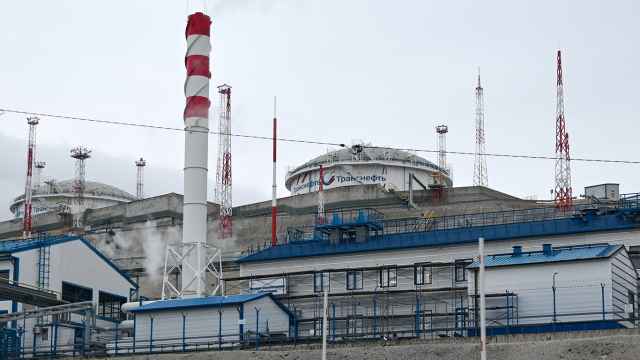
Several major state-controlled companies have reported deteriorating financial results. Rosneft, Russia’s largest state oil producer, saw its profit fall threefold in the first half of the year.
Gazprom posted a net loss of 170 billion rubles ($2.1 billion) in its core gas business over the first nine months.
Russian Railways (RZhD) became loss-making for the first time in five years, cutting spending on construction and procurement by 40%.
Uralvagonzavod, the country’s largest tank manufacturer, has begun mass layoffs due to financial difficulties, while Sberbank has announced plans to cut about 20% of its workforce.
The government has decided to set up a working group to monitor the situation amid the surge in payment arrears, Vedomosti reported, citing two sources present at a Dec. 16 meeting of the SME Corporation’s board.
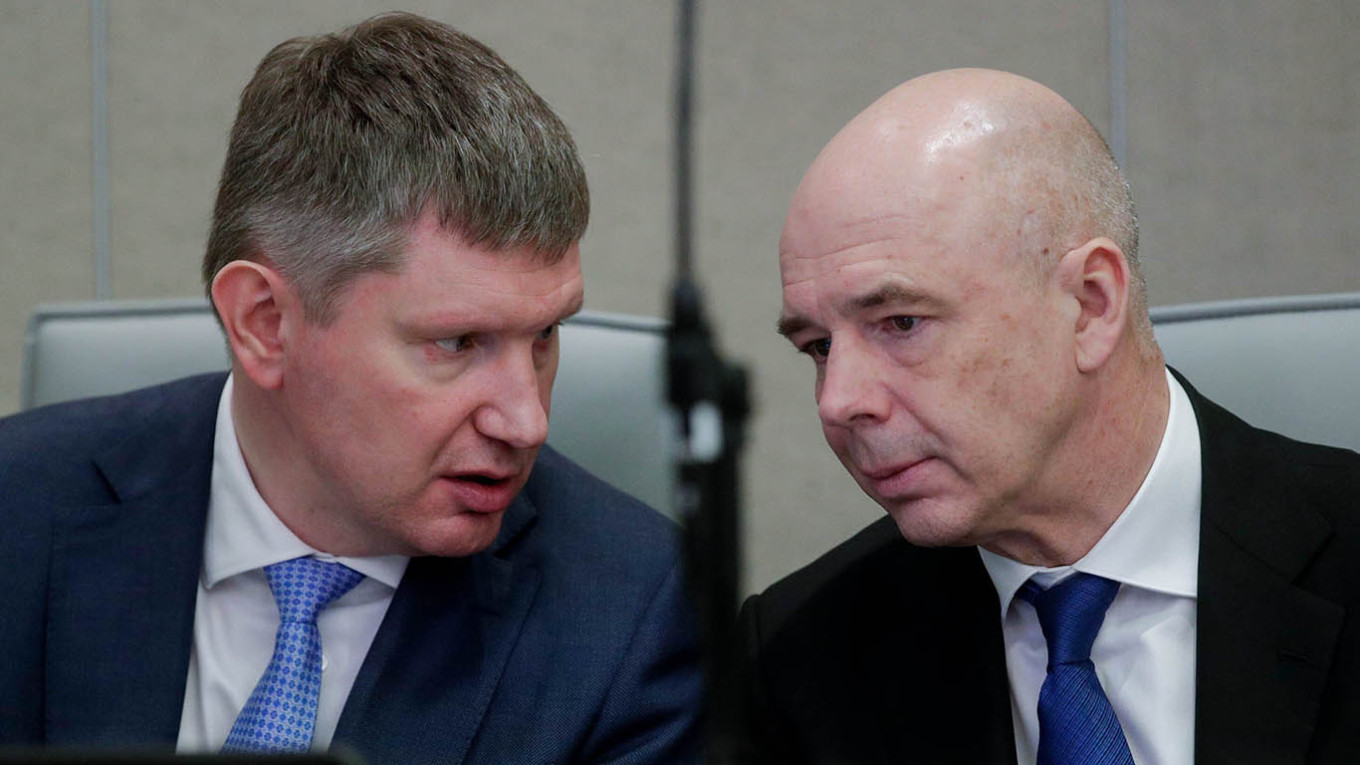
The decision followed an instruction from Economic Development Minister Maxim Reshetnikov.
The working group will include representatives of business associations, the Central Bank and the SME Corporation, the sources said.
Authorities also plan to compile a register of state customers that regularly delay payments under 223-FZ contracts and to introduce a new performance indicator for senior managers of state companies: the absence of outstanding debts to suppliers.
One source said a policy document outlining the measures is at a final stage of preparation.
A Message from The Moscow Times:
Dear readers,
We are facing unprecedented challenges. Russia's Prosecutor General's Office has designated The Moscow Times as an "undesirable" organization, criminalizing our work and putting our staff at risk of prosecution. This follows our earlier unjust labeling as a "foreign agent."
These actions are direct attempts to silence independent journalism in Russia. The authorities claim our work "discredits the decisions of the Russian leadership." We see things differently: we strive to provide accurate, unbiased reporting on Russia.
We, the journalists of The Moscow Times, refuse to be silenced. But to continue our work, we need your help.
Your support, no matter how small, makes a world of difference. If you can, please support us monthly starting from just $2. It's quick to set up, and every contribution makes a significant impact.
By supporting The Moscow Times, you're defending open, independent journalism in the face of repression. Thank you for standing with us.

Remind me later.