At least four people were killed in Ukrainian drone attacks in western Russia and annexed Crimea, authorities said Thursday, while multiple industrial sites were also targeted during the overnight air barrage.
Sergei Aksyonov, the Russian-appointed governor of Crimea, said two people were killed not far from the city of Simferopol, including a child. Two others were wounded in the attack, he added.
Sevastopol Governor Mikhail Razvozhaev said a temporary rolling blackout regime was introduced in the port city, home to Russia’s Black Sea Fleet.
“This is an emergency measure. It is necessary to relieve overloading on the power grid outside our region and to prevent a major failure across the entire energy system,” Razvozhaev wrote in a post on Telegram.
The blackout comes days after Ukrainian drones damaged energy infrastructure in Crimea, which knocked out power in several parts of the annexed peninsula.
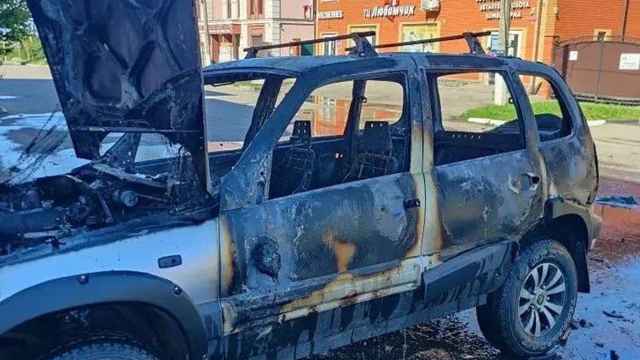
Meanwhile, in the Bryansk region, acting Governor Yegor Kovalchuk said a 23-year-old man and a 15-year-old girl were killed when a drone struck their car in a village located about 10 kilometers (6 miles) north of the Ukrainian border. Four other people were wounded in separate attacks across the region.
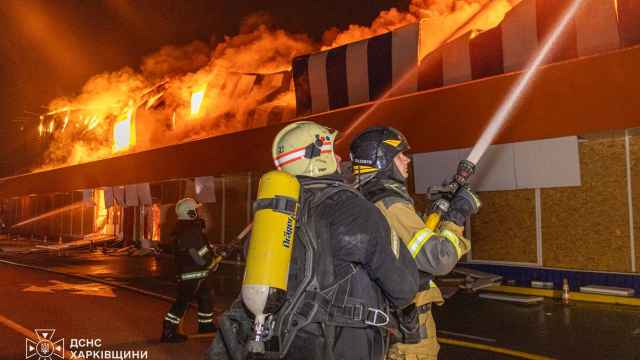
In the southern Krasnodar region, local authorities reported that falling drone debris sparked a fire at the Poltavskaya oil depot, which has been targeted multiple times in recent months.
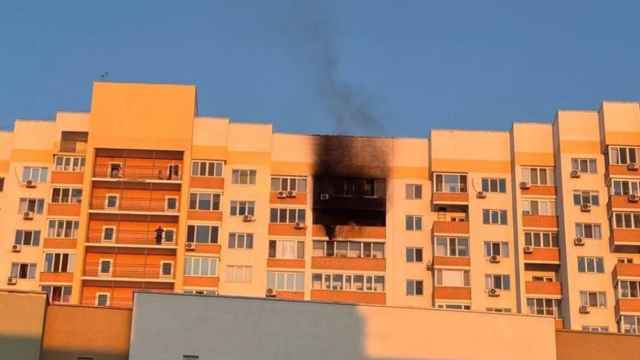
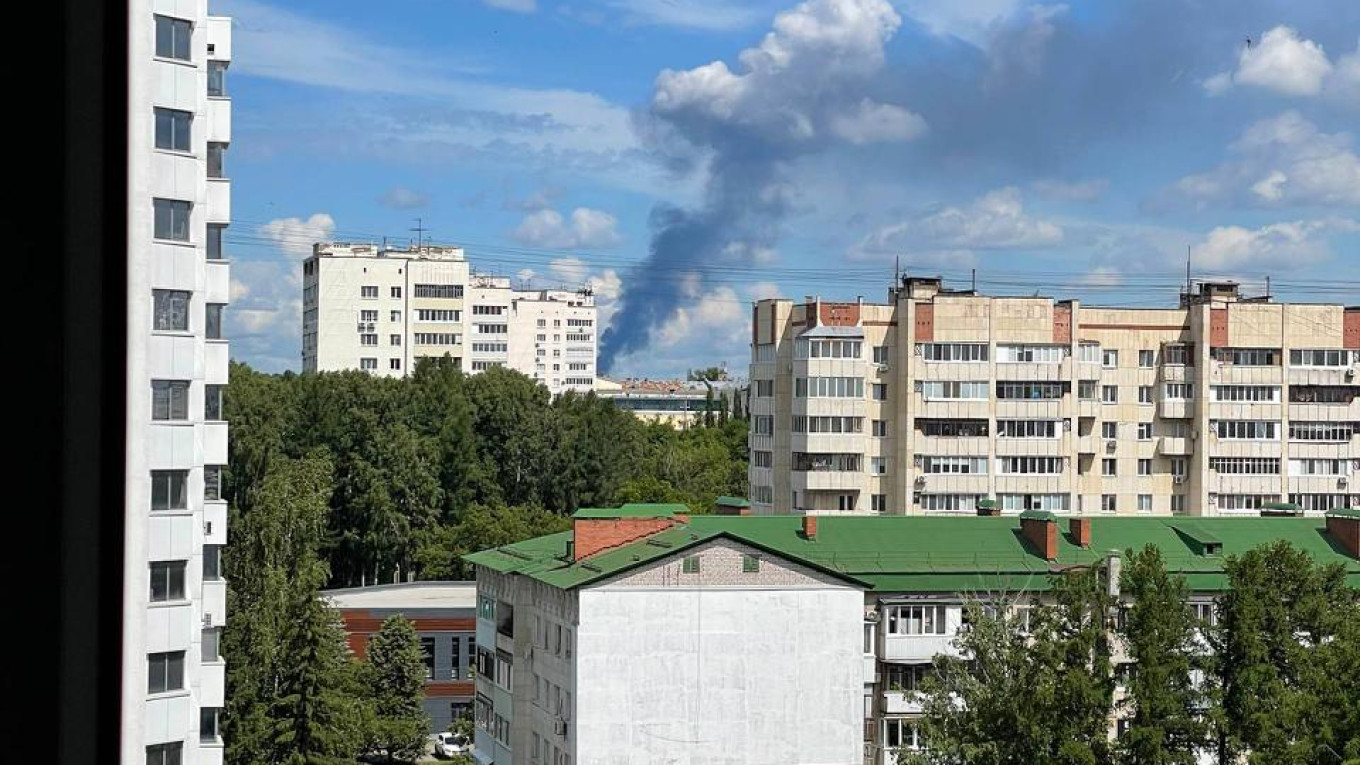
Drones also struck an industrial zone in the republic of Bashkortostan, regional authorities said, an area located over 1,000 kilometers (621 miles) from the border with Ukraine. Videos and photos shared on social media purportedly showed a column of black smoke rising from the site.
Russia’s Defense Ministry said it intercepted 269 Ukrainian drones across Russia and annexed Crimea between Wednesday night and Thursday morning.
Ukraine began ratcheting up its attacks against Russian oil refineries and fuel supply lines in Crimea this spring. Drone strikes have halted or scaled back production at facilities that account for large shares of Russia’s gasoline output, leading to a growing number of fuel rationing measures.
A Message from The Moscow Times:
Dear readers,
We are facing unprecedented challenges. Russia's Prosecutor General's Office has designated The Moscow Times as an "undesirable" organization, criminalizing our work and putting our staff at risk of prosecution. This follows our earlier unjust labeling as a "foreign agent."
These actions are direct attempts to silence independent journalism in Russia. The authorities claim our work "discredits the decisions of the Russian leadership." We see things differently: we strive to provide accurate, unbiased reporting on Russia.
We, the journalists of The Moscow Times, refuse to be silenced. But to continue our work, we need your help.
Your support, no matter how small, makes a world of difference. If you can, please support us monthly starting from just $2. It's quick to set up, and every contribution makes a significant impact.
By supporting The Moscow Times, you're defending open, independent journalism in the face of repression. Thank you for standing with us.

Remind me later.