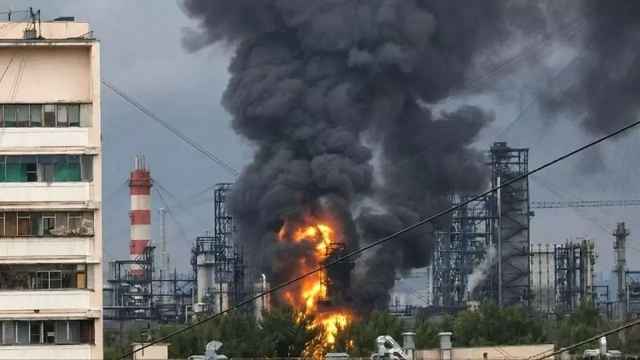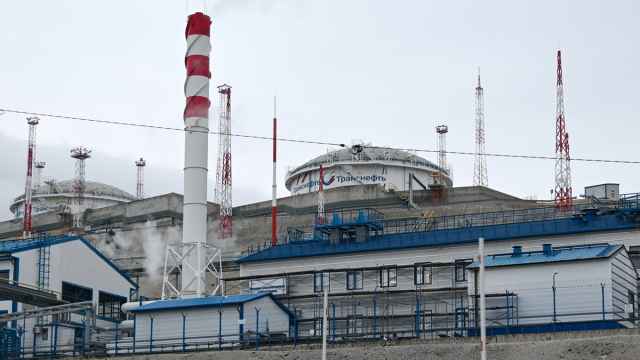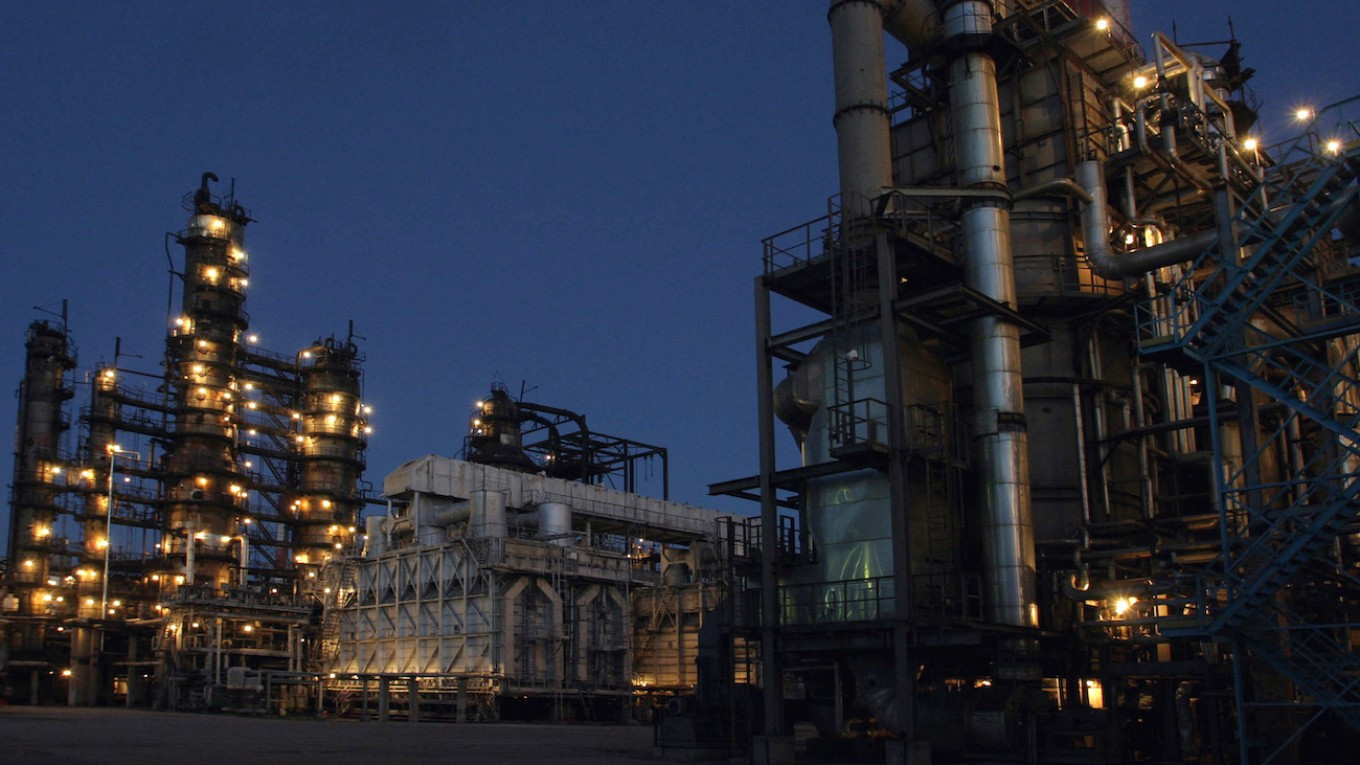
Oil refineries in central Russia have been forced to either suspend operations entirely or sharply reduce fuel output after a wave of drone attacks over the past two weeks, Reuters reported Tuesday, citing official data and industry sources.
Russia has already banned gasoline exports until July 31 as Ukraine ramps up its attacks against energy sites across the country in a bid to deprive the Kremlin of windfalls from surging oil prices.
The number of refineries targeted by Ukrainian drones has doubled since the start of the year, Reuters said.
Several major plants in central Russia, a key refining hub supplying domestic consumers and contributing a substantial share of fuel exports, have largely ground to a halt this month.
Among the large refineries targeted were plants in Kirishi, Moscow, Nizhny Novgorod, Ryazan and Yaroslavl.
Russia’s Ryazan refinery suspended operations completely on May 15, while the Moscow refinery shut down on May 17.
Yaroslavnefteorgsintez (YANOS), meanwhile, has been operating at around one-quarter of its nominal capacity since last week, fuel market sources said.
Kirishinefteorgsintez (KINEF), one of Russia’s largest refineries with annual processing capacity of 20 million metric tons, has been fully offline since May 5, Reuters said.
Another major facility, Nizhny Novgorodnefteorgsintez (NORSI), with annual capacity of 17 million tons, came under attack on May 20. It was not immediately clear whether NORSI managed to preserve partial operations, Reuters said.
The combined annual capacity of refineries that have either fully halted or significantly reduced operations exceeds 83 million metric tons, or around 238,000 tons per day. That is nearly one-quarter of Russia’s total refining capacity, Reuters said.
Together, those plants accounted for more than 30% of Russia’s gasoline production and around 25% of diesel fuel output.
The Ryazan refinery supplies a significant portion of fuel consumed in Moscow and the surrounding region.
Sales of gasoline and diesel produced at the plant on the St. Petersburg International Mercantile Exchange have been suspended since last Friday, exchange data showed.
The Yaroslavnefteorgsintez Oil Refinery (YANOS) has also almost entirely halted gasoline sales on the exchange since May 8, while diesel sales have dropped by a factor of 2.5, according to exchange data.
Other Russian facilities that could have compensated for lost output from damaged refineries in central Russia have themselves come under attack and are operating below capacity or remain offline, Reuters said.
Read this article in Russian at The Moscow Times' Russian service.
A Message from The Moscow Times:
Dear readers,
We are facing unprecedented challenges. Russia's Prosecutor General's Office has designated The Moscow Times as an "undesirable" organization, criminalizing our work and putting our staff at risk of prosecution. This follows our earlier unjust labeling as a "foreign agent."
These actions are direct attempts to silence independent journalism in Russia. The authorities claim our work "discredits the decisions of the Russian leadership." We see things differently: we strive to provide accurate, unbiased reporting on Russia.
We, the journalists of The Moscow Times, refuse to be silenced. But to continue our work, we need your help.
Your support, no matter how small, makes a world of difference. If you can, please support us monthly starting from just $2. It's quick to set up, and every contribution makes a significant impact.
By supporting The Moscow Times, you're defending open, independent journalism in the face of repression. Thank you for standing with us.

Remind me later.