Ukrainian drone attacks on Russia’s Baltic fuel export infrastructure have disrupted shipments from key ports, raising the risk that refineries may be forced to cut crude runs and squeezing fuel output, Reuters reported late last week, citing industry sources.
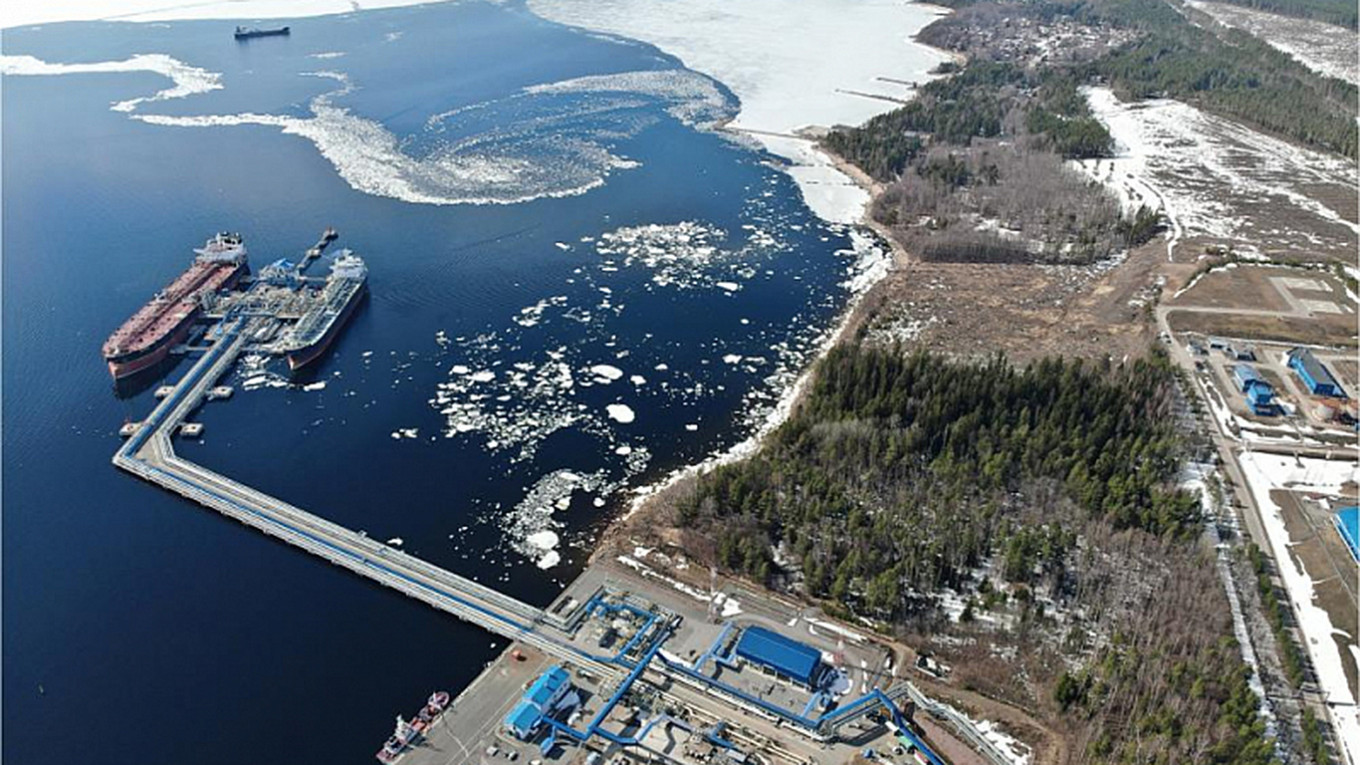
The disruption has hit Ust-Luga, one of Russia’s main fuel export hubs, and comes as refiners face mounting difficulties shipping fuel oil, a product with little domestic demand that must be exported.
Operations at the Ust-Luga Oil terminal were halted on March 25 after drones reportedly damaged a railway unloading rack used to transfer oil products from tank cars.
The terminal stopped accepting supplies, including from the Kirishinefteorgsintez (KINEF), Yaroslavl (YANOS), Moscow and Ryazan refineries.
The attack followed a separate drone strike on the nearby Baltic port of Primorsk on March 22.
"Ust‑Luga stopped taking gasoline and fuel oil on Wednesday. Within days we will have to cut runs to minimum levels and then potentially shut units," a refinery specialist told Reuters.
Ust-Luga has capacity of about 30 million metric tons per year, including 19 million tons of dark oil products such as fuel oil. Traders estimate roughly 18 million tons of fuel oil were shipped through the terminal in 2025, more than 14 million tons of which came from the affected refineries.
Damage to Baltic export infrastructure has made it difficult to move fuel oil, the main constraint for refiners, sources said.
Refineries have started seeking alternative export routes and adjusting processing schemes including cutting throughput, sources said.
Combined crude runs at KINEF, YANOS, the Moscow refinery and Ryazan refinery total about 55 million tons per year, according to traders cited by Reuters.
Fuel oil accounts for roughly 18% to 35% of output at these plants and is largely exported, while gasoline is almost entirely consumed domestically and about two-thirds of diesel is sold at home.
An inability to ship fuel oil could force refinery shutdowns. Cutting runs to reduce fuel oil output would also lower gasoline production at a time when as seasonal demand is rising.
“Fuel oil is the bottleneck product. We are calculating how to minimise dark yields, divert into bitumen, bunker fuel, also look at other ports, cut runs and load secondary units to the maximum [fuel oil utilization],” a refinery source told Reuters.
The timeline for restoring operations at Ust-Luga remains unclear.
KINEF, one of the main suppliers to the terminal, was also hit by a drone attack on March 26 and may temporarily cut runs, partly easing pressure on export infrastructure.
However, redirecting fuel oil to other ports will be difficult due to limited capacity in northwest Russia. Shipping to more distant ports would lengthen rail turnaround times and require additional tank cars and rail capacity, sources said.
Read this story in Russian at The Moscow Times' Russian service.
A Message from The Moscow Times:
Dear readers,
We are facing unprecedented challenges. Russia's Prosecutor General's Office has designated The Moscow Times as an "undesirable" organization, criminalizing our work and putting our staff at risk of prosecution. This follows our earlier unjust labeling as a "foreign agent."
These actions are direct attempts to silence independent journalism in Russia. The authorities claim our work "discredits the decisions of the Russian leadership." We see things differently: we strive to provide accurate, unbiased reporting on Russia.
We, the journalists of The Moscow Times, refuse to be silenced. But to continue our work, we need your help.
Your support, no matter how small, makes a world of difference. If you can, please support us monthly starting from just $2. It's quick to set up, and every contribution makes a significant impact.
By supporting The Moscow Times, you're defending open, independent journalism in the face of repression. Thank you for standing with us.

Remind me later.