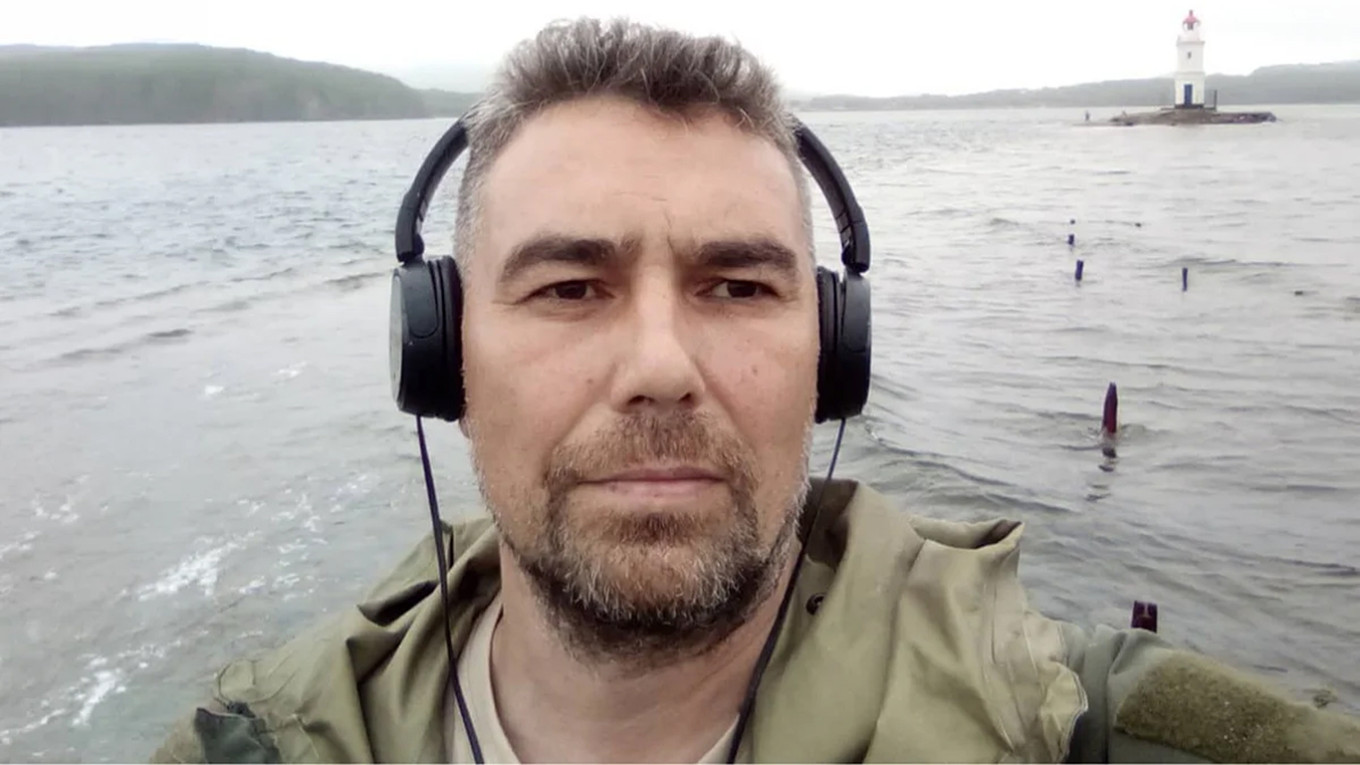
PARIS — “He lived as if without skin, so he felt everything very intensely. And the start of the war made his life much harder,” theater director Tatyana Frolova said of her friend, the artist Andrei Akuzin.
In April, Akuzin, 53, died by suicide in a pre-trial detention center in Komsomolsk-on-Amur, a city in the Far East Khabarovsk region, days after he was arrested over a social media comment.
Akuzin is among at least six Russian political prisoners who have died in custody so far this year, according to rights advocates. In total, at least 70 people have died in custody over the past decade and a half, according to the Nobel Peace Prize-winning rights group Memorial.
For relatives, fellow activists and supporters, preserving the memory of those who died has become an act of solidarity and resistance.
Akuzin and Frolova met in 1998 when her KnAM Theater hosted its first international festival in Komsomolsk-on-Amur. Although Frolova left Russia after the full-scale invasion of Ukraine, the two remained in contact. For security reasons, Akuzin deleted their messages on his side of the conversation.
Speaking to The Moscow Times in Paris, Frolova pulled out her phone and smiled at the mushroom image Akuzin used as his profile picture.
She played the last voice message he sent her, a birthday greeting on April 1.
“Wishing you prosperity,” Akuzin said.
In her reply, Frolova shared her anxieties about the future. Akuzin said he too felt uneasy. The next day, he was arrested. The exact charges against him have not been made public.
Akuzin spent his birthday, April 7, in pre-trial detention. He was found dead in his cell the next day.
“Honestly, I don't even know… whether it was outright murder, or whether they drove him to it, tortured him,” Frolova said.
She said Akuzin had once told her that if anything happened to him, he wanted his ashes scattered over a river.
“His wish was carried out,” Frolova said.
Today, Frolova keeps her friend’s memory alive by talking about him in both her work and personal life. His voice already features in one of her documentary theater productions, “Happiness,” which premiered in 2020.
“In new productions, there will be a section about Andrei at the beginning,” Frolova said. “Some people tell me, 'Why are you making a hero out of him? What did he do?' But for me, he is a hero.”
Others have sought to preserve the legacy of deceased political prisoners through educational and cultural projects.
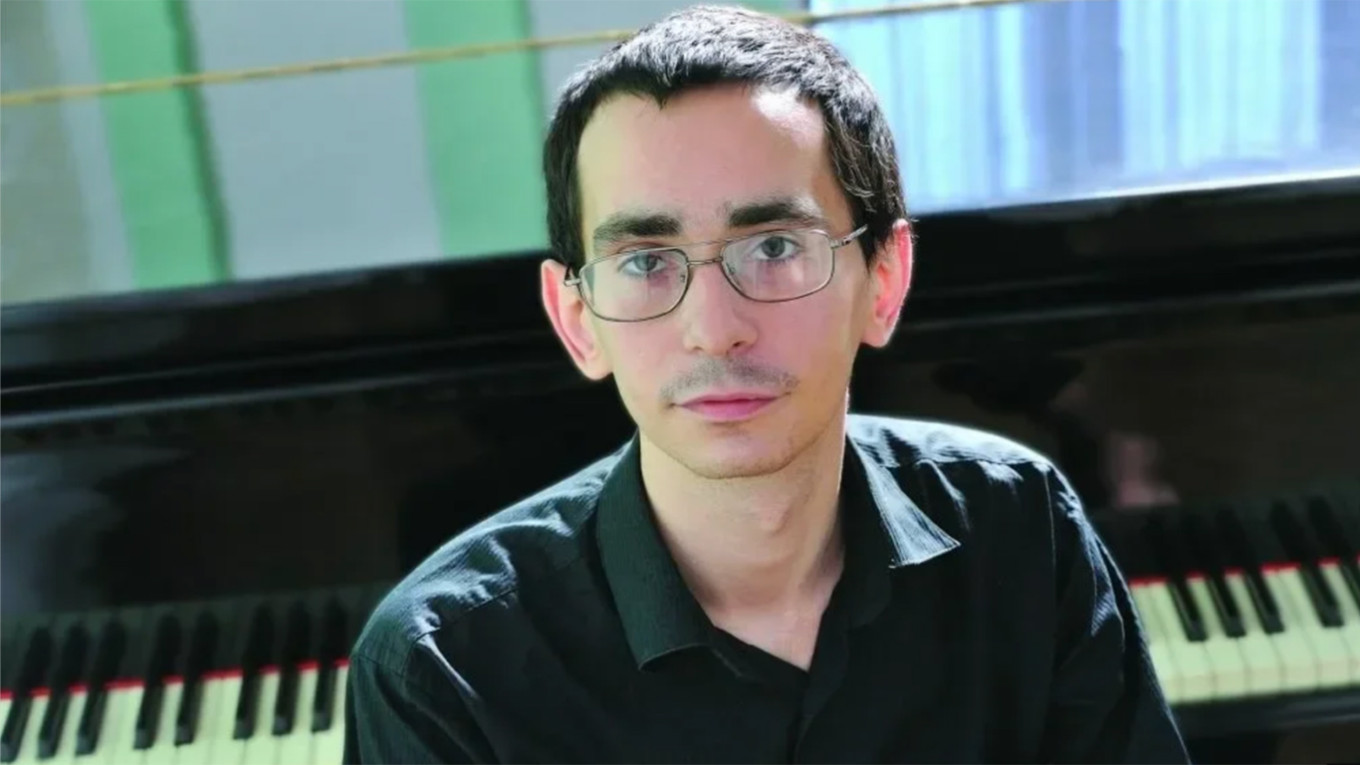
Pianist Pavel Kushnir died in a pre-trial detention center in Russia's Jewish autonomous district in July 2024 after a dry hunger strike. He was 39.
He had been charged with incitement to terrorism over anti-war videos on a YouTube channel that had five subscribers while he was alive.
Doctors listed heart disease as the cause of death. Independent newspaper Novaya Gazeta later reported that he had also been brutally beaten by cellmates.
In 2025, director and producer Roman Liberov and entrepreneur Eduard Panteleev founded the Pavel Kushnir Scholarship, which helps young musicians from Russia, Ukraine and Belarus continue their studies in Europe.
“My feeling is that we must do what those back home cannot: to publicly preserve and resurrect the memory and names of the innocently killed, such as Pavel Kushnir," Liberov said.
The scholarship supported 13 students in its first year, while Liberov has organized memorial concerts in cities including Amsterdam, London, Tel Aviv and Berlin.
“The mechanics of memory work precisely like this: students who once received the Pavel Kushnir Scholarship will not forget that name, and will pass it on to their own students, and those students to theirs," Liberov said.
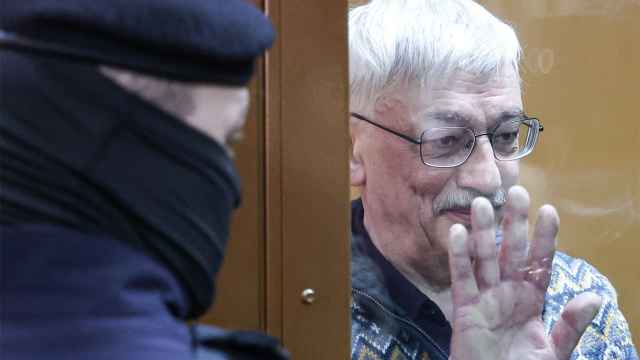
In June 2025, Reuters published a letter signed by 11 jailed Russian dissidents calling on world leaders to seek "the immediate and unconditional release of sick political prisoners who are dying in Russian prisons."
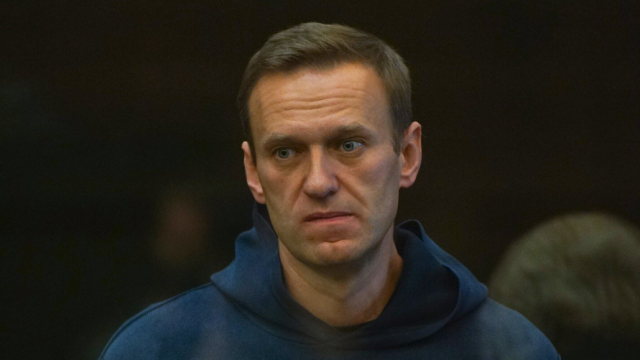
Human Rights Watch said in February that about 1,217 political prisoners, including 108 women, were being held in Russia. Memorial said in its 2025 annual report that 2024 saw an "unprecedented number of deaths among defendants in political cases," including opposition figure Alexei Navalny and 16 other political prisoners.
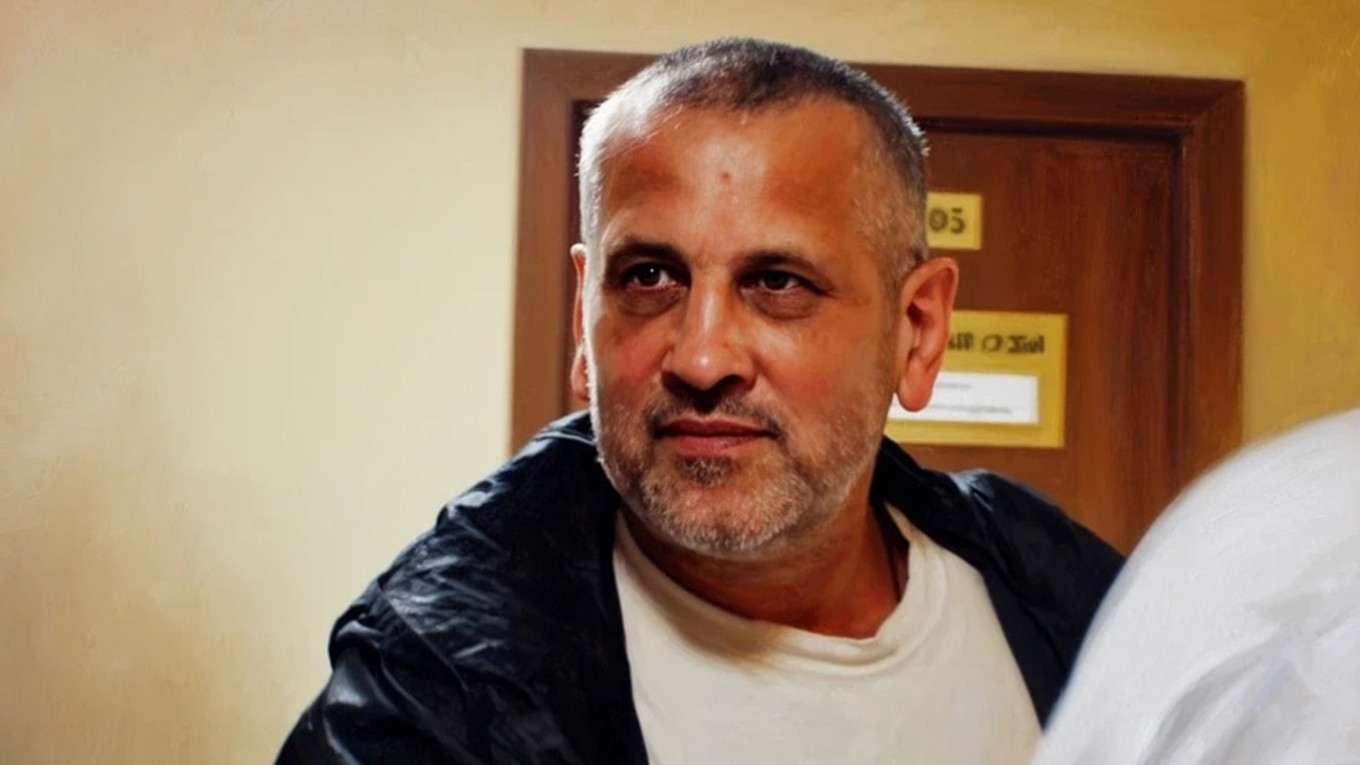
Mariana Katzarova, the UN’s special rapporteur on human rights in Russia, has said that torture and mistreatment remain widespread throughout Russia’s prison system.
For some inmates, their bodies become the only means of protest.
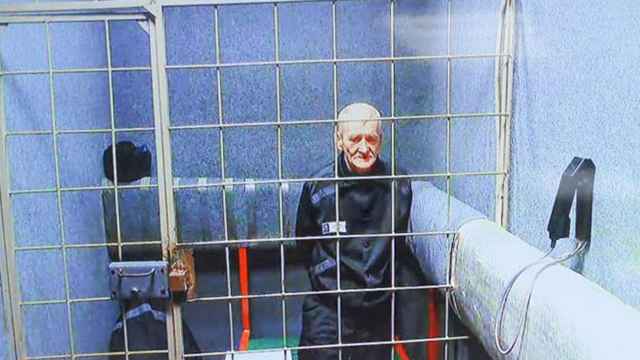
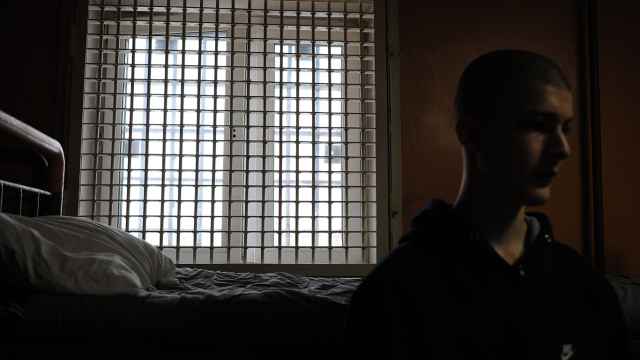
Alexei Badmayev, a 23-year-old from the Siberian city of Ulan-Ude, is serving a 14-year prison sentence for social media posts about Russian paramilitary groups fighting for Ukraine and for donating 500 rubles to a Ukrainian blogger. Memorial has designated him a political prisoner.
“The staff have become brazen,” he wrote to his parents this spring. “Yesterday they kicked me in the legs and threatened to smash my head against the wall if I didn't stop acting up.”
Badmayev has been on hunger strike since April 8 in protest against alleged abuse at his penal colony.
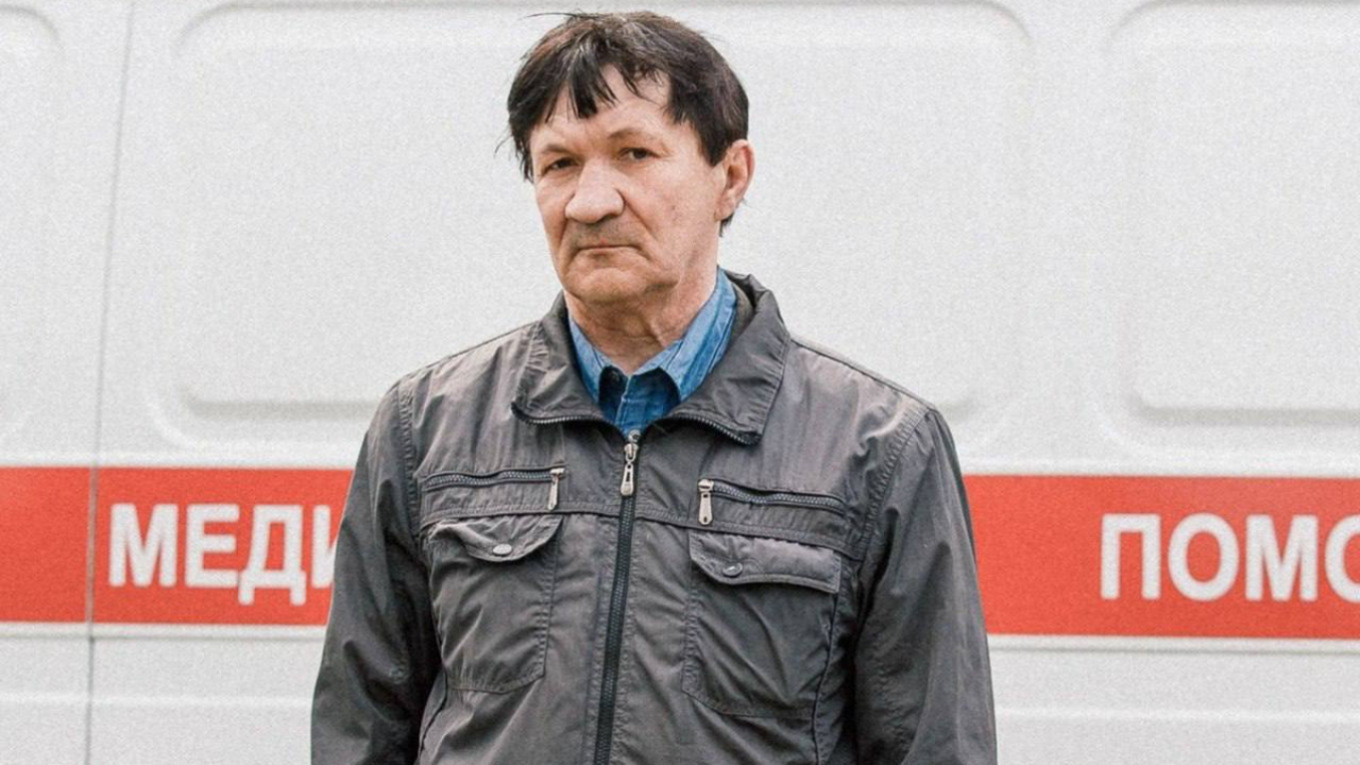
Journalist Maria Ponomarenko, who was convicted of spreading what authorities called false information about the Russian military, attempted suicide last year in response to what her lawyer described as ongoing mistreatment by prison officials.
For supporters of prisoners who have died in custody, remembrance itself has become a form of defiance.
Self-identified anarchist and religious dissident Vegan Khristolyub Bozhiy, whose real name was Dmitry Kuznetsov, was imprisoned on charges of “insulting the feelings of religious believers” with a video in which he criticized the actions of the Soviet leadership and the Red Army during World War II.
He was found dead in prison on April 17.
Irina, a supporter of Khristolyub's who asked to be identified by her first name only for security reasons, began corresponding with him after learning about him at a letter-writing event for political prisoners.
“I think Khristolyub would have wanted to be remembered as a joyful guy, striving toward the house of the Father. Thank you to him for the light and love he gave us,” she said.
Another supporter, who asked not to be named for security reasons, said remembering those who died was essential.
“We must remember both those who die as a result of the war and those who are killed in places of forced detention. These are two very different crimes by the state. It is important to remember them so they are not repeated in the future,” they said.
A video uploaded to Khristolyub's YouTube channel after his death carried the message: "If you are watching this video, it means I am already home in Heaven. It was published on the channel by my friends after the day of my transition to another eternal existence.”
His father and other supporters reject suggestions that he died by suicide.
“He was a deeply devout Christian, and in Christianity, suicide is forbidden,” said a member of his support group who spoke on condition of anonymity.
The last video on Khristolyub's channel, now maintained by his friends, consists of a slideshow of photos of him.
“He did not merely believe — he taught and he created. With his every step, he changed this world,” a rap plays in the background.
A Message from The Moscow Times:
Dear readers,
We are facing unprecedented challenges. Russia's Prosecutor General's Office has designated The Moscow Times as an "undesirable" organization, criminalizing our work and putting our staff at risk of prosecution. This follows our earlier unjust labeling as a "foreign agent."
These actions are direct attempts to silence independent journalism in Russia. The authorities claim our work "discredits the decisions of the Russian leadership." We see things differently: we strive to provide accurate, unbiased reporting on Russia.
We, the journalists of The Moscow Times, refuse to be silenced. But to continue our work, we need your help.
Your support, no matter how small, makes a world of difference. If you can, please support us monthly starting from just $2. It's quick to set up, and every contribution makes a significant impact.
By supporting The Moscow Times, you're defending open, independent journalism in the face of repression. Thank you for standing with us.

Remind me later.