Global car brands are steadily regaining market share in Russia’s new car market despite government efforts to steer buyers toward locally produced vehicles, according to data from analytics agency Avtostat.
Foreign brands accounted for 16.8% of new passenger car sales in February, up from roughly 7-8% a year earlier and 10% in December, Avtostat said.
In total, about 80,000 new foreign cars were sold in Russia in February, up 3% year on year, Avtostat data showed.
Japanese and European brands featured among the fastest-growing sellers despite having halted official operations in the country.
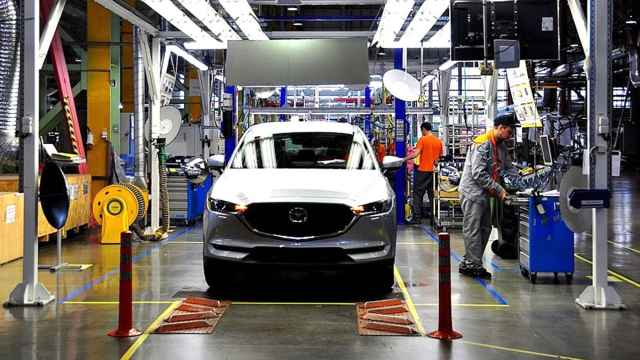
Mazda ranked sixth with about 2,800 vehicles sold — nearly 20 times more than a year earlier — while Toyota placed ninth with around 2,000 sales, more than double year on year. Volkswagen climbed to 15th place with 1,100 vehicles sold, up 4.6 times from a year earlier.
The trend highlights the limits of Moscow’s attempts to reshape the auto market after many Western manufacturers exited Russia following the country’s 2022 invasion of Ukraine.
“The authorities are saying the future is locally produced cars,” Avtostat CEO Sergei Tselikov said. “But consumers want other vehicles, even if they arrive through alternative imports.”
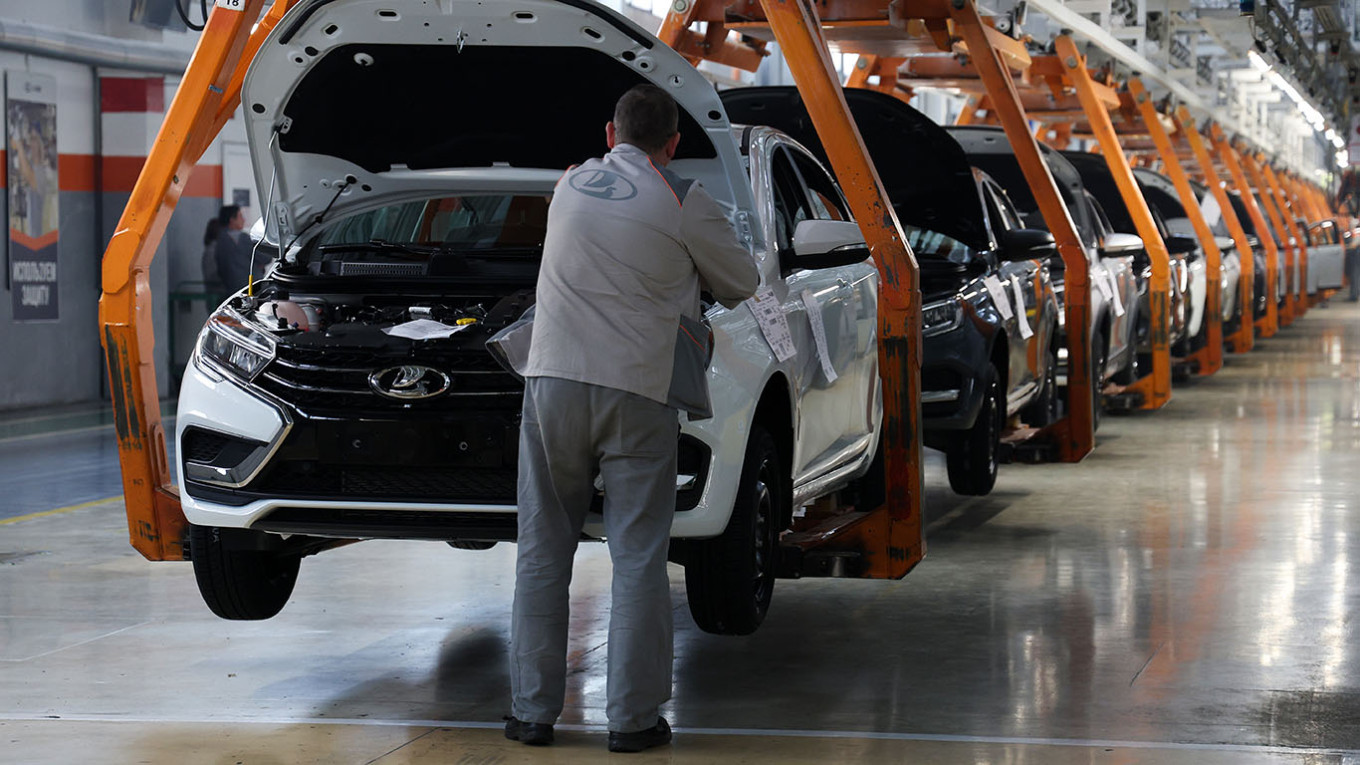
Sales of Russia’s flagship brand Lada fell to about 19,000 vehicles in February, down 23% year on year. Imports of some Chinese brands also declined, with Geely sales falling 9% to around 4,700 vehicles and Chery dropping 86% to roughly 1,100.
Demand has been strongest for models with engines below 160 horsepower, which qualify for lower recycling fees when imported by individuals. One example is the Mazda CX-5 crossover, which Tselikov said has helped drive the brand’s surge in sales.
About half of the nearly 21,000 new cars imported into Russia in February arrived through parallel imports, often registered to private individuals and delivered to order, Avtostat said.
Of roughly 26,000 used foreign cars imported that month, about 95% had engines below the 160-horsepower threshold.
Tselikov said some buyers who previously delayed purchases in hopes that global brands would return to Russia had begun buying instead, amid expectations that the government could tighten import rules further.
In the long term, however, he expects domestically produced vehicles and locally assembled foreign brands to dominate the market.
“About 90% of the market will eventually belong to them,” he said. “But around 10% will remain ‘real’ foreign cars.”
Read this story in Russian at The Moscow Times' Russian service.
A Message from The Moscow Times:
Dear readers,
We are facing unprecedented challenges. Russia's Prosecutor General's Office has designated The Moscow Times as an "undesirable" organization, criminalizing our work and putting our staff at risk of prosecution. This follows our earlier unjust labeling as a "foreign agent."
These actions are direct attempts to silence independent journalism in Russia. The authorities claim our work "discredits the decisions of the Russian leadership." We see things differently: we strive to provide accurate, unbiased reporting on Russia.
We, the journalists of The Moscow Times, refuse to be silenced. But to continue our work, we need your help.
Your support, no matter how small, makes a world of difference. If you can, please support us monthly starting from just $2. It's quick to set up, and every contribution makes a significant impact.
By supporting The Moscow Times, you're defending open, independent journalism in the face of repression. Thank you for standing with us.

Remind me later.