Russia’s Finance Ministry said Wednesday that it will halt foreign currency and gold purchases and sales in March under its “budget rule,” as it prepares to revise the oil price benchmark used to calculate excess revenue.
Under the current rule, revenues earned above $59 per barrel of Urals crude are funneled into Russia’s National Wealth Fund. Shortfalls, meanwhile, are covered by the rainy-day fund.
Urals averaged $54.2 in January, contributing to a budget deficit of 1.72 trillion rubles ($22 billion) that month.
The Finance Ministry said the suspension of foreign currency and gold operations this month was tied to “planned changes to the baseline oil price parameter in budget legislation.”
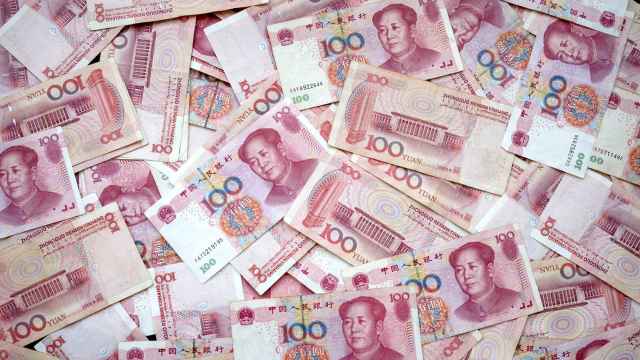
The ruble weakened more than 1% after the announcement. The Chinese yuan climbed as high as 11.358 rubles in intraday trading.
Sofia Donets, chief economist at T-Bank, described the move as “unexpected.”
“It seemed that the recent rise in oil prices would delay any decisions on the base oil price, but the Finance Ministry appears determined,” Donets said in a note. “The ministry now sees Russian oil prices roughly at the level where it wants to set the new cutoff price under the fiscal rule.”
Urals crude was trading around $65 per barrel on Wednesday afternoon.
The conflict in the Middle East has sent oil and gas prices surging. Iran has struck major production sites across the region and closed off the Gulf of Hormuz, a critical passageway for the global energy trade.
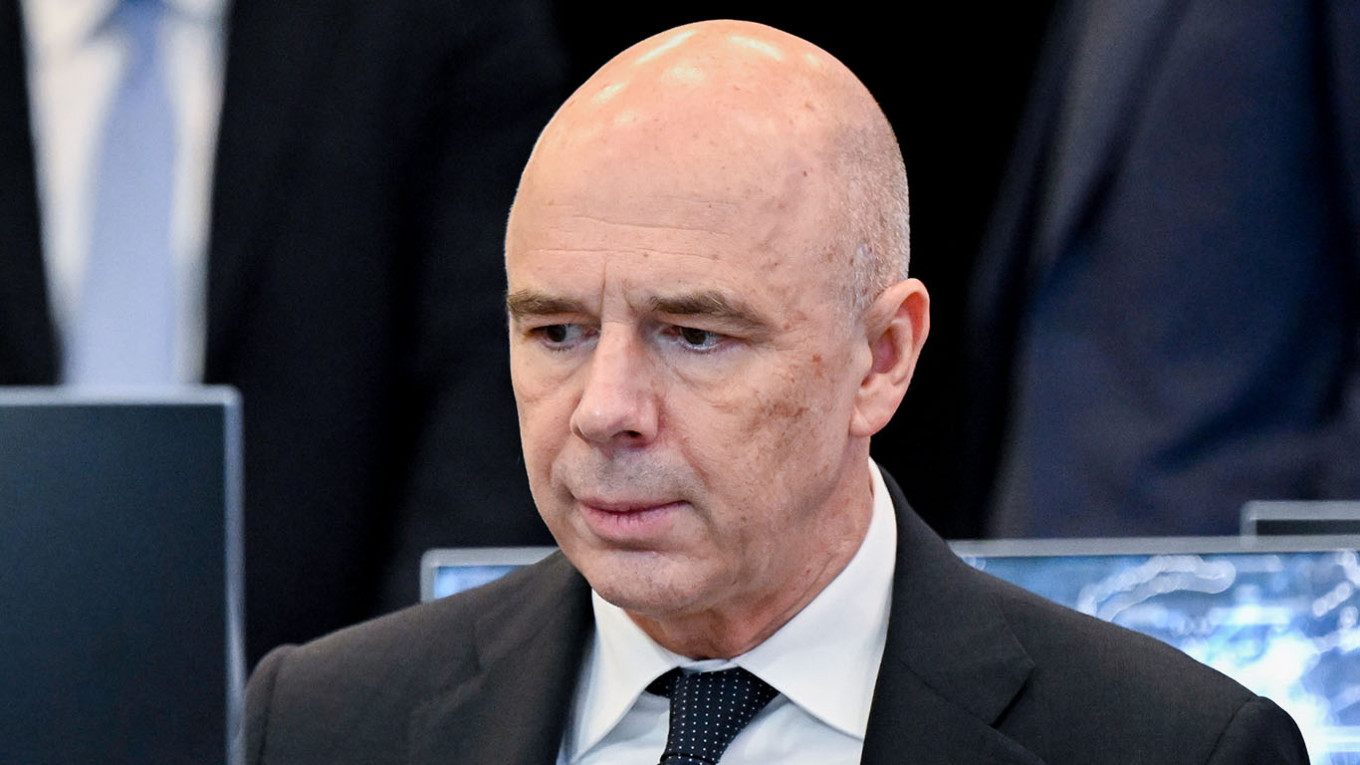
Russian Finance Minister Anton Siluanov said last week that the government planned to lower the cut-off price within two weeks, a step that would redirect more oil revenue into the National Wealth Fund.
Before Russia’s full-scale invasion of Ukraine, the fund held $113.5 billion in liquid assets built up from years of oil windfalls. It now stands at roughly $56 billion.
Siluanov has pushed for changes to the budget rule since last spring, when Urals prices slipped below $60 per barrel.
Russia’s Central Bank has not said whether it will mirror the ministry’s suspension of foreign currency and gold operations.
The Finance Ministry had projected 8.9 trillion rubles ($114.8 billion) in oil and gas tax revenues for 2026, but economists say receipts could fall short by as much as 1.4 trillion rubles ($18.1 billion).
Despite higher export volumes last year, Russia’s oil revenues fell about 20% in 2025, reflecting steep discounts offered under U.S. pressure on its largest buyers.
A Message from The Moscow Times:
Dear readers,
We are facing unprecedented challenges. Russia's Prosecutor General's Office has designated The Moscow Times as an "undesirable" organization, criminalizing our work and putting our staff at risk of prosecution. This follows our earlier unjust labeling as a "foreign agent."
These actions are direct attempts to silence independent journalism in Russia. The authorities claim our work "discredits the decisions of the Russian leadership." We see things differently: we strive to provide accurate, unbiased reporting on Russia.
We, the journalists of The Moscow Times, refuse to be silenced. But to continue our work, we need your help.
Your support, no matter how small, makes a world of difference. If you can, please support us monthly starting from just $2. It's quick to set up, and every contribution makes a significant impact.
By supporting The Moscow Times, you're defending open, independent journalism in the face of repression. Thank you for standing with us.

Remind me later.