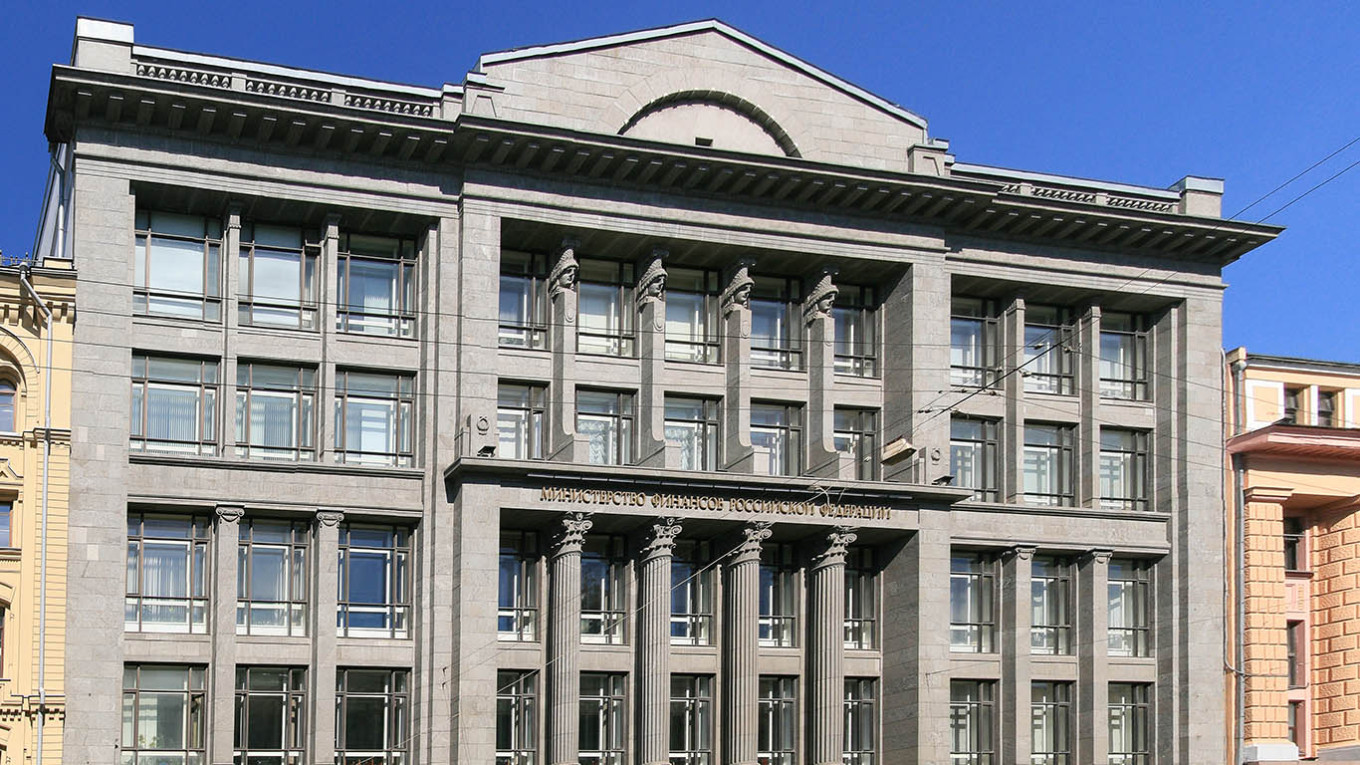
Russia’s federal budget posted a deficit of 1.718 trillion rubles ($22.3 billion) in January, nearly half of its full-year target, according to Finance Ministry data published on Friday.
Budget revenues totaled 2.362 trillion rubles ($30.7 billion) for the month, down 11.6% from a year earlier.
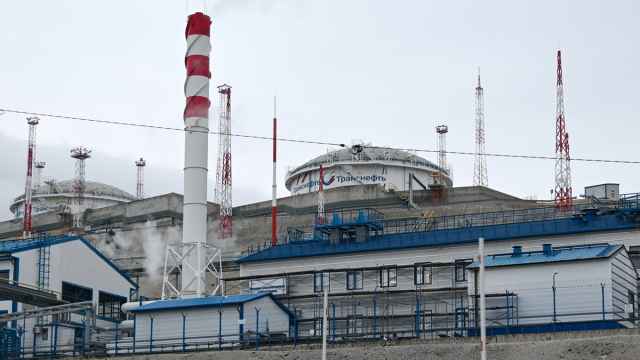
Oil and gas revenues fell by 50% to a five-year low of 393 billion rubles ($5.1 billion).
Non-oil and gas tax revenues rose 4.5% to 1.969 trillion rubles ($25.6 billion).
Value-added tax receipts jumped almost 25% to 1.13 trillion rubles ($14.7 billion) following an increase in the VAT rate to 22% from Jan. 1.
These were insufficient to offset the sharp decline in energy income, even as the Finance Ministry slightly reduced spending by 1.4% to 4.08 trillion rubles ($53.0 billion).
As a result, the January deficit exceeded that of January 2025 by 17%.
Overall, Russia’s budget deficit has reached 17.4 trillion rubles ($226.2 billion) since the full-scale invasion of Ukraine, according to Finance Ministry data.
The Finance Ministry attributed the large early-year deficit to front-loaded spending.
Its 2026 budget sees the annual shortfall narrowing to 3.8 trillion rubles ($49.4 billion) in 2026 from 5.7 trillion rubles ($74.1 billion) last year.
However, a slump in prices for Russian crude and difficulties exporting oil to India could cause the deficit to exceed the plan by nearly threefold, a government source told Reuters.
Internal calculations show the shortfall could reach anywhere from 3.5% to 4.4% of GDP as oil and gas revenues fall well short of projections and military spending rises, Reuters’ source said.
The Finance Ministry was likely to propose spending cuts to close the gap, the source added.
Budget risks have clearly increased, said economist Dmitry Polevoy.
“In a negative scenario, the authorities will likely be forced to look for new sources of revenue, with non-energy commodity sectors, the broader non-resource economy and even household incomes among the first in line,” he said.
Despite the growing pressures, budget difficulties are unlikely to prompt President Vladimir Putin to end the fighting any time soon, economist Vladislav Inozemtsev said.
“Putin will encourage the Central Bank to print money; he will continue to raise taxes, sell state property and nationalize business corporations,” Inozemtsev told The Guardian. “This will allow him to get enough money to wage the war for 2026, and, most probably, for 2027.”
The key uncertainty for the budget is whether Russia will adapt to new sanctions that have driven up discounts on its oil, said investment banker Yevgeny Kogan.
If not, authorities will face “painful decisions” in the second half of the year, including spending cuts, tax hikes and increased borrowing, he said.
Read this story in Russian at The Moscow Times' Russian service.
A Message from The Moscow Times:
Dear readers,
We are facing unprecedented challenges. Russia's Prosecutor General's Office has designated The Moscow Times as an "undesirable" organization, criminalizing our work and putting our staff at risk of prosecution. This follows our earlier unjust labeling as a "foreign agent."
These actions are direct attempts to silence independent journalism in Russia. The authorities claim our work "discredits the decisions of the Russian leadership." We see things differently: we strive to provide accurate, unbiased reporting on Russia.
We, the journalists of The Moscow Times, refuse to be silenced. But to continue our work, we need your help.
Your support, no matter how small, makes a world of difference. If you can, please support us monthly starting from just $2. It's quick to set up, and every contribution makes a significant impact.
By supporting The Moscow Times, you're defending open, independent journalism in the face of repression. Thank you for standing with us.

Remind me later.