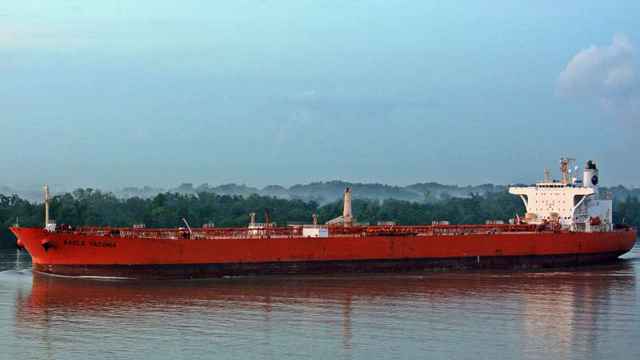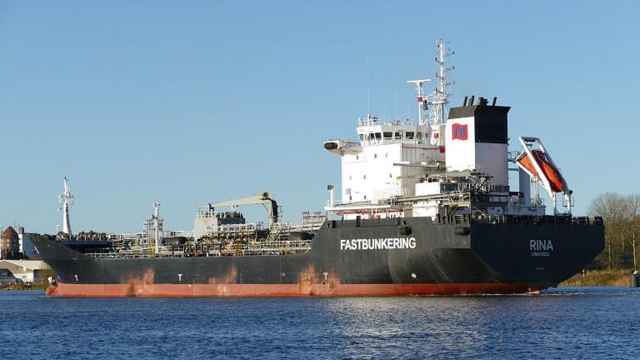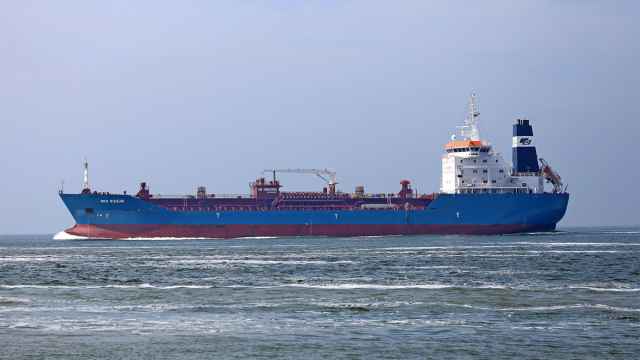
A network of nearly 50 companies has been exporting sanctioned Russian oil while concealing its origins, with traders linked to Azerbaijan playing a central role, the Financial Times reported Friday.
The newspaper found that 48 ostensibly independent firms operating from different physical addresses appear to be working together as part of Russia’s so-called “shadow fleet.”
The network was discovered because all of them use the same private email server, the FT said.
The FT identified 442 web domains whose registration data showed they relied on the same mail server, “mx.phoenixtrading.ltd.” It then matched domain names to companies listed in Russian and Indian customs documents as shippers of Russian crude.
One example is Foxton FZCO, a Dubai-based company whose domain uses the shared server and which exported $5.6 billion worth of Russian oil, the newspaper said.
In total, companies in the network have shipped more than $90 billion in Russian crude, but the FT said the real figure is likely higher.
Russia’s oil exporters have relied on a shadow fleet of tankers and intermediaries to bypass Western sanctions imposed after Moscow’s full-scale invasion of Ukraine.
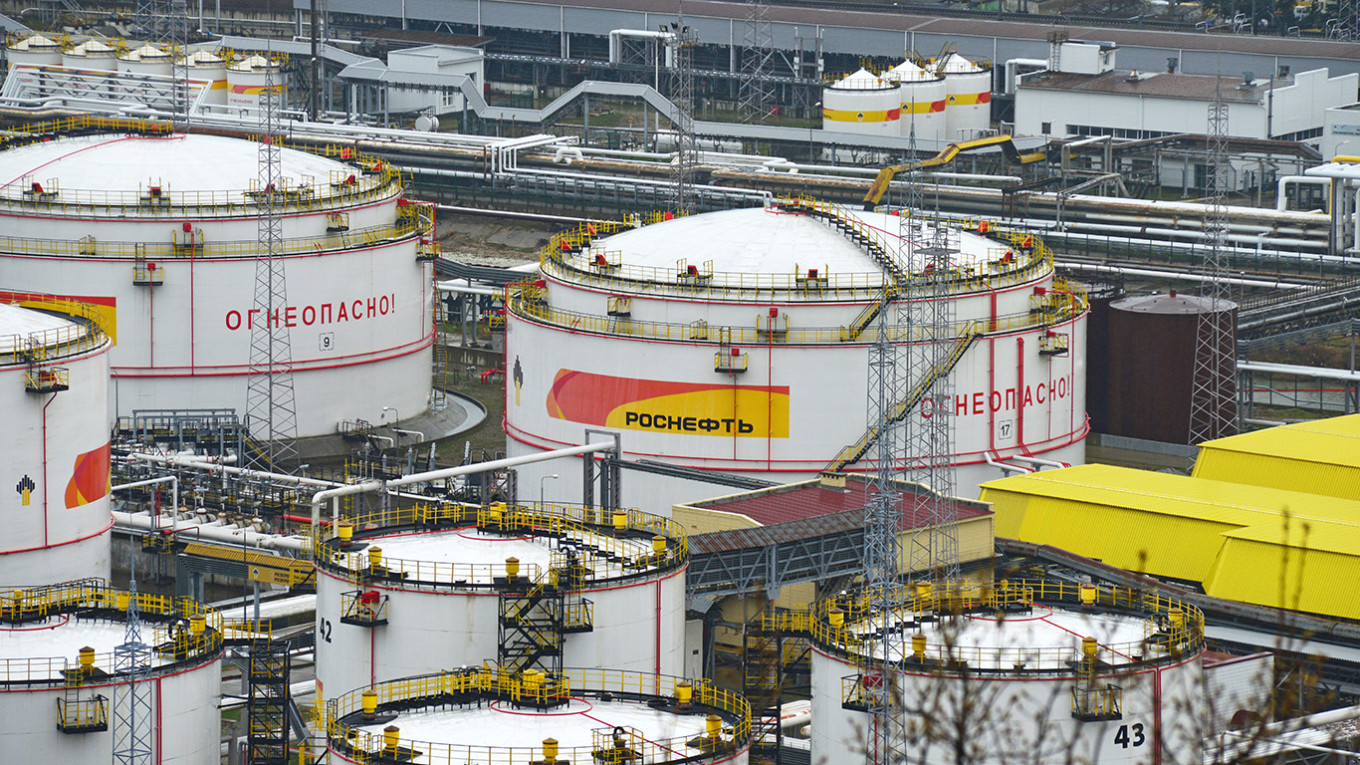
According to the latest full Russian customs data available to the FT, covering up to November 2024, more than 80% of Rosneft’s seaborne exports were handled through the apparent network it uncovered.
Sergey Vakulenko, a fellow at the Berlin-based Carnegie Russia Eurasia Center, said the use of dozens of front companies echoed practices from the 1990s.
“That’s how fortunes were made and taxes dodged by soon to become oligarchs,” he was quoted as saying. “But it’s a big surprise that one network has become so big and important to Rosneft. I’d have expected more sock puppets.”
Read this story in Russian at The Moscow Times' Russian service.
A Message from The Moscow Times:
Dear readers,
We are facing unprecedented challenges. Russia's Prosecutor General's Office has designated The Moscow Times as an "undesirable" organization, criminalizing our work and putting our staff at risk of prosecution. This follows our earlier unjust labeling as a "foreign agent."
These actions are direct attempts to silence independent journalism in Russia. The authorities claim our work "discredits the decisions of the Russian leadership." We see things differently: we strive to provide accurate, unbiased reporting on Russia.
We, the journalists of The Moscow Times, refuse to be silenced. But to continue our work, we need your help.
Your support, no matter how small, makes a world of difference. If you can, please support us monthly starting from just $2. It's quick to set up, and every contribution makes a significant impact.
By supporting The Moscow Times, you're defending open, independent journalism in the face of repression. Thank you for standing with us.

Remind me later.