
Five European countries accused Russia of poisoning opposition politician Alexei Navalny on Saturday on the sidelines of the Munich Security Conference.
"The U.K., Sweden, France, Germany and the Netherlands are confident that Alexei Navalny was poisoned with a lethal toxin," the countries said in a joint statement following "analyses of samples" from his body.
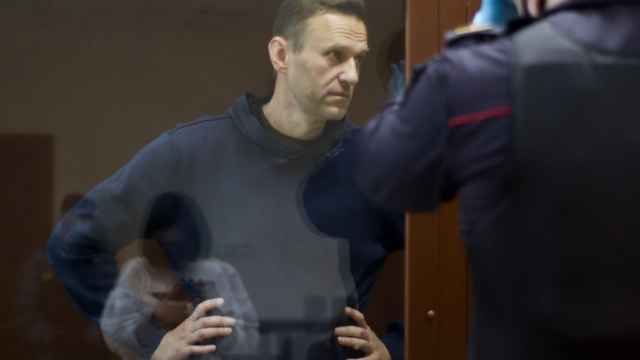
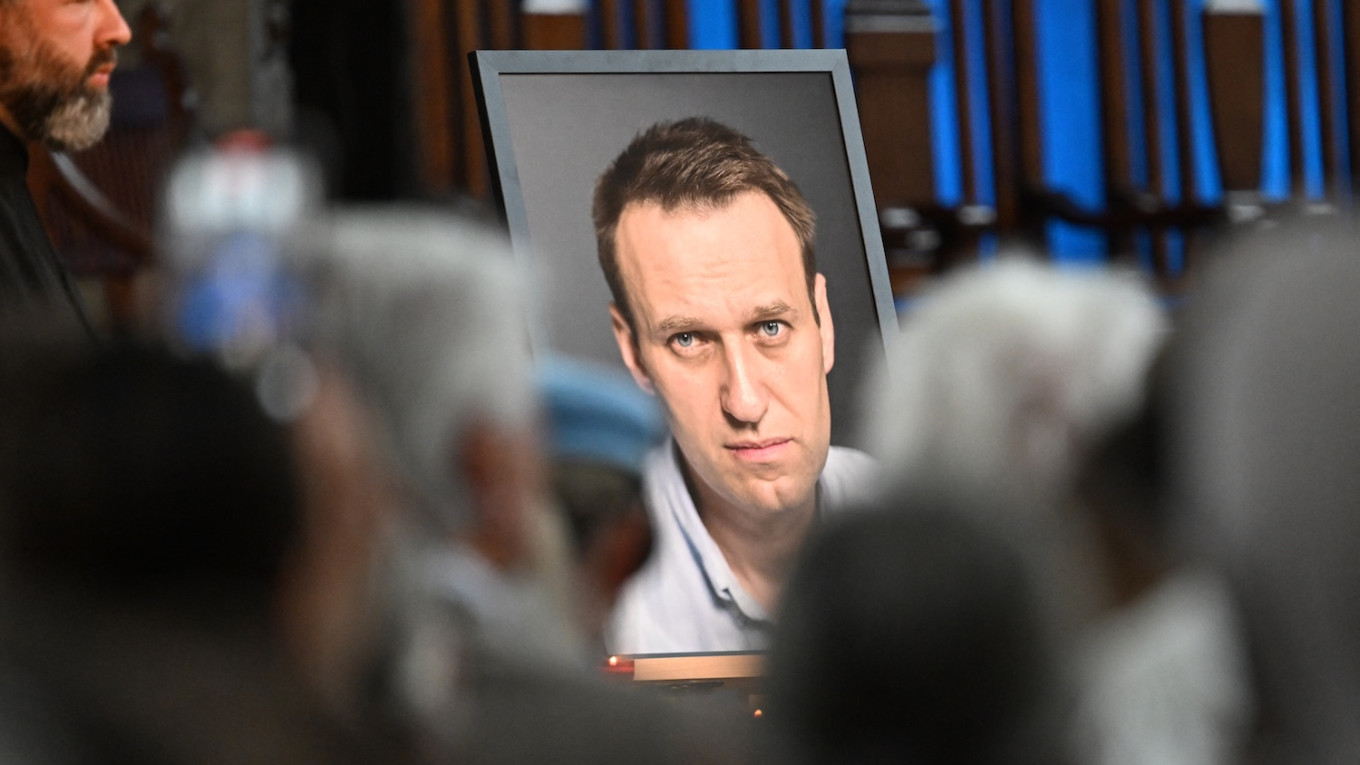
The staunch critic of Russian President Vladimir Putin died in an Arctic prison in February 2024, while serving a 19-year prison sentence.
According to the European states, a toxin found in the skin of South American dart frogs, known as epibatidine, was found in laboratory analyses of samples from his body.
"Russia claimed that Navalny died of natural causes. But given the toxicity of epibatidine and reported symptoms, poisoning was highly likely the cause of his death," said the statement.
"Navalny died while held in prison, meaning Russia had the means, motive and opportunity to administer this poison to him," the countries said.
Britain's Foreign Office said separately that "only the Russian state had the means, motive and opportunity to deploy this lethal toxin." It added: "We hold [Russia] responsible for his death."
Navalny's widow Yulia Navalnya said it was now "science-proven" that the Kremlin opponent had been murdered.
"Two years ago, I came on stage here and said that it was Vladimir Putin who killed my husband," Navalnaya said on the sidelines of the conference.
"I was, of course, certain that it was a murder...Back then, it was just words, but today these words have become science-proven facts," Navalnaya added.
Navalnaya said last September that laboratory analysis of smuggled biological samples found that her husband was killed by poisoning.
"Today, beside his widow, the U.K. is shining a light on the Kremlin's barbaric plot to silence [Navalny's] voice," U.K. Foreign Secretary Yvette Cooper, who met Navalnaya while attending the Munich conference, said in a statement.
French Foreign Minister Jean-Noel Barrot paid "tribute" to Navalny after the findings.
"We now know that Vladimir Putin is prepared to use biological weapons against his own people to remain in power," Barrot said in a post on X.
The Kremlin denies the charges.
Moscow has never fully explained Navalny's death, saying only that he fell ill and collapsed during a walk in his prison colony. Navalny and his foundation were labeled "extremist" by the Russian authorities.
The European countries said they had reported Russia to the world's chemical weapons watchdog, the Organisation for the Prohibition of Chemical Weapons, over the finding.
"We are further concerned that Russia did not destroy all of its chemical weapons," the countries said, accusing Moscow of breaching the Chemical Weapons Convention.
Navalny was previously poisoned with the Soviet-era nerve agent Novichok in 2020 while campaigning in Siberia and was flown to Germany on an emergency evacuation flight, where he spent months recovering.
Jailed upon his return to Russia in January 2021, he was convicted on a series of charges, including "extremism," but continued to campaign against Putin and Russia's invasion of Ukraine from behind bars.
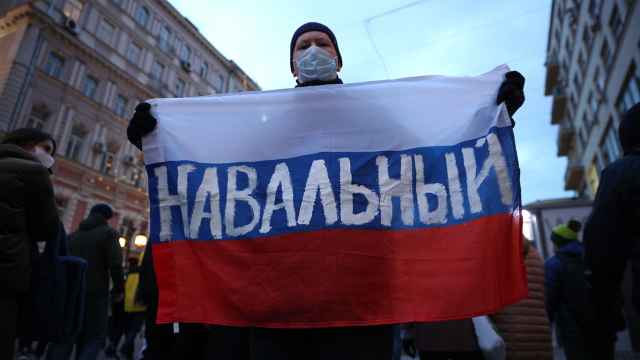
The charismatic anti-corruption campaigner had rallied hundreds of thousands across Russia in anti-Kremlin protests as he exposed the alleged ill-gotten gains of Putin's inner circle.
A Message from The Moscow Times:
Dear readers,
We are facing unprecedented challenges. Russia's Prosecutor General's Office has designated The Moscow Times as an "undesirable" organization, criminalizing our work and putting our staff at risk of prosecution. This follows our earlier unjust labeling as a "foreign agent."
These actions are direct attempts to silence independent journalism in Russia. The authorities claim our work "discredits the decisions of the Russian leadership." We see things differently: we strive to provide accurate, unbiased reporting on Russia.
We, the journalists of The Moscow Times, refuse to be silenced. But to continue our work, we need your help.
Your support, no matter how small, makes a world of difference. If you can, please support us monthly starting from just $2. It's quick to set up, and every contribution makes a significant impact.
By supporting The Moscow Times, you're defending open, independent journalism in the face of repression. Thank you for standing with us.

Remind me later.